



Winter Sleep Satisfaction Survey Reveals Frustrations Among Japanese Consumers
Understanding Winter Sleep Challenges in Japan
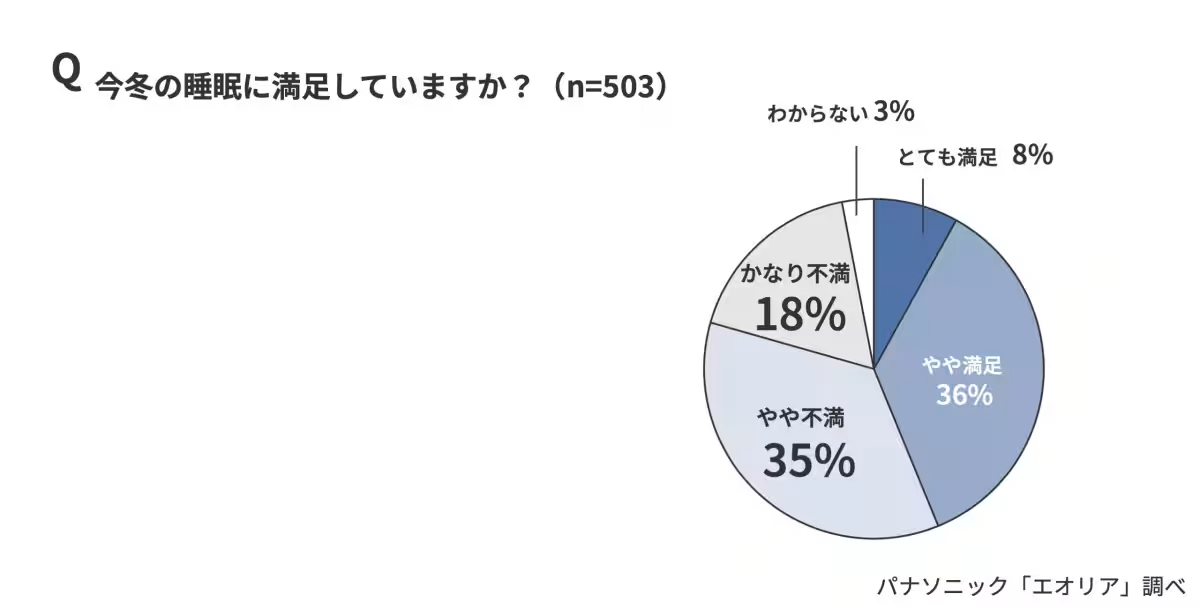
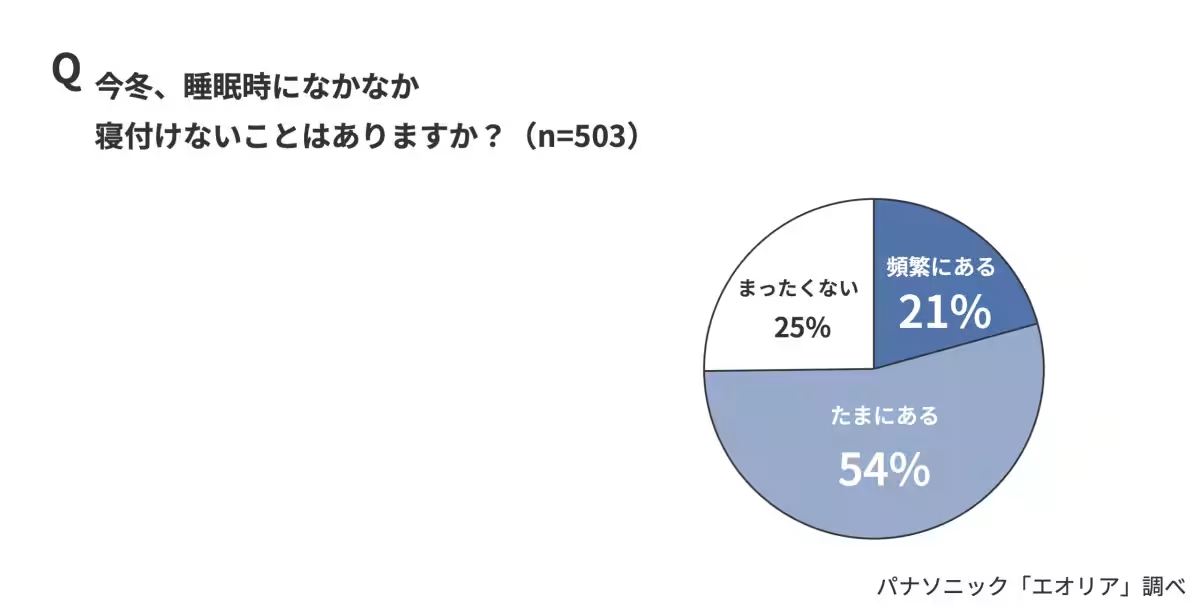
As the chill of winter settles in, many find it increasingly difficult to maintain a good sleep routine. According to a recent survey, 53% of respondents reported dissatisfaction with their sleep this season. In the same vein, 75% cited difficulties in falling asleep during the colder months, revealing a significant concern among consumers regarding their sleep quality.
Survey Findings
The survey uncovered several key issues affecting winter sleep:
- - Dissatisfaction with Sleep: 53% of participants expressed they are not satisfied with their winter sleep experience.
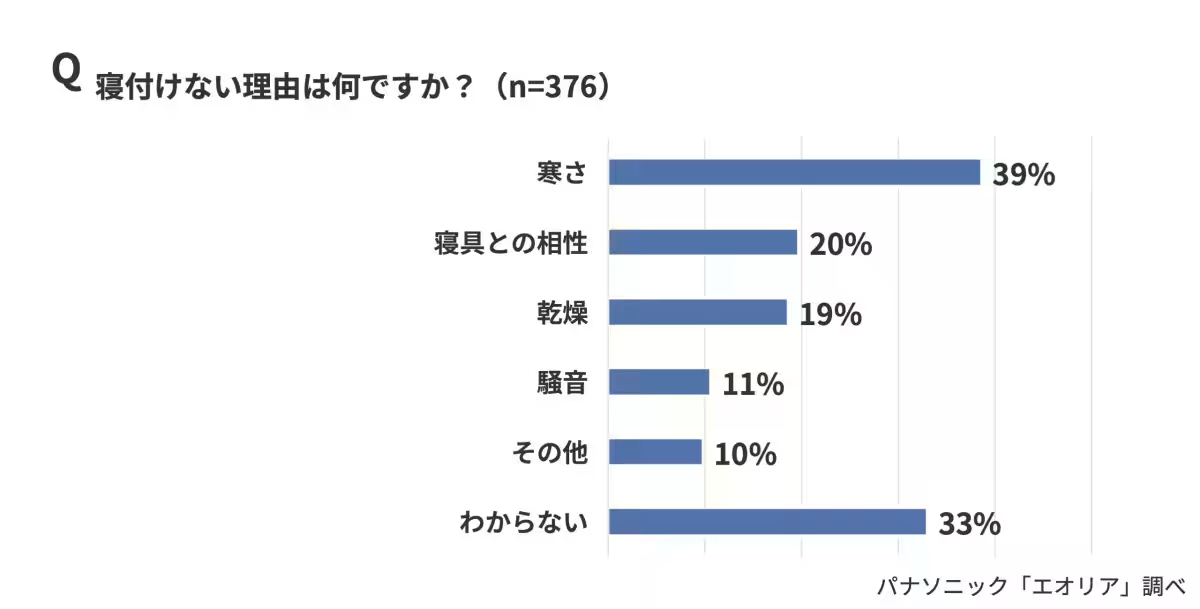
- - Challenges in Falling Asleep: A staggering 75% acknowledged having trouble falling asleep, with 39% attributing this to the cold, 20% to inharmonious bedding, and 19% to dryness.
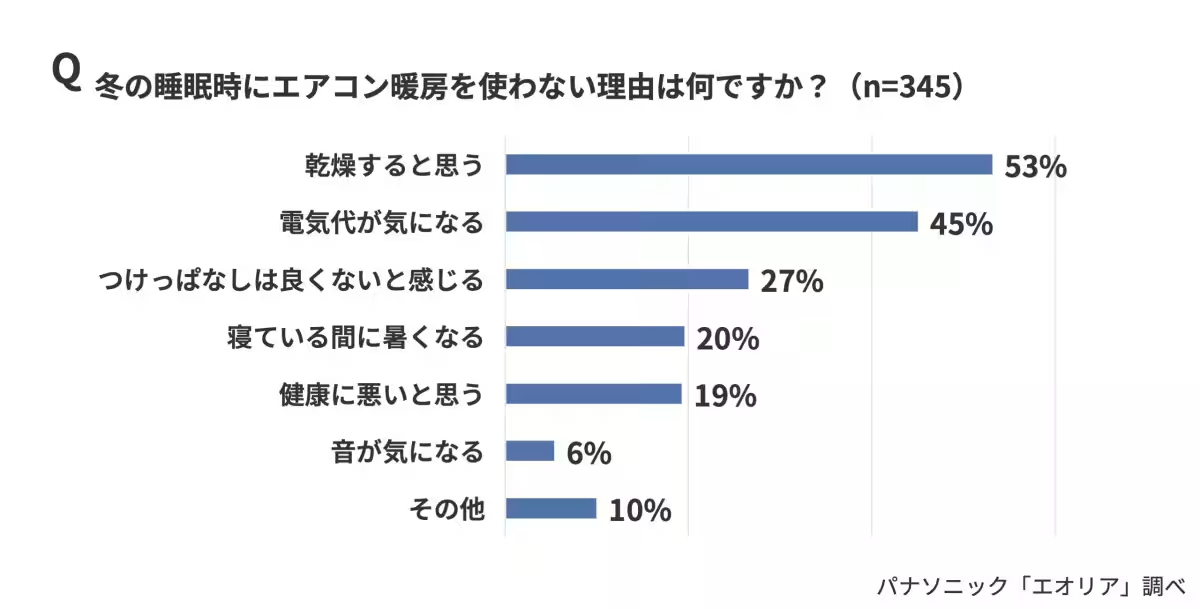
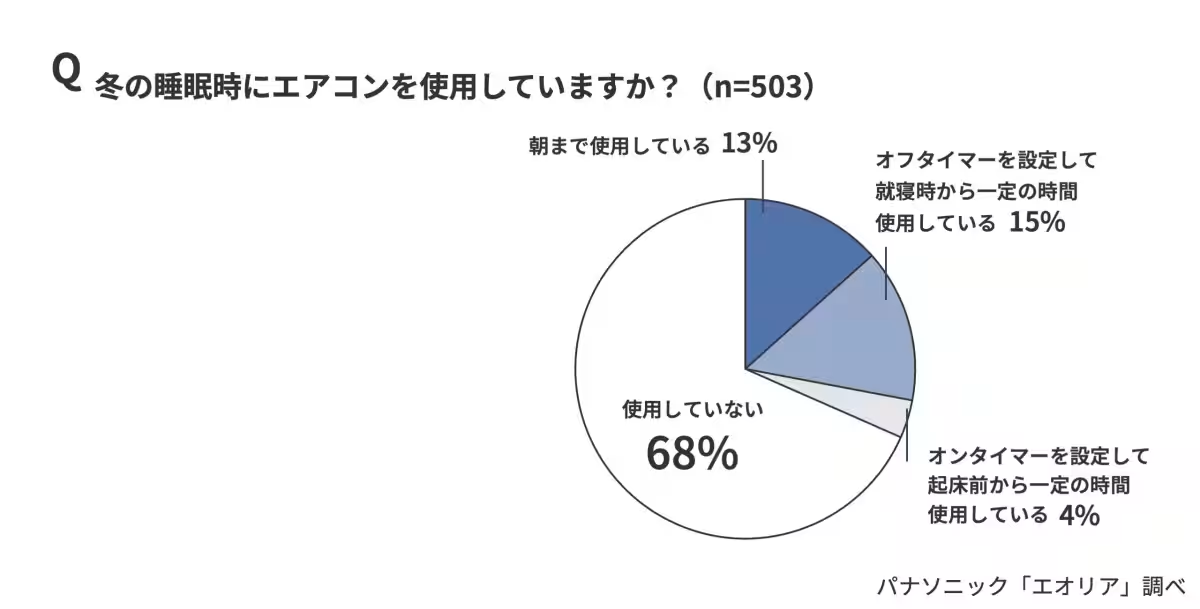
- - Heating Habits: 68% of respondents reported they do not use air conditioning heating, primarily due to concerns about dryness (53%) and electricity costs (45%).
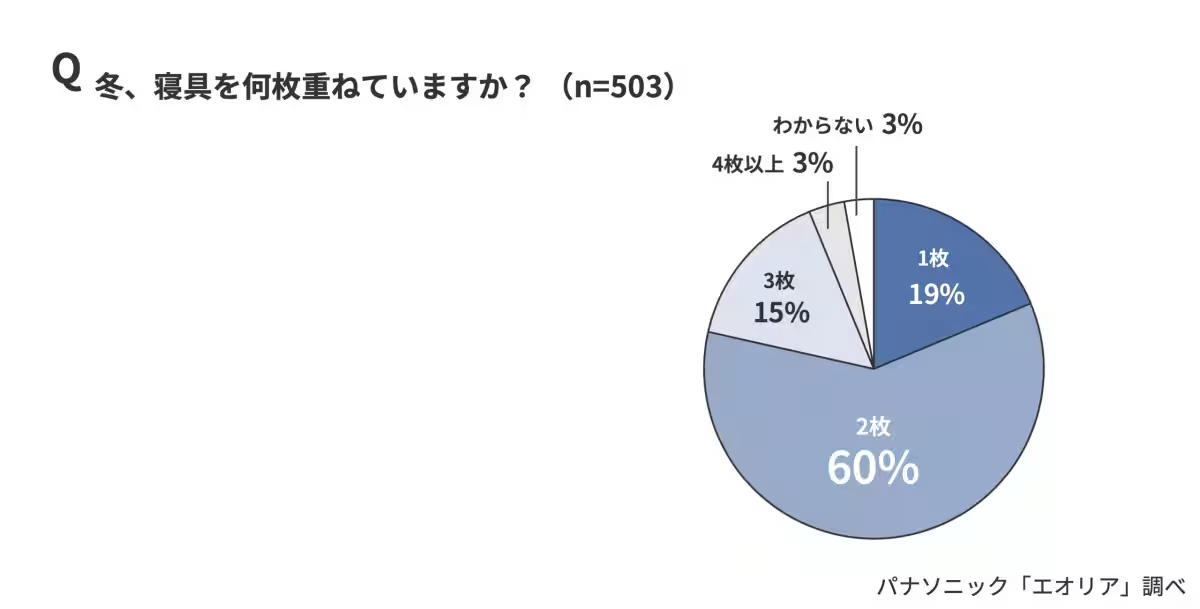
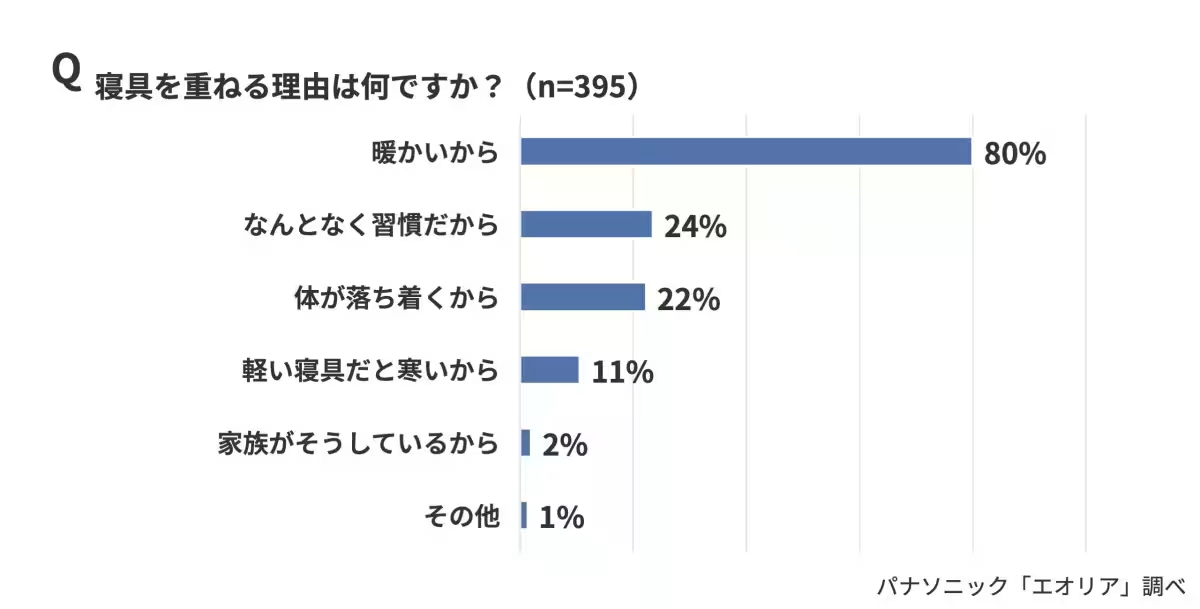
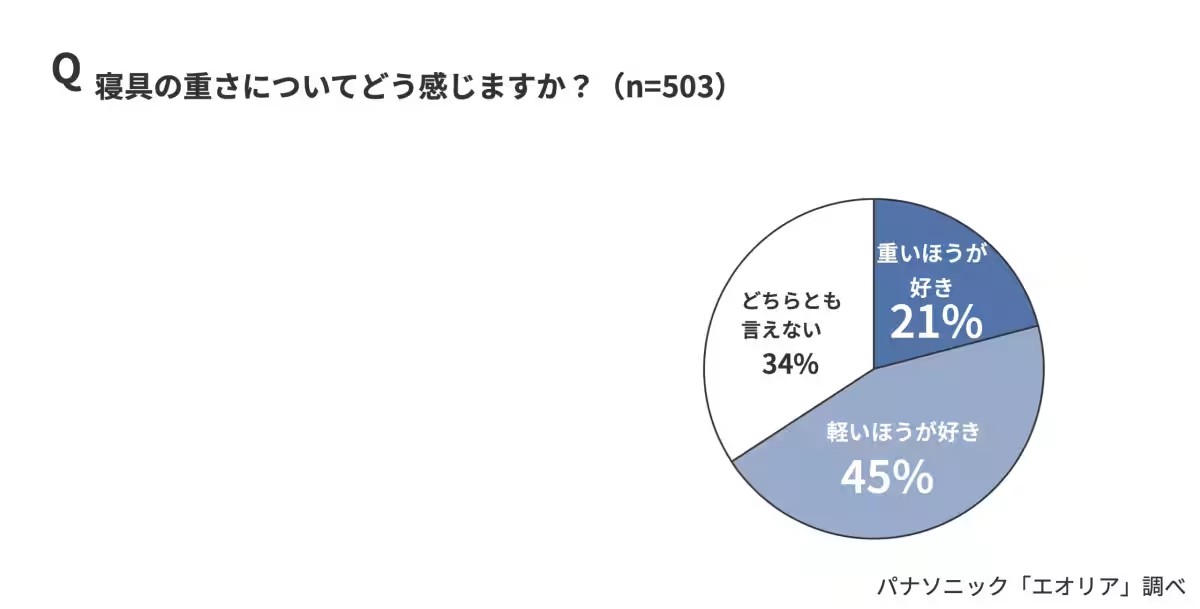
- - Bedding Preferences: When it comes to bedding, 45% prefer lighter options, while 21% favor heavier ones, with 18% using three or more layers.
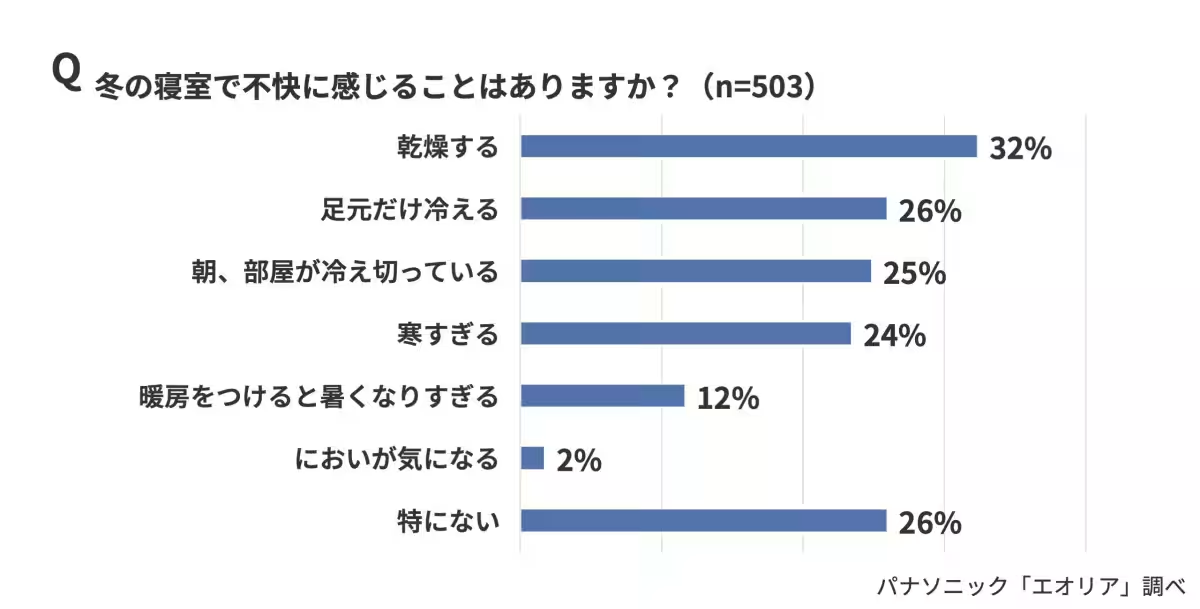
Despite the chilly weather, many people avoid using air conditioning for heating, leading to uncomfortable sleep conditions, as evidenced by reports of dry air and cold nighttime temperatures affecting overall sleep quality. As such, it's vital for individuals to strategize their approach to creating a cozy sleep environment.
Importance of Bedding Selection
The Heavy vs. Light Debate
Many individuals instinctively turn to heavier bedding during winter for warmth. However, excess weight can hinder movement during sleep, which is essential for a good night’s rest. The survey indicated that while some prefer heavier bedding, the majority lean towards lighter options for better sleep comfort.
Ideal Sleeping Conditions
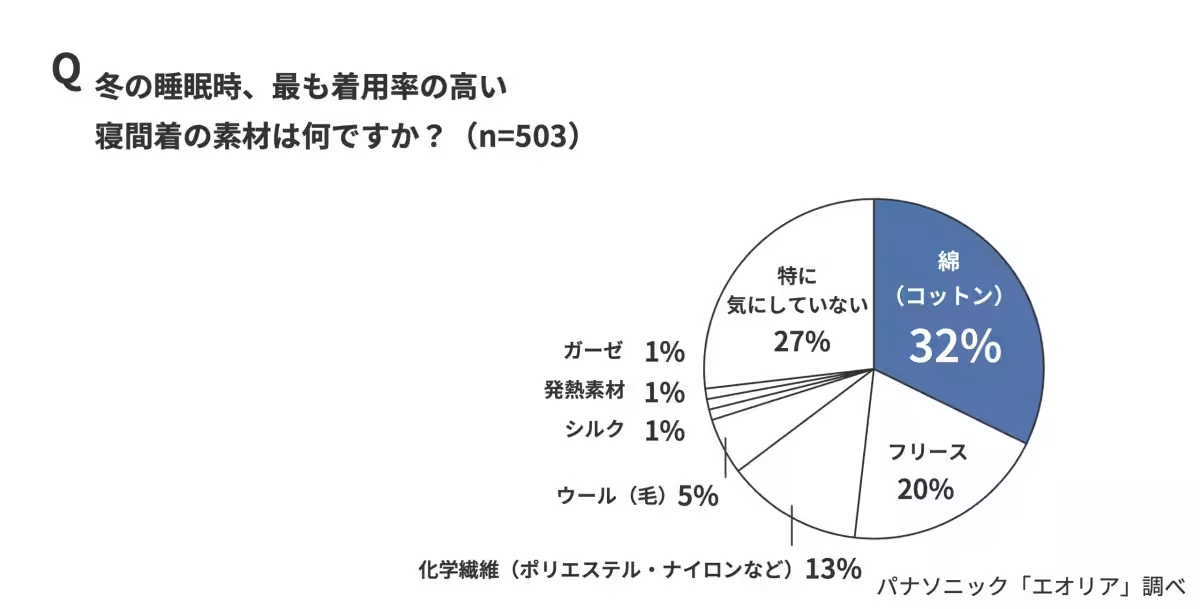
Finding the right balance between warmth and breathability is critical. For optimal sleep, the bed temperature should be around 32-34°C, with humidity levels around 50%. Maintaining balanced conditions can prevent discomfort and contribute positively to sleep quality. Materials like cotton, which offer good moisture wicking and comfort, are recommended, while fabrics like fleece may not be ideal for sleepwear as they can trap moisture and lead to discomfort.
Effective Use of Air Conditioning
Setting the Right Environment
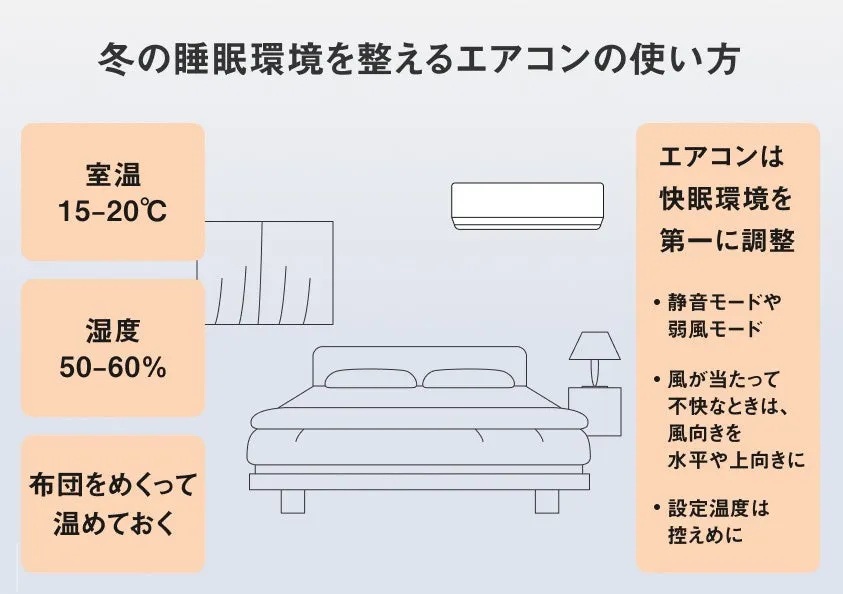
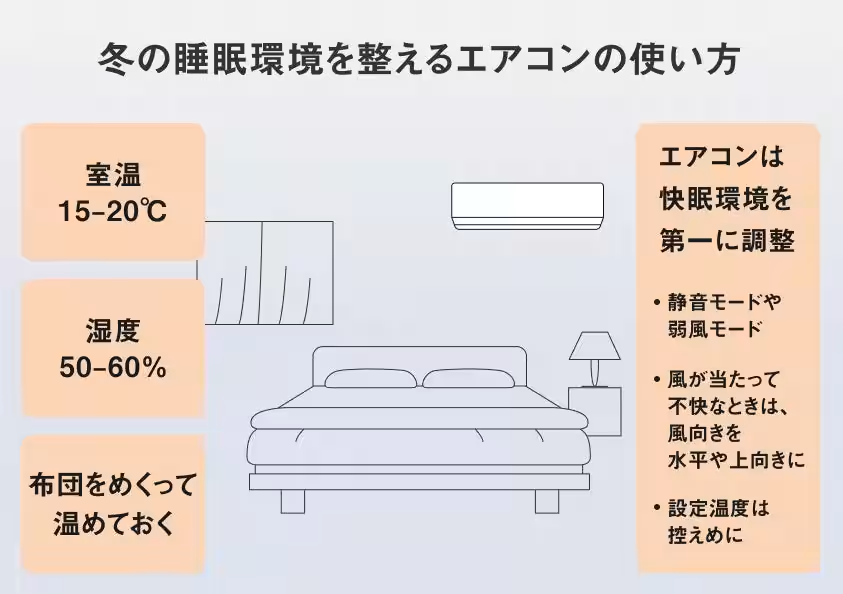
An effective winter sleep setup requires careful monitoring of both temperature and humidity. Recommended room temperatures fall between 15-20°C when using heaters, ensuring that sleeping conditions remain conducive to rest. Combining air conditioning with a humidifier can help combat dryness common during the winter months.
The electrical costs associated with running air conditioning can be daunting; however, running it overnight can be quite economical, averaging under 100 yen per night in specific conditions. Thus, employing air conditioning thoughtfully can maintain a comfortable sleeping environment without excessively impacting the electricity bill.
Preparing for Bed
Before heading to sleep, it's beneficial to warm the bedding by lifting it for a short period before getting in. This simple practice can prevent cold contact when settling in, aiding in a quick transition to rest. Adjust the air conditioner to a lower fan speed if noise disrupts sleep, ensuring comfort throughout the night.
Additional Tips for Better Sleep
Beyond heating and bedding, factors like sound and light profoundly impact sleep quality. To enhance conditions further:
- - Use thick curtains or create a sound barrier to minimize disruptive external noise, aiming for a peaceful sleep environment.
- - Control lighting by avoiding bright screens before bed and switching to comfortable, warm-toned lighting to promote relaxation.
- - Manage clothing choices during sleep; opt for loose, breathable fabrics and avoid excessive layering that can restrict movement and maintain proper body temperature.
This winter, prioritizing sleep satisfaction is crucial, especially given the seasonal challenges many individuals face. By making informed choices about bedding, utilizing heating effectively, and controlling environmental factors, one can significantly enhance sleep quality throughout the colder months. With insights from Panasonic's sleep improvement expert, Fuko Fukuda, incorporating these strategies can lead to more restorative evenings and pleasant winter nights.


Topics Health)
【About Using Articles】
You can freely use the title and article content by linking to the page where the article is posted.
※ Images cannot be used.
【About Links】
Links are free to use.