



New Insights on Employment for Disabled Workers: Challenges and Solutions
Overview of the Survey on Employment for Disabled Workers
Recently, SMS Corporation conducted a survey targeting 157 personnel responsible for the employment of disabled individuals across Japan. This research aimed to assess the realities faced by these personnel and to unearth current challenges in the field of disability employment, particularly as legal requirements are set to increase by July 2026. Specifically, the legal employment rate is expected to rise to 2.7%, forcing companies to adapt quickly.
Key Findings
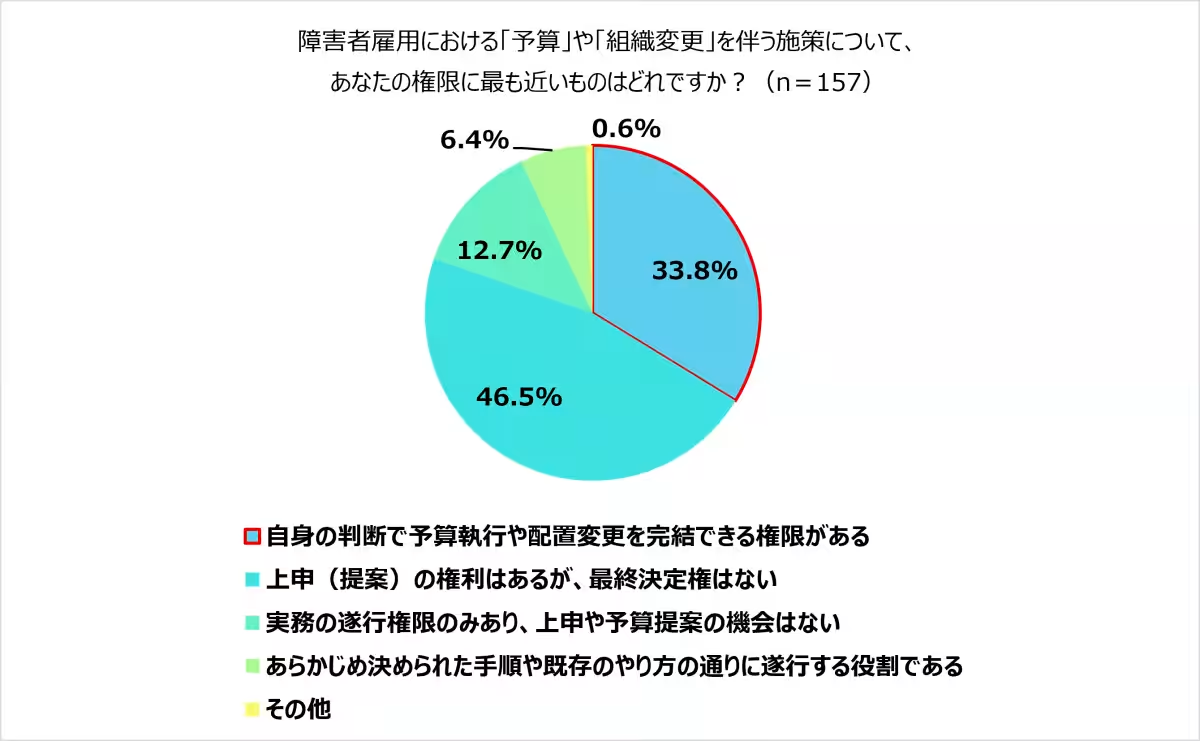
According to the survey results, while management expects personnel to meet employment rates and enhance productivity, over 70% of the participants are handling these responsibilities alongside other tasks. Moreover, only about 33% reported having sufficient discretion and financial resources to execute hiring measures independently. This disconnect emphasizes the need for more robust support and structural adjustments within organizations.
1. Expectations from Management
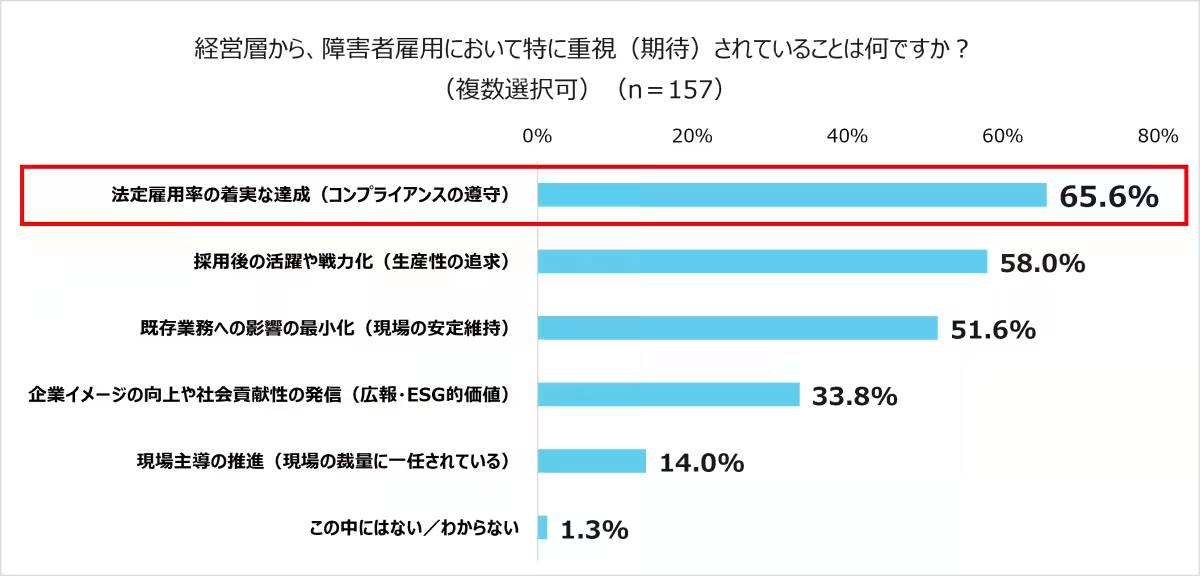
The primary expectation from management remains the achievement of legal employment rates (65.6%), closely followed by effective integration of disabled employees into productive roles (58.0%). This illustrates a growing emphasis on the quality of employment beyond mere numbers.
2. Responsibilities and Resources
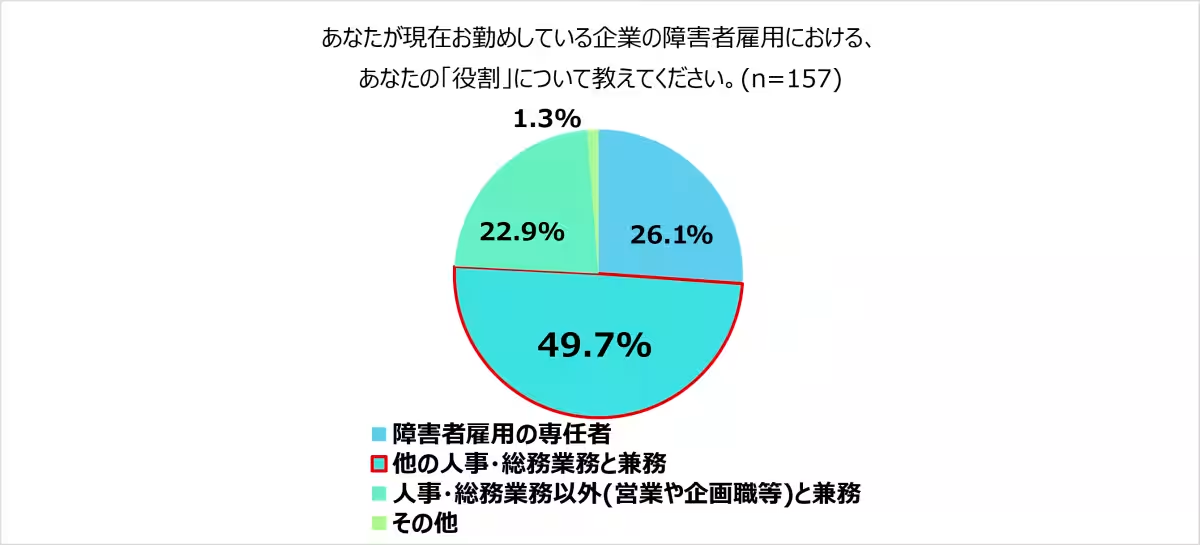
72.6% of respondents indicated that they juggle their disability employment roles with other job responsibilities, showcasing a significant organizational challenge. Only 26.1% work exclusively in disability employment, highlighting the need for dedicated resources.
3. Support and Staffing Issues
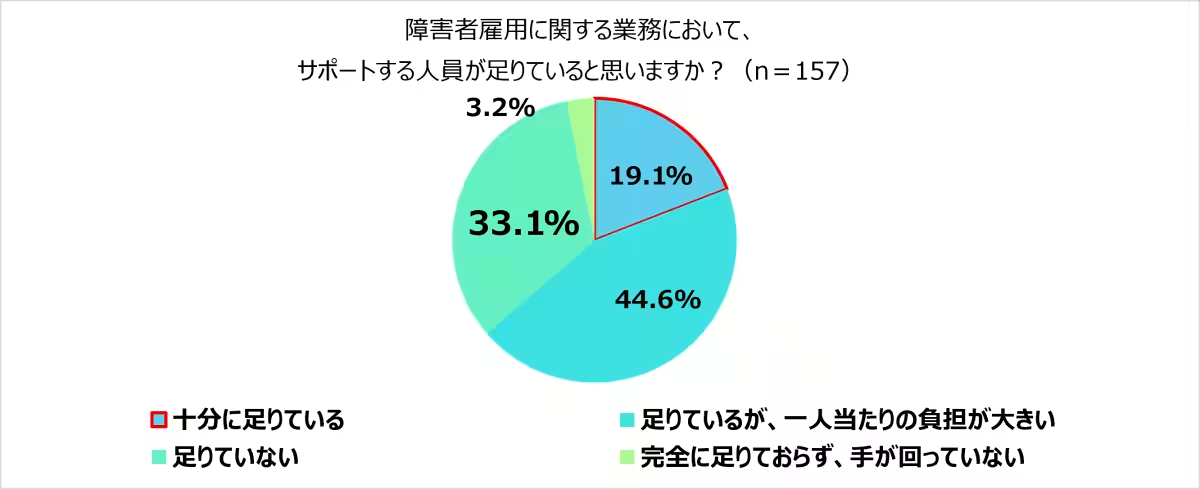
A mere 19.1% felt that they had adequate support personnel to help with the integration of disabled workers, while 80.9% experienced significant burdens due to the lack of support.
4. Consultation Framework
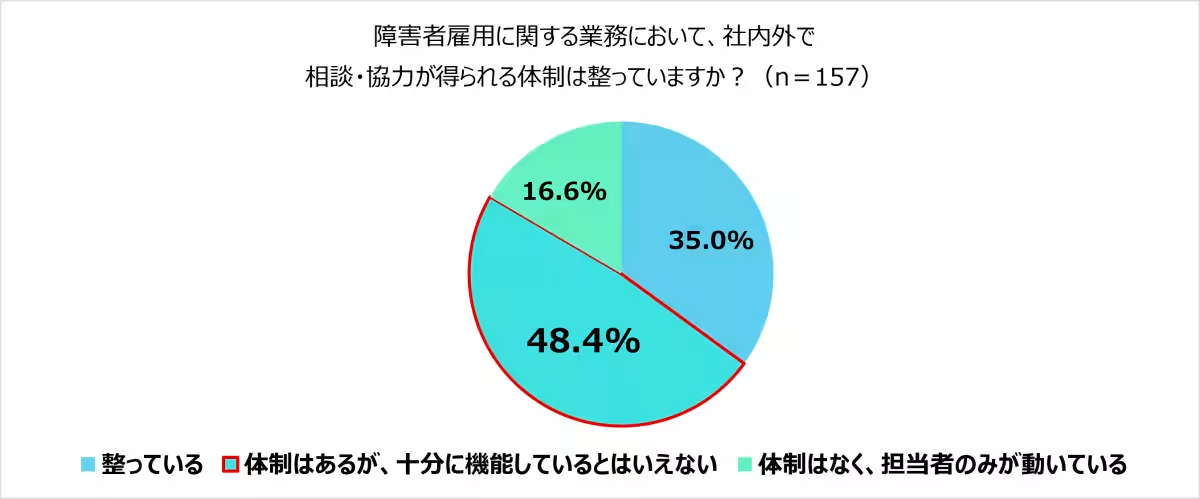
Only 35% of the surveyed personnel claimed there were efficient consultation and support systems within their companies, while about two-thirds acknowledged lacking adequate structures to facilitate collaboration.
5. Barriers to Employment
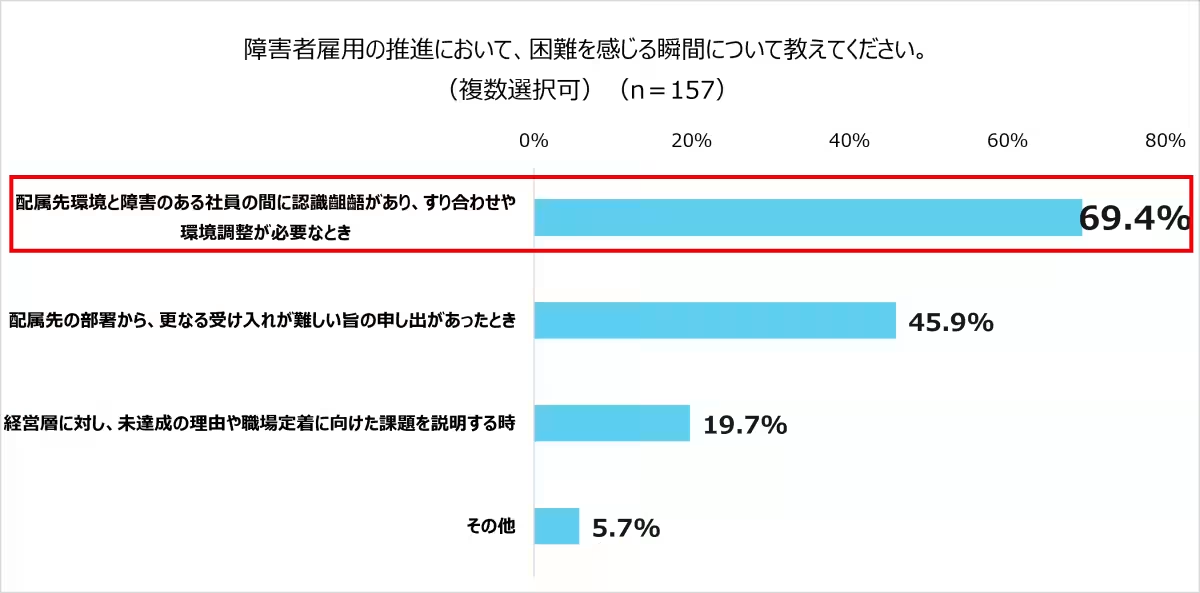
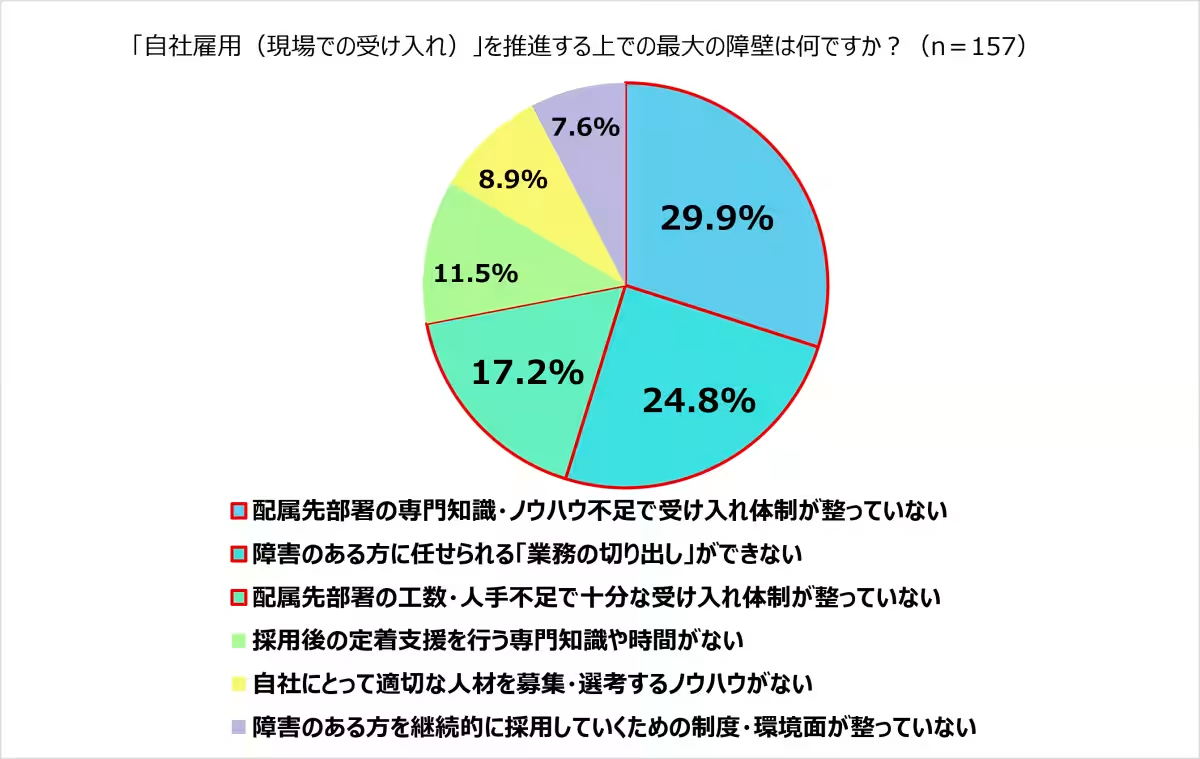
The most considerable obstacles to employing disabled individuals were related to the lack of expertise and knowledge among departments responsible for staffing. Nearly 30% pointed out that insufficient specialized knowledge within departments hindered their ability to establish proper onboarding processes.
Real-World Implications
The survey findings reflect a complex environment in which the implementation of disability employment policies is both a legal requirement and a moral imperative. Recognizing this, SMS Corporation has previously engaged in internal measures since 2020, steadily developing a Shared Services Group that employs around 90 individuals with disabilities, contributing substantially to overall productivity.
Additionally, SMS Corporation has initiated the "Kabe-Nashi Corporate Support Service for Disability Employment," set to launch in June 2026, leveraging their insights and experiences to assist businesses in establishing their disability employment frameworks.
Conclusion
As we approach the critical deadline for adjusted employment rates, the focus on quality employment will only intensify. Companies are required not only to comply with regulations but to create sustainable and welcoming environments for disabled employees. More must be done to bridge the gap between management expectations and the resources available to those at the front lines of disability employment. SMS Corporation is committed to contributing to this narrative by providing comprehensive solutions tailored to individual company needs.
For more information on how to integrate these practices within your organization, visit the Kabe-Nashi Service.
Topics People & Culture)

【About Using Articles】
You can freely use the title and article content by linking to the page where the article is posted.
※ Images cannot be used.
【About Links】
Links are free to use.