




Understanding the Pet Hierarchy: Who Reigns Supreme in Our Homes?
Recent research conducted by Pet Medical Support Co., Ltd., known for its PS Insurance for pets, sheds light on the intriguing dynamics of pet hierarchy within households. The survey involved a robust sample of 1,864 dog and cat owners aged 20 to 69 from across the nation, with a final valid response rate from 392 participants. This qualitative data reveals much about how our beloved pets perceive their relationships with their human companions.
The research was conducted entirely online on March 10, 2026, targeting a demographic of pet owners across various age brackets. The breakdown of respondents included an equal representation of 196 dog owners and 196 cat owners, providing a balanced perspective on pet behavior patterns in the home.
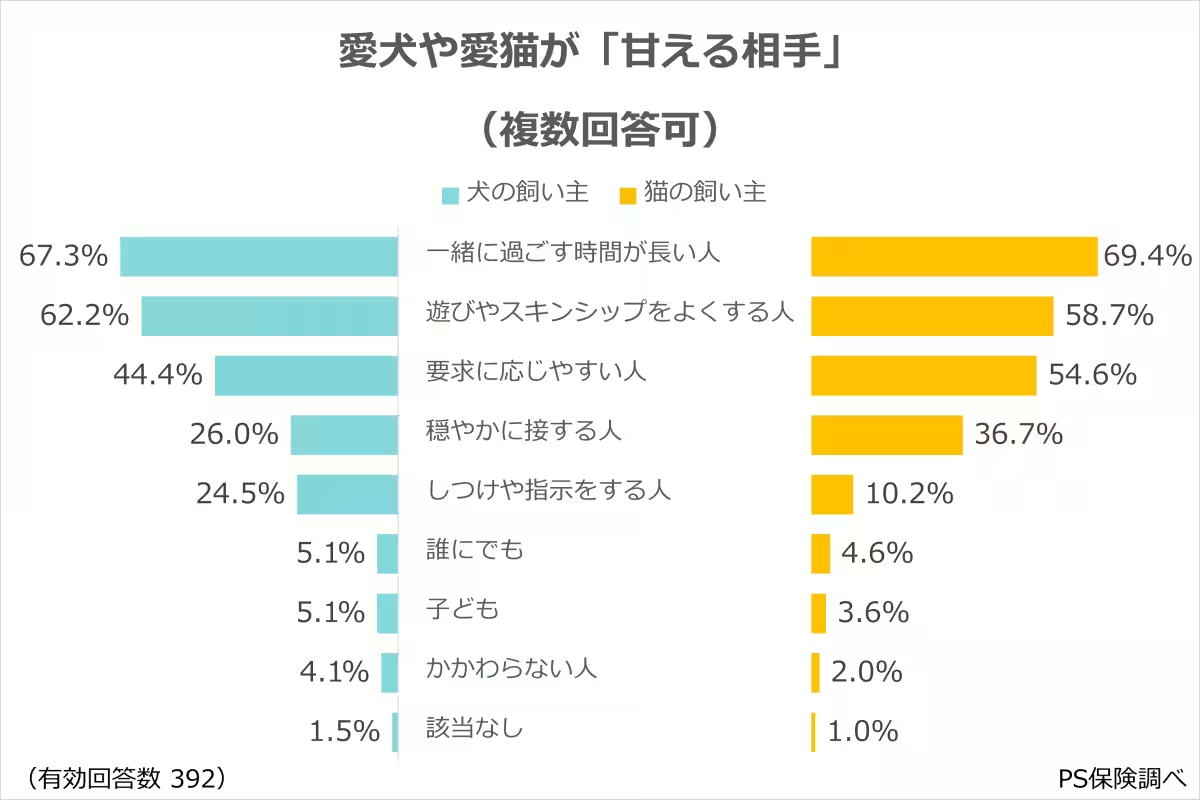
For dogs, the top choice for a comforting friend is the person they spend the most time with, which garnered a significant 67.3% response rate. This suggests that being present and engaging in playtime is essential for fostering affectionate bonds. Conversely, cats display similar preferences with 69.4% choosing the person they spend the most time with, but they also tend to favor those who are responsive to their needs, with 54.6% indicating this as a key factor for affection. The findings suggest that the extent of interaction is critical for both species in forming strong bonds with their owners.
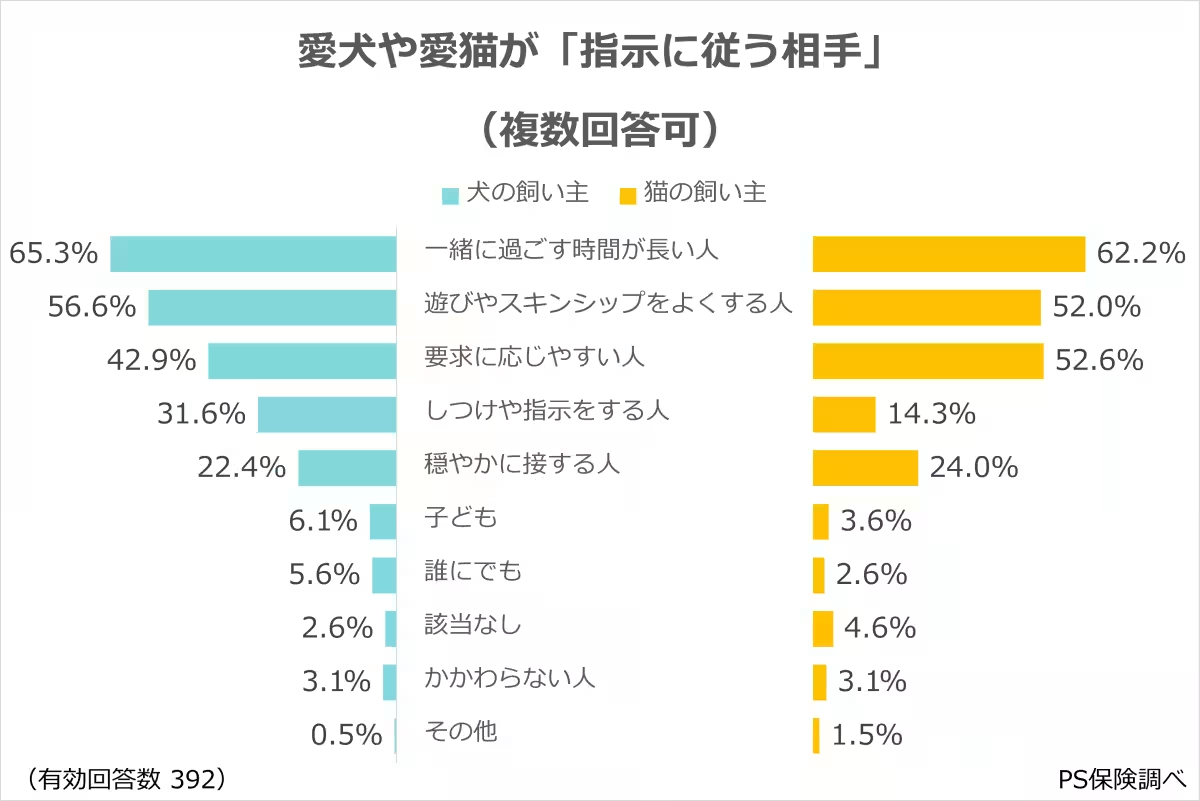
When it comes to obeying commands, dogs again ranked those they spend the most time with (65.3%) at the top, indicating a strong link between time spent together and obedience. Interestingly, cats echoed similar sentiments but highlighted their responsiveness to requests even more (52.6%). This raises questions about who truly holds authority in feline-human relationships, as cats seem to have their own distinct criteria for following commands.
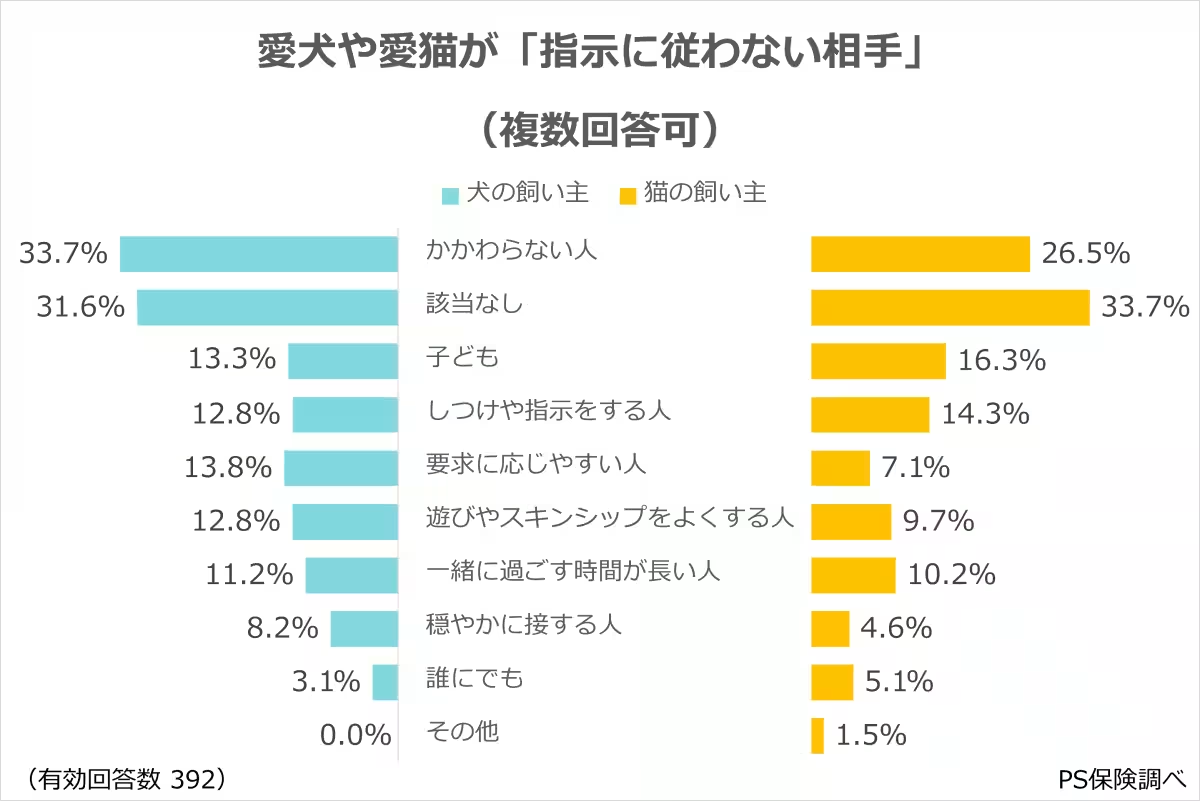
Regarding disobedience, a notable percentage of dog owners (33.7%) reported their pets ignoring commands from individuals they barely interact with, highlighting the importance of consistent training and familiarity. Comparatively, cats (33.7%) also preferred not to follow commands, indicating a significant number of felines are comfortable disregarding human instructions altogether, especially from strangers or minimally engaged family members.
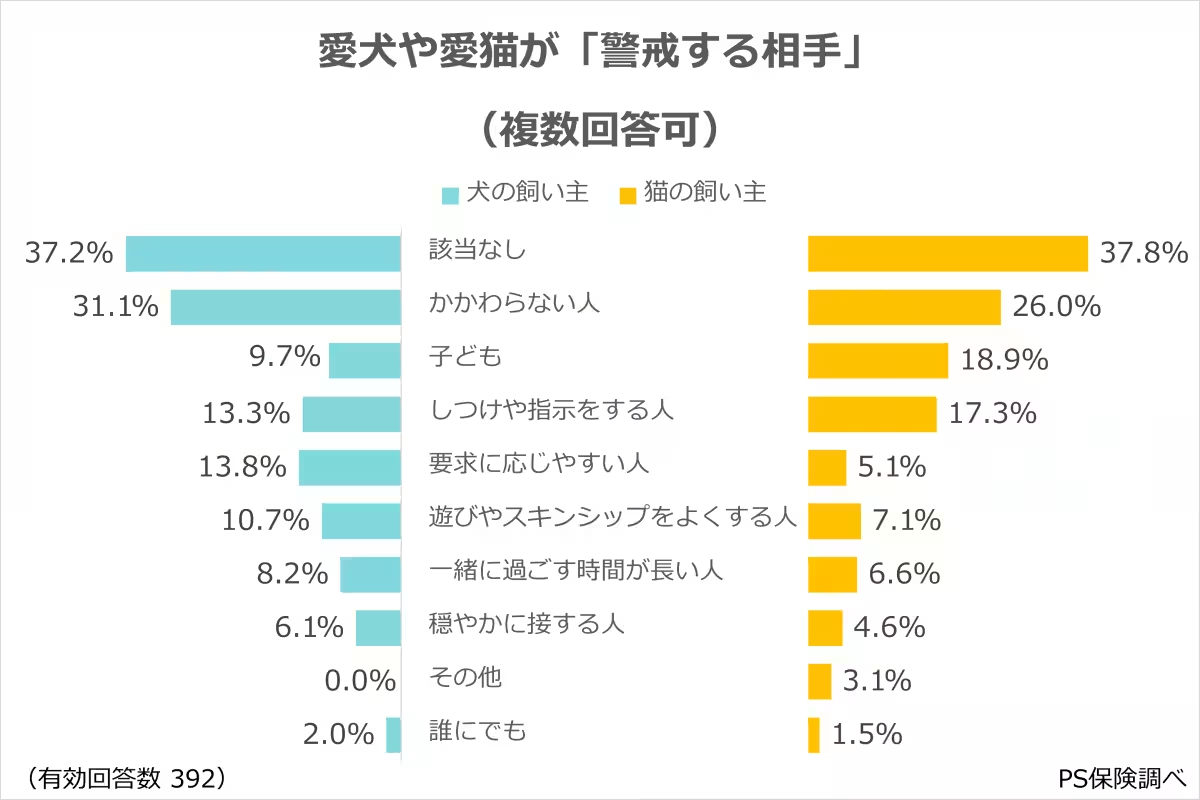
Both dogs and cats indicated a surprising lack of wariness towards people in their homes, with 'no specific individuals to be wary of' being the top response for both (37.2% for dogs and 37.8% for cats). However, dogs showed some caution towards unfamiliar individuals (31.1%), while cats were more apprehensive towards children and those who set rules (18.9%), as they favor maintaining their personal space.
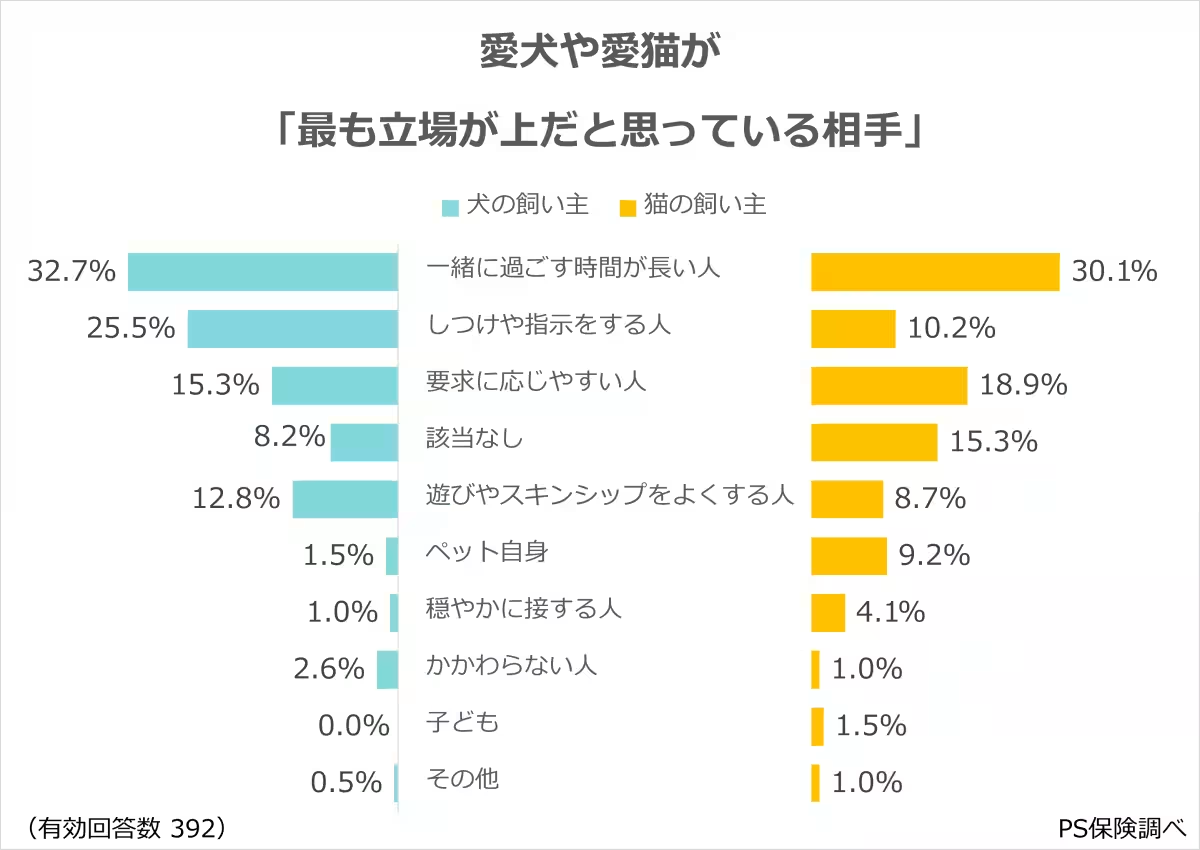
Interestingly, when asked who they consider to hold the highest rank in the household, dogs again cited their companions with whom they spend the most time (32.7%). This perspective is rooted deeply in their trust and loyalty. Cats were similar, identifying their time spent together (30.1%), but also surprise with 9.2% noting they consider themselves their own primary authority, indicating a more independent streak.
Through this comprehensive survey, it becomes apparent that whether it's dogs or cats, their relationships with their human companions are built on time spent together and mutual responsiveness. The unique behaviors exhibited by pets underscore the diverse ways in which they connect with humans. Ensuring their well-being through regular care is paramount to not just keeping them healthy but also nurturing these vital relationships.
For those seeking peace of mind during unforeseen events, PS Insurance offers a 24/7 support line allowing immediate access to veterinary advice, underscoring that pet care continues beyond just the basics.
In summary, understanding the hierarchy that our pets perceive can deepen our connections with them, allowing us to provide a nurturing and responsive environment. Just like any family member, cultivating these bonds through care and interaction enriches the shared lives we lead with our furry companions.

Survey Overview
The research was conducted entirely online on March 10, 2026, targeting a demographic of pet owners across various age brackets. The breakdown of respondents included an equal representation of 196 dog owners and 196 cat owners, providing a balanced perspective on pet behavior patterns in the home.
Key Findings on Domestic Pet Hierarchies
1. Preferred Affectionate Companions
For dogs, the top choice for a comforting friend is the person they spend the most time with, which garnered a significant 67.3% response rate. This suggests that being present and engaging in playtime is essential for fostering affectionate bonds. Conversely, cats display similar preferences with 69.4% choosing the person they spend the most time with, but they also tend to favor those who are responsive to their needs, with 54.6% indicating this as a key factor for affection. The findings suggest that the extent of interaction is critical for both species in forming strong bonds with their owners.
2. Obedience Dynamics
When it comes to obeying commands, dogs again ranked those they spend the most time with (65.3%) at the top, indicating a strong link between time spent together and obedience. Interestingly, cats echoed similar sentiments but highlighted their responsiveness to requests even more (52.6%). This raises questions about who truly holds authority in feline-human relationships, as cats seem to have their own distinct criteria for following commands.
3. Disobedience and Indifference
Regarding disobedience, a notable percentage of dog owners (33.7%) reported their pets ignoring commands from individuals they barely interact with, highlighting the importance of consistent training and familiarity. Comparatively, cats (33.7%) also preferred not to follow commands, indicating a significant number of felines are comfortable disregarding human instructions altogether, especially from strangers or minimally engaged family members.
4. Vulnerability and Caution
Both dogs and cats indicated a surprising lack of wariness towards people in their homes, with 'no specific individuals to be wary of' being the top response for both (37.2% for dogs and 37.8% for cats). However, dogs showed some caution towards unfamiliar individuals (31.1%), while cats were more apprehensive towards children and those who set rules (18.9%), as they favor maintaining their personal space.
5. Perceptions of Dominance
Interestingly, when asked who they consider to hold the highest rank in the household, dogs again cited their companions with whom they spend the most time (32.7%). This perspective is rooted deeply in their trust and loyalty. Cats were similar, identifying their time spent together (30.1%), but also surprise with 9.2% noting they consider themselves their own primary authority, indicating a more independent streak.
Conclusion
Through this comprehensive survey, it becomes apparent that whether it's dogs or cats, their relationships with their human companions are built on time spent together and mutual responsiveness. The unique behaviors exhibited by pets underscore the diverse ways in which they connect with humans. Ensuring their well-being through regular care is paramount to not just keeping them healthy but also nurturing these vital relationships.
For those seeking peace of mind during unforeseen events, PS Insurance offers a 24/7 support line allowing immediate access to veterinary advice, underscoring that pet care continues beyond just the basics.
In summary, understanding the hierarchy that our pets perceive can deepen our connections with them, allowing us to provide a nurturing and responsive environment. Just like any family member, cultivating these bonds through care and interaction enriches the shared lives we lead with our furry companions.
Topics People & Culture)






【About Using Articles】
You can freely use the title and article content by linking to the page where the article is posted.
※ Images cannot be used.
【About Links】
Links are free to use.