



Awareness Gap: JCLA's Survey on Eye Frailty Among 40-64 Age Group
JCLA's Eye Frailty Survey: A Wake-Up Call for Vision Health
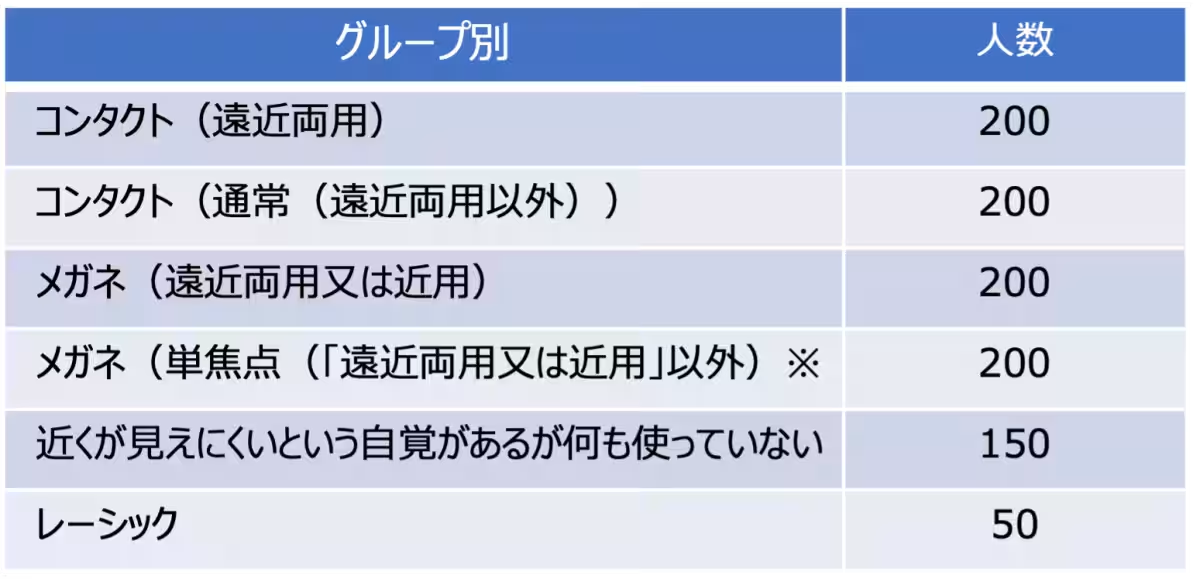
A recently conducted survey by the Japan Contact Lens Association (JCLA) has shed light on the concerning lack of awareness regarding 'eye frailty' among adults aged 40 to 64. JCLA initiated this working group amidst a growing need for promoting eye health in an era where average life expectancy reaches 100 years. The survey, which included 1,000 individuals of both genders, aimed to unearth the truth about awareness, healthcare engagement, and perceptions of vision correction methods among this age group.
Key Findings from the Survey
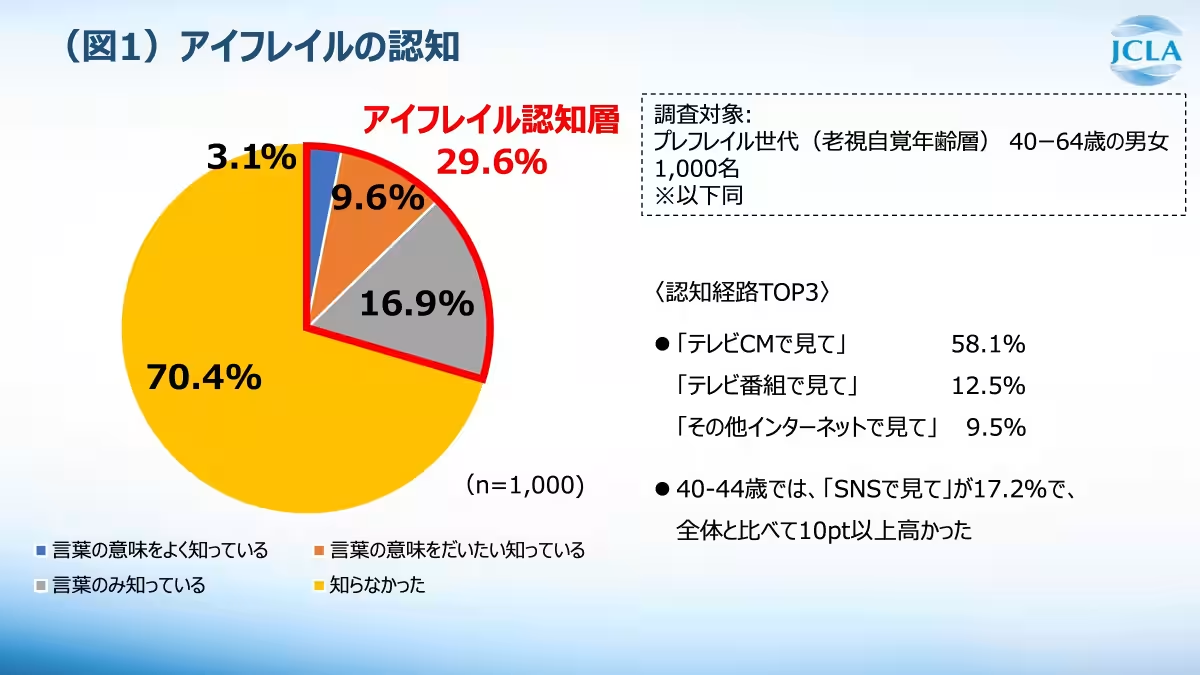
1. Limited Awareness of Eye Frailty: The survey revealed that only about 30% of participants were familiar with the term 'eye frailty.' Alarmingly, 70% had never heard of it. Among those who recognized it, just 3.1% understood its meaning well, while 9.6% only had a general idea, and 16.9% were aware of the term without knowing what it entails.
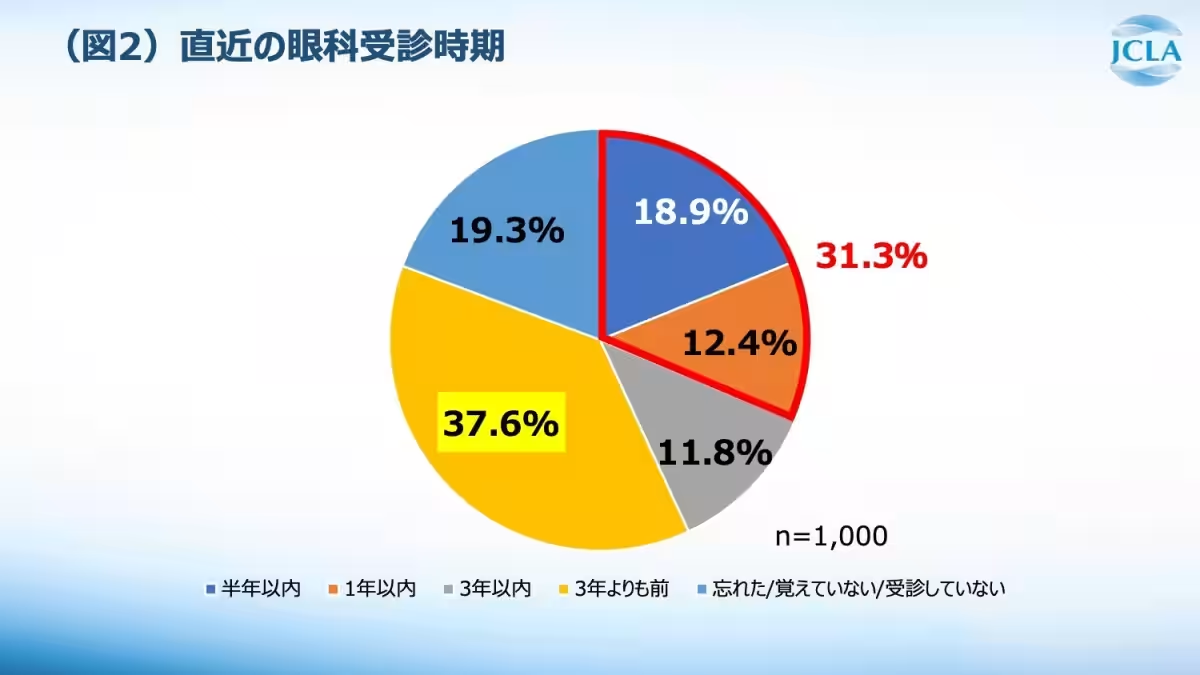
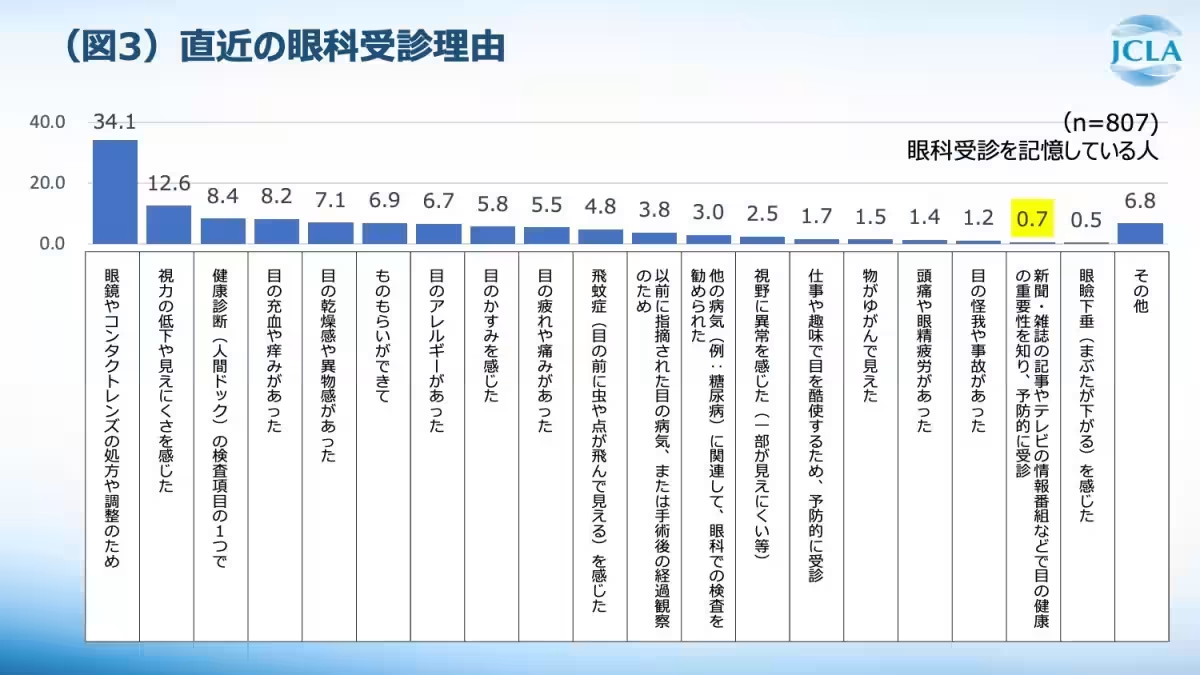
2. Low Eye Care Consultation Rates: Only 30% of respondents had visited an eye doctor in the past year, with preventive consultations being exceedingly rare. A substantial proportion, 37.6%, hadn't seen a doctor for over three years, highlighting a significant gap in regular eye health check-ups.
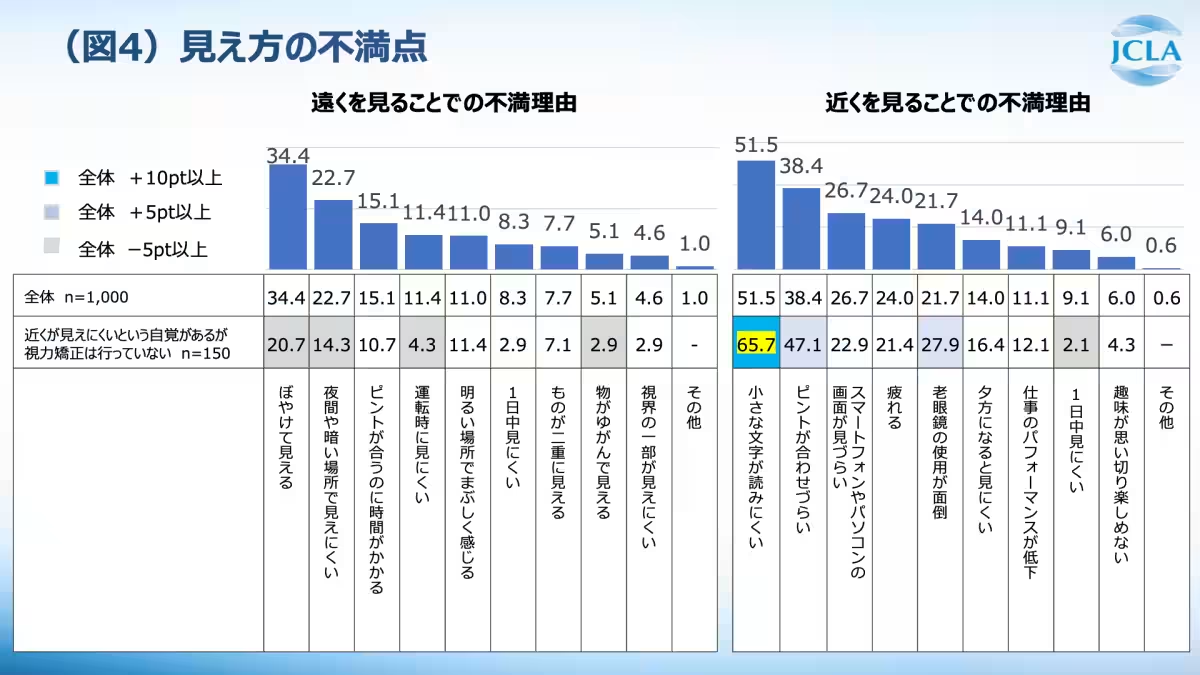
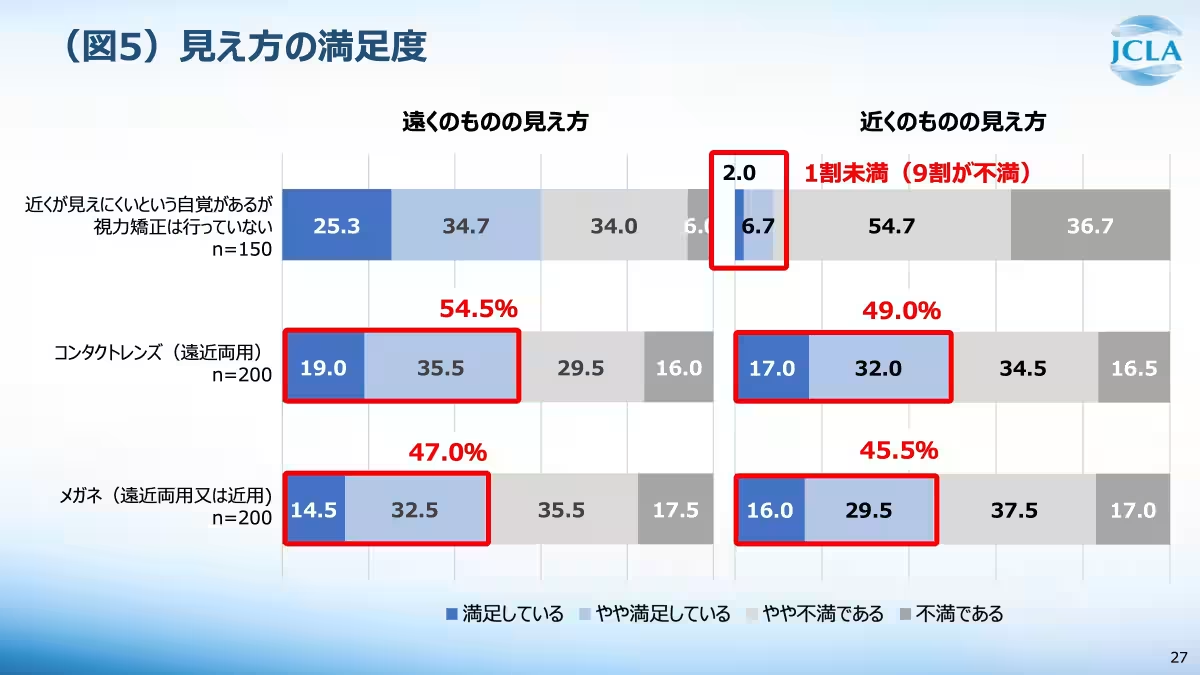
3. Vision Satisfaction Issues: For those not using any vision correction, over 90% expressed dissatisfaction with their near vision. Specifically, 51.5% struggled with reading small text, and 38.4% had trouble focusing. It's evident that while many recognize their vision-related issues, few are taking action to correct them.
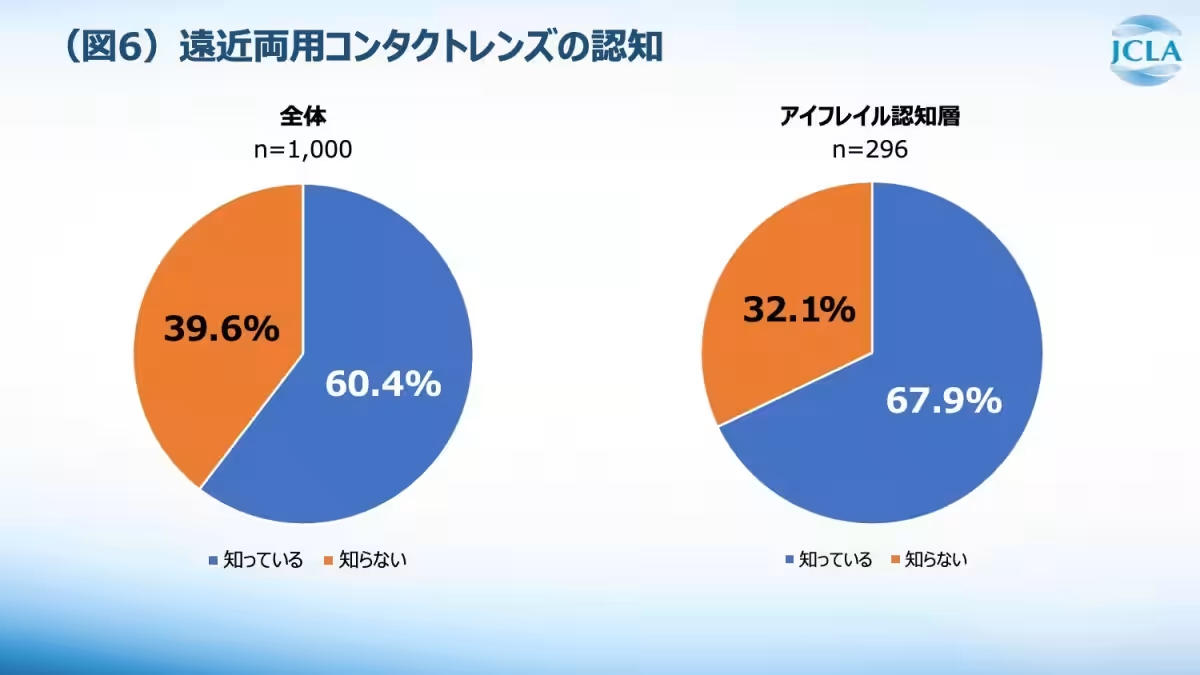
4. Understanding of Progressive Contact Lenses: The survey indicated that around 60% of participants were aware of progressive contact lenses. Among individuals aware of eye frailty, this rate climbed to 67.9%. This suggests that increasing education on eye frailty could foster greater understanding and utilization of progressive lenses.
Importance of Eye Health Awareness
Dr. Kazushi Kawauchi, President of JCLA, stressed the need for proactive eye health awareness, particularly among those in their 40s. With more than half of Japan's population over 45, promoting the significance of early eye check-ups and understanding age-related vision correction, including progressive contact lenses, is crucial.
As aging leads to inevitable changes in vision, typically starting in one's 40s, neglecting these changes can adversely affect one's quality of life. The evolution from discomfort in daily activities to potential impacts on mental well-being necessitates immediate attention and corrective measures.
Dr. Kazunari Negishi, a leading ophthalmology professor, emphasized that individuals should engage in discussions with their eye care providers to find solutions that fit their lifestyles. Early intervention and awareness campaigns can undoubtedly improve the overall well-being and comfort in daily life.
Future Initiatives by JCLA
JCLA plans to enhance its efforts through extensive outreach campaigns, especially leading up to significant dates such as 'Contact Lens Day' on September 10. Initiatives aiming at educating the public about age-related vision challenges and promoting regular eye examinations will be implemented.
Alongside ongoing projects, JCLA is set to unveil comprehensive results from more detailed studies on eye frailty in the upcoming year, aiming to empower individuals with the knowledge necessary to preserve their eye health well into their golden years.
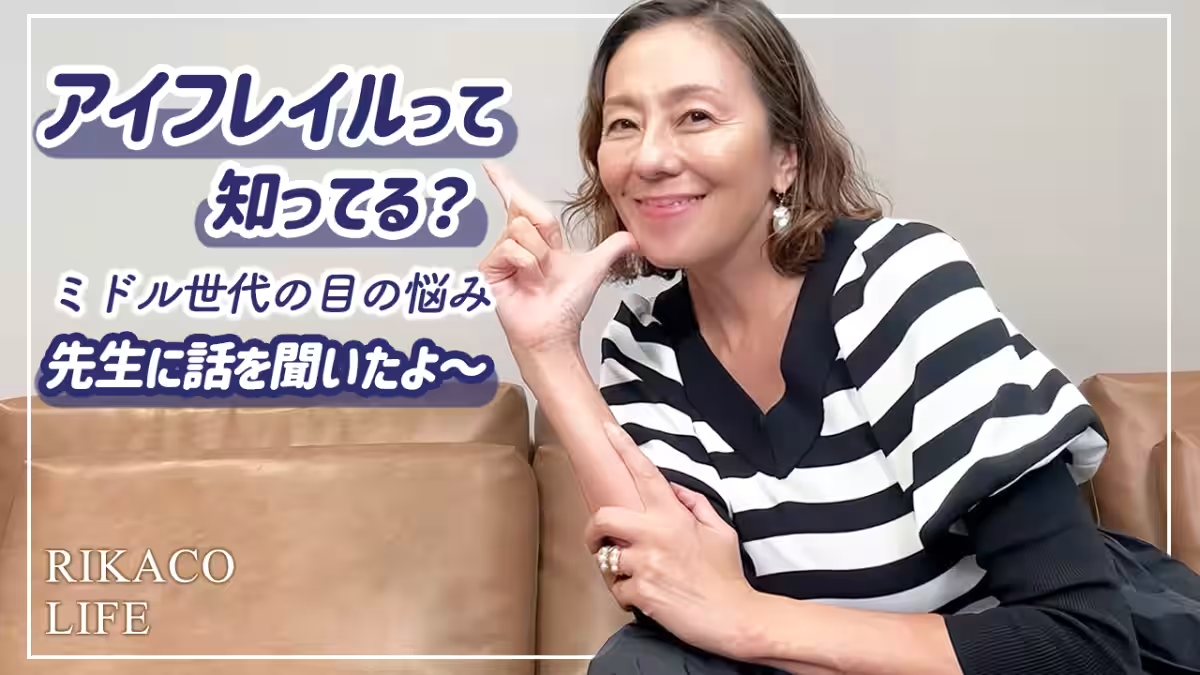
With partnerships and educational content—like collaborations with influential figures such as celebrity RIKACO via social platforms—JCLA strives to improve the understanding and adoption of vision correction methods within the aging population.
By tackling the issue of eye frailty head-on and promoting preventive measures at earlier ages, Japan can work toward a future where vision impairment due to aging is less common and more effectively managed.





Topics Health)
【About Using Articles】
You can freely use the title and article content by linking to the page where the article is posted.
※ Images cannot be used.
【About Links】
Links are free to use.