



ReGACY and Tokyo Science University Collaborate on Startup Initiatives
Partnering for Innovation: ReGACY and Tokyo Science University
In an inspiring collaboration designed to foster entrepreneurship in the life sciences sector, ReGACY Innovation Group has joined forces with Tokyo Science University, as part of the Tokyo SUTEAM initiative. This program seeks to stimulate the creation of startups from governmental resources, leveraging cutting-edge advancements in life science and healthcare.
Through this strategic partnership, ReGACY aims to provide essential support for the commercialization of technical innovations originating from university research. The initiative forms a model that could serve as a template for universities both domestically and internationally.
Interview Insights
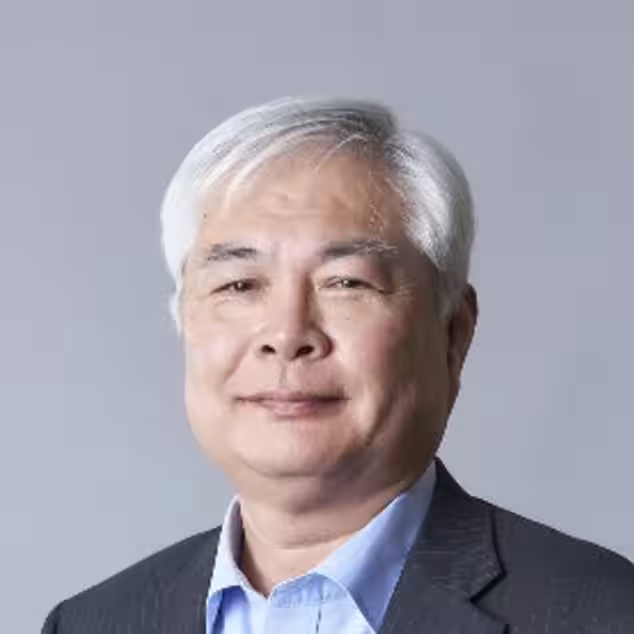
In this article, we delve into an insightful conversation with Professor Masahiro Matsuura, a designated professor at the Medical Innovation Institute at Tokyo Science University. The discussion revolves around the institute’s initiatives in promoting the practical application of life science and healthcare technology.
Background of the Experts
Professor Masahiro Matsuura brings a wealth of experience to his role, having transitioned from a 20-year research and development career in chemical manufacturing to the bio-venture world. His focus ranges from business development to intellectual property management, demonstrating a strong background in supporting university research and collaboration. Since joining the Medical Innovation Institute, he has been vital in nurturing startup enterprises and fostering entrepreneurship education.
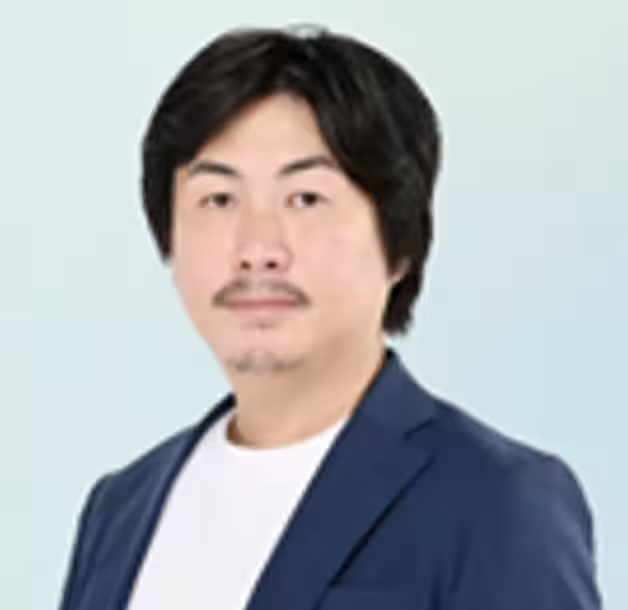
On the other hand, Keiri Tanaka, the Director at ReGACY, has a robust foundation in life sciences research, having worked with prominent firms in strategic consulting and government-backed funds targeting healthcare startups. Their combined expertise sets a strong precedent for the collaborative efforts initiated under TOKYO SUTEAM.
Achievements in Medical Innovation
ReGACY’s involvement with Tokyo Science University has opened new doors to advancing societal implementations of life science innovations. Prior to this collaboration, the Open Innovation Initiative of Tokyo Medical and Dental University focused on fostering industry-academia partnerships and supporting startup creation in the field of healthcare.
Professor Matsuura shared, “Before the merger with Tokyo Institute of Technology, we actively engaged researchers and industry players to create strong links between academic research and business.” This structured approach built the foundation for generating successful startups.
Since the merger, the medical innovation department has been reorganized under the Tokyo Science University banner, continuing its commitments to entrepreneurial support and guidance, albeit with room for enhancement in sourcing innovative research seeds and translating them into operational startups.
The Role of TOKYO SUTEAM
As part of the strategic measures under the TOKYO SUTEAM program, ReGACY decided to join forces and tackle existing challenges head-on. Highlighting the need for effective management of research information, the collaborative efforts focused on:
1. Creating a comprehensive seed list
2. Screening researchers with entrepreneurial motivations
3. Selecting candidates for the GAP fund program
“Initially, we recognized that the lack of organized seed information was a bottleneck that hindered our ability to support societal implementations,” Professor Matsuura noted. This recognition led to a systematic effort to compile a long list of potential research themes, ultimately narrowing it down to those most viable for social application.
Enhancing the Entrepreneurial Environment
One of the key outcomes of the collaborative venture was the structured interview process with participating researchers. This dual-step approach ensured that the motivations and intentions of the researchers were thoroughly evaluated, leading to higher success rates in selecting candidates with genuine entrepreneurial aspirations.
While there were complexities regarding the distribution of GAP funds, the process still maintained a level of fairness through transparent evaluation criteria, allowing for a more effective selection of grant recipients.
Future Aspirations of TOKYO SUTEAM
Looking ahead, the anticipation for TOKYO SUTEAM is profound. As Professor Matsuura expressed, although creating an independent GAP fund might be challenging initially, the achievements garnered through these initiatives could lead to sustainable funding opportunities. “By consolidating our successes in startup creation, we hope to attract external investment to continue building an ecosystem that supports life sciences entrepreneurship.”
In summary, the partnership between ReGACY and Tokyo Science University stands as a testimony to collaborative efforts aimed at thriving innovation ecosystems. The processes being established through TOKYO SUTEAM are not just beneficial for the researchers but represent a crucial step in the evolution of startups in the fields of healthcare and life sciences.
Topics Health)
【About Using Articles】
You can freely use the title and article content by linking to the page where the article is posted.
※ Images cannot be used.
【About Links】
Links are free to use.