



Bridging the Gap in Automotive Repair Estimates: A Study of Consumer and Employee Perspectives
Understanding the Gap in Automotive Repair Estimates
In a recent study conducted by Mobiria Research Institute, part of Proto Rios, a detailed analysis was carried out regarding the perceptions of automotive repair estimates from both consumers and professionals working in automotive service facilities. The survey focused on individuals who have sought repair or inspection services for their vehicles within the last three years, as well as employees of auto repair and painting facilities.
The Importance of Clear Estimates
Consumers often experience confusion when it comes to automotive service estimates. Many report feelings of uncertainty or disappointment when the final costs exceed their initial expectations. Such feelings stem from complex terminology and obscure breakdowns of service costs that tend to overshadow the transparency of the pricing process.
On the flip side, automotive technicians and staff creating these estimates also face challenges that are frequently overlooked or misunderstood by consumers. Understanding the difficulties technicians encounter may help bridge the significant gap between user anxiety during estimation and the practical realities of the service environment.
Key Concerns from Consumers
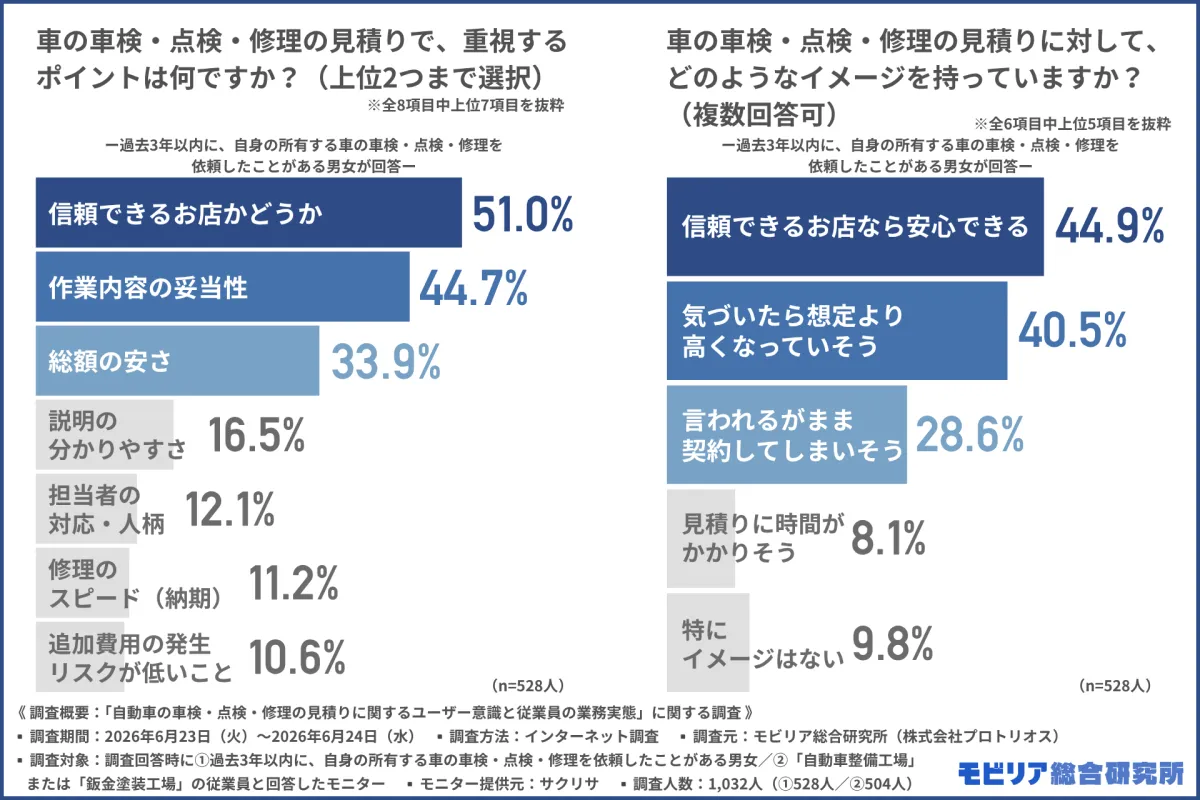
The survey indicated a clear hierarchy of what consumers value when requesting a vehicle inspection or repair estimate. A significant majority prioritized the reliability of the service provider, with 51% emphasizing the need for a trustworthy establishment. Following closely in importance were the appropriateness of the work being performed at 44.7%, and the overall affordability of the service at 33.9%.
Noteworthy is that the perception of estimates is often correlated with trust in the service provider. In fact, 44.9% of respondents stated that they felt reassured when dealing with a trusted service shop. However, concerns such as unexpectedly high charges or the risk of being pressured into agreements were also prevalent among 40.5% and 28.6% of respondents, respectively. This signals a clear demand for greater commitment to transparency from automotive service providers.
Expectations for Clarity and Communication
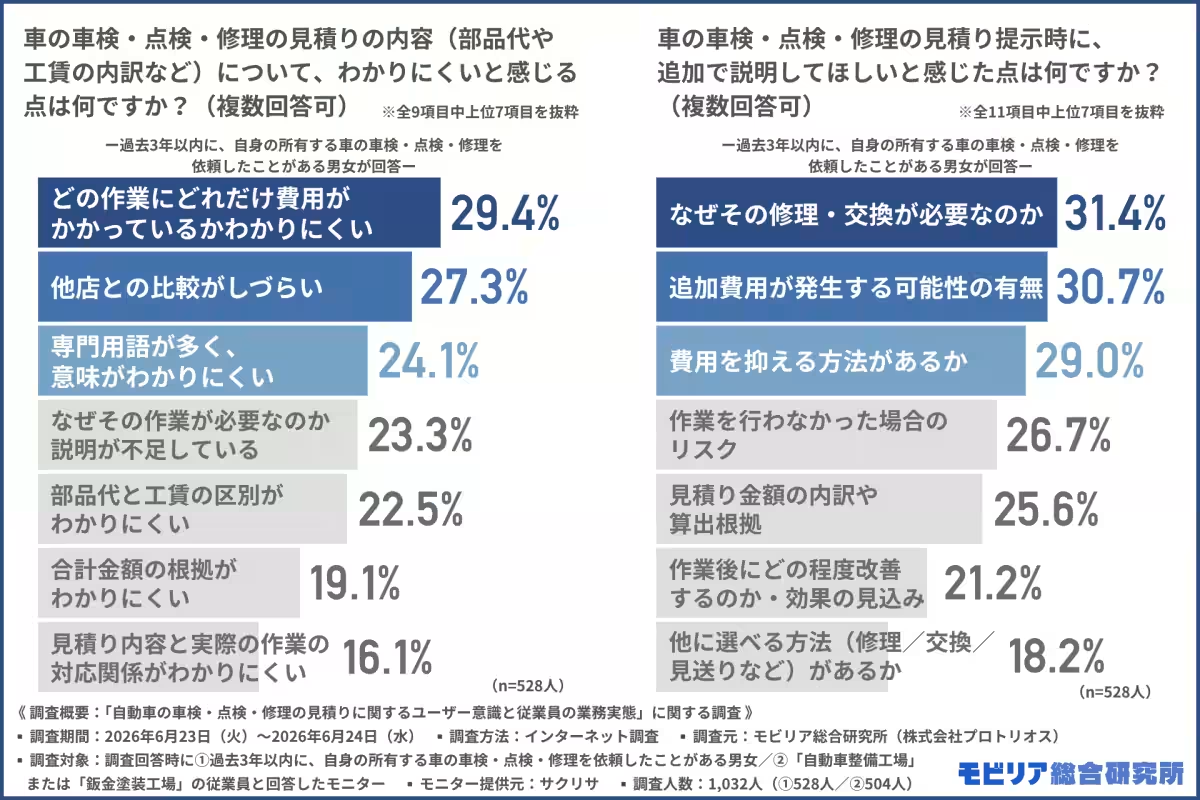
Diving deeper into the elements of estimates consumers found unclear, the survey revealed that 29.4% of respondents struggled to understand how costs are distributed among various services. Other concerns such as difficulties in comparing estimates from different shops (27.3%) and the heavy use of industry jargon (24.1%) compounded the perception of obfuscation. This reaffirms a need for clearer and more accessible estimates.
Consumers expressed a desire for additional explanations when presented with estimates, particularly regarding the necessity of repairs (31.4%), the potential for extra costs (30.7%), and strategies to mitigate these costs (29.0%). This demonstrates that customers are not just looking for numbers but seek a deeper understanding of the rationale behind the services being recommended.
The Technician's Perspective
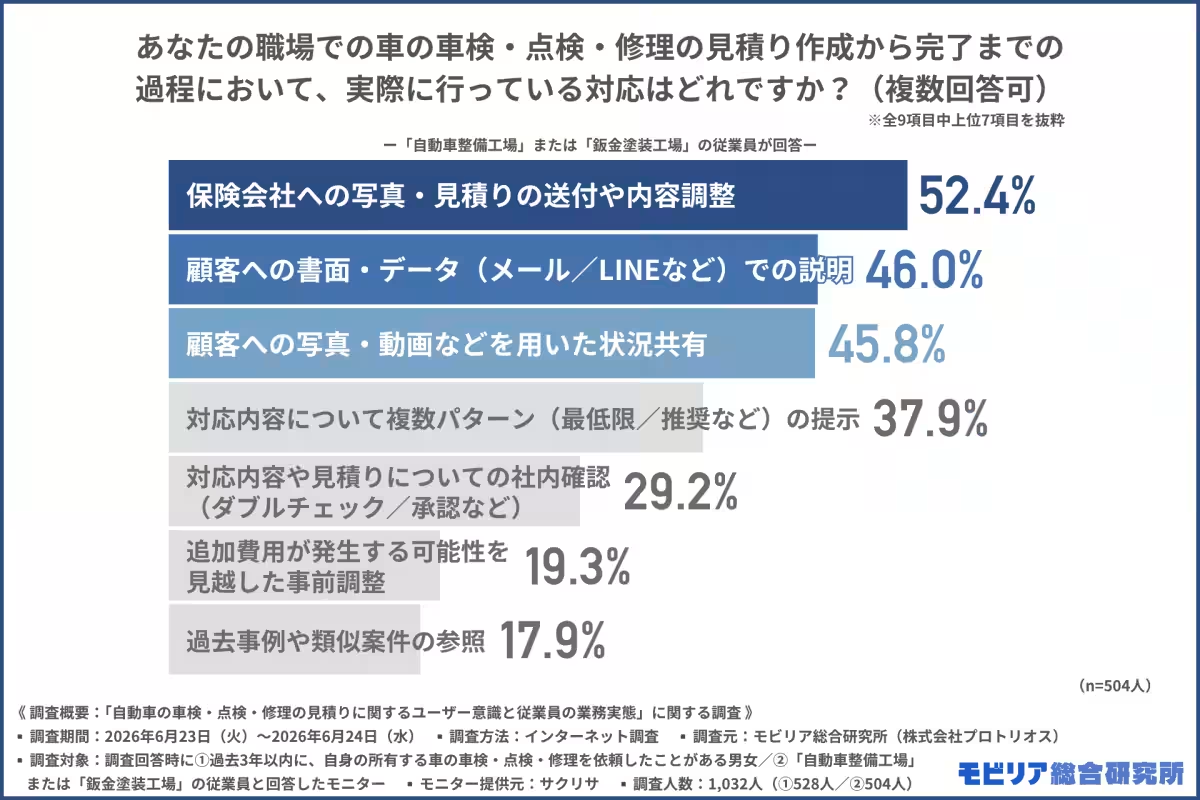
Exploring the insights from automotive service employees reveals that they engage in considerable effort to facilitate estimates. When queried about their responsibilities, 52.4% of respondents noted that communicating with insurance companies, including sending documentation and adjusting details, was one of their primary tasks. Other important activities included explaining findings to customers through written communication (46.0%) and sharing visual evidence via photos or videos (45.8%).
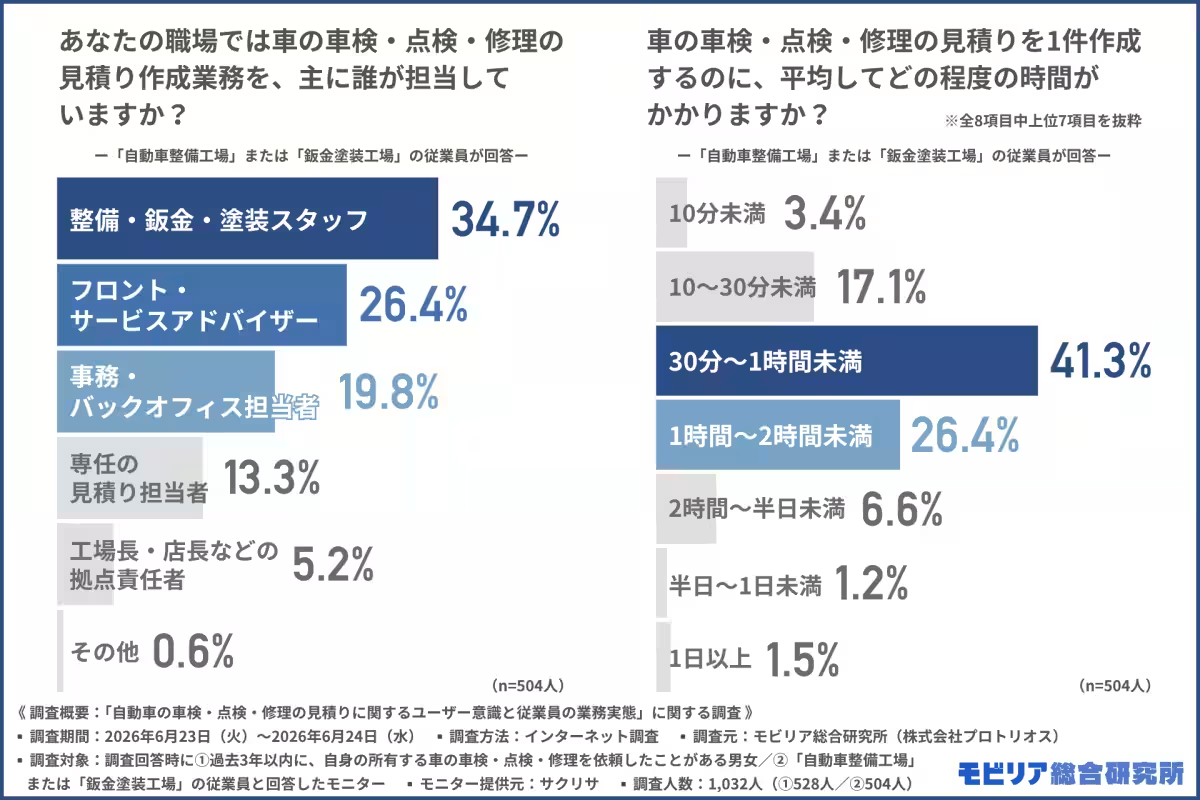
Interestingly, the findings show that a notable portion of these tasks are handled by frontline staff who juggle multiple hats, as a significant number do not have dedicated roles for estimate creation. Specifically, 34.7% of estimates are managed by technical personnel, while a considerable number of front desk staff also contribute.
Time and Workload Imbalance
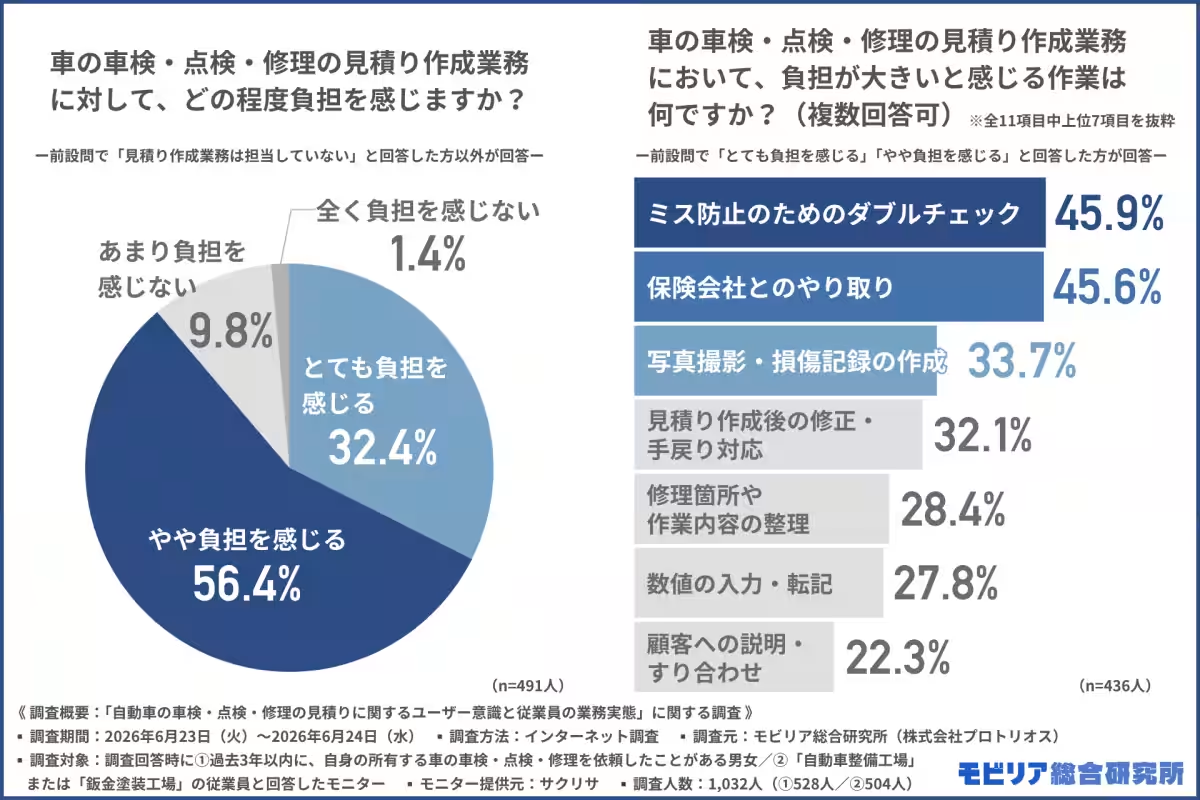
The study found that creating a single estimate requires an average of 30 minutes to two hours, with roughly 70% of respondents indicating this duration. Approximately 90% of employees reported feeling significant burden from the estimate creation process, emphasizing an apparent mismatch between the employees' workload and the customer demands for clarity and reliability.
Key challenges faced by staff included the need for double-checking work to prevent errors (45.9%), interactions with insurance companies (45.6%), and recording damages through photographs (33.7%). These tasks, while crucial for maintaining service integrity, contribute significantly to employees' workloads and stress.
Conclusion: A Path Forward
The findings of this study not only highlight the discrepancies between consumer expectations and the realities of service delivery but also underscore the compelling need for a structural shift within automotive service operations. With a focus on transparency and enhanced customer communication, the industry must aim for clarity in pricing practices while alleviating the operational burdens faced by service staff.
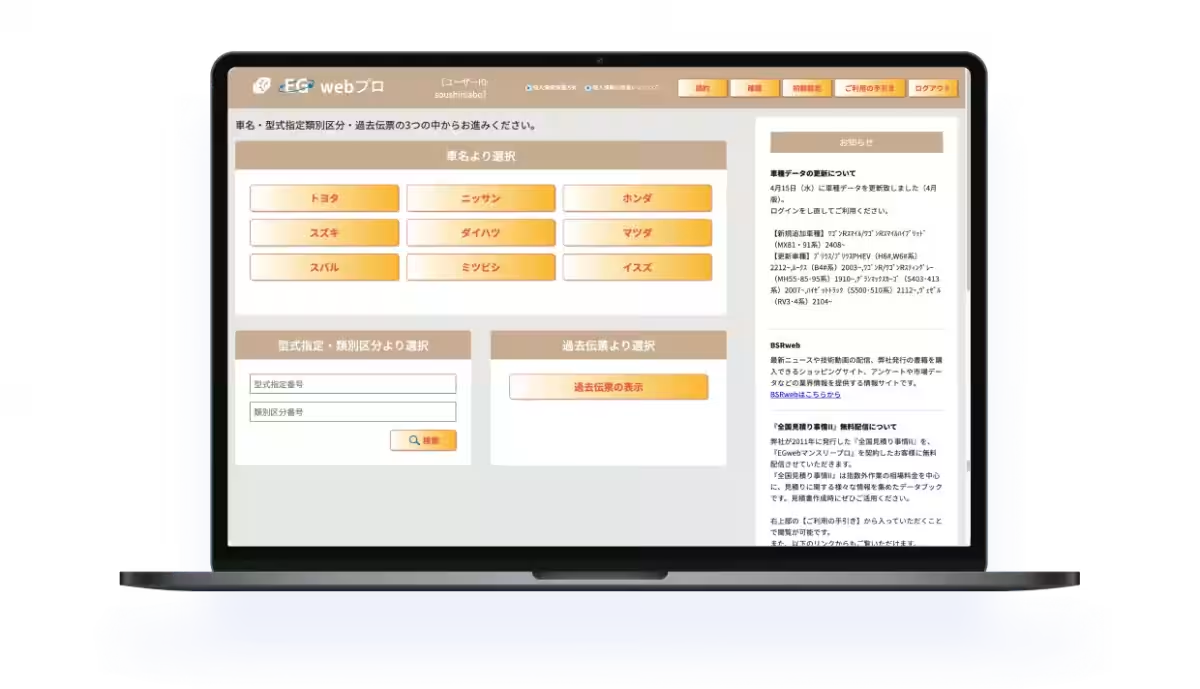
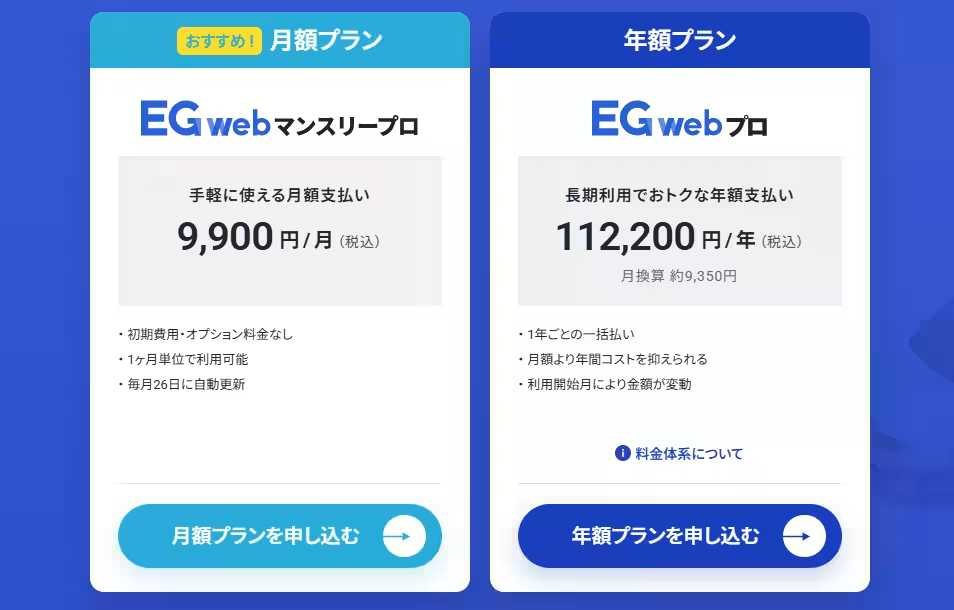
Ultimately, leveraging technology, streamlining processes, and offering rich insights into service functions will be vital in maintaining customer confidence and improving operational efficiency in the automotive repair industry. Companies like Proto Rios are already paving the way for innovative solutions, such as their cloud-based service, EGweb Pro, designed specifically to aid in making the estimation process simpler and more intuitive. As we advance, creating a balance between consumer expectations and operational feasibility will be crucial in the automotive servicing landscape.
Topics Consumer Products & Retail)
【About Using Articles】
You can freely use the title and article content by linking to the page where the article is posted.
※ Images cannot be used.
【About Links】
Links are free to use.