



Increasing English Conversation Success: The Power of Regular Practice Over Vocabulary Mastery
Unlocking the Secrets of English Learning Success
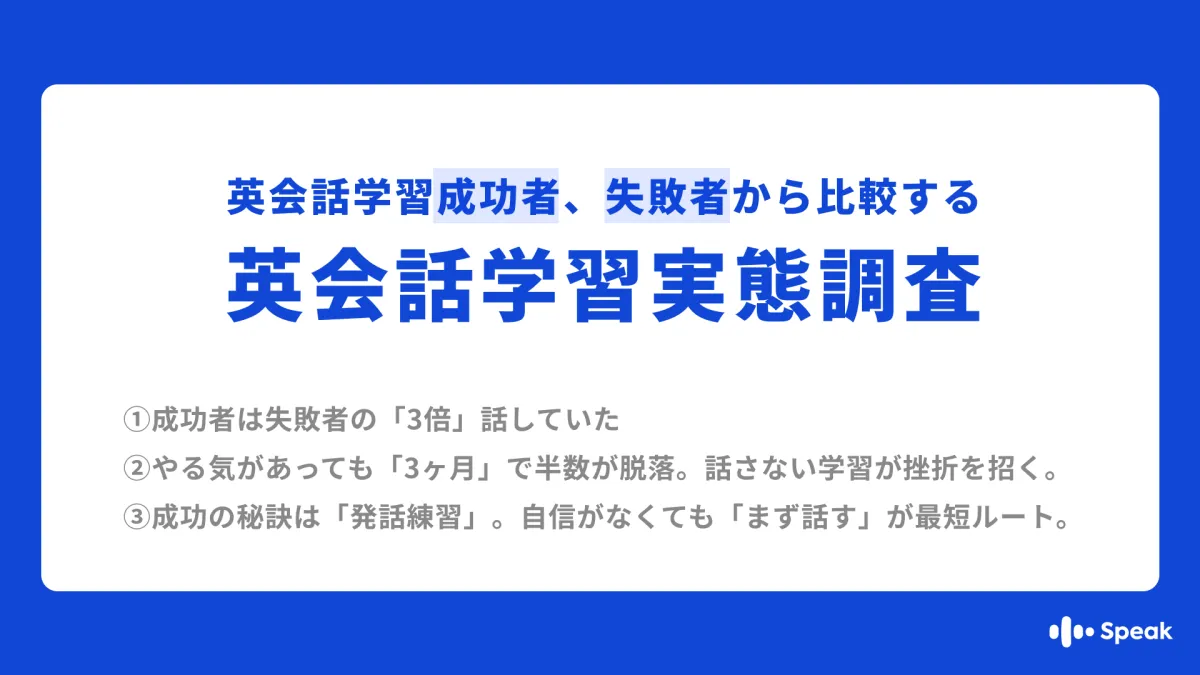
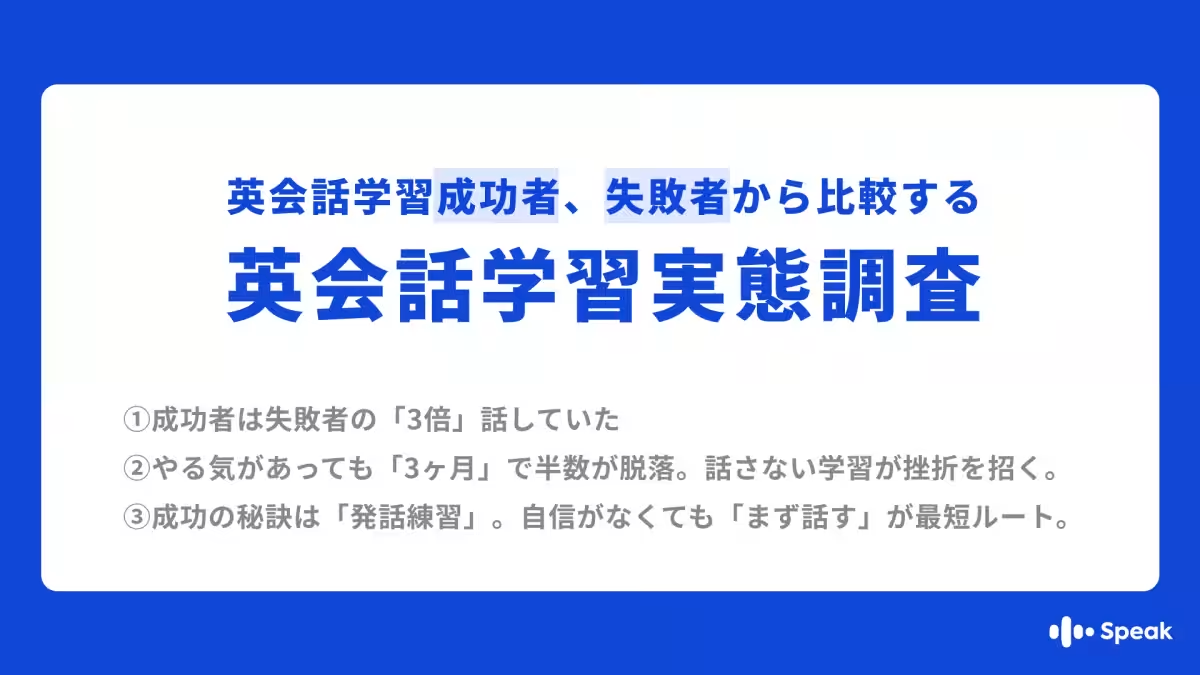
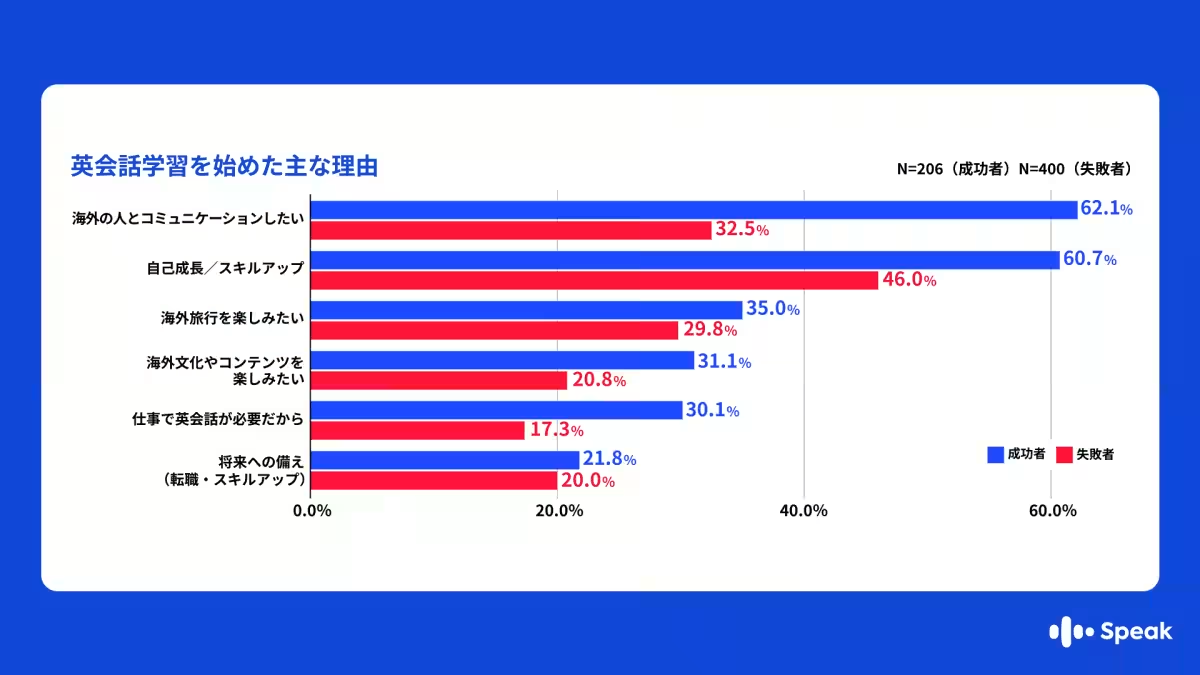
In the realm of English conversation learning, recent findings suggest a critical divergence between those who succeed and those who don’t. A study commissioned by AI conversation app Speak Japan, under the supervision of Professor Hideo Mori from Reitaku University, analyzed the habits of 606 English learners, distinguishing between 206 successful individuals and 400 who faced barriers in their studies.
Key Findings from the Study
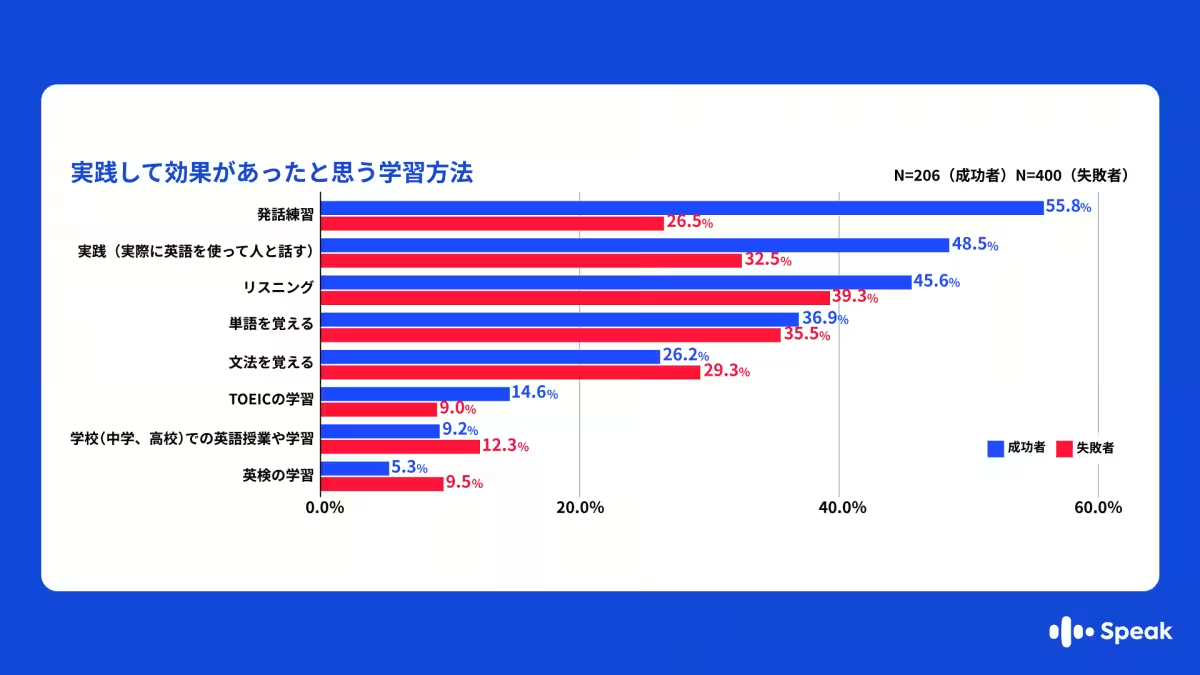
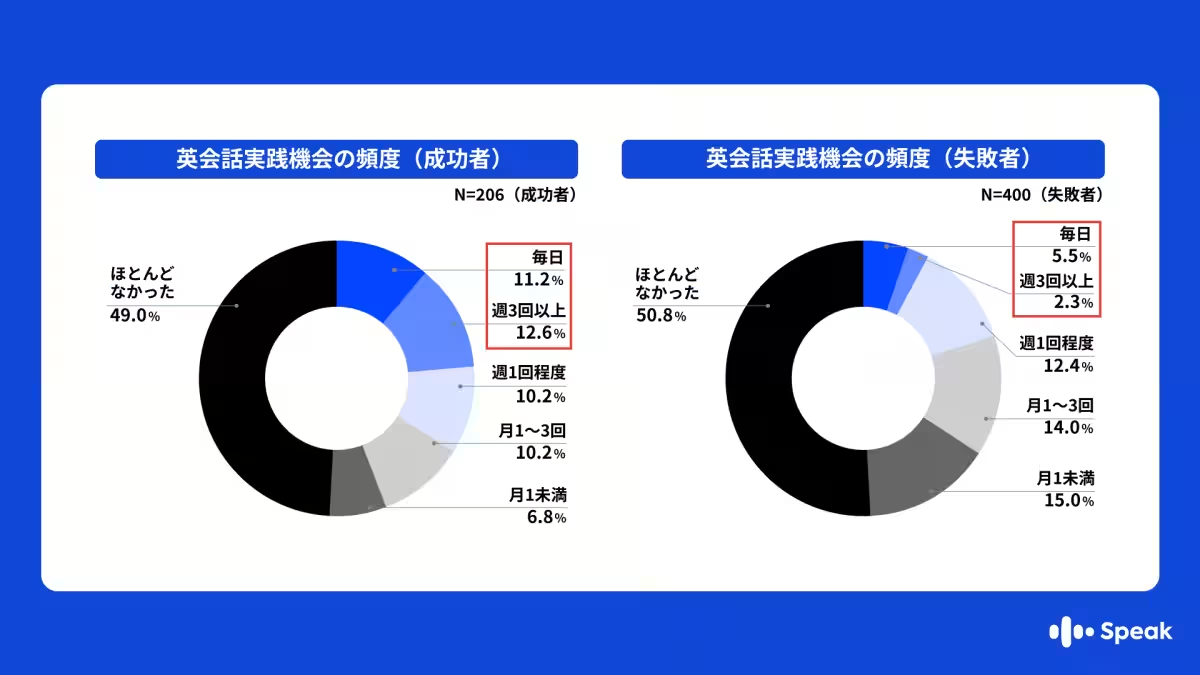
One striking conclusion is that successful learners engage in conversation activities approximately three times more frequently than their unsuccessful counterparts. This places an emphasis not merely on the amount of vocabulary or grammar knowledge, but rather on output frequency during the initial learning stages – a factor that evidently plays a pivotal role in determining one’s mastery of English.
The Role of Speaking Frequency
The investigation uncovered a notable difference in how often learners speak English: a robust 23.8% of successful learners speak three times a week or more, compared to a mere 7.8% among those who struggle. This disparity highlights a crucial point: the act of speaking itself is an essential part of language acquisition, calling into question the traditional approach of prioritizing listening or grammar study alone.
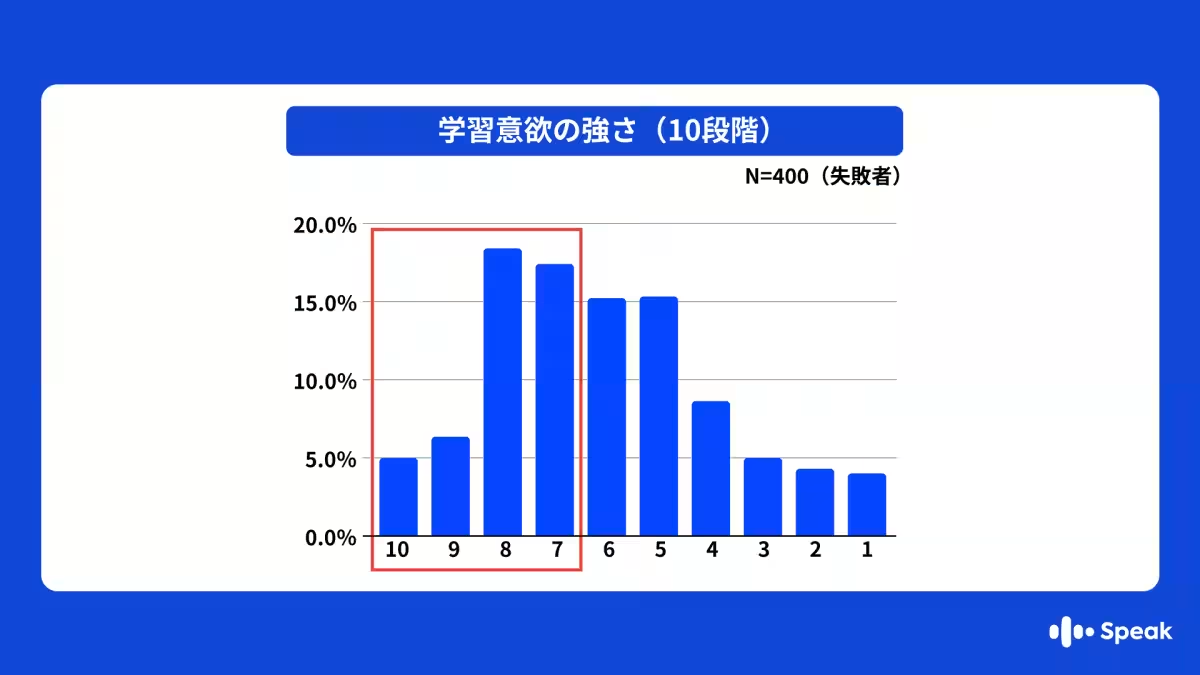
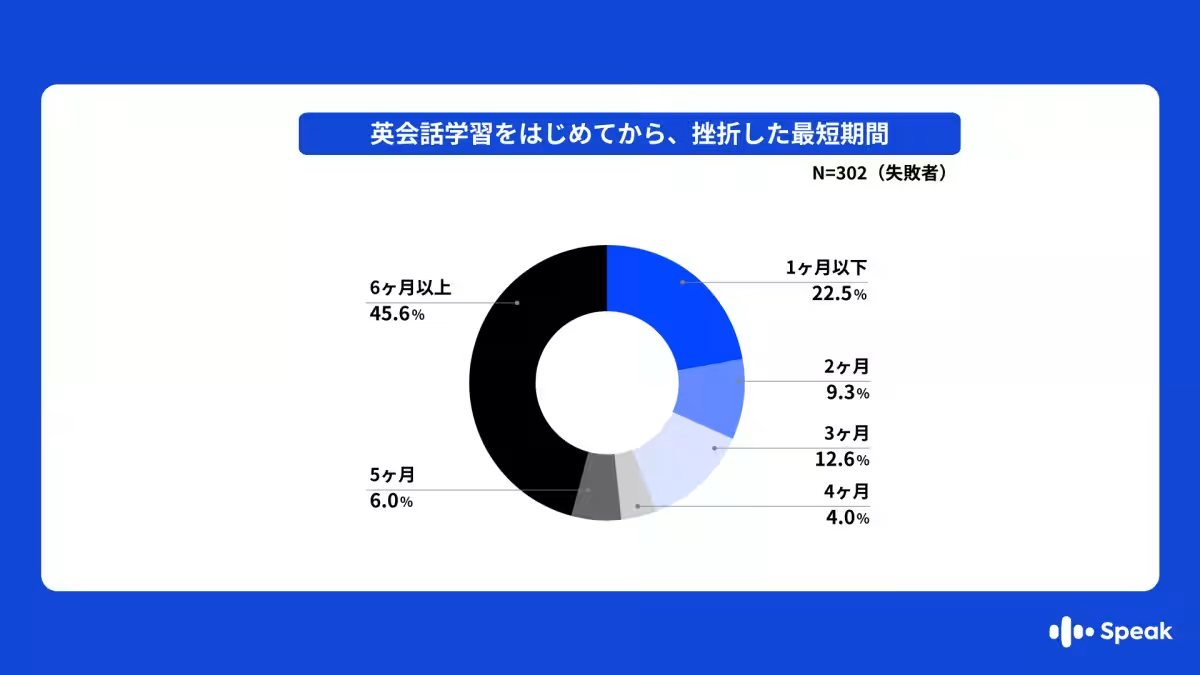
Additionally, the survey revealed that nearly half of those who failed to continue their studies withdrew within three months, regardless of their initial motivation, which was rated highly on a 10-point scale. This duration, often referred to as the 'three-month barrier,' underscores the significance of sustained speaking practice as the determining factor for long-term success in language learning.
Psychological Barriers
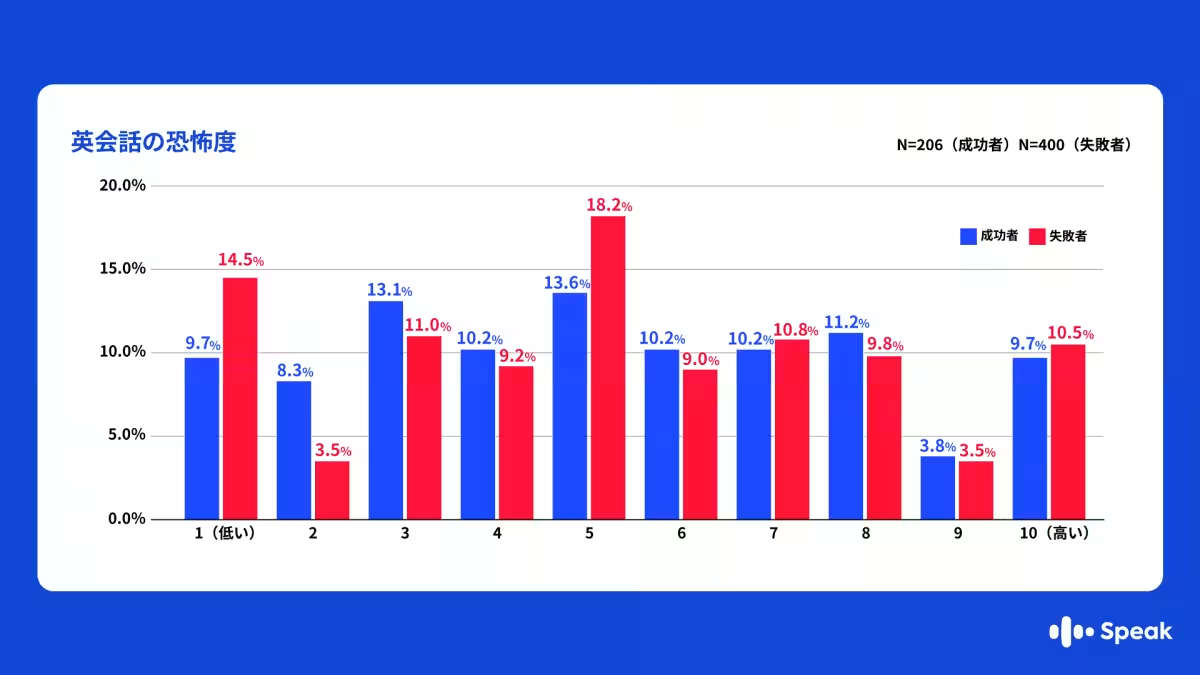
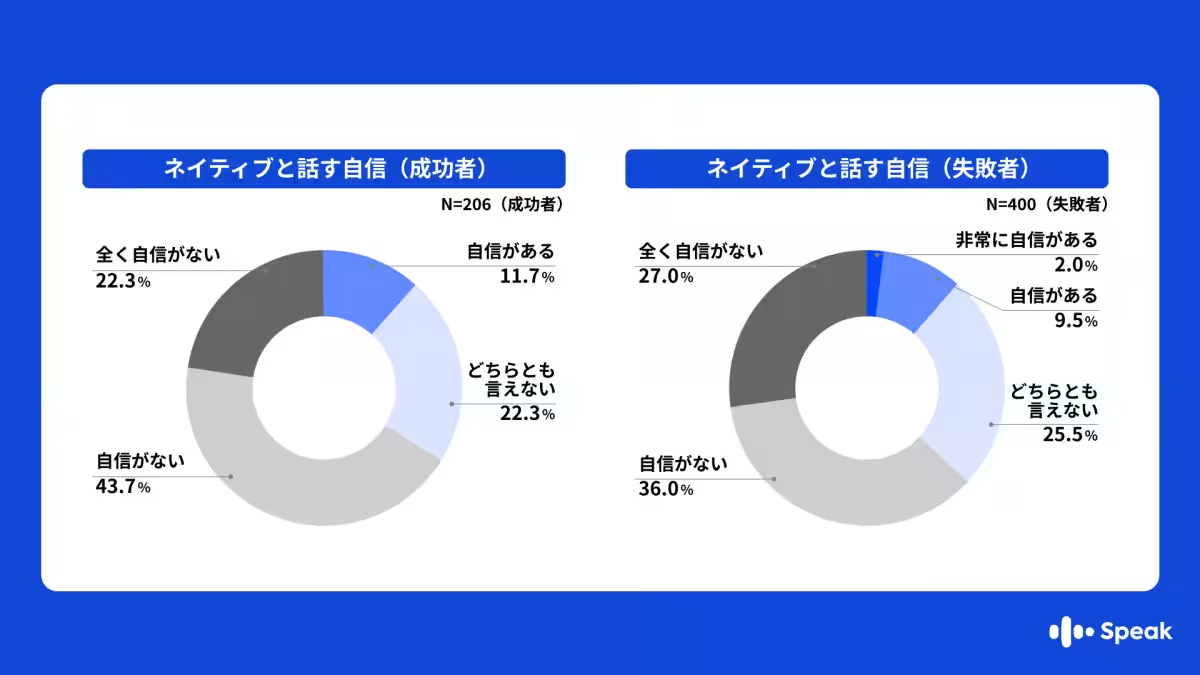
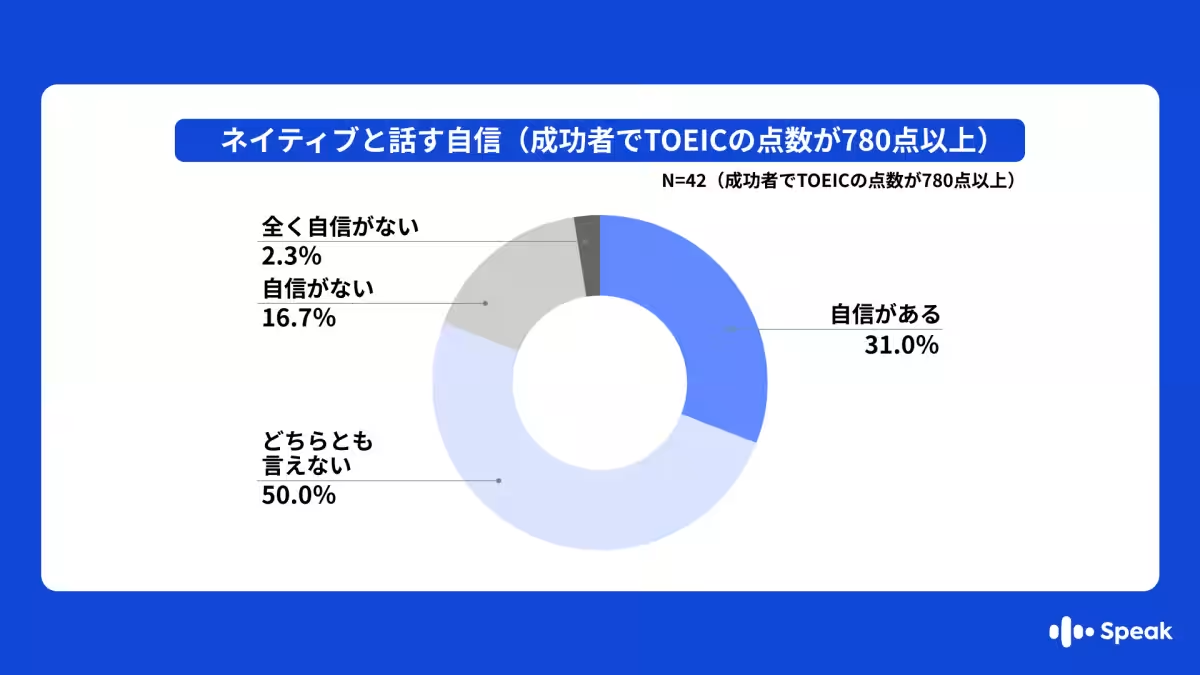
Another critical finding from the study is the psychological hurdles that both successful and unsuccessful learners face. Approximately 90% of successful English learners expressed a lack of confidence in their speaking ability. This phenomenon, referred to as 'fear of speaking,' often persists regardless of their proficiency level, indicating that emotional challenges in communication can be as significant as the linguistic hurdles themselves. Both groups expressed a high fear of making mistakes when speaking to native speakers, which contributes to a reluctance to practice.
Insights and Recommendations
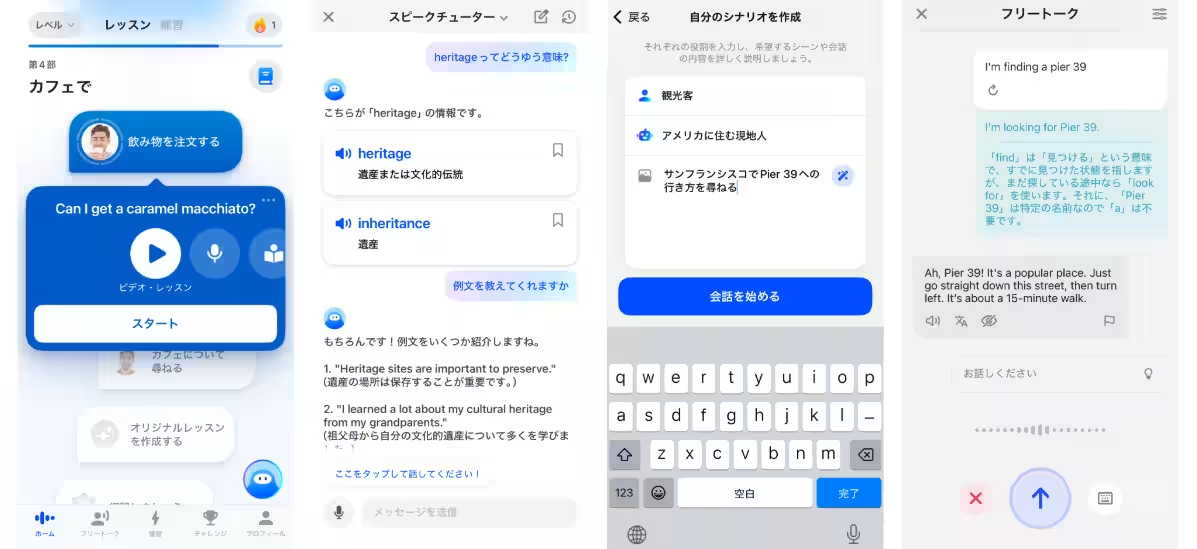
Based on these findings, Speak Japan is launching a New Year Discount Campaign starting January 1, 2026, aimed at addressing the issues of insufficient output and the psychological barriers that inhibit progress. The campaign encourages learners to focus on outputs through real conversations, positing that


Topics Other)
【About Using Articles】
You can freely use the title and article content by linking to the page where the article is posted.
※ Images cannot be used.
【About Links】
Links are free to use.