



The Introduction of Compact Humanoid 'D1' to Care Facilities by ZEALS in Japan
The Introduction of Compact Humanoid 'D1' in Care Facilities
In a significant advancement in the field of elderly care, ZEALS Co., Ltd., headquartered in Tokyo, has introduced its compact humanoid robot, 'D1', to a care facility operated by the Sakura Juji Group. This deployment took place over two days, from September 10 to September 11, 2026, at the Hospitalment Bunkyo Sendagi, marking a notable step towards integrating technology in daily care operations.
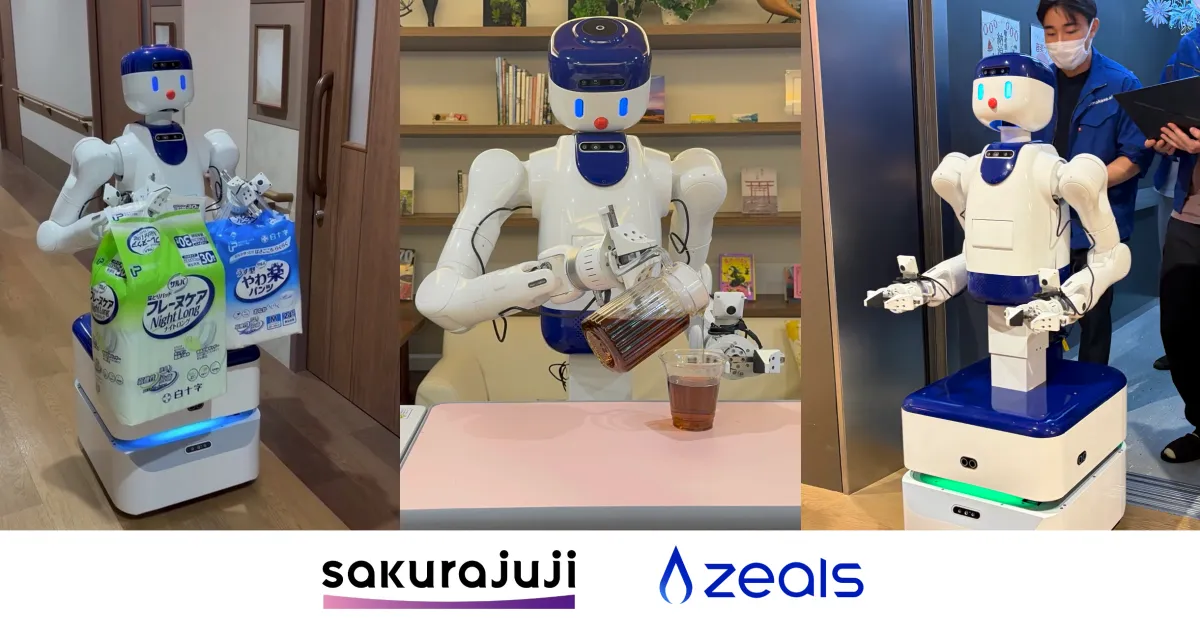
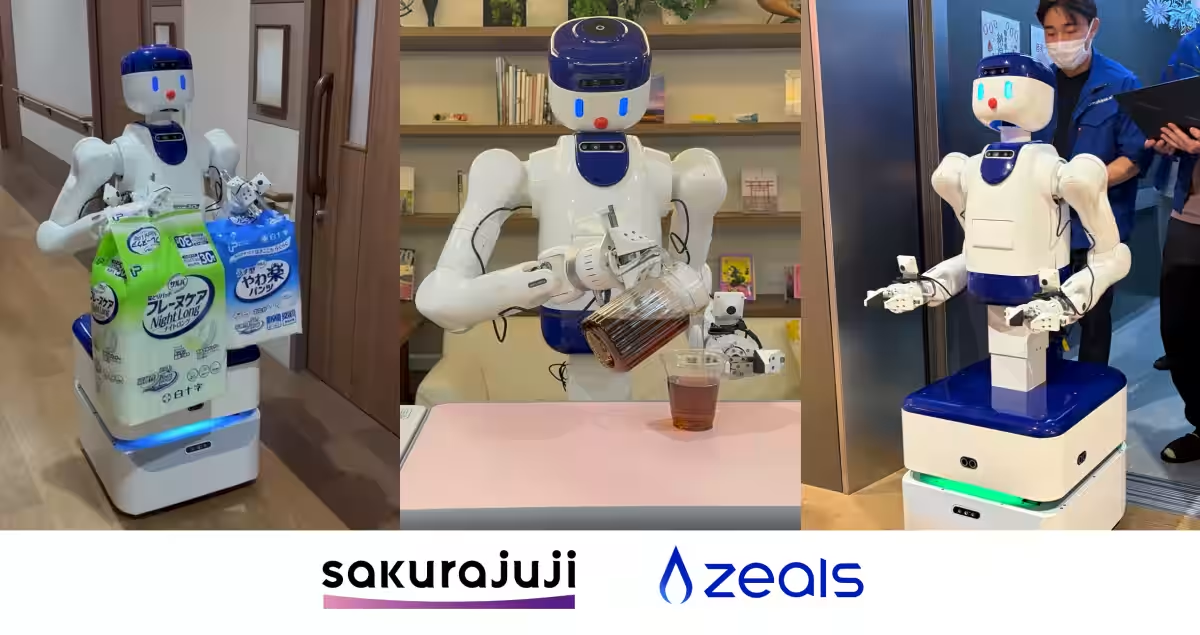
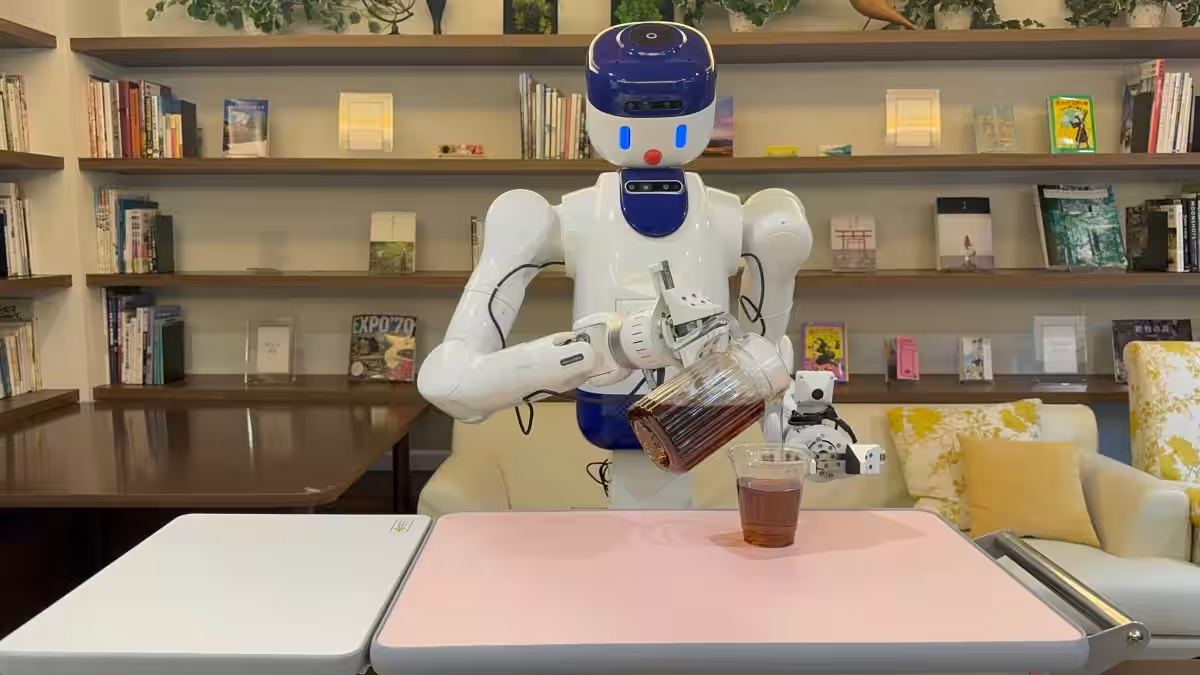
The D1 humanoid robot has undergone trials before in medical settings, but this marks the first time it has been tested in a care facility where residents live daily. The experiment aimed to evaluate three specific tasks: navigating the facility using elevators, transporting lightweight items, and pouring tea from a pot into cups.
Background of the Experiment
In care facilities, staff members, including caregivers and nurses, not only provide essential care to residents but also perform numerous operational tasks such as the transportation of supplies, preparation of drinks, and guiding visitors around the premises. These repetitive tasks can lead to physical and time-related strain on staff. By automating some of these functions with robots, caregivers can focus more on meaningful interactions with residents, improving the quality of care.
The D1 robot's application at the care facility was crucial for understanding how humanoids can perform tasks in environments where careful consideration of residents' safety and daily rhythms is necessary. Thus, ZEALS, in partnership with Sakura Juji Group, explored the robot's capabilities beyond hospital settings.
Overview of the Trial
- - Date: September 10-11, 2026
- - Location: Hospitalment Bunkyo Sendagi
- - Robot Used: Compact humanoid 'D1'
- - Implementing Entity: ZEALS Co., Ltd.
- - Collaborators: Sakura Juji Group, Hospitalment Bunkyo Sendagi
During the first day, the D1 was set up, connected to the network, and its navigation system was calibrated using a drafted map of the facility. On the second day, the team evaluated the robot's performance and collected operational data based on prior adjustments.
Key Trial Tasks
1. Navigating the Facility
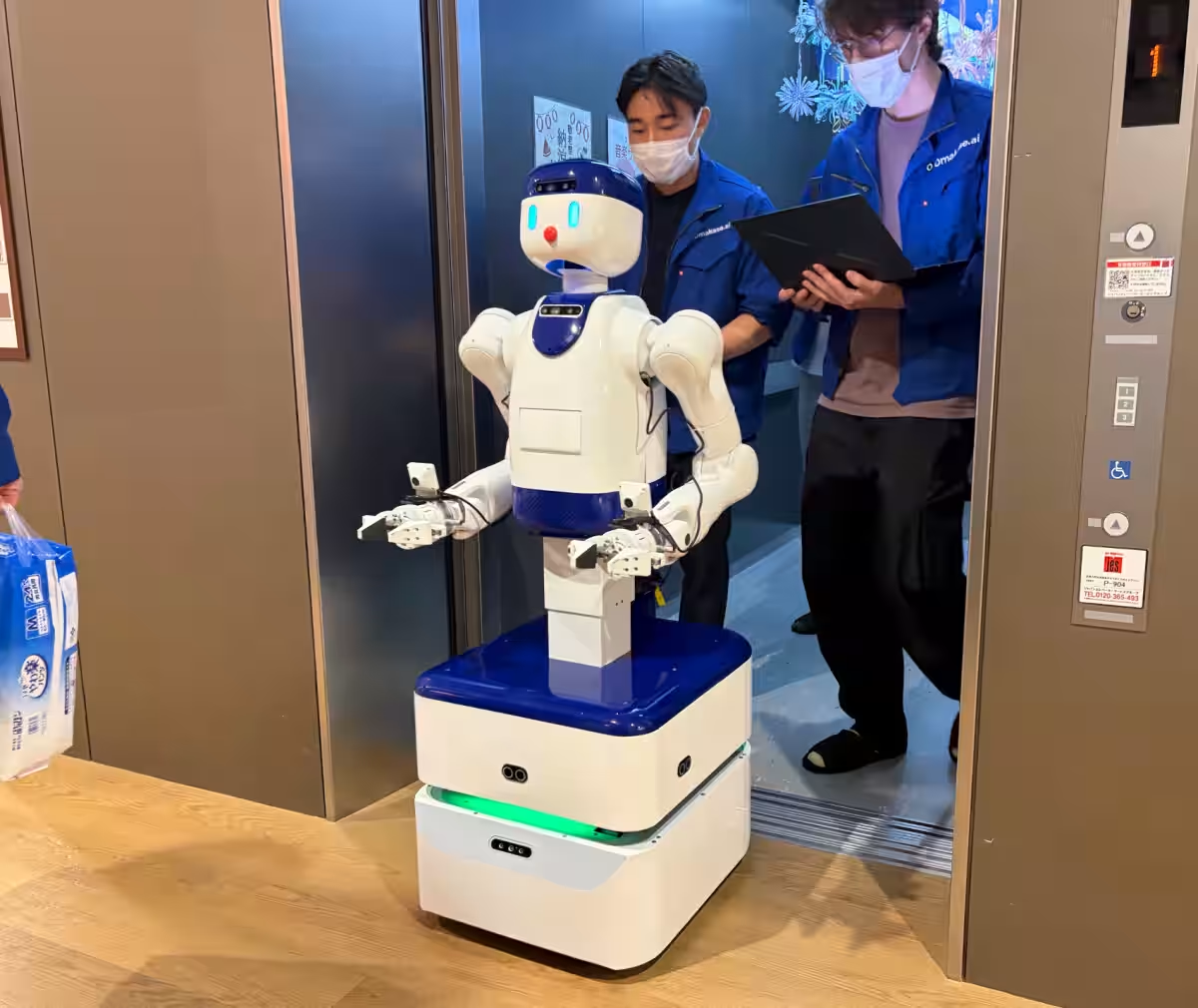
- D1 autonomously moved through hallways and common areas following a pre-acquired facility map. It demonstrated the ability to guide staff and visitors to various locations, including the reception, bathroom, and elevators. During elevator rides, D1 adeptly entered alongside users and continued guiding them to their destinations on arrival.
- Throughout its operation, D1 maintained situational awareness by detecting and adapting to the movements of both residents and staff within the facility. This level of interaction demonstrated its potential for practical deployment in everyday care settings.
2. Transporting Lightweight Items
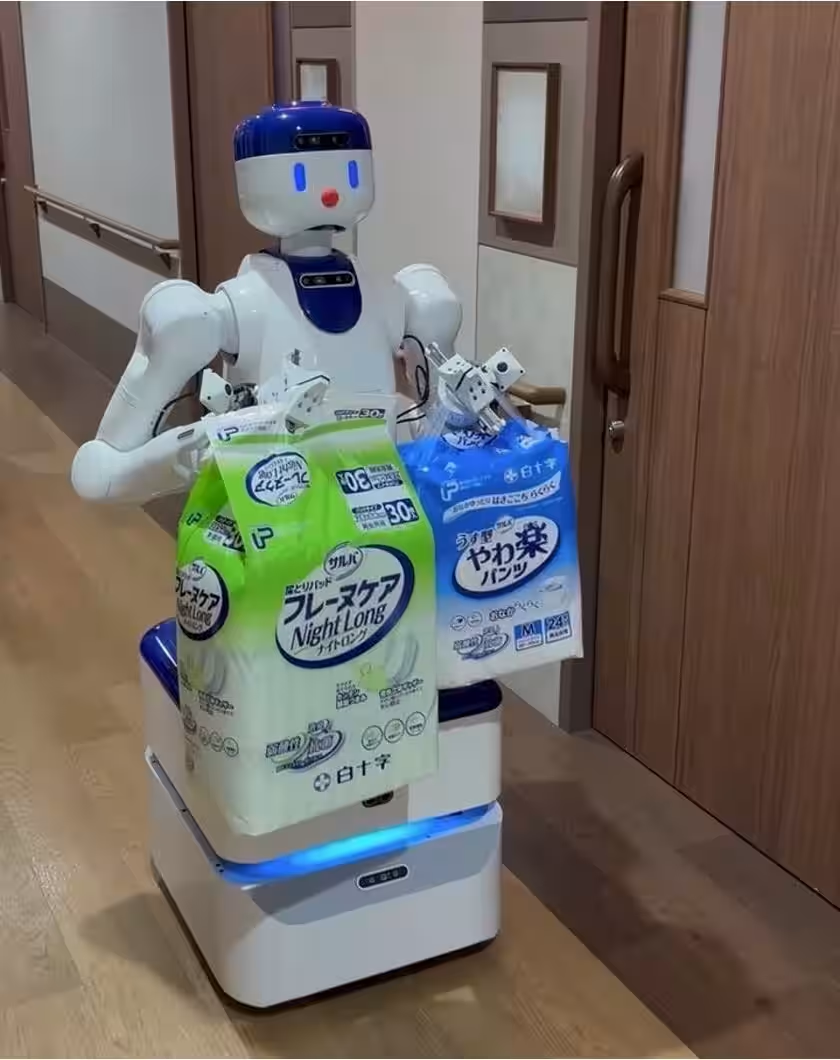
- Unlike the medical environment where tasks often involve handling medical supplies, care facilities require moving various items, including personal belongings of residents. The D1 was tested for these logistics, successfully picking up items from staff and delivering them to designated rooms. This included real-time deliveries such as care products and grocery orders from residents.
- Determining the weight and shape of items that the D1 can carry was a crucial aspect of this trial, confirming its functionality in supporting daily operational tasks.
3. Pouring Tea
- Researchers tested D1's ability to autonomously pour tea into cups. The robot recognized the positions of both the pot and the cup, and adjusted its actions to regulate the amount of liquid being poured based on real-time observations. This capability showcases D1's potential for precise manual tasks within care settings.
- Although challenges remain in ensuring consistency in its operations, the data collected during this trial will guide improvements in its learning and execution of tasks.
Significance and Future Outlook
The trial at the care facility reflected the potential for D1 to assist in environments varying vastly from hospitals. Over the two-day trial, D1 operated actively for a total of 15 hours, confirming its utility within a care setting. This initiative not only illustrated D1's operational capabilities but also highlighted the transformative potential of humanoid robots in alleviating staff burdens and enhancing care quality.
The feedback from staff and residents was overwhelmingly positive, indicating that D1 integrated smoothly into the care environment without causing discomfort or resistance among residents.
Looking ahead, ZEALS aims to refine the tasks performed by D1 based on insights gained from this trial, further exploring its practical applications across other facilities under Sakura Juji Group. As society grapples with labor shortages in caregiving, the prospect of humanoid robots like D1 becoming essential team members in this field is not just a possibility; it's an imperative that could significantly enhance both the efficiency and quality of care delivered.
For further information on the D1 humanoid, visit D1's Official Site.
About ZEALS Co., Ltd.
Founded in 2014, ZEALS is at the forefront of developing AI-driven solutions, including the D1 humanoid, aiming to revolutionize and support caregiving practices in Japan. The company's dedication to enriching lives through technology positions it uniquely in the burgeoning field of humanoid robotics.
Topics Consumer Products & Retail)









【About Using Articles】
You can freely use the title and article content by linking to the page where the article is posted.
※ Images cannot be used.
【About Links】
Links are free to use.