



Understanding FAGA Treatments: What Women Look for in Clinics
Understanding FAGA Treatments: What Women Look for in Clinics
In recent years, hair loss, particularly Female Androgenetic Alopecia (FAGA), has become a prominent issue among women. The Tokyo-based company Pikapaka recently conducted a survey targeting 100 women who have experience with hair loss treatment. This survey aimed to uncover the real stories of women dealing with FAGA, focusing on what prompts them to seek treatment, how they choose clinics, the costs associated, and the time it takes to see results.
The Prevalence of FAGA among Women
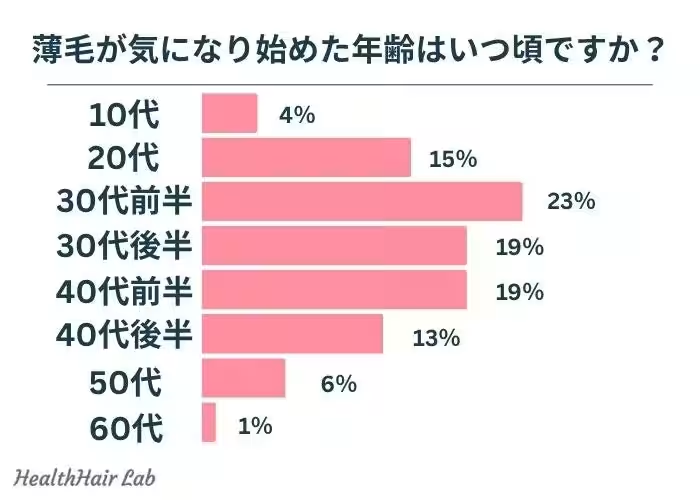
FAGA often emerges as a sensitive issue for women, who may hesitate to discuss their concerns with others. Particularly in the fall, seasonal changes can exacerbate hair loss, prompting more women to notice thinning hair. The survey's findings revealed that the awareness of hair loss typically begins in the 30s, with significant stressors like work-related pressure and hormonal changes from pregnancy contributing to the condition.
Reasons for Seeking Treatment
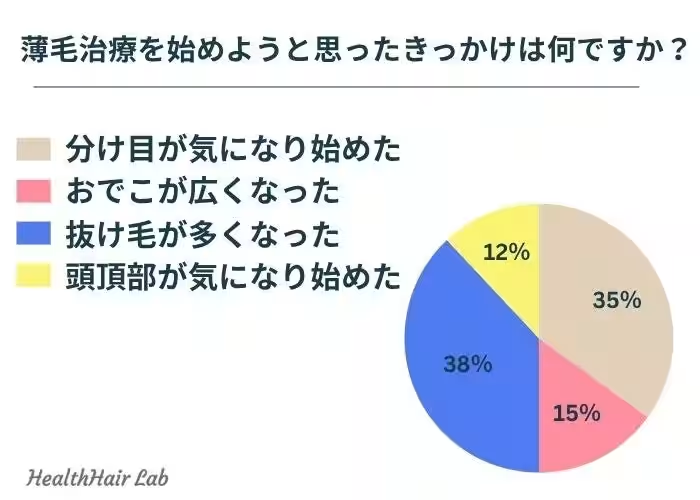
When asked about their motivations for starting treatment, 38% of respondents cited increased hair loss as the primary reason, while 35% were concerned about their parting line. Other notable reasons included a widening forehead and awareness of thinning on the crown. For many women, signs appear during styling routines or when noticing more hair than usual lost during washing or brushing. This highlights that concerns over hair thinning are widespread and not isolated experiences.
How Women Find Treatment Clinics
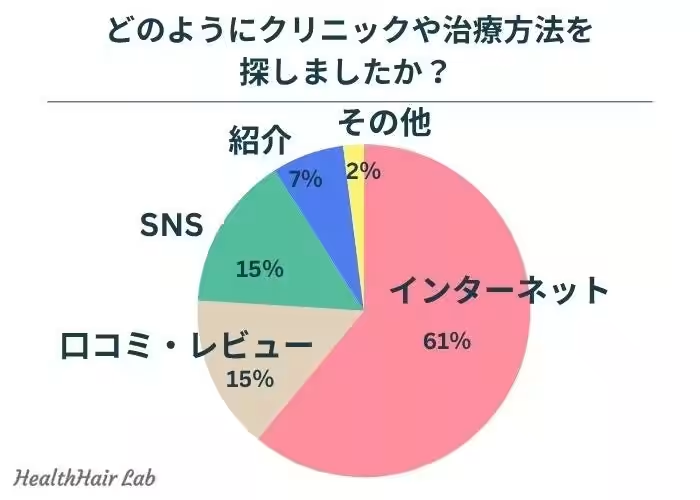
A look into how these women searched for clinics revealed that 61% utilized the internet for information, while 15% relied on reviews and another 15% turned to social media. The internet remains a crucial tool for collecting information on clinics and treatments, emphasizing the importance of personal testimonials in decision-making processes.
Pre-Treatment Measures
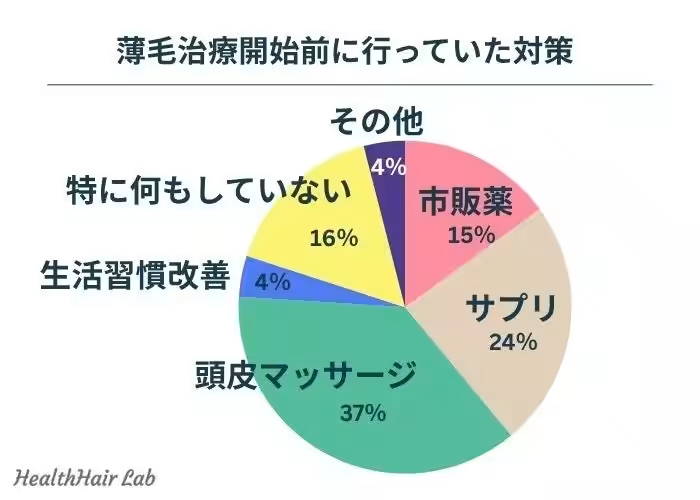
Before embarking on formal treatments, many women tried various strategies, with 37% opting for scalp massages and 24% using supplements. Others indicated they did not take any specific measures before starting treatment, highlighting a spectrum of approaches towards managing hair health prior to professional intervention.
Deciding Factors for Clinic Selection
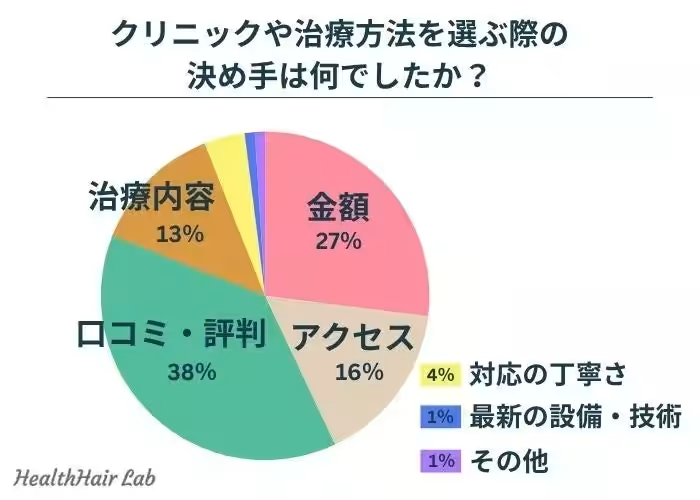
The survey also coupled insights on what influenced the selection of treatment clinics. A significant proportion (38%) prioritized reviews and reputation when making their choice, followed by treatment costs (27%) and access to the location (16%). As people consider long-term commitments to treatment, these practicalities heavily factor into their decisions.
Treatment Types Pursued
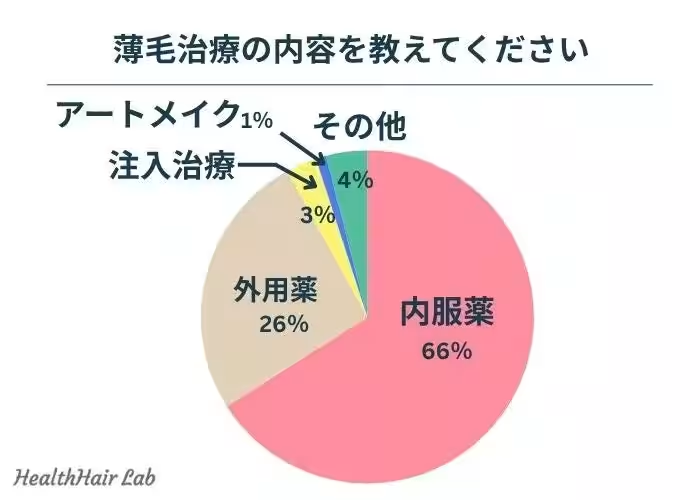
When discussing the types of treatments received, 66% reported using oral medications, making it the most popular choice. In contrast, 26% opted for topical treatments, and only a small fraction pursued injections or tattooing for hairline adjustment. The tendency towards oral medication indicates a preference for convenient, user-friendly options that can easily fit into daily routines.
Understanding the Costs of FAGA Treatment
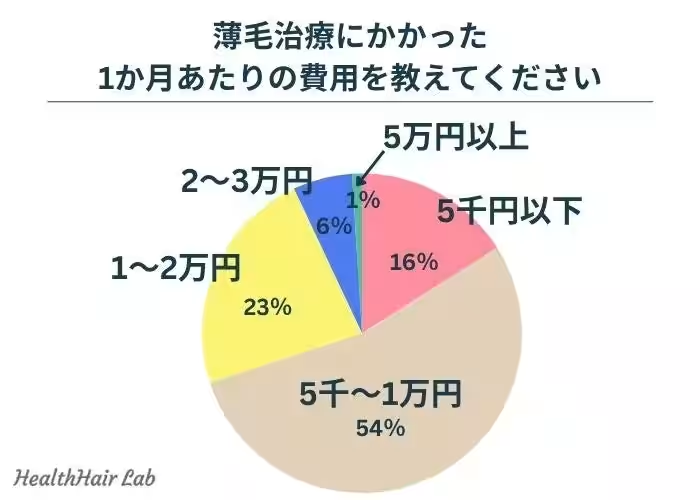
Financial considerations reveal that 54% of participants spent between 5,000 to 10,000 yen per month on treatment, with a large portion of respondents indicating this as a feasible investment for their health. By starting with affordable options like topical and oral medications, women find a way to manage costs while addressing their hair concerns.
Duration of Treatment
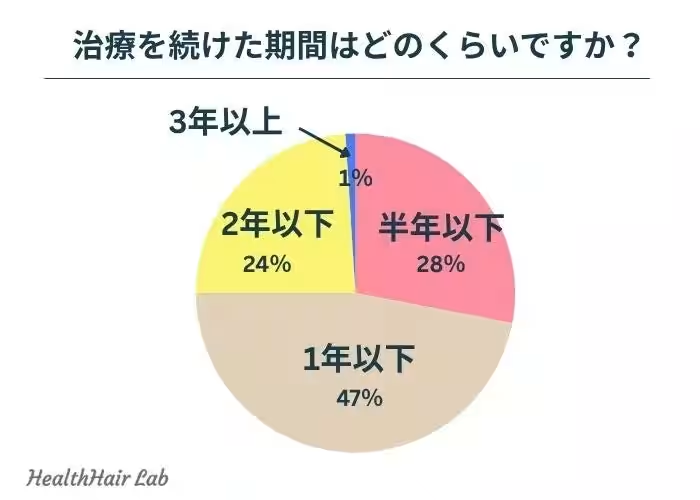
The duration of treatment varied among respondents, with a large portion (47%) undergoing treatment for less than a year. Most reported a gradual improvement over time, with sustained effort and continuing treatment playing crucial roles in effectiveness.
When Results are Noticed
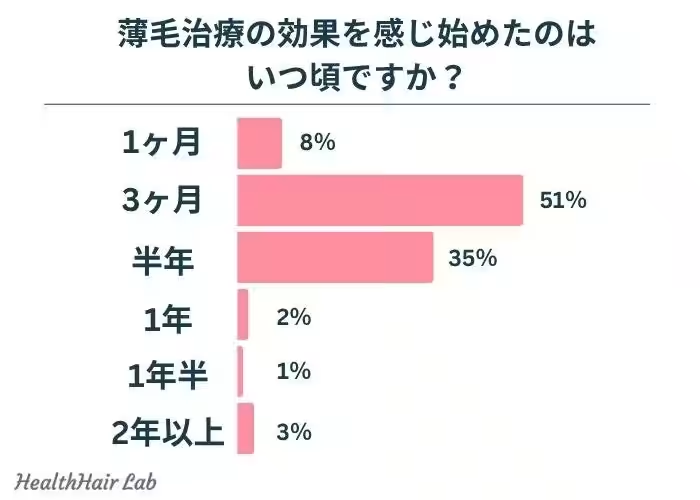
Timeframes for noticing results showed that the majority began to see improvements around the three to six-month mark, highlighting the importance of patience and consistent care in treatment journeys.
Satisfaction with Online Consultations
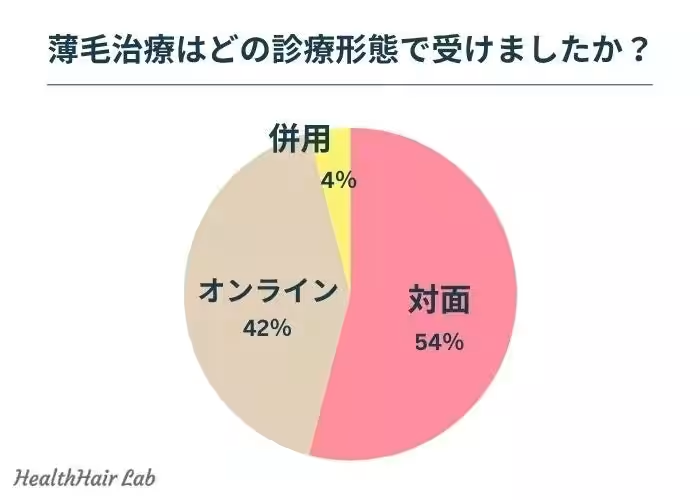
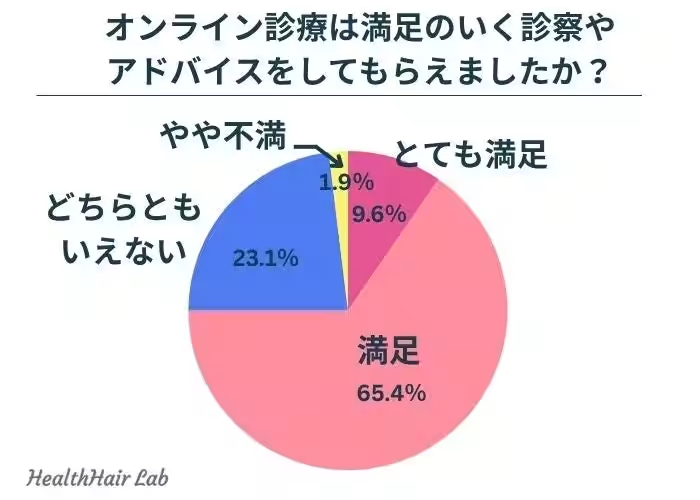
With the rise of telemedicine, many women also opted for online consultations. A significant 65% felt satisfied with their virtual visits, indicating that remote medical services are becoming an acceptable alternative that offers convenience and privacy.
Conclusion
In summary, the survey results underscore that motivations for seeking FAGA treatment are predominantly driven by concerns over hair loss and appearance. A majority utilize digital resources to inform their decisions regarding clinics, and the rising satisfaction with online consultations suggests a shift in how women can receive care. With averages costs remaining accessible, more women may feel empowered to prioritize their hair health as fall approaches, a time when hair loss can peak due to environmental stressors. The journey to recovery requires understanding and patience, yet initiating treatment is crucial for successful outcomes.
For further insights and support, visit HealthHairLab, where expert advice regarding hair health is readily available. For the detailed survey results, please visit HealthHairLab's articles.
Topics Health)
【About Using Articles】
You can freely use the title and article content by linking to the page where the article is posted.
※ Images cannot be used.
【About Links】
Links are free to use.