



Innovative Program for Healthier Work Environments: Addressing High Triglyceride Levels
Addressing High Triglyceride Levels Through Structured Workplace Programs
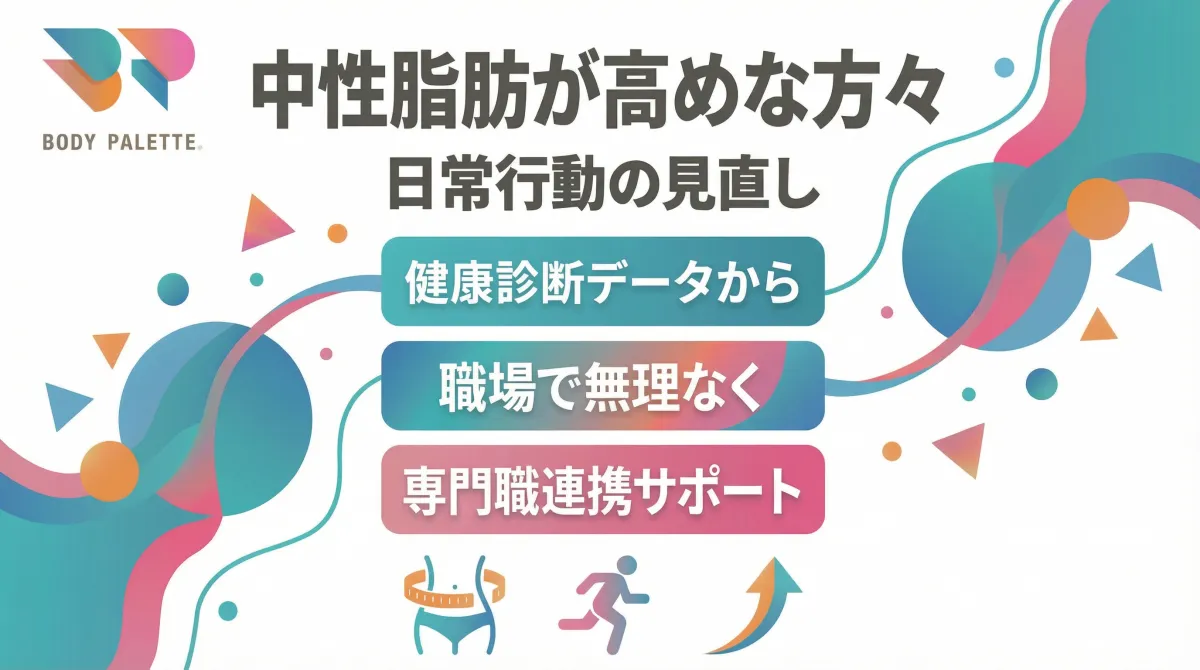
Fractal Workout Co., Ltd., based in Shibuya, Tokyo, has launched a new initiative under their health support service "BODY PALETTE," which focuses on improving the health of employees by addressing elevated triglyceride levels identified through health check data. The program aims to assist organizations in creating sustainable dietary habits and daily activity adjustments. By leveraging insights from health exercise instructors and registered dietitians, the initiative emphasizes the importance of collective workplace efforts rather than relying solely on individual commitments.
Key Points of the Program
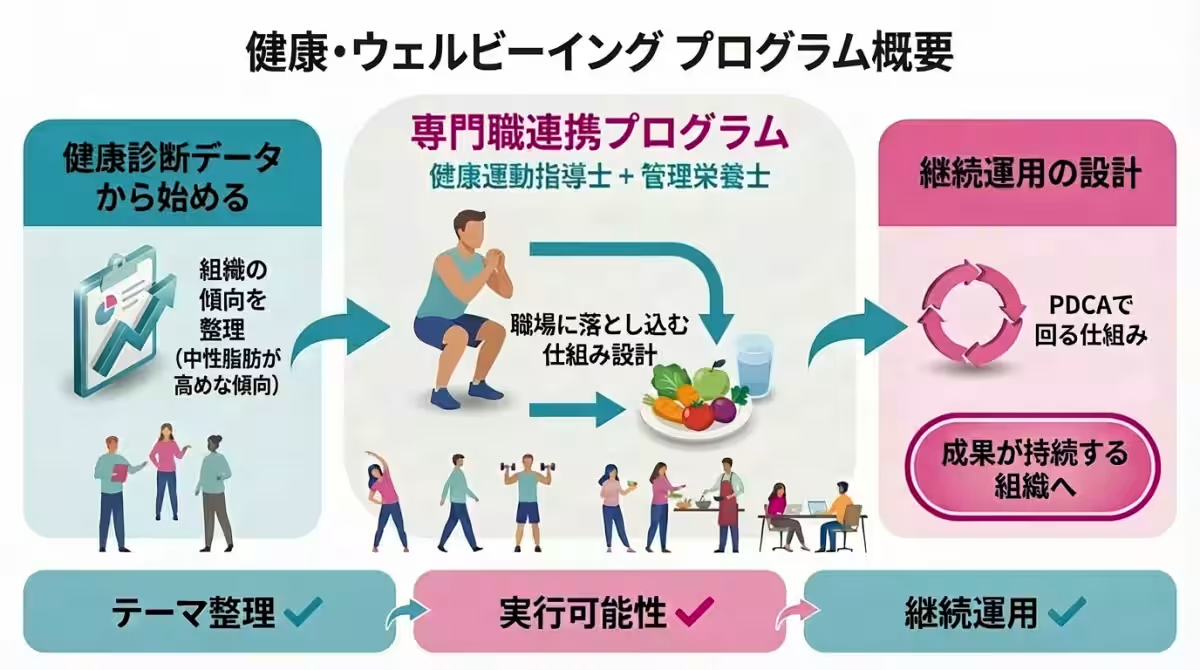
- - The program organizes themes based on health check data, specifically targeting organizations with identified trends of high triglyceride levels.
- - It fosters collaboration between health exercise instructors and registered dietitians to create practical frameworks for improving dietary habits and daily activities at work.
- - To ensure long-lasting impact, the program incorporates awareness, participation, and operational rules, moving beyond one-off initiatives to sustainable practices.
Understanding the Terminology
- - Health Check Data: Refers to the health examination results retained by the company, used to identify trends within the organization.
- - Triglycerides: A health check parameter that serves as a trigger for reviewing dietary habits and daily activities.
- - Professional Collaboration Program: A framework for establishing structured and easily executable health initiatives within companies, drawing on health check data and the expertise of diverse professionals.
- - BODY PALETTE: Fractal Workout's health support service directed towards corporate clients.
The Context of Health Management
Health management is often initiated through compliance measures, information dissemination, and one-time events; however, challenges frequently arise over time. Companies often encounter issues such as:
- - Initiatives that do not translate into actionable change in employee behavior.
- - Repetitive actions that lose their effectiveness over time.
- - Increased burden on designated personnel involved in health management efforts.
High triglyceride levels are influenced by various lifestyle factors, including dietary habits, eating times, social dining, snack consumption, remote work routines, and overall activity levels. Therefore, establishing organized themes in the workplace is crucial to facilitate dietary and activity improvements collectively rather than depending on individual effort alone.
Challenges in Organizations with High Triglycerides
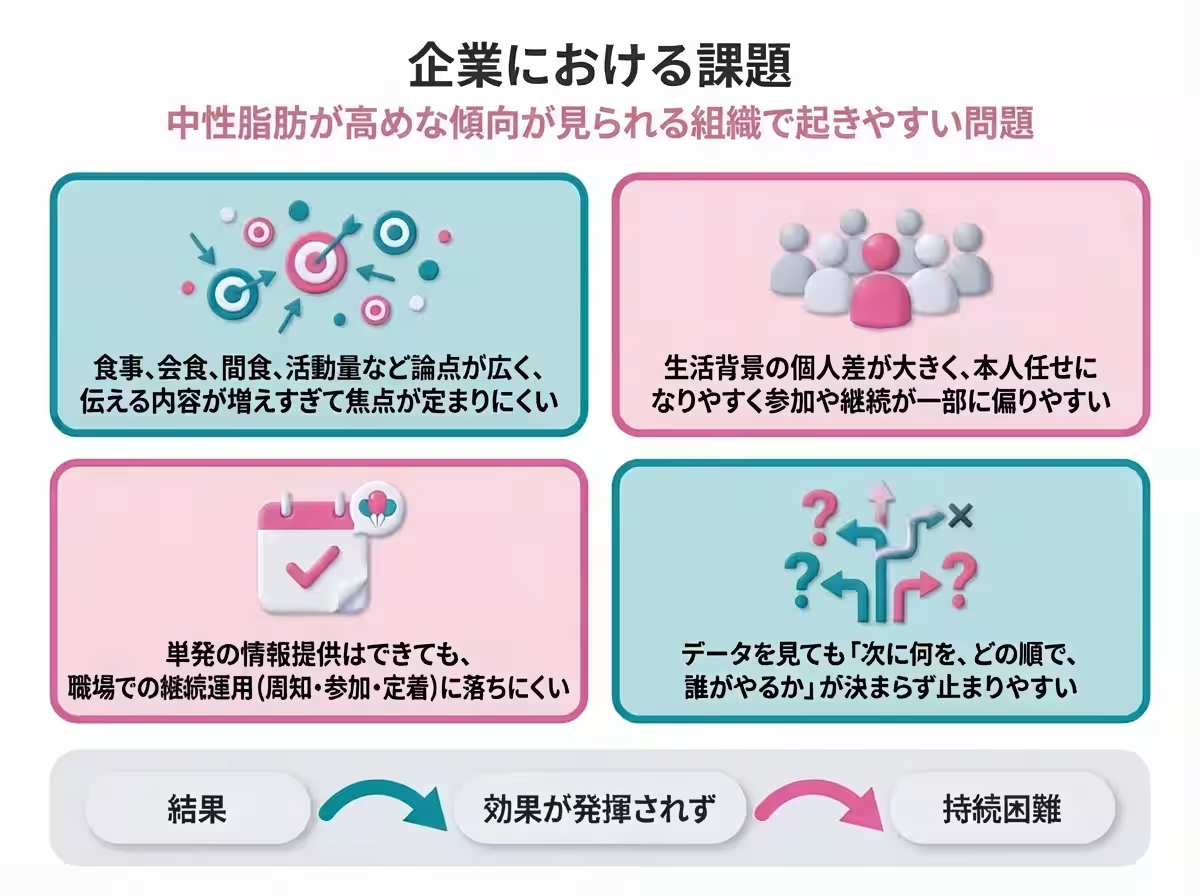
Organizations showing tendencies of high triglycerides may face common challenges:
- - A wide array of topics—diet, social dining, snacking, and physical activity—can make focused communication difficult.
- - Significant individual differences in personal lifestyles make participation uneven and reliant on individual motivation.
- - While information can be provided sporadically, sustainable implementation (awareness, participation, and solidification) in the workplace remains a challenge.
- - Data often leaves unresolved questions of prioritization and responsibility in taking actionable steps.
Overview of the Professional Collaboration Program
For organizations encountering high triglyceride tendencies, the program will be driven by two main points:
1. Transitioning dietary habits and daily activity adjustments from personal efforts to structured organizational practices:
- Identify behaviors that can fit into work routines without disrupting operations.
- Design methodologies covering awareness, participation pathways, and frequency of implementation.
- Establish a common language for communication at the organizational level rather than relying on individual guidance.
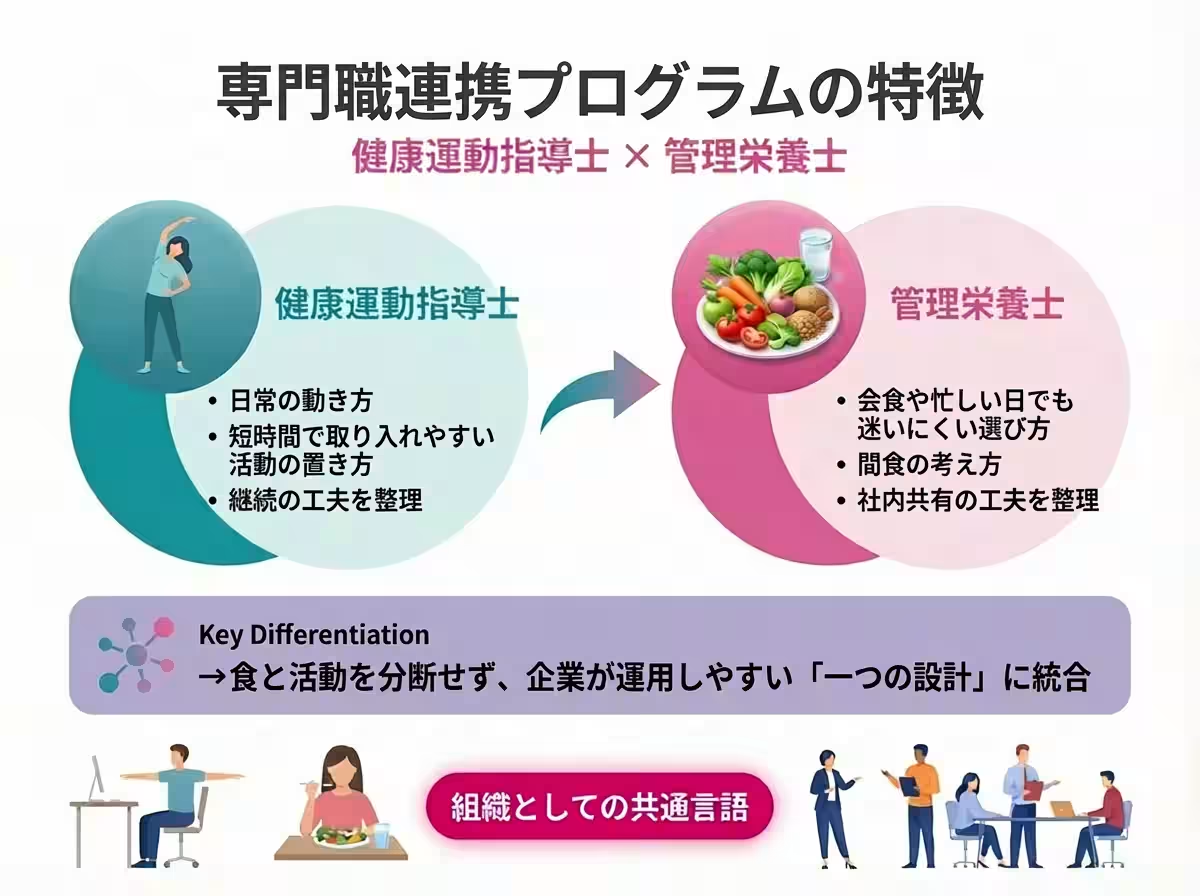
2. Unifying the design approach through collaboration between health exercise instructors and registered dietitians:
- Health Exercise Instructors: Develop strategies for incorporating daily movements and manageable activities into busy schedules to promote sustainability.
- Dietitians: Create approachable guidelines on making nutritionally sound choices during social gatherings and busy days while encouraging healthy snack options.
This unique feature ensures that dietary and activity strategies are not viewed in isolation, but integrated into one cohesive design, making it easier for companies to implement.
Program Steps for Effective Implementation
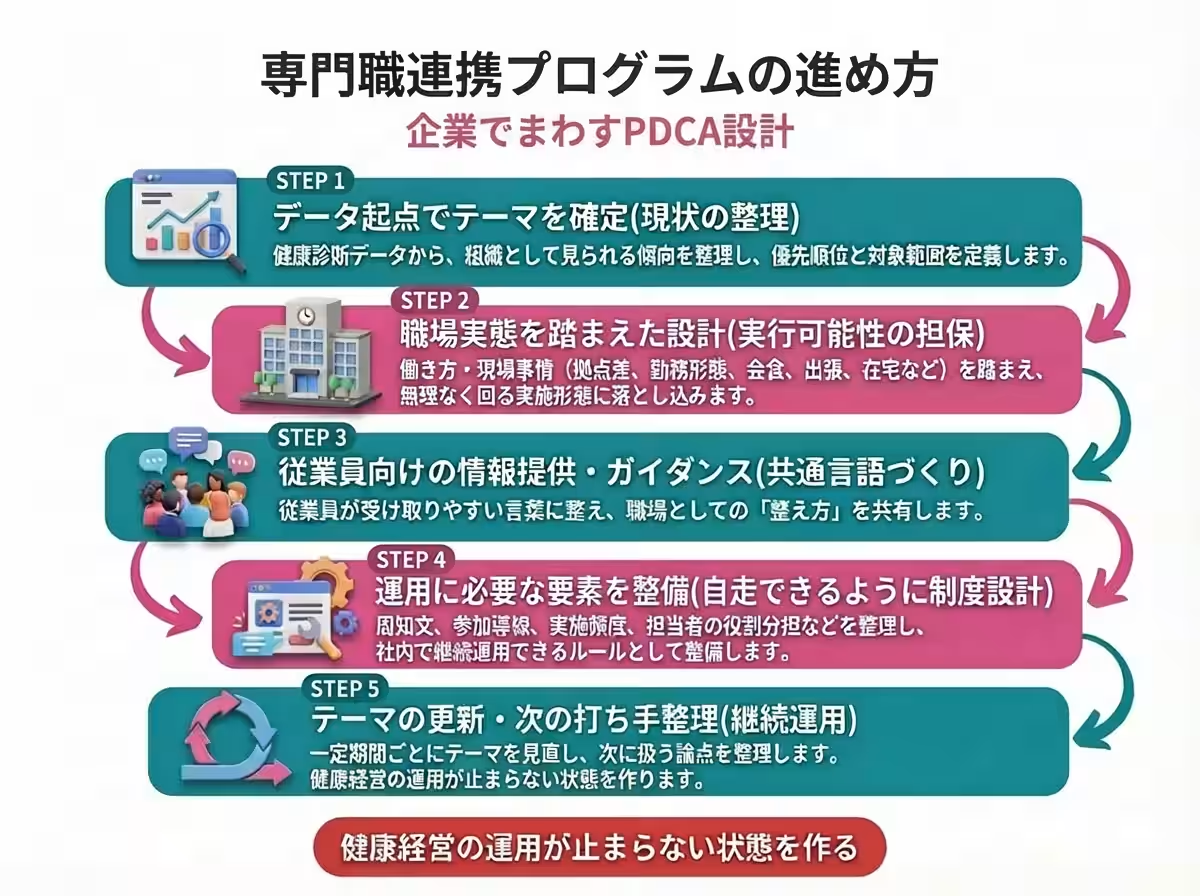
The program will proceed through the following structured process to ensure it does not lead to one-time actions but encourages ongoing operational success:
1. Identify Themes Based on Data: Analyze health check data to identify trends and establish priorities and target areas.
2. Design Based on Workplace Realities: Consider work styles and on-site factors (location variations, work forms, social gatherings, and remote work) to define feasible practices.
3. Inform and Guide Employees: Use accessible language to share best practices and collective “how-tos” with employees.
4. Establish Necessary Operational Components: Create guidelines for awareness, participation pathways, and roles within teams to enable sustainability within the company.
5. Regularly Review Themes and Next Steps: Continually assess themes and identify new topics to maintain a culture of health management that does not stagnate.
Call to Action for Corporate Stakeholders
High triglyceride levels linking dietary and exercise discussions can be challenging to implement within organizations. It is vital to structure themes and prioritize them based on health check data while aligning the roles of health exercise instructors and dietitians. By fostering a coordinated approach to dietary and activity improvements as collective efforts, organizations can develop sustainable health management practices.
This article aims to inspire corporate initiatives to evolve from merely "checking off a box" for health management to creating a truly ongoing and effective design for workplace health.
Topics Health)
【About Using Articles】
You can freely use the title and article content by linking to the page where the article is posted.
※ Images cannot be used.
【About Links】
Links are free to use.