



Recruitment Strategies for New Graduates: Insights from the 2026 Hiring Survey
Insights from the 2026 New Graduate Recruitment Survey
Recruitment Management Solutions, headquartered in Minato, Tokyo, has published findings from its survey aimed at revealing the current state and challenges of new graduate recruitment for the 2026 hiring season. As organizations contend with declining applicant numbers, unmet hiring goals, and increased burdens on HR personnel, many are seeking to improve their processes through various initiatives such as internships, reevaluation of selection procedures, and enhanced candidate follow-up.
Key Findings of the Survey
The survey unveiled several critical insights regarding the state of new graduate recruitment:
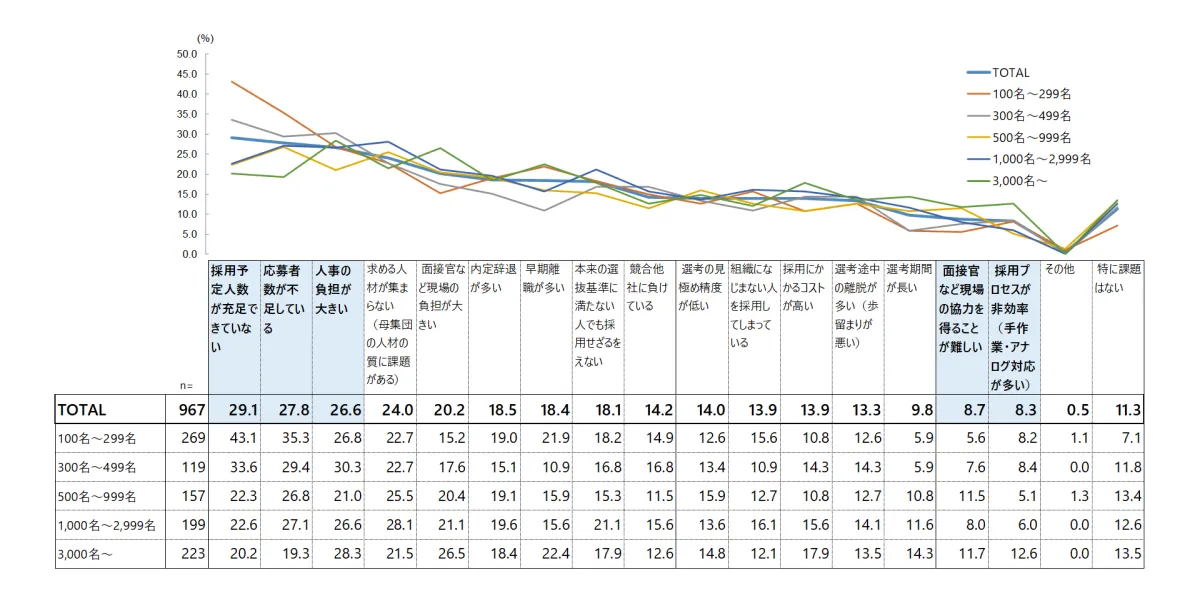
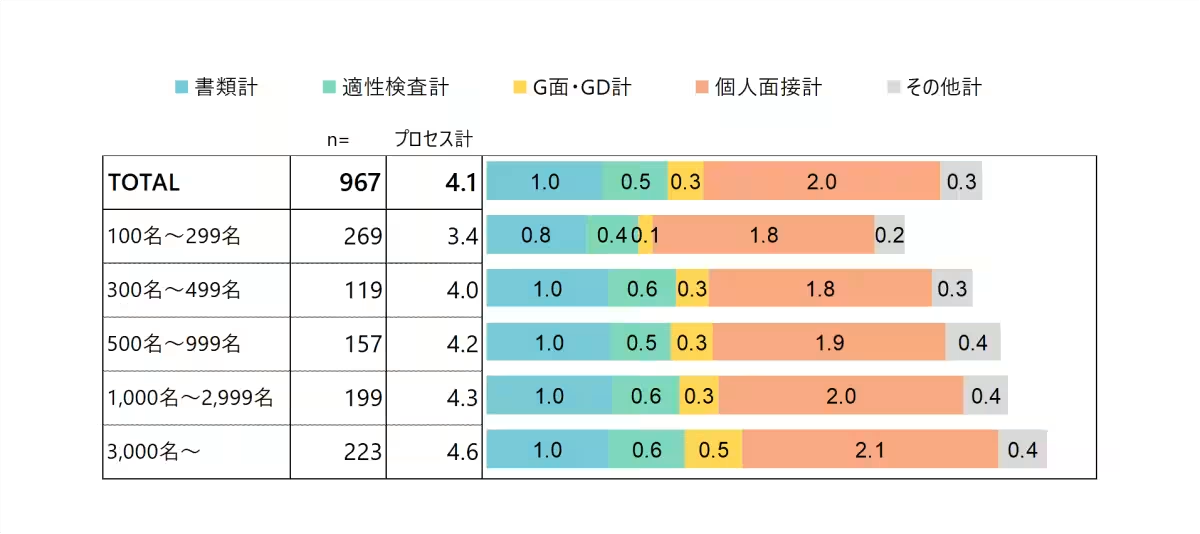
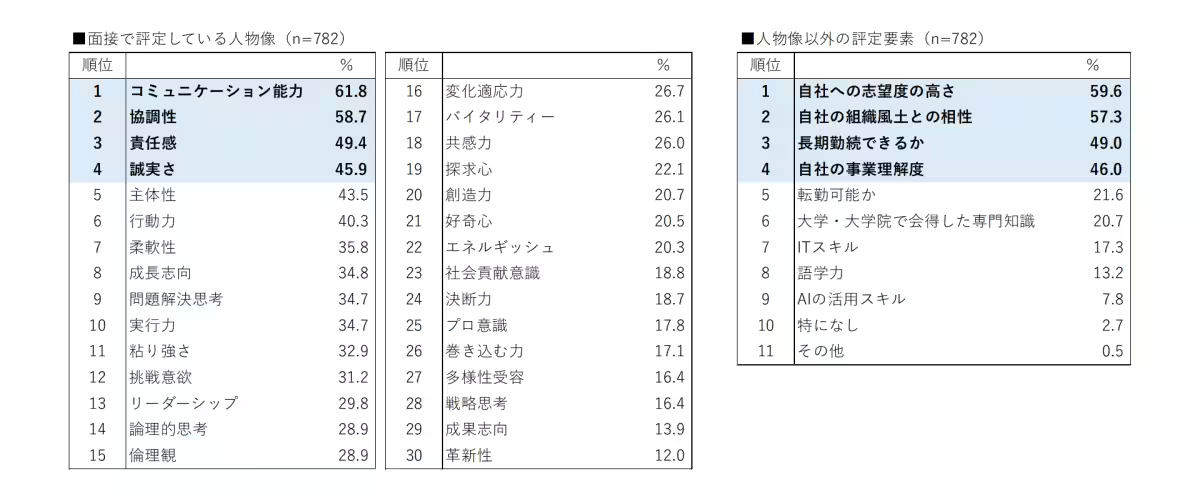
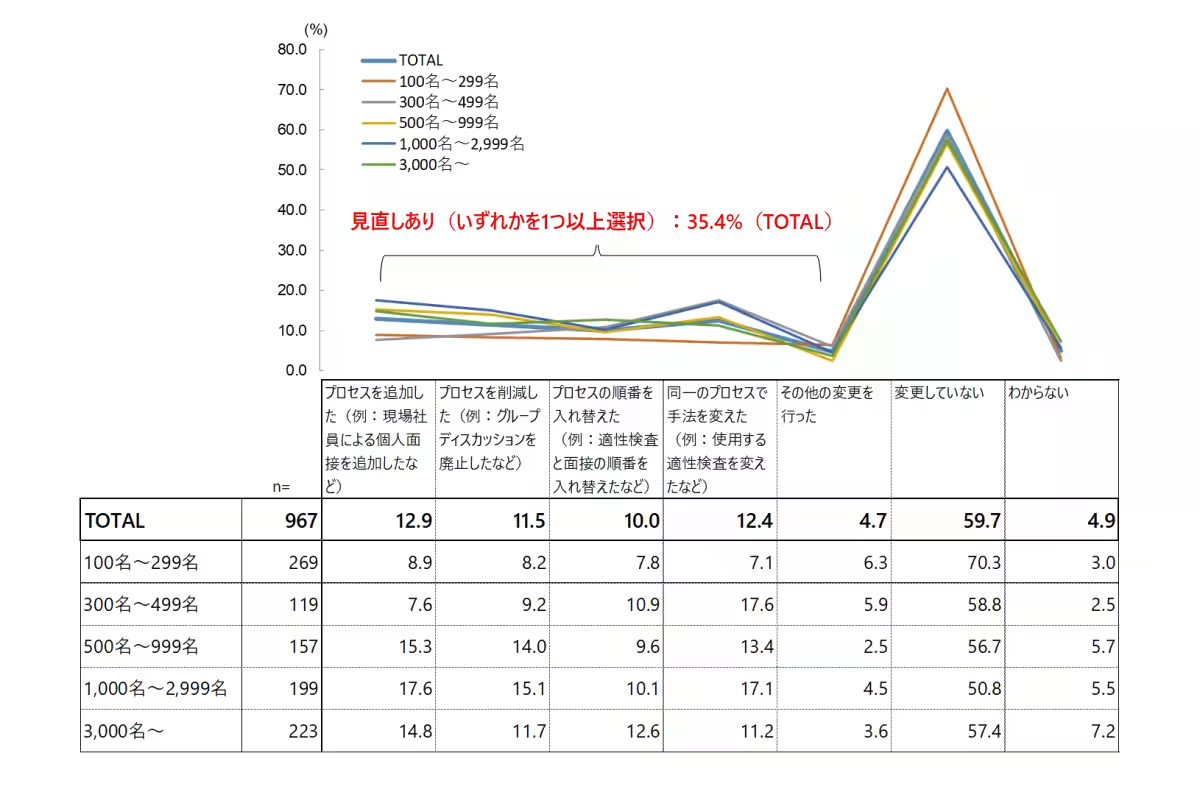
1. Recruitment Challenges: The main difficulties faced by companies center around securing the necessary number of hires while alleviating HR workload. Companies typically maintain an average selection process of 4.1 stages, with emphasis on assessing applicants' personalities and compatibility with the company culture during interviews.
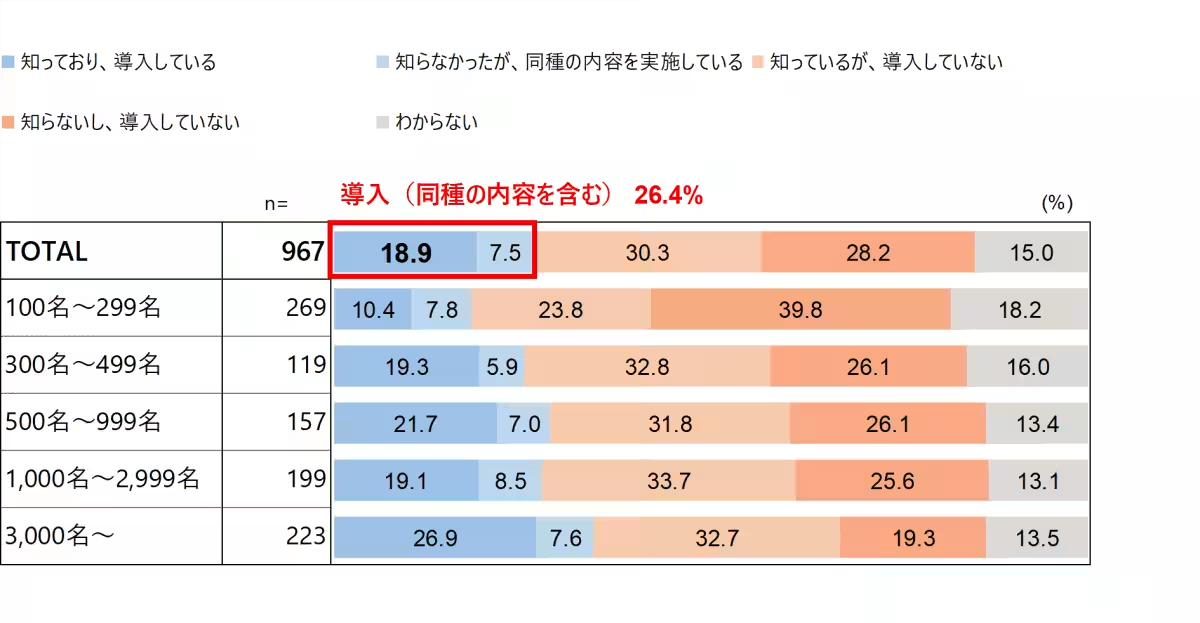
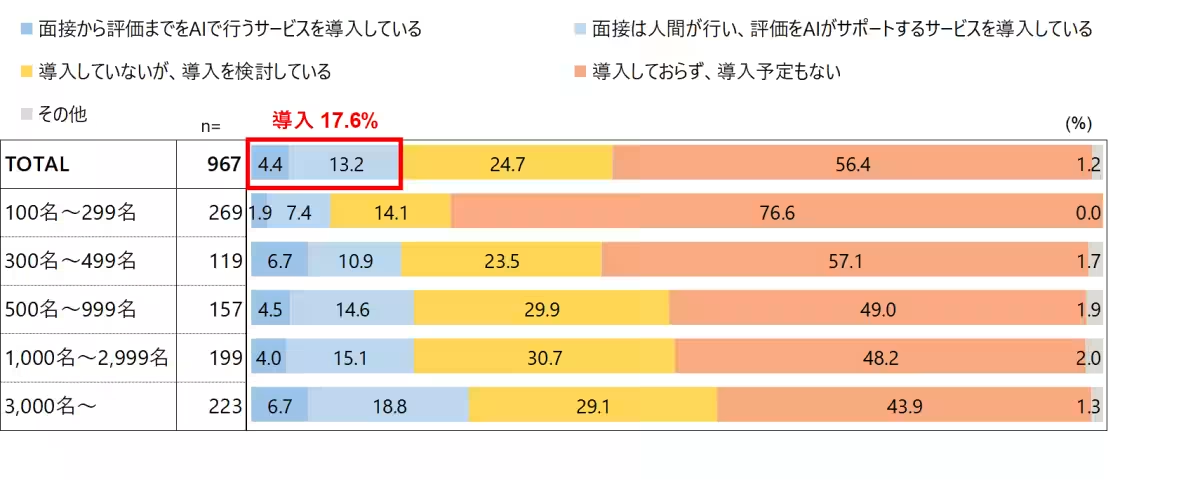
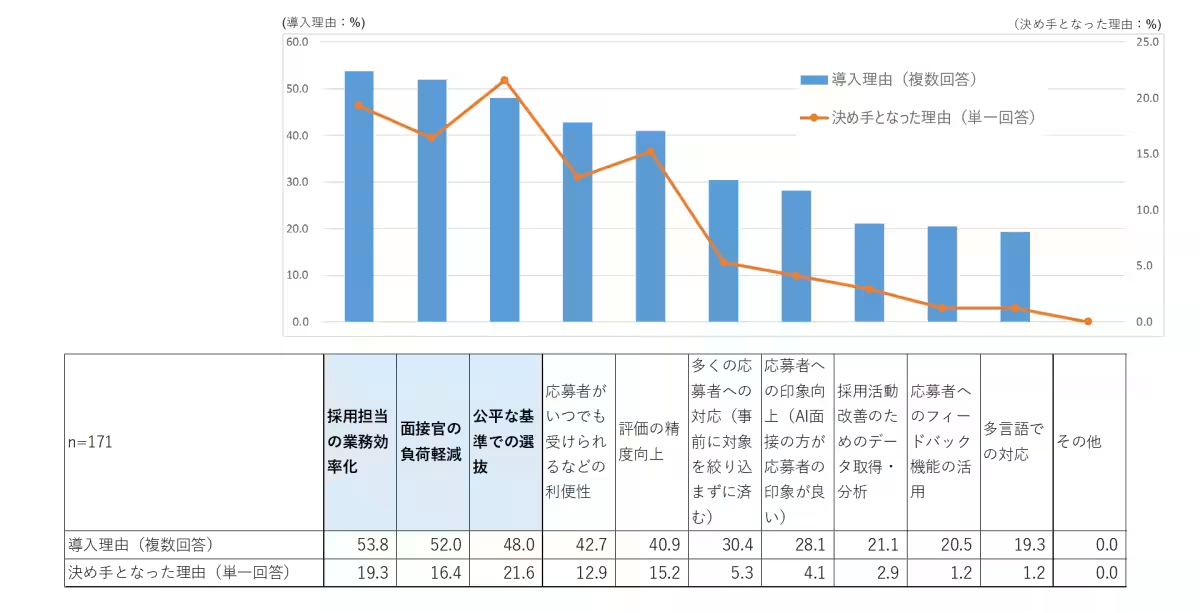
2. Adoption of New Techniques: While structured interviews have gained traction, their implementation is still limited, with about one in four companies adopting this method. In contrast, the use of AI in interviews is gaining ground, albeit without full integration into the selection process.
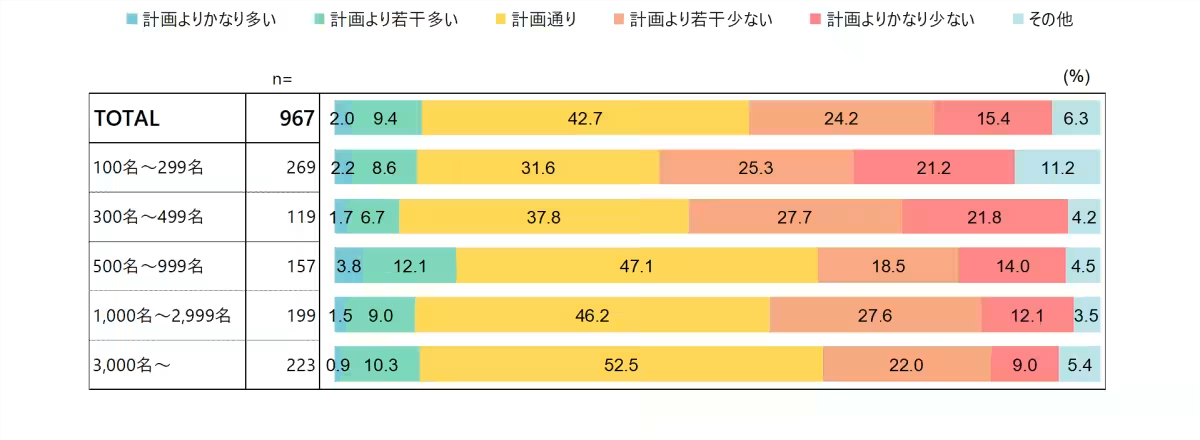
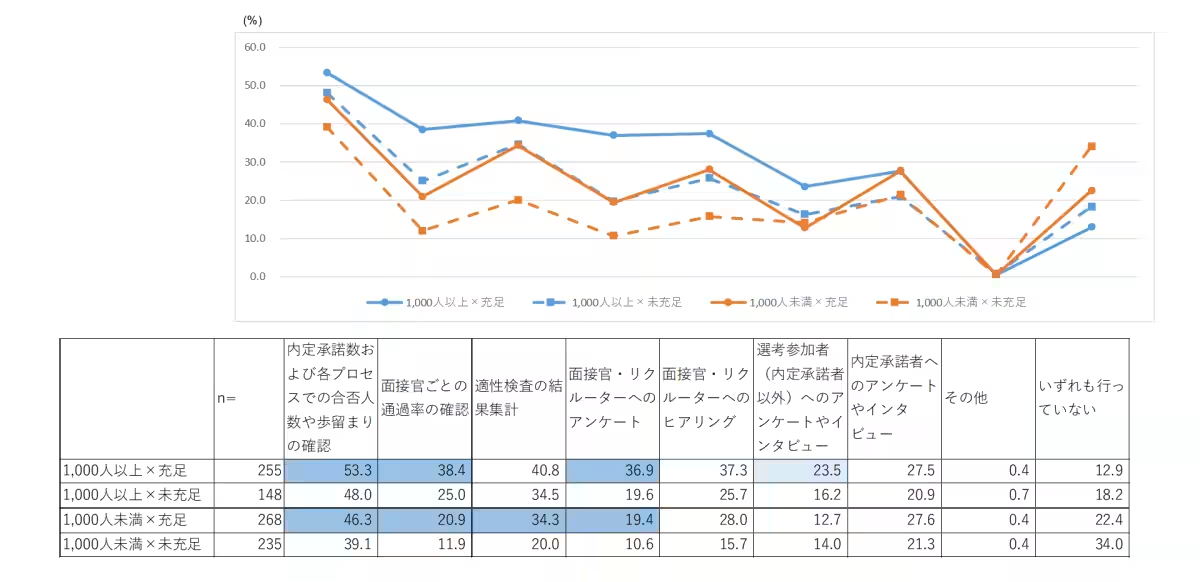
3. Quality Over Quantity: The quality of selection processes and follow-up measures significantly dictates hiring success. Larger companies observe a higher satisfaction rate, yet variability exists among similarly sized firms. This suggests that factors beyond company scale — including strategy, resource allocation, and continuous improvement — are key contributors to recruitment adequacy.
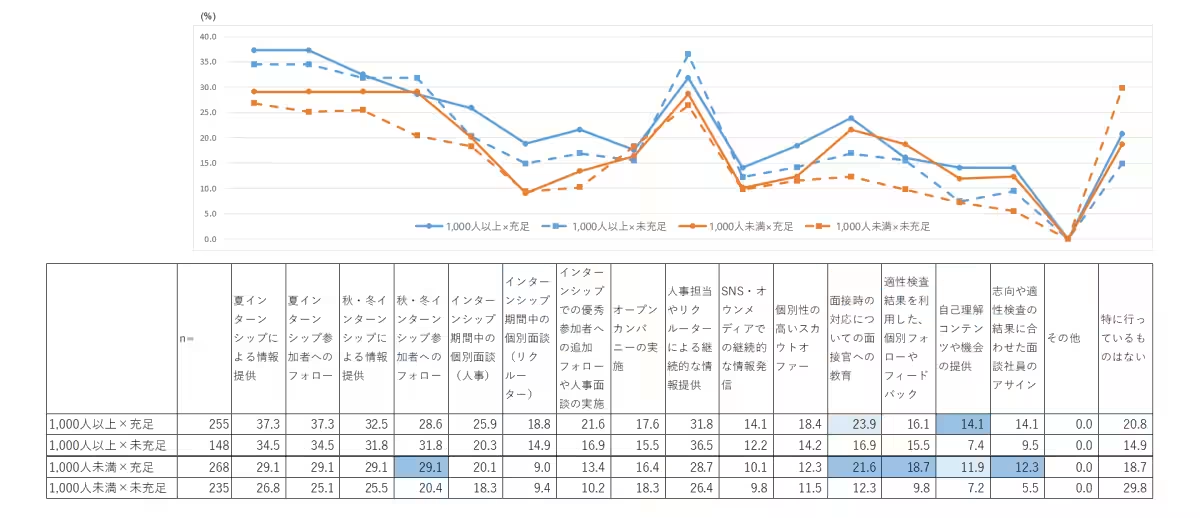
4. Candidate Attraction and Engagement: Attracting applicants proved more effective when focusing on the quality of initiatives rather than merely implementing them. Companies successful in recruitment employ more tailored attraction strategies, which include personalized interviews conducted by HR and recruiters. Such focused strategies enhance candidate experiences and thus increase hire rates.
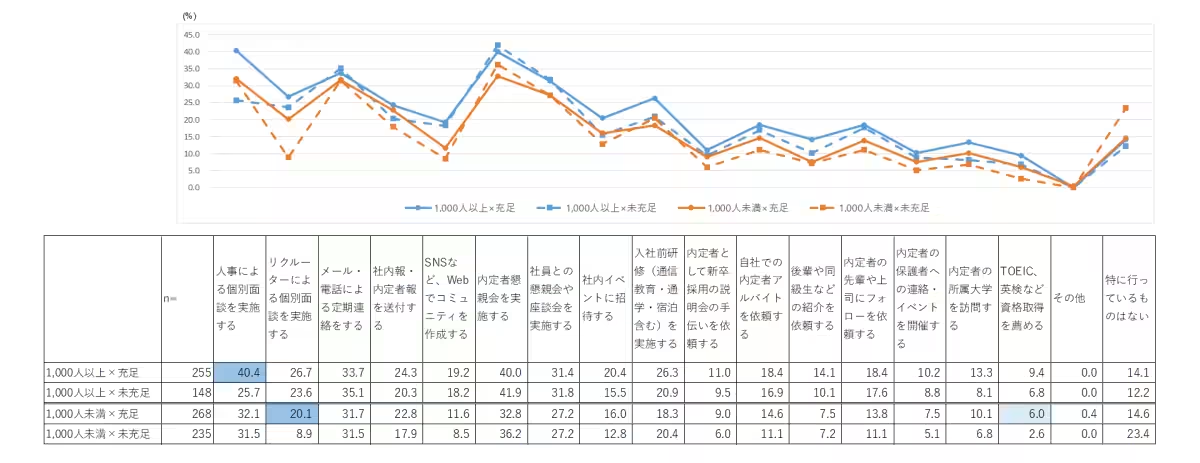
5. Importance of Individualized Follow-Up: Companies that offered personalized engagements for accepted candidates tend to have lower drop-out rates. Regular communication via phone or email, as well as face-to-face meetings, fosters stronger relationships, ultimately leading to higher retention of candidates.
Recommendations for Future Recruitment Efforts
Given the findings, organizations are advised to rethink their recruitment strategies by focusing on quality improvements across processes. They should prioritize creating engaging candidate experiences, enhancing interaction quality, and systematically reviewing their procedures to ensure they remain responsive to the evolving job market. Continuous adaptation and refinement of these processes will be essential for achieving sustained recruitment success for both new hires and organizational growth.
The research conducted between January 5 and 15, 2026, included over a thousand responses, highlighting trends and behaviors among companies actively recruiting new graduates. The comprehensive analysis serves as a valuable resource for HR leaders looking to enhance their hiring strategies in a challenging landscape. Understanding these insights is critical for future-proofing recruitment approaches and ensuring alignment with applicant expectations in today’s competitive market.
This report also emphasizes the need for ongoing dialogue between candidates and organizations to foster mutual understanding — a significant determinant in the recruitment success rate. In conclusion, as organizations navigate the complexities of attracting and retaining talent, building and sustaining relationships with candidates will be vital to ensuring both sides achieve their objectives through the hiring process.


Topics People & Culture)
【About Using Articles】
You can freely use the title and article content by linking to the page where the article is posted.
※ Images cannot be used.
【About Links】
Links are free to use.