



Survey Reveals Concerns About Remote Work Etiquette Across Generations
Understanding Remote Work Etiquette Through a Comprehensive Survey
As remote work becomes more commonplace, the way employees conduct themselves in public spaces has come under scrutiny. LASSIC, a company committed to promoting location-independent work, conducted a survey focusing on the theme of "Remote Work and Etiquette" through its online platform, Telework and Remote Work Comprehensive Research Institute.
In today's world, it is common to see remote workers setting up their laptops in libraries, hotel lounges, and cafes. To accommodate this trend, many establishments offer amenities like free Wi-Fi and power outlets, thereby transforming public spaces into informal workspaces. However, these environments lack the close-knit familiarity of an office or home, raising the importance of mindfulness towards fellow patrons.
This awareness prompted LASSIC to conduct a survey exploring common discomforts related to remote work. Participants, comprising working individuals aged 20 to 65 who have experienced telecommuting, offered insights into behaviors they considered inappropriate for remote work settings.
Generational Differences in Remote Work Etiquette
According to the survey, respondents from different generations identified various behaviors that raise concerns.
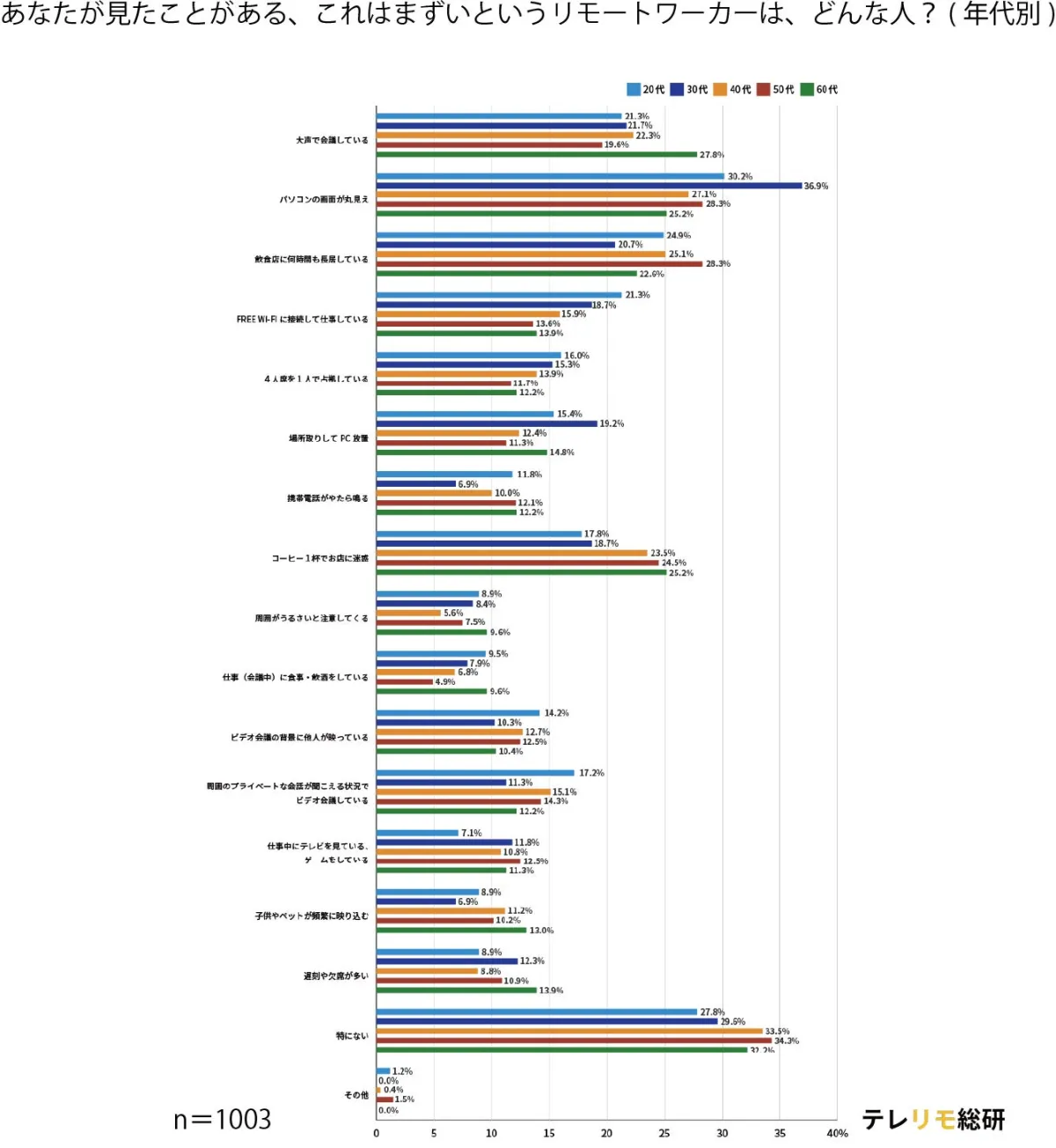
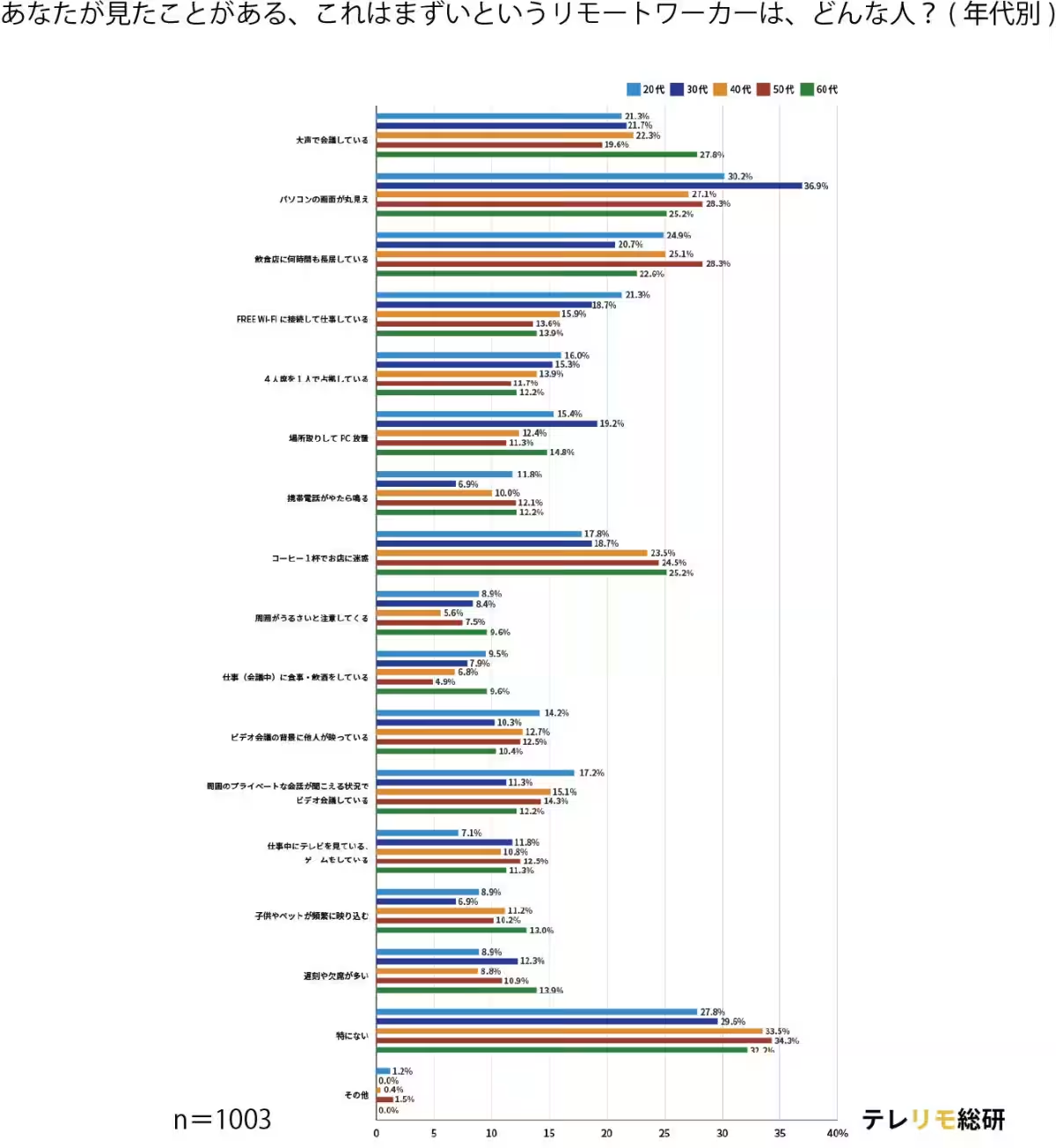
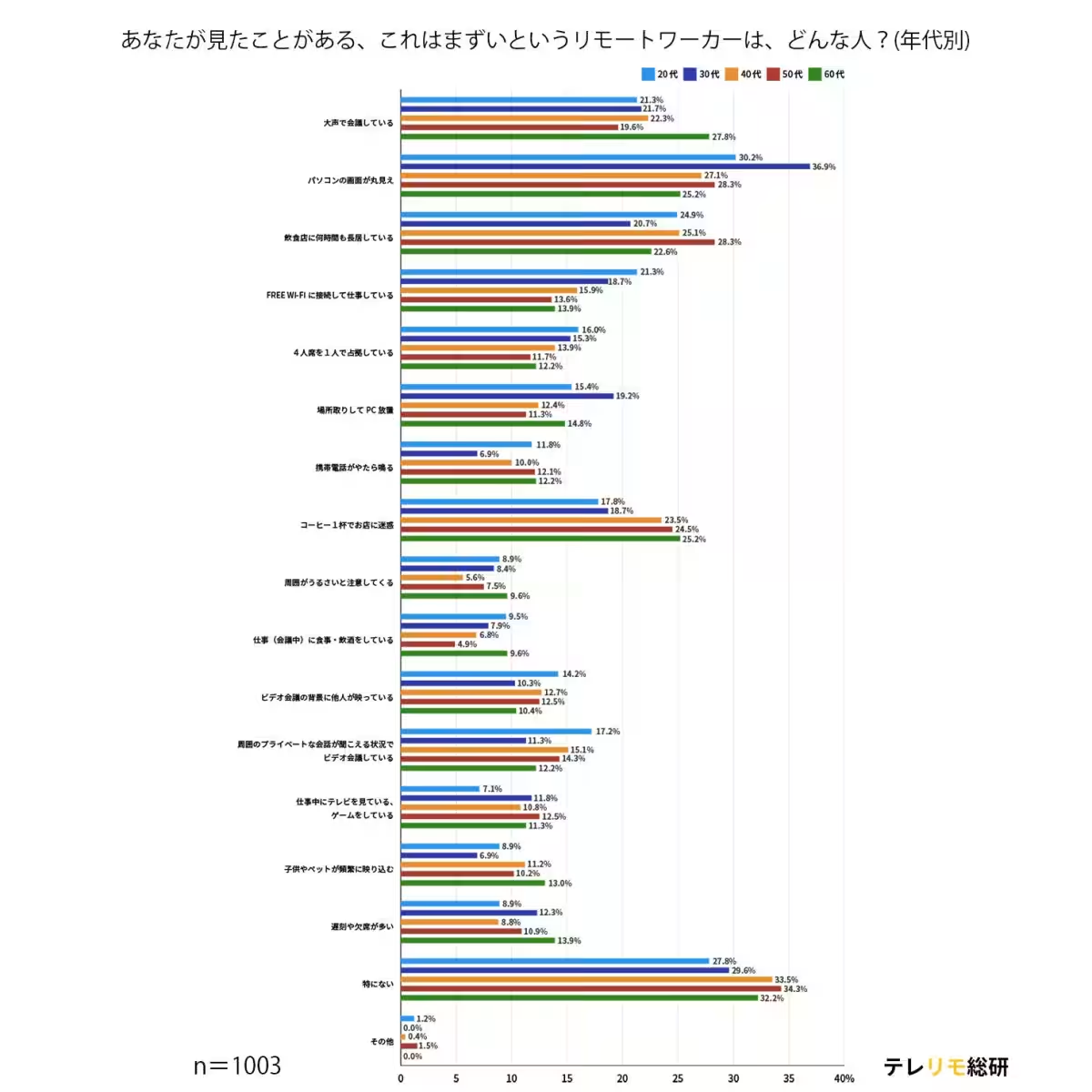
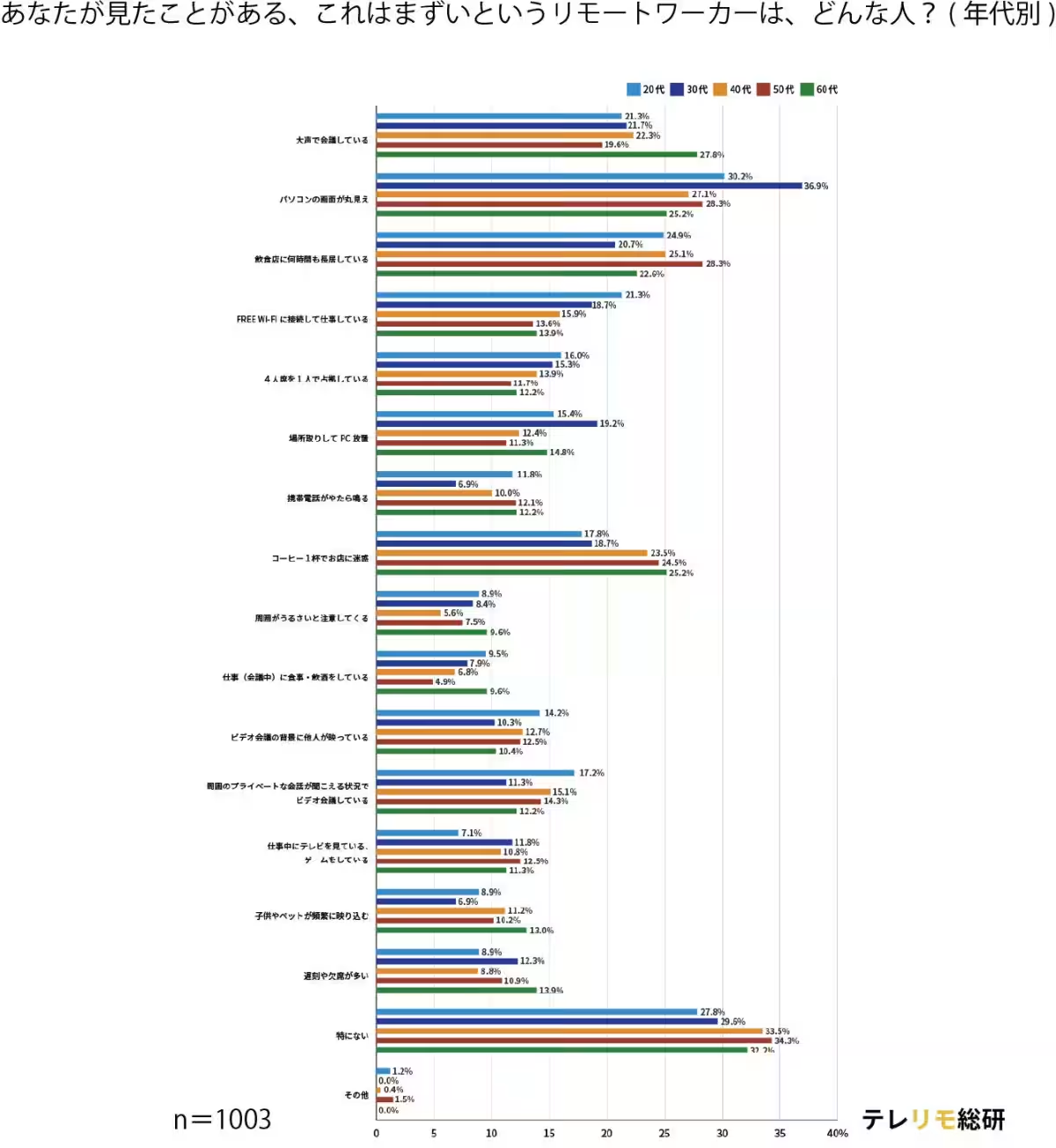
- - Common Concerns Across Ages: Participants from their 20s to 60s frequently pointed out issues like visibility of computer screens, prolonged stays in restaurants, and speaking loudly during meetings.
- - Notable Trends from the 30s: Interestingly, individuals in their 30s were particularly prone to noting screen visibility as an issue, which may connect to their increased awareness of corporate governance as they ascend to management roles.
- - Free Wi-Fi Usage: A significant focus emerged around the use of free Wi-Fi for work purposes. Younger age groups, specifically those in their 20s and 30s, expressed considerable concern regarding this practice, likely due to heightened security awareness. Conversely, older generations exhibited less concern about this aspect.
- - Social Considerations: Older respondents (50s and 60s) voiced discontent regarding how long individuals were occupying tables with just a single order, indicating a generational emphasis on traditional social etiquette in public domains.
Occupational Differences in Perspective
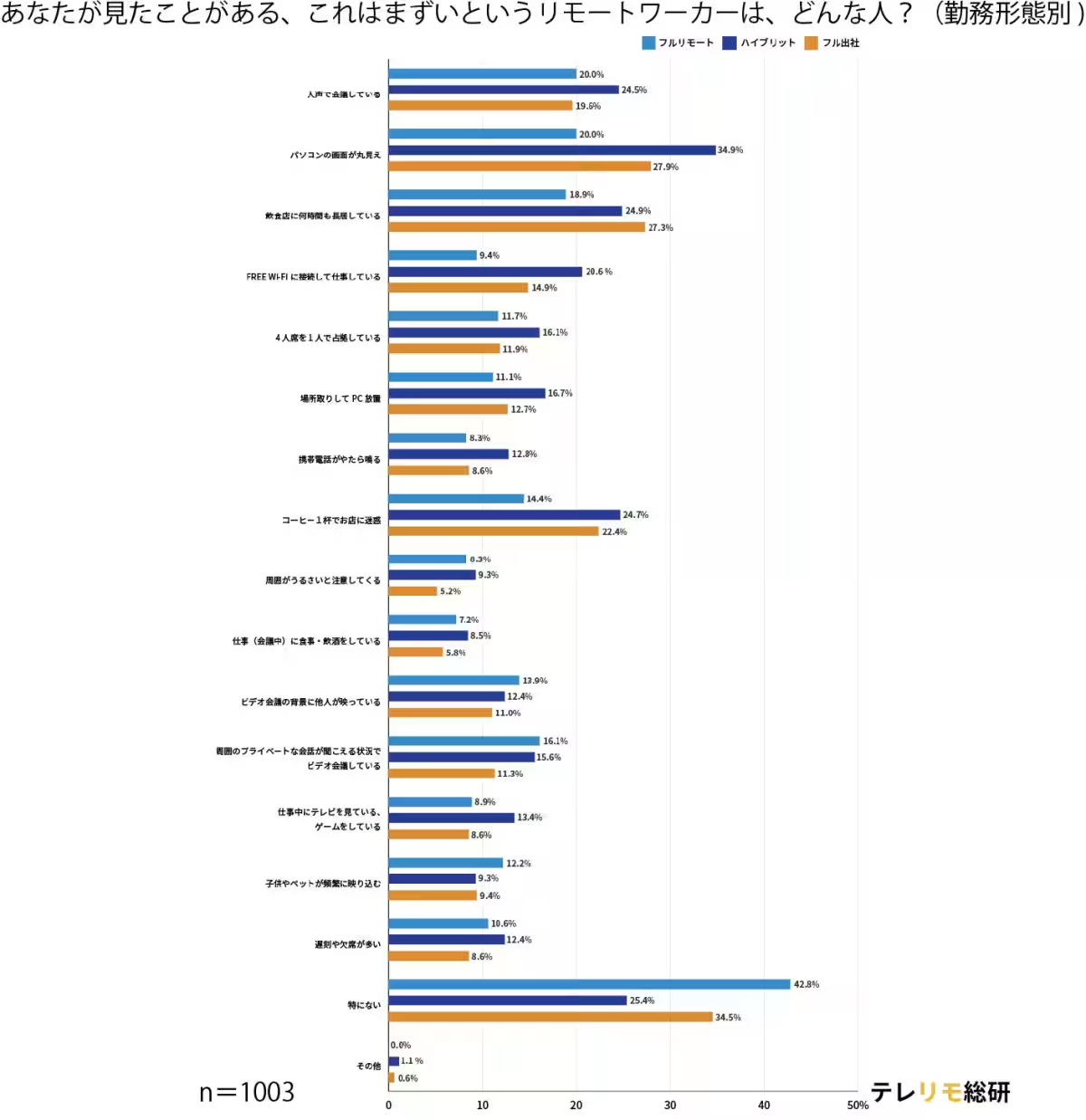
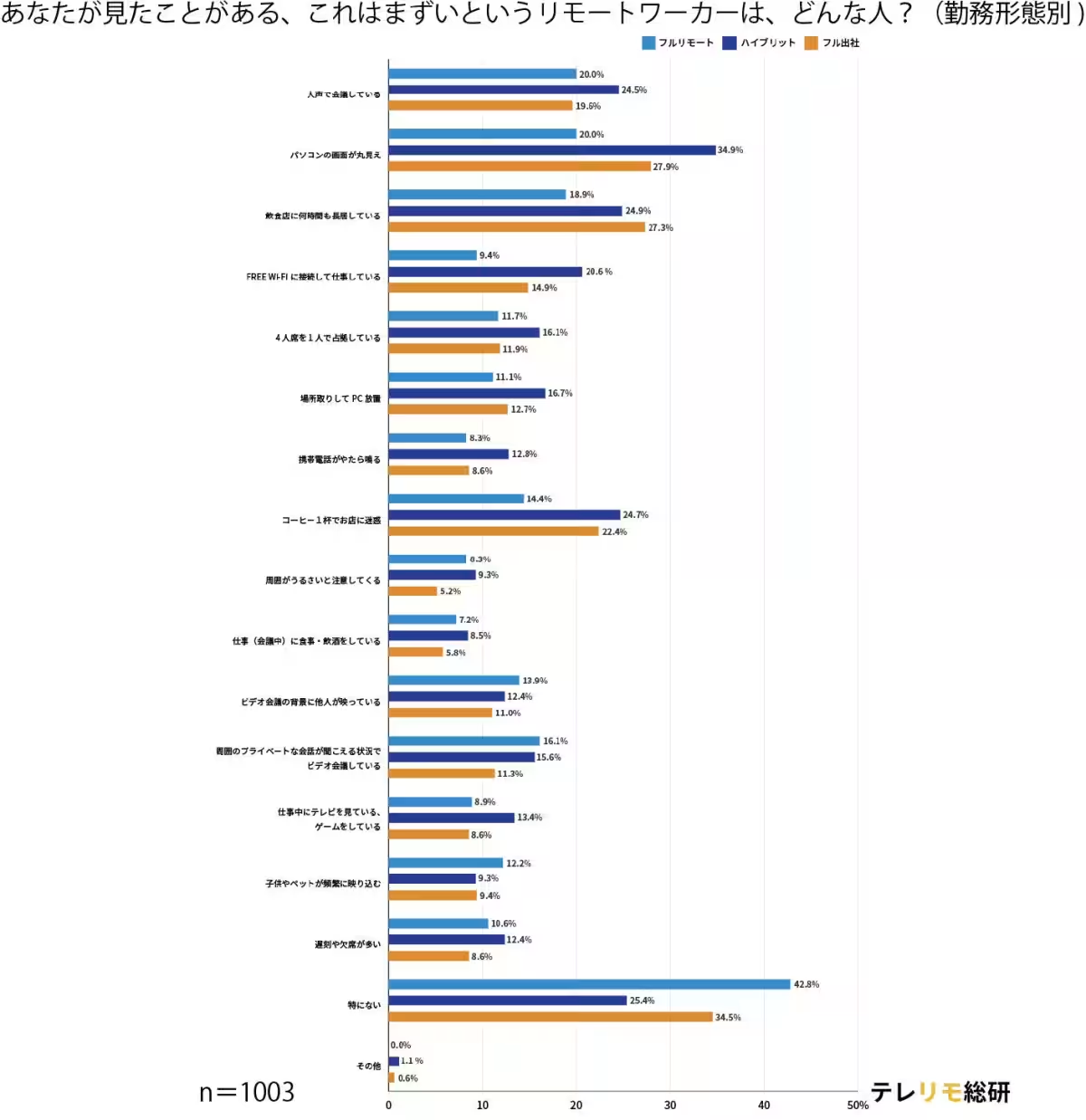
When analyzing responses by employment type, a clear disparity emerged. Those working full-time remotely often indicated fewer concerns about manners, perhaps due to limited exposure to public work settings. In contrast, hybrid workers displayed a heightened sensitivity to others' behaviors, likely shaped by their non-remote work experiences and frequent public interactions.
As anticipated, respondents from full-time office environments reported the lowest levels of concern, reflecting their limited encounters with remote workers outside of the office.
Diverse Responses in the 'Other' Category
Additional feedback included a range of observations from commuters working on trains to those consuming snacks during meetings. Concerns about delayed communication, whether through phone calls or emails, also surfaced prominently, hinting at an underlying skepticism regarding remote productivity.
Key Considerations for Remote Workers
The insights derived from this survey unequivocally emphasize two focal areas for remote employees: security and consideration for others.
Security Precautions
Given the confidentiality of much workplace information, it is crucial for remote workers to use private booths or closed spaces for meetings to mitigate the risk of information leaks. Additionally, using screen filters can protect sensitive data from prying eyes. While USING free Wi-Fi can be tempting, it poses significant cybersecurity risks, making it advisable to employ personal Wi-Fi options when conducting work tasks.
Being Considerate
When working in shared spaces, it’s essential to monitor one’s volume during calls or meetings and to avoid occupying excessive space during busy times. The awareness that one is operating outside the company or home should foster a sense of decorum conducive to a collaborative atmosphere.
Building a Respectful Remote Work Environment
Ultimately, as remote work increasingly integrates into everyday life, it is vital to remember that public areas accommodate diverse purposes beyond mere work. The acknowledgment of this shared existence can foster a more pleasant working atmosphere for everyone.
We must strive for a balance that allows remote workers to perform effectively while ensuring that all patrons share in the comfort of their environments. The promotion of a respectful remote working society is a collective effort that will benefit everyone involved.
Continuing the Conversation
LASSIC remains dedicated to exploring these themes and will continue conducting similar surveys to gather insights from working professionals about the evolving landscape of remote work.
Survey Details:
- - Period: April 8 - April 16, 2025
- - Participants: 1,003 working individuals aged 20-65 who have remote work experience.
- - Method: Online survey.
Topics People & Culture)
【About Using Articles】
You can freely use the title and article content by linking to the page where the article is posted.
※ Images cannot be used.
【About Links】
Links are free to use.