



Exploring the Coexistence of Humans and Animals at Zoorasia
Exploring the Coexistence of Humans and Animals at Zoorasia
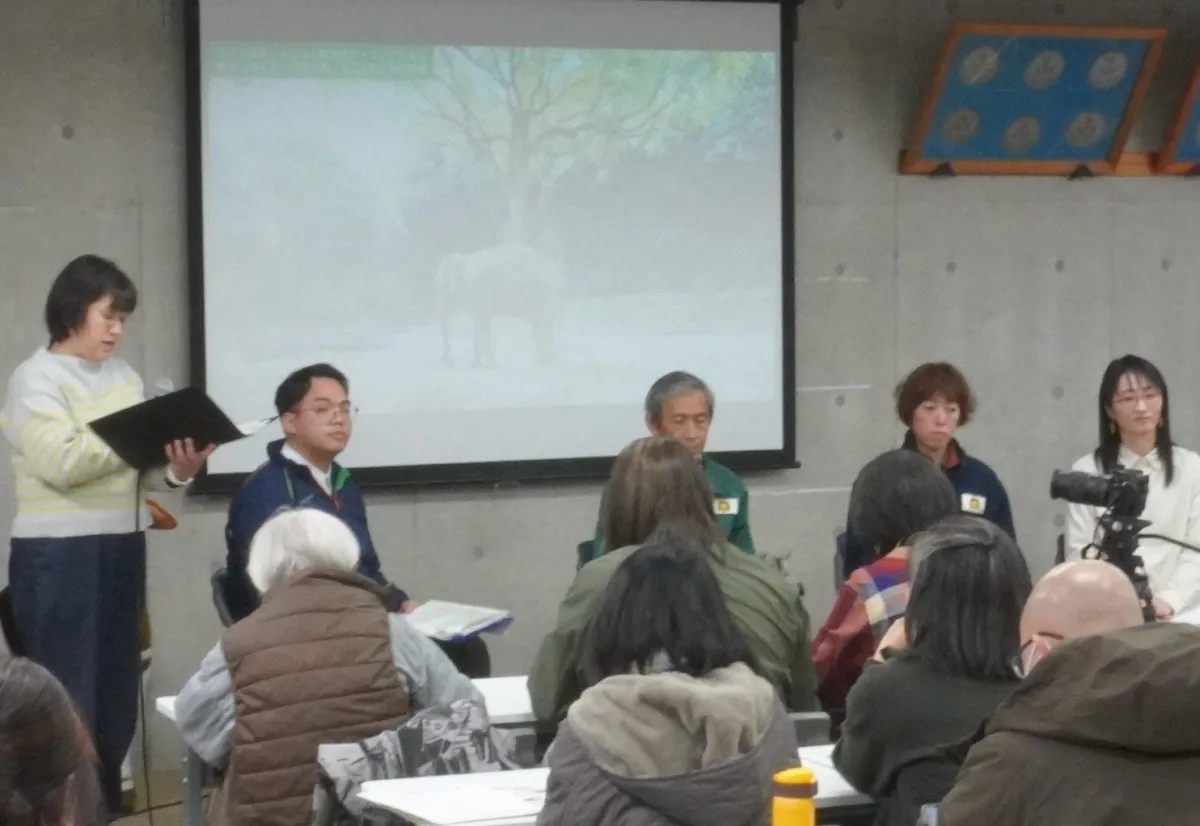
On February 11, 2023, an engaging event titled "Adult Excursion! Learning at Yokohama Zoo Zoorasia" was held, organized by the Pal System Federation and Pal System Kanagawa. The event focused on the necessity for every individual to consider their role in protecting our planet's ecosystems. This gathering attracted 259 participants, both on-site and online, and emphasized the importance of mutual coexistence between humans and animals.
The Evolution of Zoos from Ancient Times
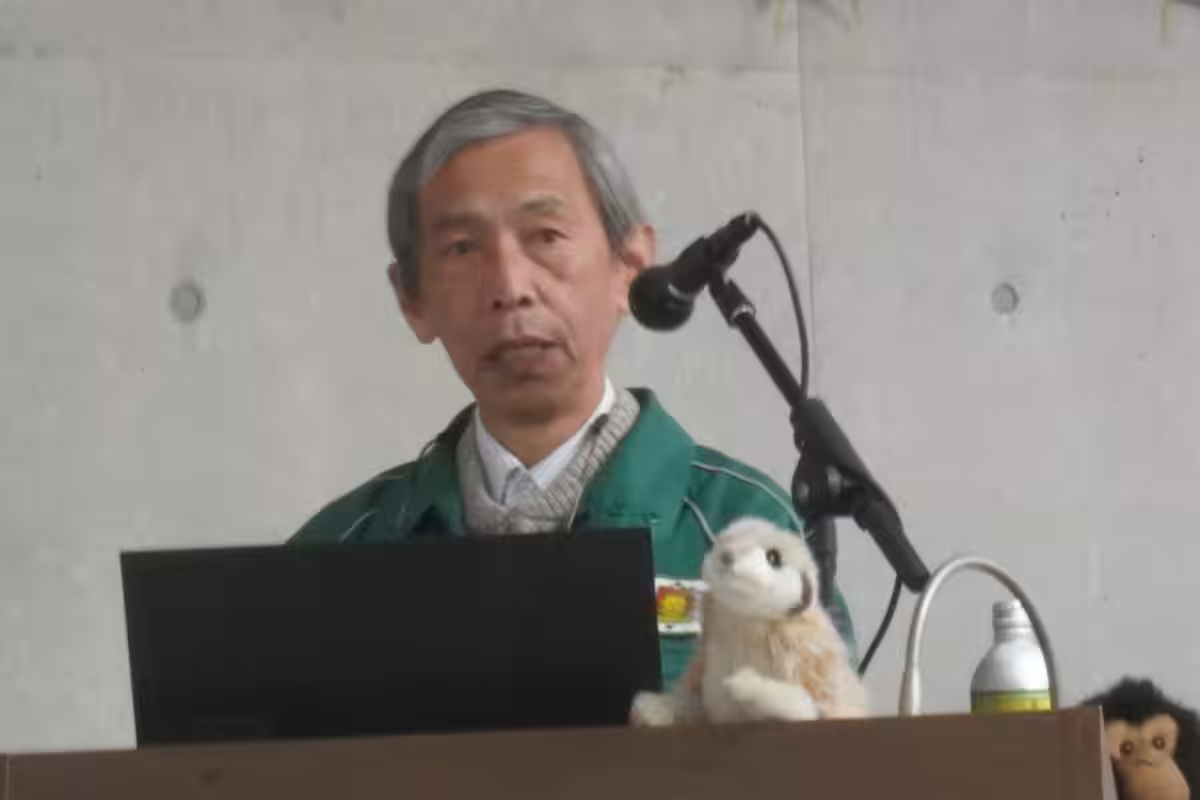
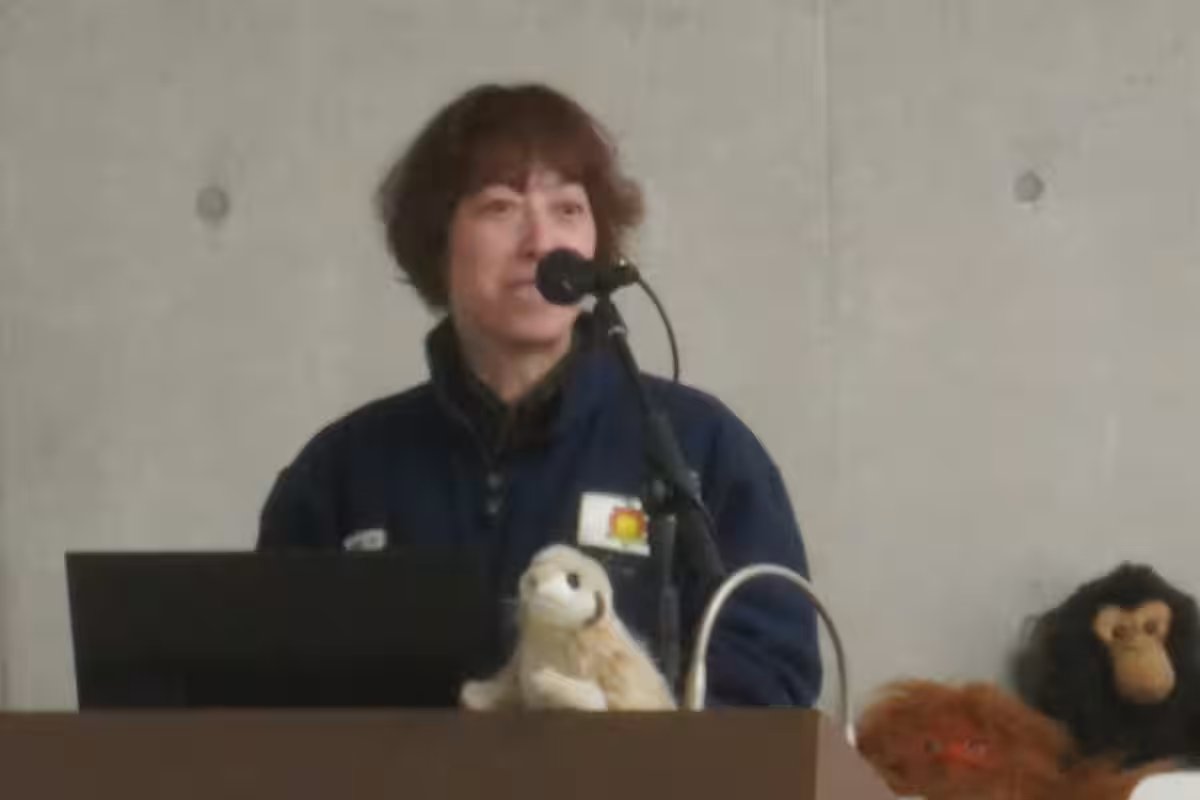
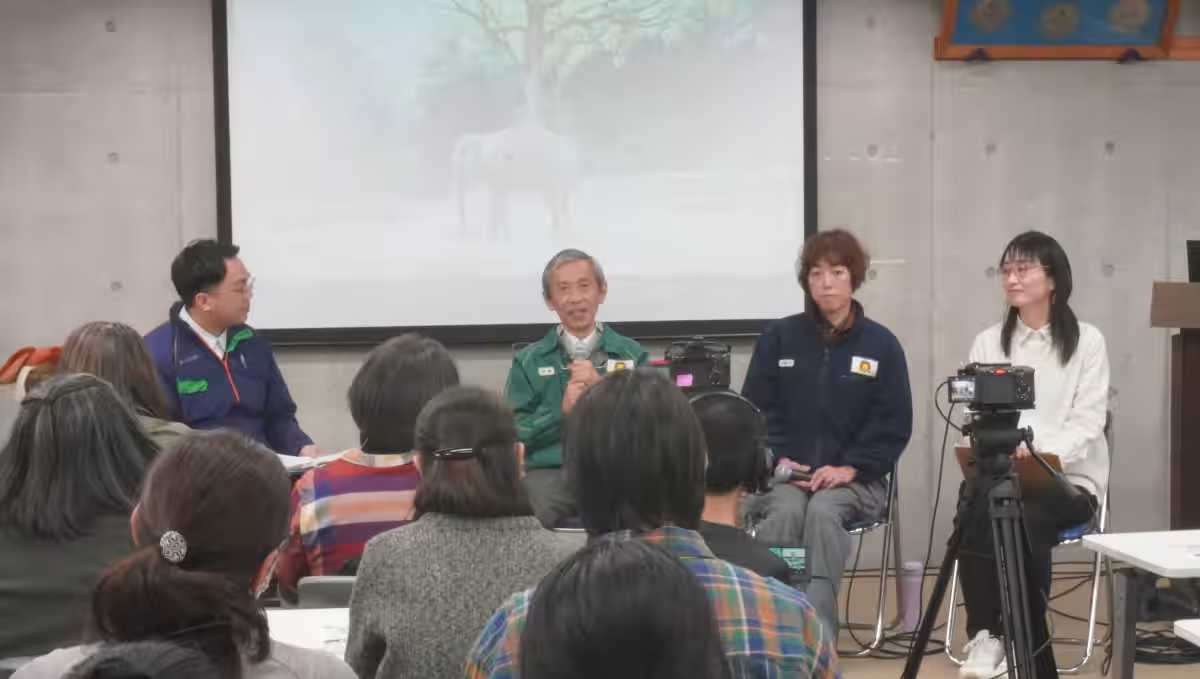
The event was a fruitful collaboration aiming for "coexistence of life and harmony with nature" between Zoorasia and the Pal System Federation. Keynote speakers included Koichi Murata, the director of Zoorasia, and animal caretaker Sakura Ito, with a lively discussion that included Aki Kawase, a board member of Pal System Kanagawa. Together, their presentations were attended by 41 individuals in the venue, while 218 more tuned in online.
Murata provided a detailed look at the role and evolution of zoos. "Zoos serve not only as recreational spaces but also as institutions for environmental education, species conservation, and research," he stated. He emphasized the significance of reflection and recreation through animal observation, encouraging visitors to rethink their lifestyles in relation to nature.
Dating back to ancient Egypt and China, the concept of zoos evolved into public institutions in Europe. Initially, zoos allowed access only to nobility within castle walls. With the opening of the London Zoo and its focus on life sciences, societies globally began to adopt this more educational approach to animal care and exhibits.
The historical perspective presented by the World Association of Zoos and Aquariums (WAZA) highlighted how growing compassion for animals had sparked discussions about the need for zoos. However, through dialogue and renewal of mission, the focus shifted towards species conservation and animal wellbeing, integrating environmental strategies into modern zoo operations.
Murata passionately expressed, "To change society through the zoo is our vision. We must ensure a healthy environment for the next generations while preserving the biodiversity of animals increasingly endangered in their natural habitats."
The Crucial State of Polar Bears
In a segment focusing on specific species, Ito discussed the care of polar bears, specifically two named "I-chan" and “Rai,” born in 2024. She described her daily routines starting with health checks and playful interactions showcasing the bears' personalities. "When I enter the room, Rai often brings a toy to invite play," she shared, revealing the delightful dynamics of animal care.
Polar bears consume a varied diet including fish, meat, vegetables, and fruits. Ito pointed out that sweet potatoes were a favorite, particularly when enriched with nutritional supplements. She also noted that young bears start sharing food with their mothers around three months old—Rai surprised her by choosing his mother's veggies first.
Each polar bear’s body weight fluctuates seasonally depending on diet and activity levels. "For instance, Rai, born at just 0.6 kg, has grown to 150 kg by his first birthday, adapting to the challenges of their icy habitat," she explained.
Ito highlighted the stark realities of climate change, alarming visitors with the effects on polar bears in the wild. With diminishing sea ice essential for hunting, and weather unpredictability impacting nesting sites, she urged everyone to take action considering the plight of these majestic creatures.
A Thought-Provoking Discussion
In the concluding panel discussion, Murata and Ito were joined by Kawase for insights into how adults and children alike can engage with the zoo. Murata recommended visitors spend quality time observing their chosen animals instead of rushing through every exhibit. “What’s truly impactful is watching an animal interact over several minutes rather than thirty seconds,” he said, hoping for visitors to develop a deeper connection with wildlife.
Conversely, Ito encouraged coming during different seasons to appreciate animals’ varying behaviors and adaptations, praising the educational benefits of multiple visits over time.
The conversation shifted towards the implications of climate change, with Ito detailing the challenges zookeepers face in maintaining animal habitats during extreme weather. Murata noted rising temperatures and their silent influence on wildlife in the natural world.
Commitment to Environmental Conservation
Pal System Group’s 2023 environmental policy focuses on creating a sustainable future. With initiatives aimed at carbon neutrality, circular economy, and nature conservation, they’re committed to protecting the Earth’s treasures. By 2025, they plan to introduce the "Pal System Nature Positive Declaration" for biodiversity, ensuring that everyone can appreciate and benefit from nature.
In conclusion, the event was not only a chance to learn about animal care but a call to action for individuals to contribute towards environmental conservation efforts. As Murata wisely stated, "Impactful change in society is gradual, but the first step is imagining the world around us beyond personal experiences.”
Together, we can foster a future where humans and animals thrive side by side, promoting sustainability and care for our planet.


Topics People & Culture)

【About Using Articles】
You can freely use the title and article content by linking to the page where the article is posted.
※ Images cannot be used.
【About Links】
Links are free to use.