



Dilmah Tea's Dire Predictions: 2026 Could Challenge Global Tea Producers
Warning for the Future of Tea - A Message from Dilmah
In a recent press statement, Dilhan C. Fernando, the chairman of Dilmah Tea, raised alarms regarding the challenges the tea industry might face in 2026. His concerns extend beyond just tea producers; they reflect a looming crisis that could affect humanity at large, driven by unsustainable practices and discount culture.
The Perils of Discount Culture
Fernando argues that the growing trend towards discounts on consumer products is leading to unethical practices among farmers. This approach forces producers to compromise on quality and sustainability, often leading to a downward spiral that benefits businesses at the expense of the producers and the environment. Shoppers, blinded by attractive pricing, risk losing sight of the true value of their purchases and the well-being of those who produce them.
The drive for cheaper products creates opacity in value chains and pushes farmers toward unsustainable practices in order to stay competitive. As a result, the very essence of quality tea—and its connection to ethical farming—is threatened. For tea producers, this creates a dire situation, showcasing an ironic paradox: while consumers demand good, nutritious beverages, the pricing pressures render sustainable farming as a distant dream.
Climate Change and Inequality Compounding the Crisis
Fernando points out that climate change and growing inequality are among the most pressing threats facing humanity today. The solutions to these issues have been known for decades, but they often come with financial burdens that many stakeholders are unwilling to bear.
Key remedies include investing in agricultural innovation, enhancing rural economies, advancing gender equality, ensuring food security, and prioritizing health and education. Ironically, despite the pressing need for nutritious food and beverages, the system tends to funnel financial resources into the pockets of those fostering cheaper alternatives. Through this mechanism, farmers are left trapped in a system where their hard work goes uncompensated, further perpetuating the cycle of poverty and environmental degradation.
A Call to Action for Tea Producers
As producers, Fernando emphasizes that their products transcend mere economic transactions; they embody passion and sustenance for millions of individuals. Despite their best efforts, the relentless demand for cheaper tea compromises their values and leads to a market flooded with inferior products.
Beyond temporary sales successes—often propped up by attractive packaging and marketing strategies—the long-term ramifications of this trend could lead to the disintegration of the tea category. The dysfunction runs deep, as consumers inadvertently contribute to a system that undermines not only their favorite beverage but also the broader implications for environmental health and social equity.
Moreover, tea producers lacking the means to adapt cannot support the growth of sustainable farming practices, which are essential for delivering high-quality tea to consumers worldwide. As Fernando articulates poignantly, the challenges facing tea today are reflective of a larger agricultural threat; it begins with tea but echoes throughout the farming industry, casting shadows on global food systems.
In conclusion, the warnings from Dilmah Tea serve as a wake-up call. Instead of falling into the trap of discount culture, consumers and businesses alike must recalibrate their thinking towards valuing ethically produced products. Only through conscious choices and investments can we hope to break the cycle and foster a sustainable future for both tea producers and the broader global community.
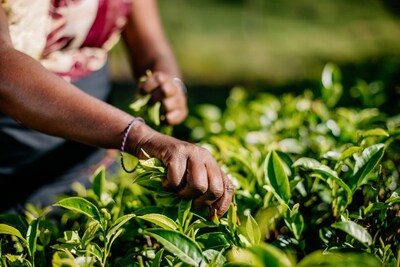
For further insights and details, you can view the full message from Dilhan C. Fernando here and check the images from the tea production at Dilmah.

Topics Consumer Products & Retail)
【About Using Articles】
You can freely use the title and article content by linking to the page where the article is posted.
※ Images cannot be used.
【About Links】
Links are free to use.