



The Changing Landscape: Transitioning to Design Careers in Japan
The Changing Landscape: Transitioning to Design Careers in Japan
In a contemporary work environment where career shifts are increasingly prevalent, many employees are expressing significant concerns regarding their future job security. A recent survey conducted by Lunch Time, a Tokyo-based company, unveiled that around 90% of employees contemplating a career transition to design report anxieties tied to their current positions. This article delves into the intricacies of reskilling and the essential practical skills required for success in the design industry.
Understanding Career Transition Anxiety
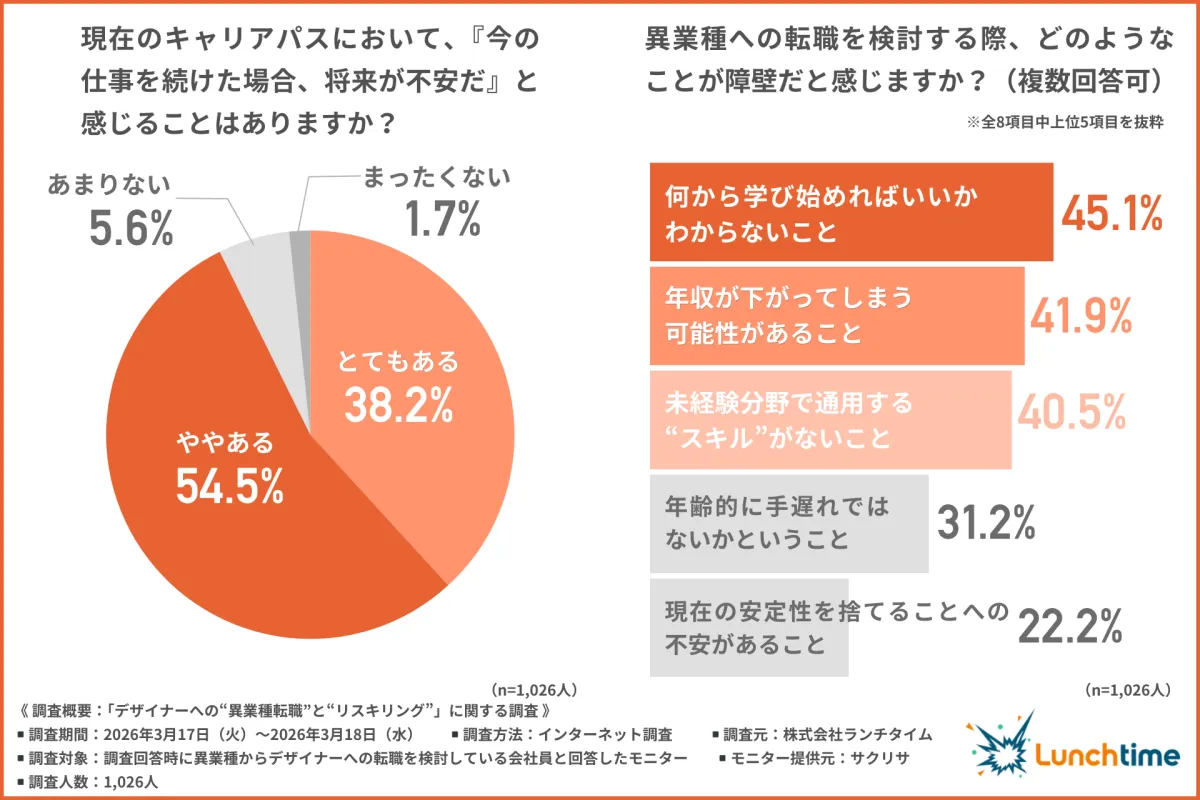
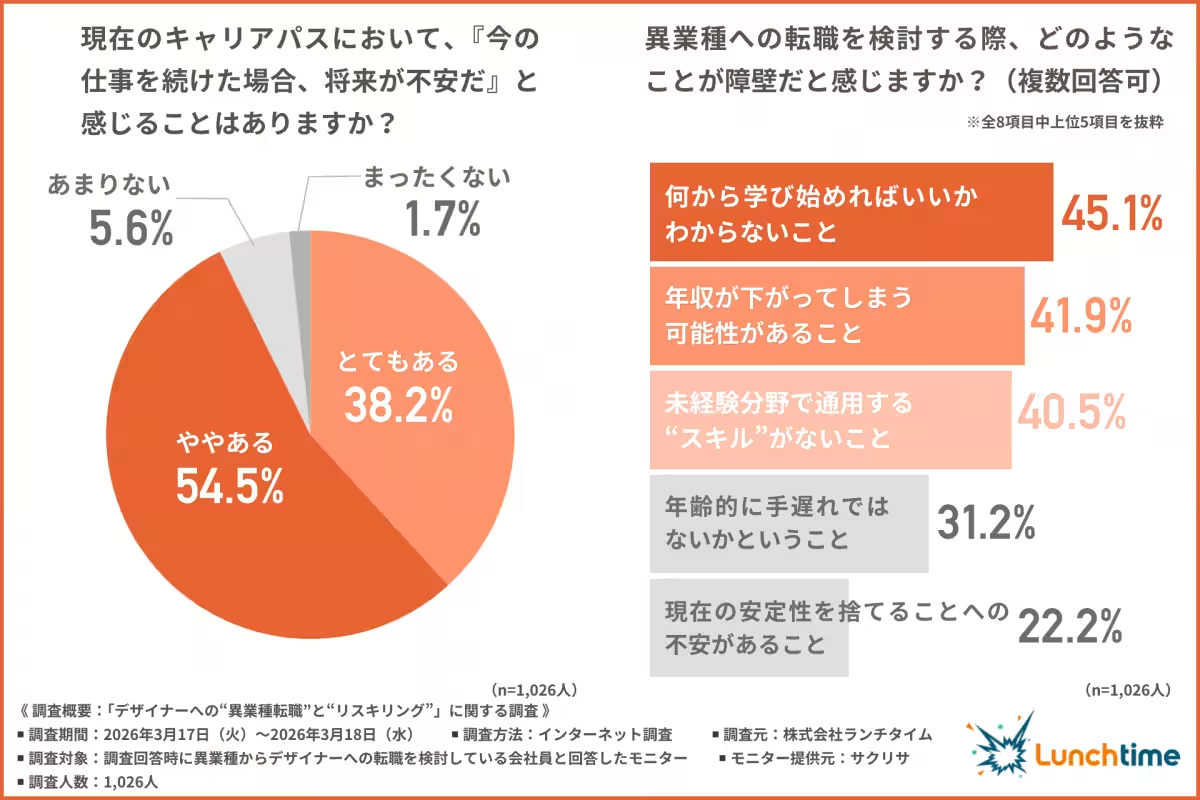
The survey aimed to assess barriers faced by individuals who are considering moving from various industries into design roles. When respondents were asked about their apprehensions regarding their current career paths, an overwhelming majority indicated they felt a stark sense of unease about staying in their current jobs, with 38.2% stating they felt "strongly" anxious and 54.5% feeling "somewhat" anxious about their career prospects.
One of the key obstacles highlighted was a profound uncertainty about what to learn to transition effectively into design. Approximately 45.1% of participants identified that they did not know where to begin learning the necessary skills, while other notable concerns included the potential risk of a pay cut (41.9%) and the lack of transferable skills relevant to new fields (40.5%). This reveals a critical insight: although many are eager to pursue new opportunities in design, they are paralyzed by misunderstandings about how to acquire relevant skills or the financial repercussions of such a shift.
The Role of Reskilling in Career Development
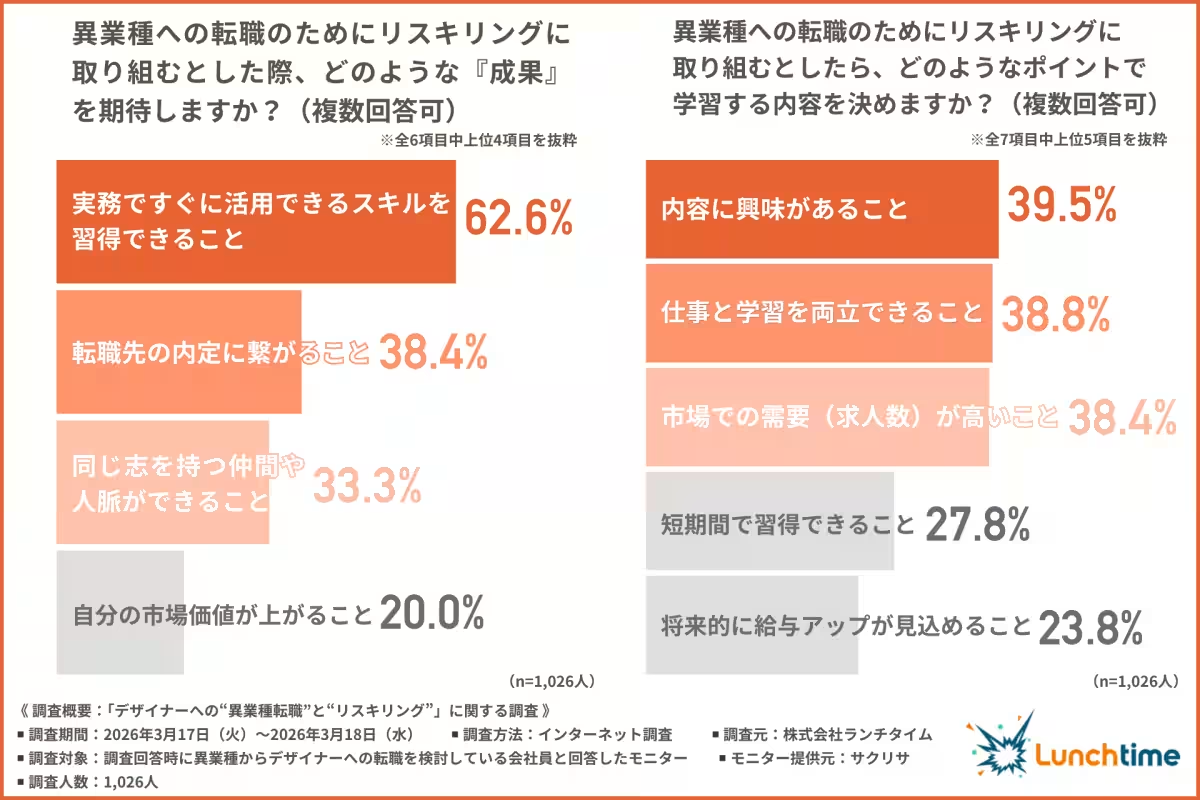
As employees consider embarking on a reskilling journey towards design careers, it's crucial to understand their expectations regarding outcomes. According to the survey, 62.6% of respondents aspire to attain practical skills that they can immediately apply in the workforce. Furthermore, 38.4% hope that their reskilling efforts would lead to job offers in their new field, while 33.3% value building networks with like-minded peers.
This necessitates an emphasis on not only learning but also on securing meaningful employment post-training. As the demand for legitimate job offers post-reskilling continues to rise, educational institutions and reskilling platforms must prioritize providing job placement support in tandem with practical skill acquisition.
Essential Criteria for Learning Content
When selecting learning materials or courses for career advancement, respondents emphasized the importance of interest in the subject matter (39.5%), balancing work and study commitments (38.8%), and alignment with market demand (38.4%). This reflects a need for prospective learners to create a balance between passion and practicality.
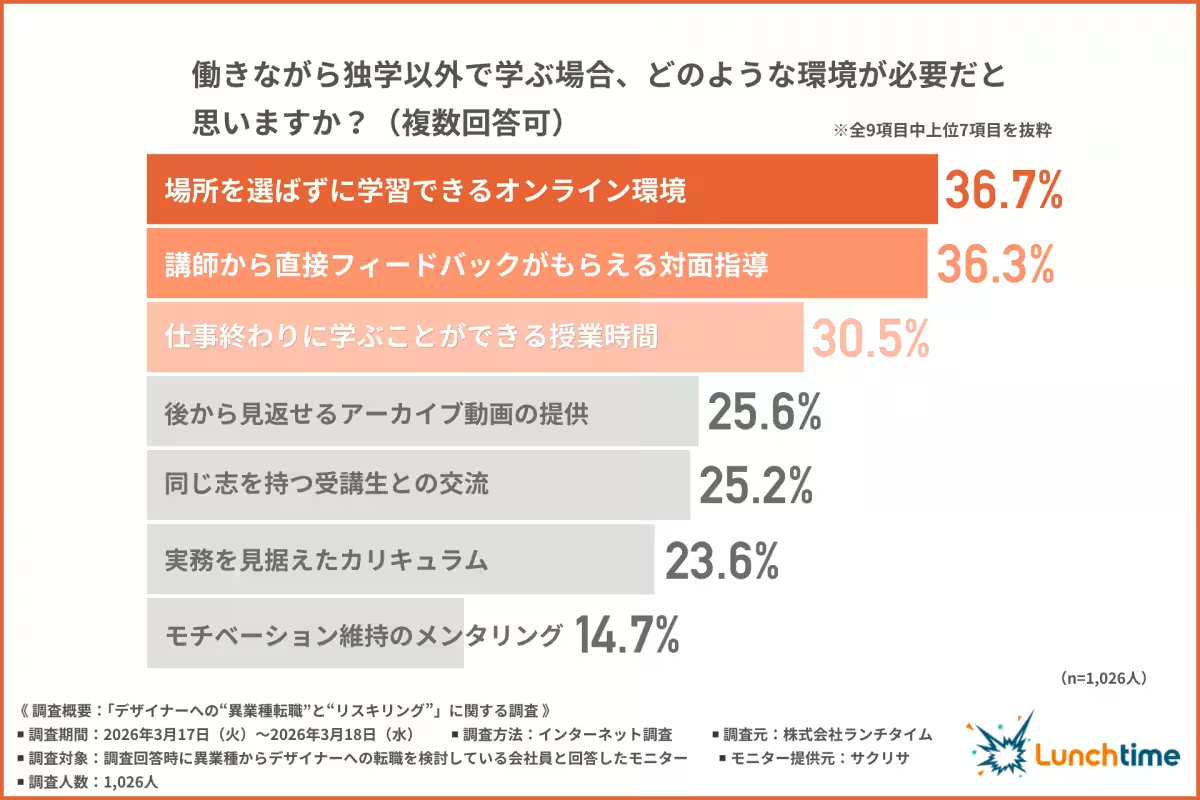
Moreover, amid hectic schedules, the survey suggests that a flexible learning environment is crucial. When queried about the type of learning environment that best supports their educational needs, 36.7% favored an online format that allows learning from any location. This was closely followed by the preference for direct interaction with instructors through face-to-face teaching methods (36.3%) and classes scheduled conveniently after work hours (30.5%). This indicates a growing inclination toward hybrid models of education integrating both online and practical in-person training options.
The Impact of Job Support on Learning Motivation
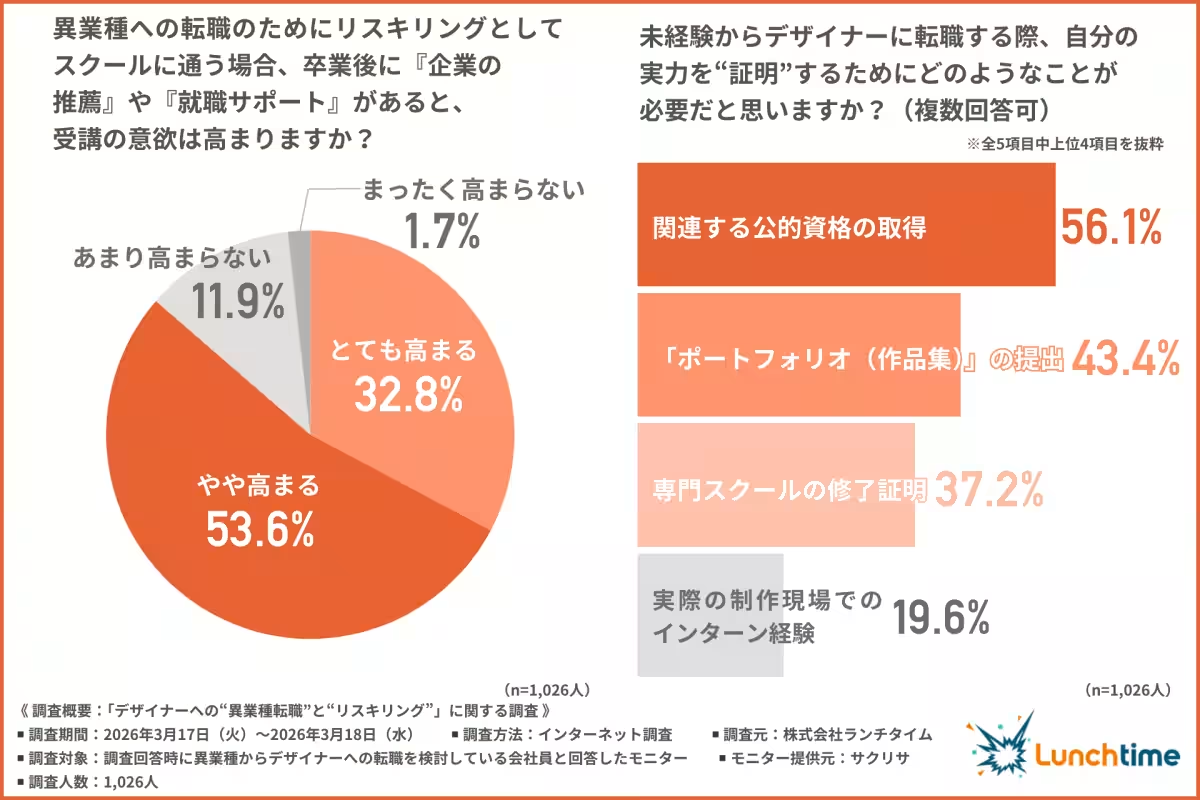
Notably, the provision of job placement support can significantly enhance learners' motivation to engage in reskilling programs. 86.4% of respondents indicated they would feel more driven to attend courses if there were guarantees of job recommendations or employment assistance. As demand escalates for comprehensive support during the transition process, educational entities must begin integrating robust job placement services to align with learner expectations.
Establishing Credibility as an Entry-Level Designer
A critical question arises regarding how aspiring designers from different industries can validate their skills despite lacking experience. The survey results indicated that 56.1% of respondents believe obtaining relevant certifications is necessary, while 43.4% emphasized the importance of a cohesive portfolio, and 37.2% highlighted the need for proof of training through course completion certificates. These findings underscore that there is substantial merit placed on formal qualifications and documented experience as means to alleviate concerns for those transitioning into design roles.
Motivations Behind the Shift to Design
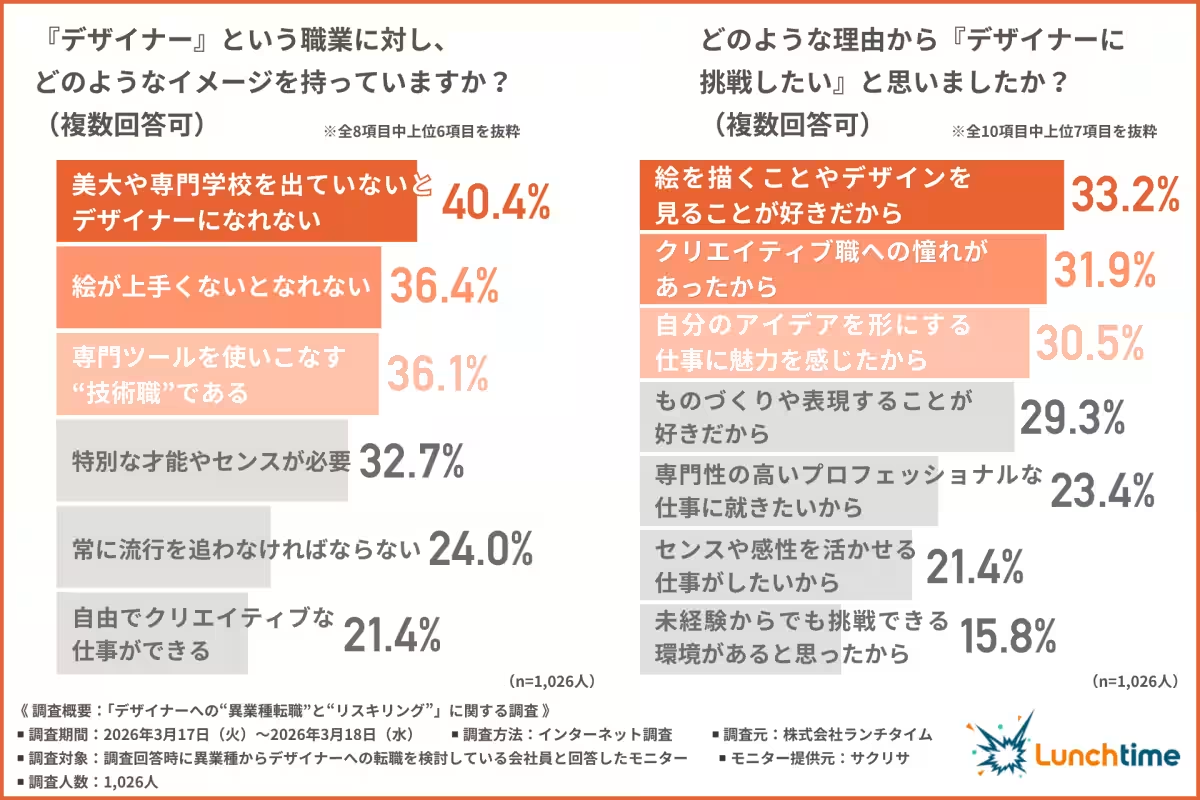
When considering motivations for entering the design sector, survey participants expressed a blend of passion and aspiration. Over 33% reported that they are motivated by a love for drawing and design, while 31.9% noted a desire for creative careers. Additionally, an impressive 30.5% were attracted to the concept of manifesting their ideas into tangible outputs. Thus, it's evident that intrinsic enjoyment and the desire for self-expression play crucial roles in drawing individuals toward the design field.
Key Skills Beyond Technical Proficiency
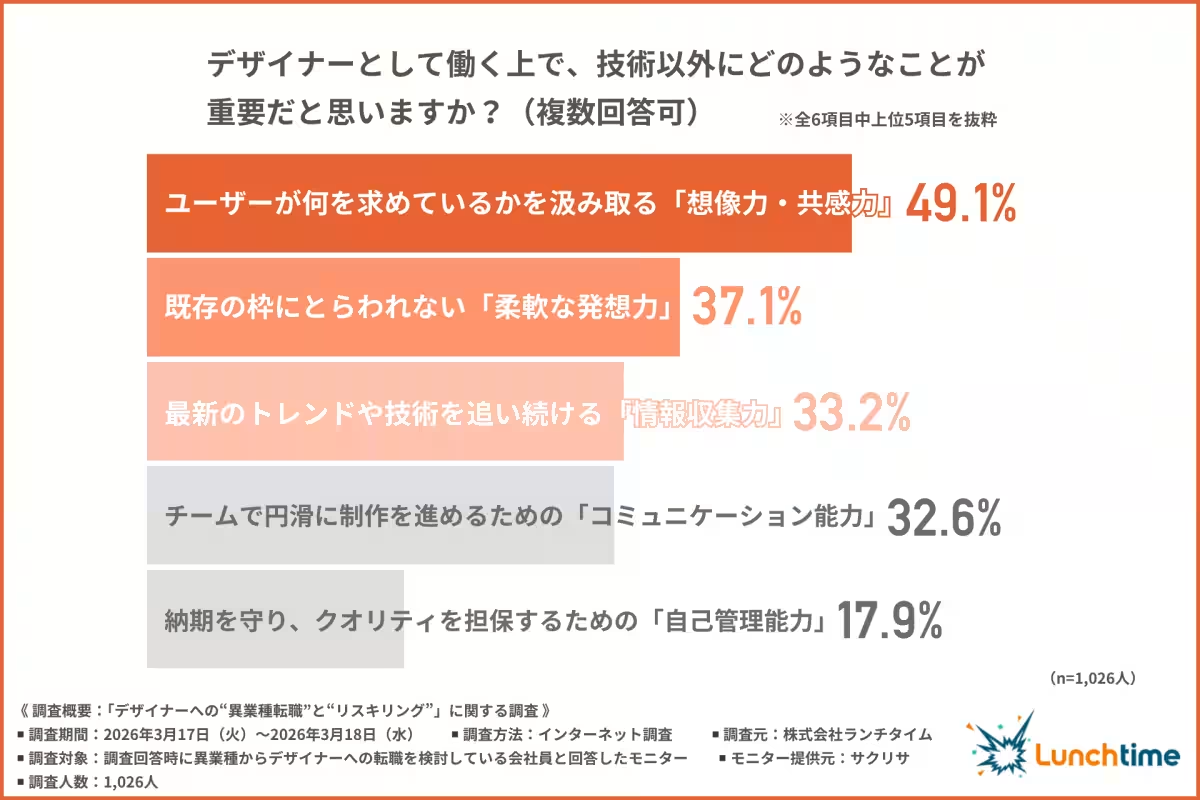
Lastly, when probing what skills aspiring designers should prioritize beyond technical expertise, a significant 49.1% of participants highlighted the importance of empathy and imaginative capabilities. Close behind were flexible thinking (37.1%) and the ability to stay informed of emerging trends and technologies (33.2%). These findings suggest that emotional intelligence and creativity may be equally important as traditional design skills in ensuring a well-rounded approach to design careers.
Conclusion: Paving the Way for Career Transitions into Design
The findings highlight prevalent concerns about job security while unraveling the psychological barriers that inhibit individuals from pursuing new career paths. For many employees facing anxiety about remaining in their current roles, a lack of clarity regarding what to learn becomes a significant obstacle when contemplating a transition to design. As the demand for practical skills and job placements grows, educational institutions must adapt to the needs expressed by learners by creating environments that support collaborative learning and provide robust employment assistance.
By promoting credible evidence of skill acquisition through certifications and building portfolios, aspiring designers can navigate the potential hurdles posed by transitioning into the design field. Meanwhile, a passion for creativity and self-expression will continue to drive many towards the fulfilling journey of becoming a designer.
Introducing Lunch Time Effect Lab
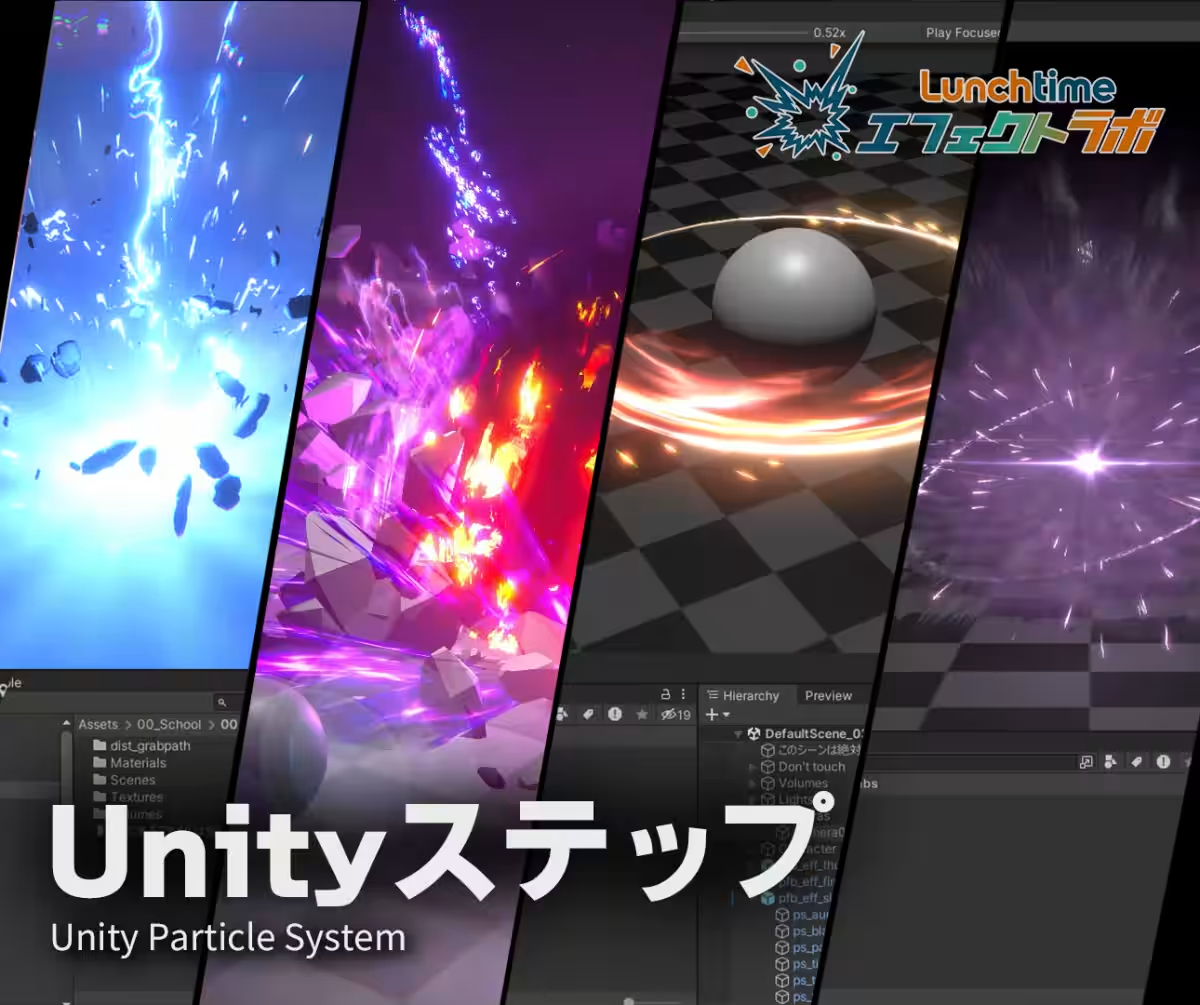
In response to the rising demand for design professionals and acknowledging the skills gap in the market, Lunch Time has established the "Lunch Time Effect Lab," a specialized training school focused on nurturing effect designers for the gaming industry. This innovative program combines real-world insights and tailored instruction to equip individuals with the skills necessary for a successful career in effect design.
For more information on enrolling in the Lunch Time Effect Lab and its offerings, please visit Lunch Time Effect Lab.



Topics Entertainment & Media)





【About Using Articles】
You can freely use the title and article content by linking to the page where the article is posted.
※ Images cannot be used.
【About Links】
Links are free to use.