



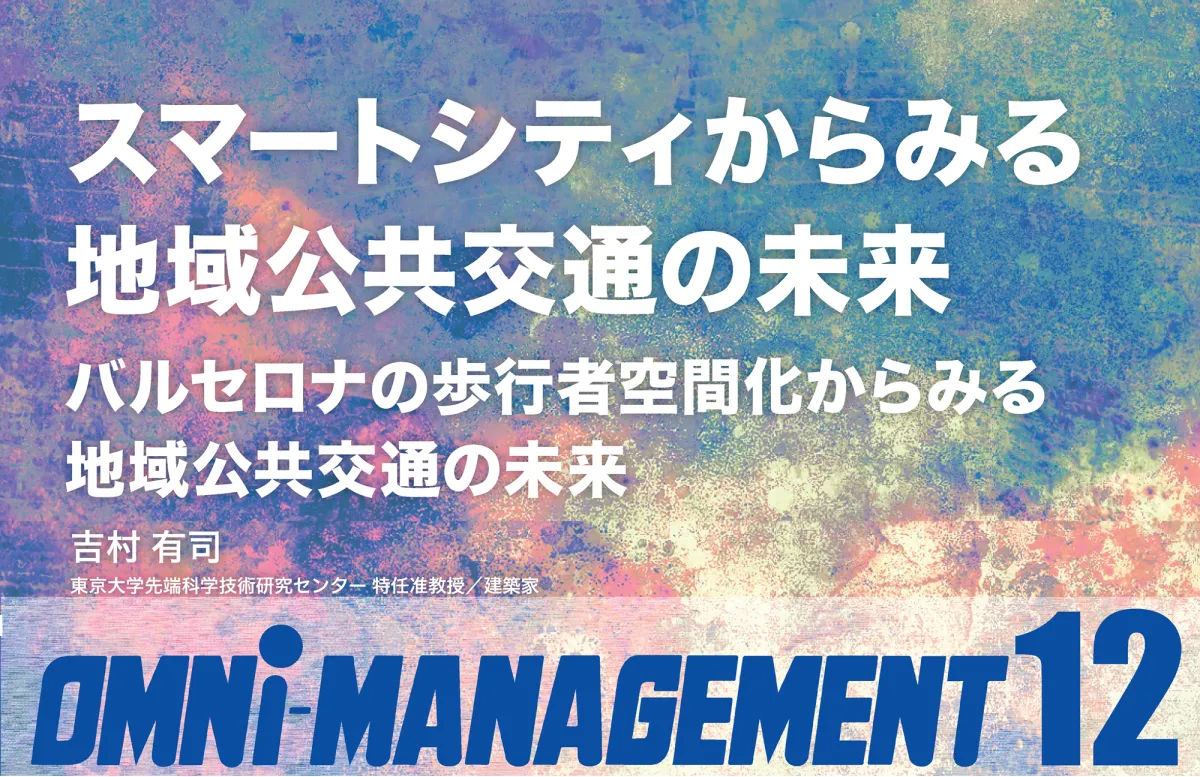
Exploring Smart Cities: Public Transport and Future Technologies for Sustainable Urban Management
Understanding the Transformation of Urban Management through Smart Cities
In recent years, the concept of smart cities has garnered significant global attention, especially as we navigate the challenges of urbanization and resource management. This emerging paradigm focuses on harnessing technology to create urban environments that prioritize the needs of their inhabitants. Far from merely being a trend defined by advanced technologies like AI and autonomous vehicles, the essence of smart cities lies in developing human-centered urban management systems that enhance the quality of life for residents.
The Japanese government's initiatives, including the Digital Garden City Nation concept and the integration of digital twins, illustrate a national commitment to urban digitization. These projects facilitate data sharing among municipalities, integrate public transportation systems, and optimize urban services, marking a decisive shift in local governance and community engagement.
Spotlight on Barcelona's Innovations
Among the trailblazers in smart city initiatives is Barcelona, which serves as a prime example of reimagining urban spaces to accommodate pedestrian needs and revamp public transport. The city has undertaken significant efforts to expand pedestrian-only zones, reducing vehicular traffic and enhancing air quality while promoting walking and cycling as essential modes of transportation. This initiative reflects a broader commitment to sustainable urban environments that prioritize well-being.
The reorganization of public transport in Barcelona has also been noteworthy. By consolidating various transit services and streamlining operations, the city has improved accessibility and efficiency—principles critical for fostering robust urban mobility. Utilizing data analysis to monitor and manage the transit system is helping to further enhance commuter experiences and operational performance.
The Future of Urban Mobility and Resident Engagement
The transformation of urban settings is not merely a technical endeavor; it is fundamentally about reshaping how residents engage with their cities. Emerging models that prioritize citizen participation in decision-making processes around technology implementation are gaining traction globally. Cities are now leveraging digital platforms to involve residents in policy formation and urban redesign, aligning innovations with community needs and preferences.
In its latest publication, the Omni Management magazine under the auspices of the Japan Management Association elaborates on these innovative approaches to urban governance. The featured articles this month emphasize the transformational potential of smart cities, detailing how technologies can lead to more inclusive, resilient, and responsive municipal services. Among the contributors is Dr. Yuji Yoshimura, a prominent academic, who discusses the future of public transportation through the lens of Barcelona's pedestrianization efforts. His insights shed light on the critical intersection of transportation and urban development trajectories.
Diverse Perspectives from Industry Leaders
The magazine further presents a variety of perspectives from industry experts, including:
- - Ariake Honda, a human resources consultant, who offers practical advice for individuals navigating life challenges in modern contexts.
- - Ken Mori, a journalist, discussing Japan's investment in future technologies, particularly semiconductor advancements and AI.
- - Tomomi Himeno, director of Himeno Clinic, who highlights the hidden importance of the vagus nerve in health management.
- - Kenjiro Hashimoto, president of Nippon Bunri University, who analyzes generational trends impacting success among youth today.
These diverse narratives converge around the notion that as municipalities and businesses embrace digital transformation, opportunities for workforce development and sustainable practices emerge, benefiting residents in profound ways.
Celebrating 70 Years of Chofu City
Additionally, the magazine commemorates Chofu City’s 70th anniversary, emphasizing its rich history while looking forward to a future characterized by community vibrancy and engagement. The administrative management department of Chofu shares insights on how the city plans to leverage its history to enhance its appeal to residents and visitors alike.
The Omni Management magazine continues to be a vital resource for policymakers, business leaders, and academic researchers, providing current knowledge that shapes the future of urban management.
For further reading, access the digital version of the latest issue here.
Topics Other)
【About Using Articles】
You can freely use the title and article content by linking to the page where the article is posted.
※ Images cannot be used.
【About Links】
Links are free to use.