



Why Aren't More Professionals Using AI? Discover the Top Reasons
The Growing Pressure to Embrace AI
In today's fast-paced business environment, the productivity boost that artificial intelligence (AI) can provide is undeniable. Yet, even as more professionals acknowledge this, a significant number remain hesitant to adopt AI into their work. Concerns around falling behind the trend have led many to wonder: Why aren’t more individuals engaging with AI? This article explores a recent survey conducted by the AI Skills Academy, targeting over 300 business professionals, revealing the barriers to learning AI and taking the necessary steps toward integration.
Survey Insights
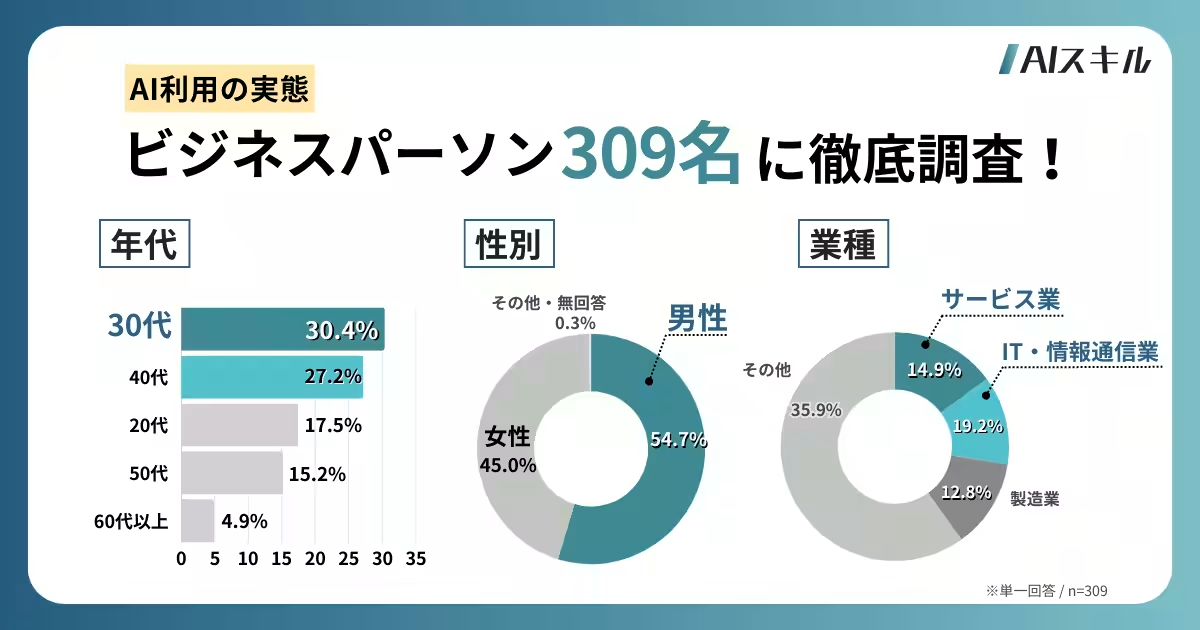
The AI Skills Academy, known for its popular seminars on AI utilization, conducted a comprehensive survey comprising responses from 309 professionals, including 158 users and 151 non-users of AI tools. The age demographics showed a significant representation from the 30s and 40s age groups, highlighting that interest in AI is particularly pronounced among those currently navigating their careers.
The Professional Landscape
Diving deeper into the profession distribution, the survey uncovered that the service industry ranked as the largest sector at 14.9%, followed by IT and communication, as well as manufacturing, each at 12.6%. This spread indicates that AI's relevance extends beyond any single sector, penetrating various professional fields.
Unpacking the Barriers: The Top Four Reasons for Non-Participation
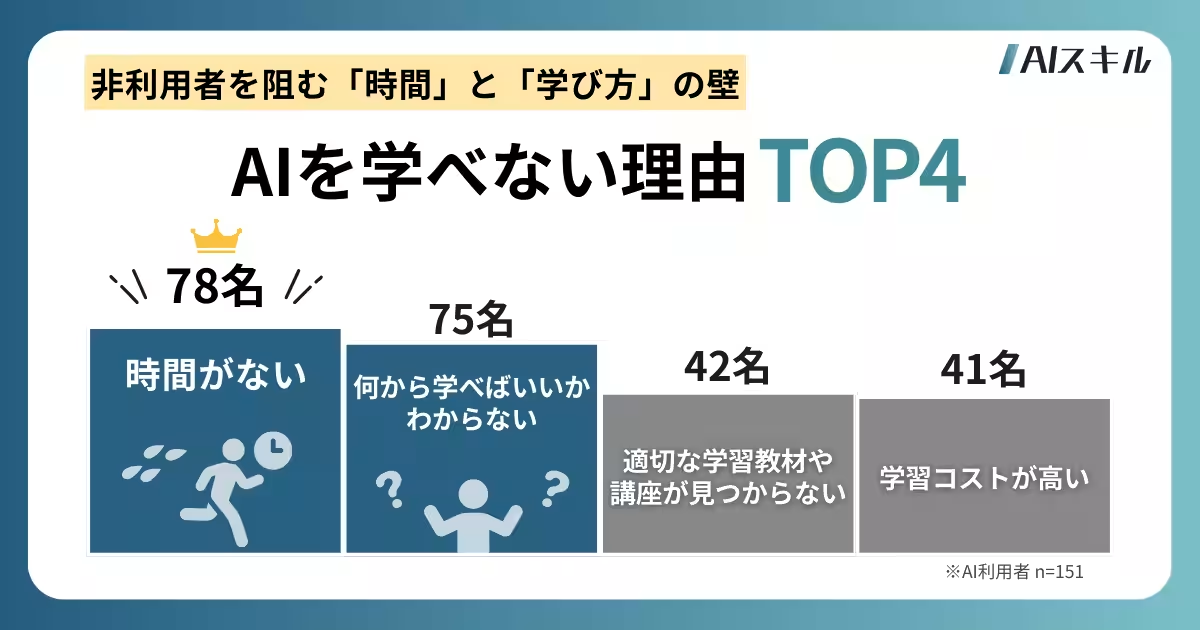
Based on the survey results, it became clear that several factors deter professionals from taking the plunge into AI. The top two barriers cited were:
- - Lack of Time (78 respondents): Many individuals feel overwhelmed with their current workload and find it challenging to allocate time for learning new skills.
- - Uncertainty About Where to Start (75 respondents): A prevalent sentiment among non-users is confusion regarding what resources to utilize or what concepts to learn first.
This feedback indicates that the struggle is not due to a lack of desire or initiative but rather the existence of tangible obstacles preventing them from engaging with the technology.
In the third and fourth positions, respondents noted challenges in:
- - Finding Appropriate Materials or Courses (42 respondents)
- - Perceived High Costs of Learning (41 respondents)
These findings suggest a complex interplay of issues that shape opinions around AI adoption, illustrating how its multifaceted nature can create confusion and hesitation.
User Versus Non-User Mindset
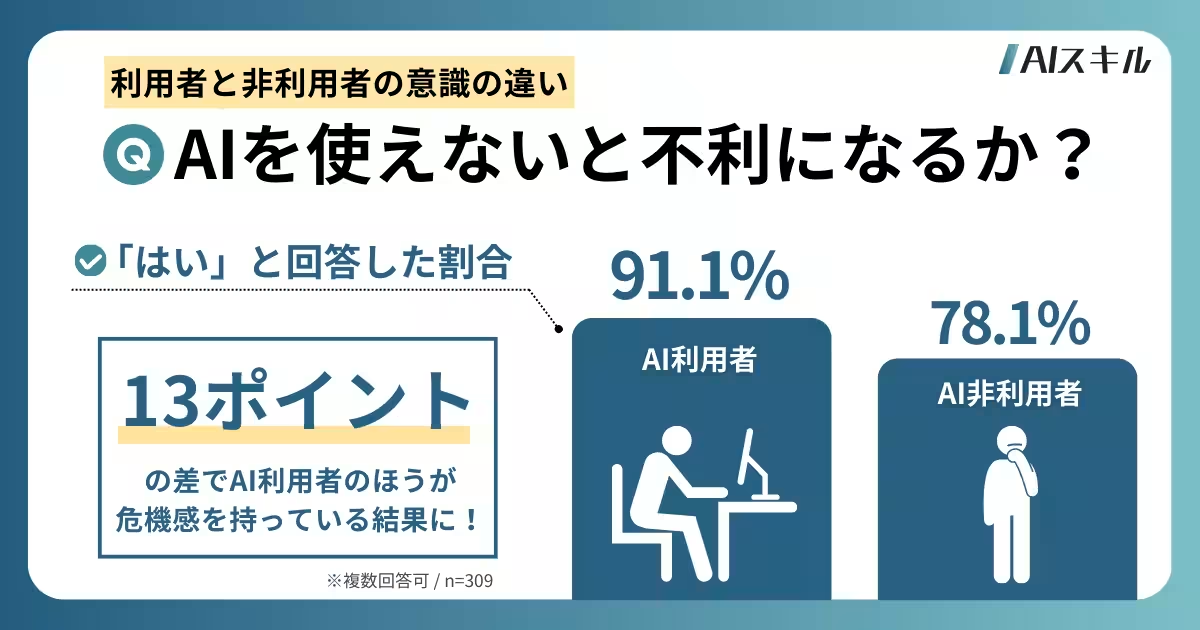
A stark contrast exists between the mindsets of those utilizing AI tools and those who aren't. The survey posed a critical question: “Do you believe that not being able to utilize AI will disadvantage you in your career?” Among AI users, 91.1% agreed with the statement, while only 78.1% of non-users shared that view, highlighting a significant 13-point gap in understanding the impact of AI on future career success. Furthermore, an overwhelming 94.8% of users predict that their AI skills will be even more crucial in the next five years, indicating a collective belief that investing in AI proficiency is essential for long-term career viability.
Fostering Awareness of the Skills Gap
Interestingly, 26.5% of non-users expressed feelings of anxiety regarding their careers when they observe colleagues successfully leveraging AI. This sentiment underscores the growing realization that AI skills can afford significant advantages, such as increased efficiency and innovative thinking. Users report that by integrating AI into their tasks, they not only save time but can invest that time into more value-driven activities.
Clarifying the Core Skills Needed for AI
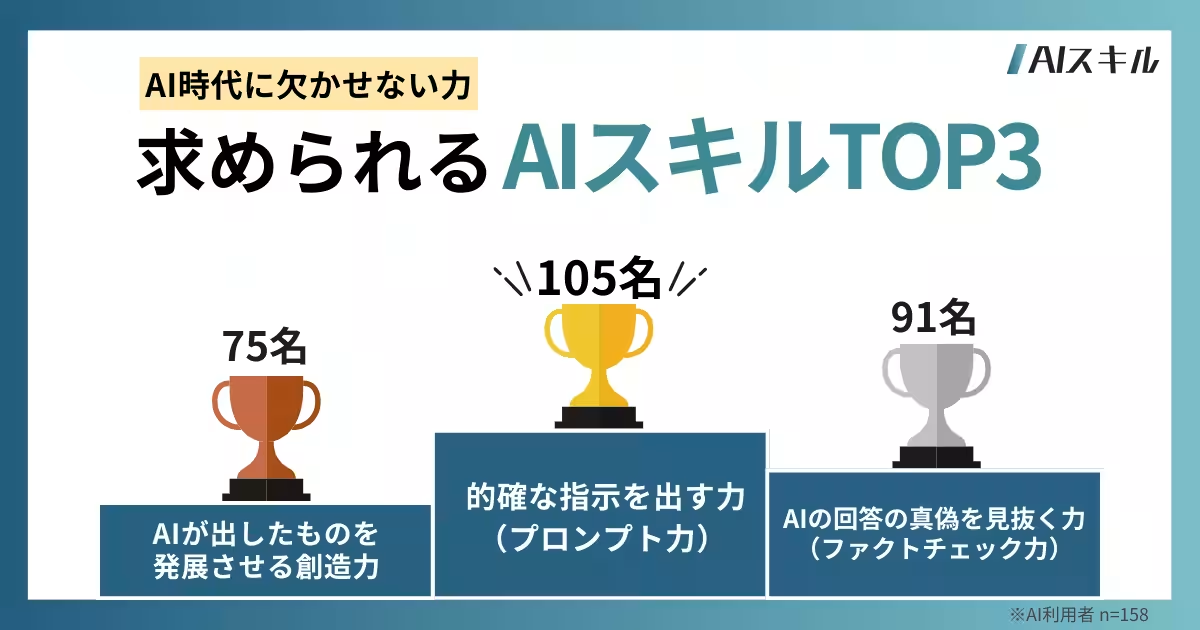
When asked about the necessary skills needed to wield AI effectively, those who utilize it emphasized the importance of:
1. Giving Accurate Instructions (Prompt Engineering)
2. Evaluating the Validity of AI Responses (Fact-Checking)
3. Creative Thinking to Extend AI Outputs
This response stresses the importance of practical skills over in-depth programming knowledge; it's about smartly engaging AI to enhance productivity. Moreover, many users reportedly learned independently through online resources, showing that the skills can be cultivated without needing formal training or special environments.
Creating Time for Learning
Reflections on time reveal that many AI users have succeeded in carving out learning moments by restructuring their priorities. This realization highlights that while time constraints are a legitimate barrier, they can be overcome through careful planning and commitment.
Conclusion: Bridging the Gap
The survey reveals that many non-users of AI remain stalled in their careers due to both time constraints and uncertainty around learning. However, overcoming these barriers hinges on shifting the perception of AI from a complex technical tool to a supportive partner in thought processes.
Successfully asking the right questions, verifying answers, and integrating those insights into work tasks is the foundational step to career advancement in an AI-driven world. As we delve into an era increasingly dictated by AI capabilities, acquiring the skill to engage in a meaningful dialogue with these technologies will be paramount for professional growth.
For more insights, professionals are encouraged to reference the comprehensive findings from the AI Skills Academy.
About the AI Skills Academy
The AI Skills Academy aims to equip professionals with practical AI skills necessary to stay competitive in the evolving job market. Their seminar, “Getting Started with ChatGPT,” allows participants to learn AI skills applicable to work within just 2.5 hours. Interested individuals are encouraged to register for free seminars to ensure they remain relevant in this rapidly changing technological landscape.
For further details, visit AI Skills Academy.
Survey Summary
- - Survey Title: Awareness Survey on AI Skills and Careers
- - Participants: Working adults aged 20 and above nationwide
- - Duration: July 15 to July 24, 2025
- - Method: Online survey
- - Valid Responses: 309 (Users: 158 / Non-Users: 151)
For inquiries about this release, please contact:
- - Company Name: AI Skills Co., Ltd.
- - Email: [email protected]

Topics General Business)
【About Using Articles】
You can freely use the title and article content by linking to the page where the article is posted.
※ Images cannot be used.
【About Links】
Links are free to use.