



Seniors’ Health Commitments in 2026: Insights from Cosmo Health Research
Understanding Seniors' Health Commitments for 2026
In recent findings released by Cosmo Health, a marketing platform specializing in seniors, insights into the health habits and aspirations of individuals aged 50 and above have emerged. The report elaborated on the intentions of seniors regarding health practices they wish to start or discontinue by 2026. Notably, nearly 80% of respondents remain undecided, indicating a significant gap between interest and action.
Survey Highlights
1. The Uncertainty in Health Actions
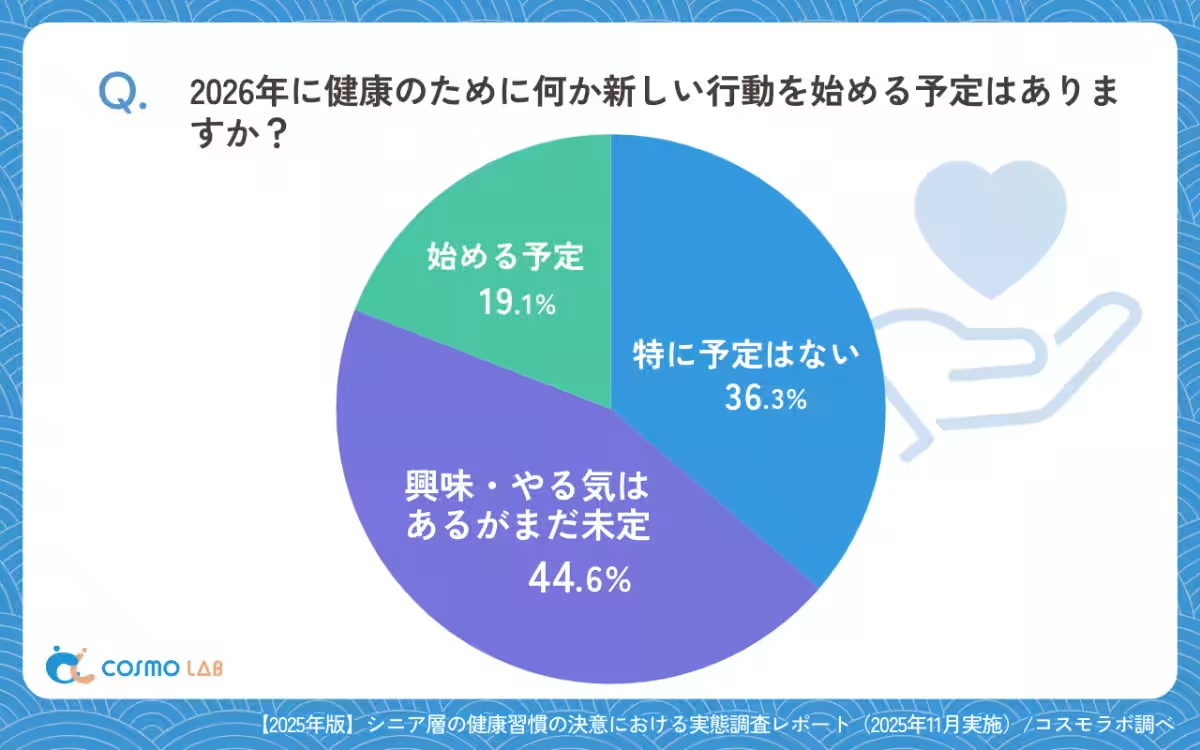
Among respondents, 44.6% expressed that while they are interested and motivated, they have not yet decided on specific health behaviors to adopt. This suggests a strong desire to improve health but a lack of clarity on how to begin, highlighting the need for supportive measures to encourage actionable steps.
2. Light Exercise Takes the Lead
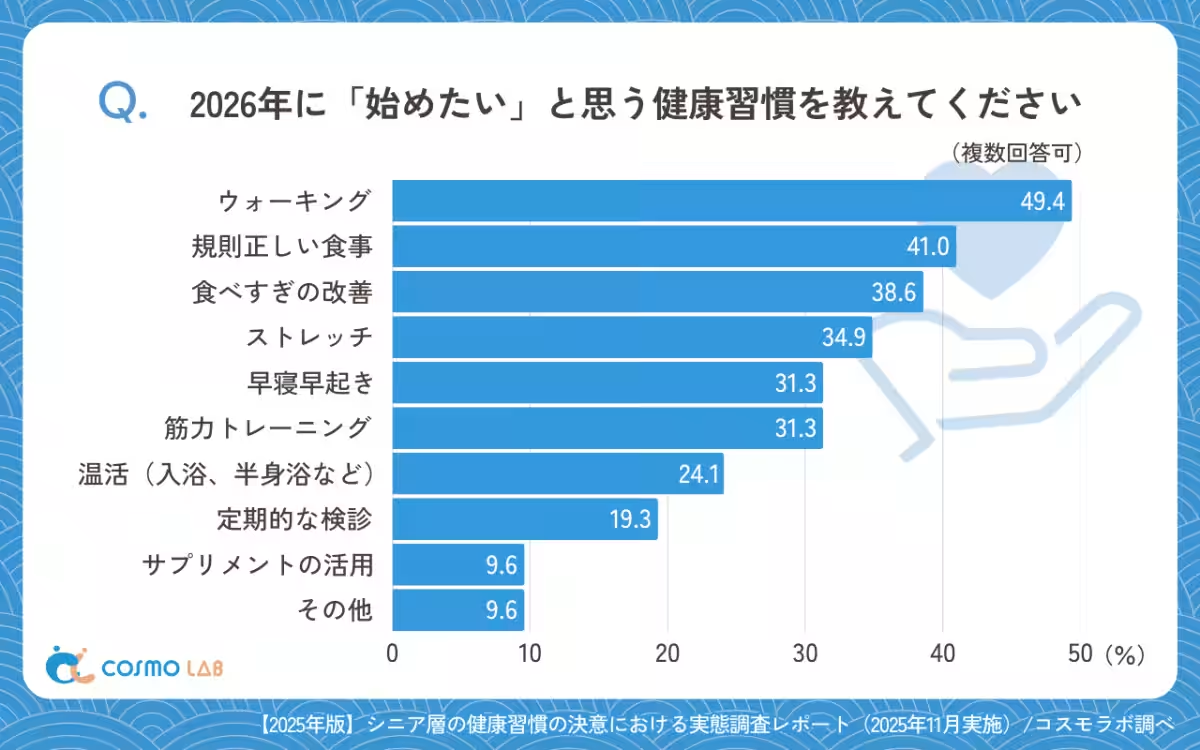
When asking which health habits they plan to begin, light physical activities were predominant. Walking emerged as the top priority, cited by 49.4% of respondents, followed by stretching at 34.9%. These activities reflect a preference for manageable, everyday exercises, making them more likely to be integrated into their routines.
3. Barriers to Continuity: Mental Challenges
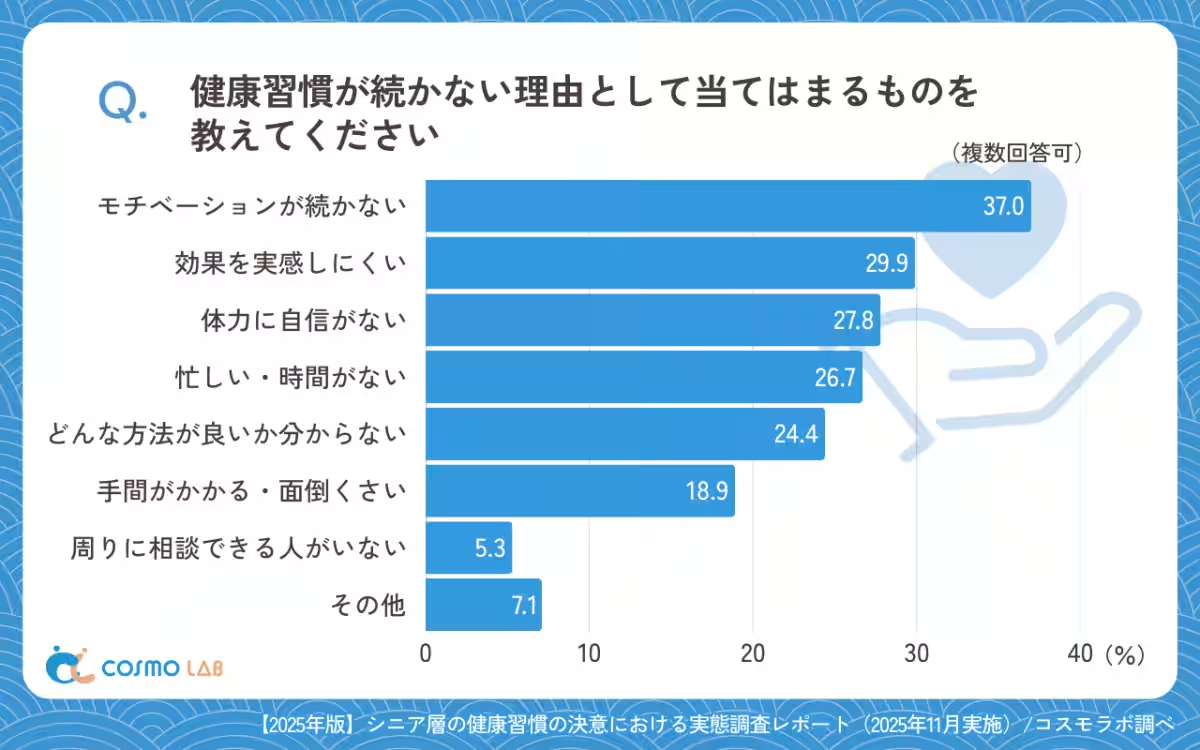
The main reasons seniors reported for not maintaining health habits were a lack of sustained motivation (37.0%) and difficulty perceiving tangible benefits (29.9%). This analysis reveals that psychological barriers often outweigh physical limitations, indicating that establishing supportive communities, such as workout buddies, may be essential in fostering sustained health commitments.
4. Self-Assessment of Health
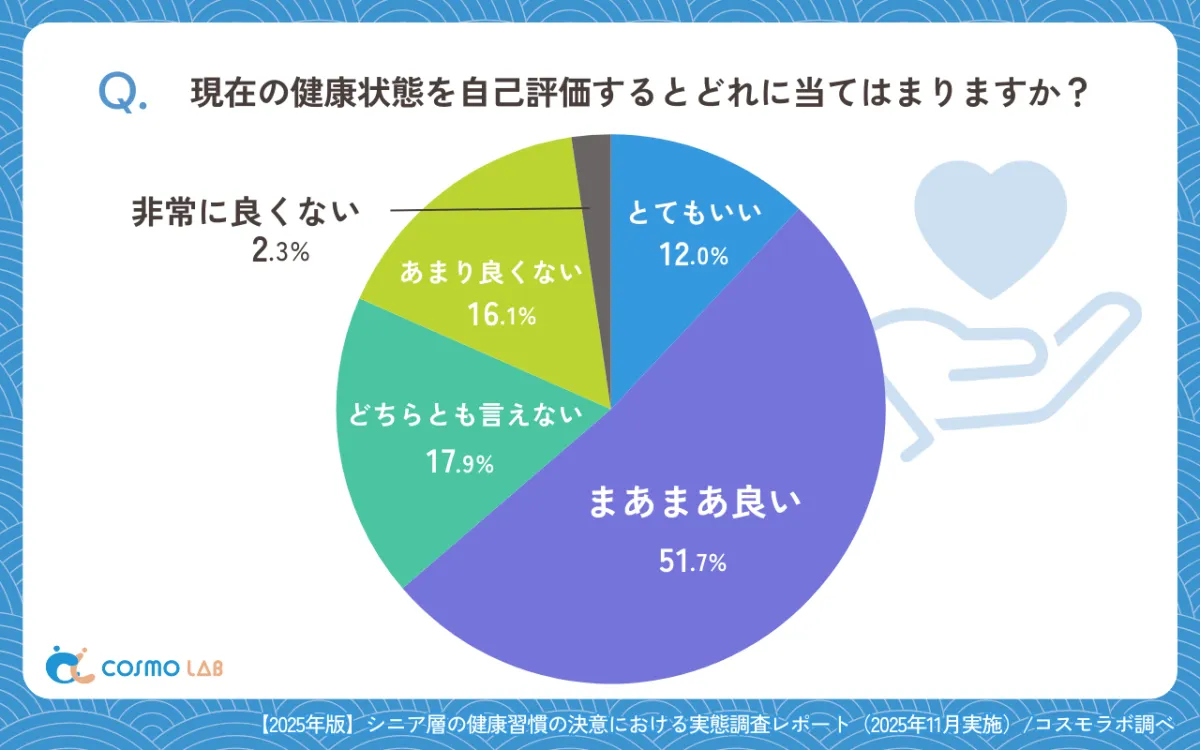
When asked about their current health status, 51.7% of those surveyed considered their health to be ‘fairly good.’ Nonetheless, a significant proportion indicated uncertainty about their health condition, with 17.9% stating ‘neutral’ and 16.1% rating it as ‘not so good.’ This group represents a potential market for initiatives designed to improve health literacy and practices.
5. No Significant Changes Over the Past Year
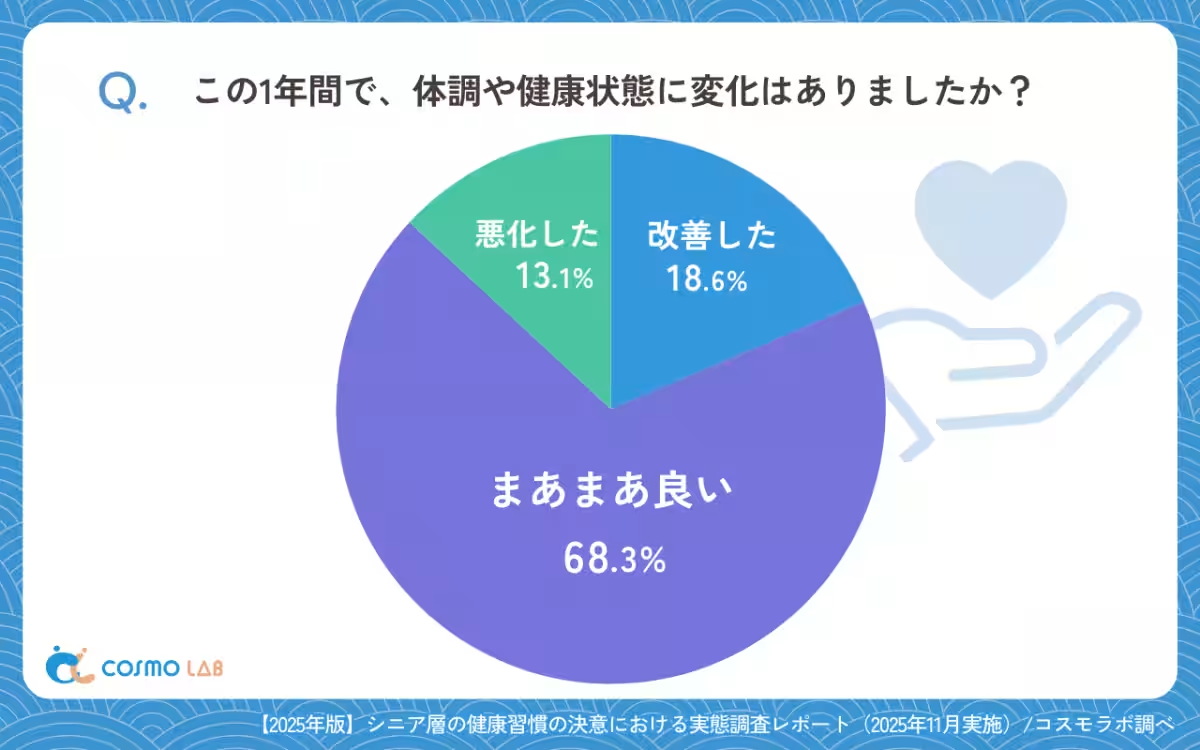
In the past year, 68.3% of participants reported little to no change in their health status. However, a notable 18.6% perceived improvements, suggesting room for more positive health outcomes through proactive lifestyle changes.
6. Enthusiasm to Start New Health Activities
In looking forward to 2026, the enthusiasm for new health behaviors exists, yet specifics are still undecided. The majority expressed intentions to start routines like walking and maintaining a balanced diet, but only 19.1% had definitive plans, while many remain on the fence about their next steps.
7. Willingness to Eliminate Unwanted Habits
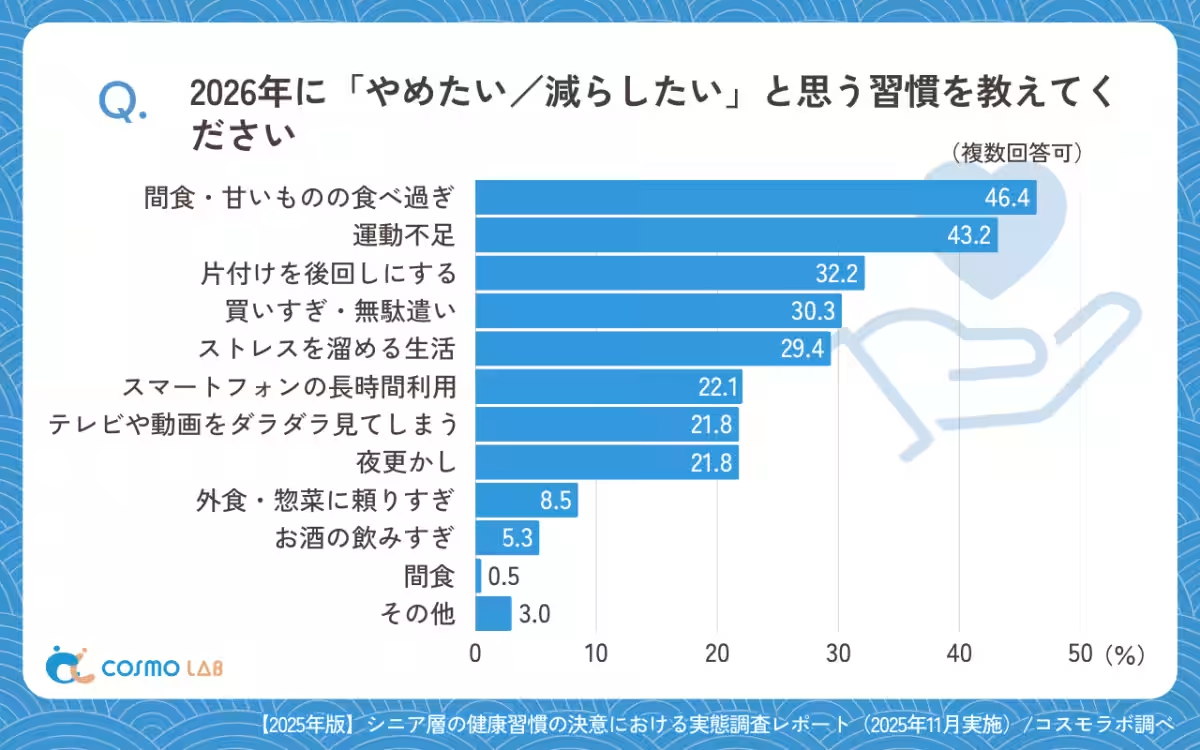
Reflecting on habits they want to discontinue, prominent responses included cutting back on snacks and sweets (46.4%) and addressing physical inactivity (43.2%). It illustrates that concerns about dietary habits coexist with aspirations for an active lifestyle, further emphasizing an overall lifestyle reassessment by seniors.
8. Seeking Community Support
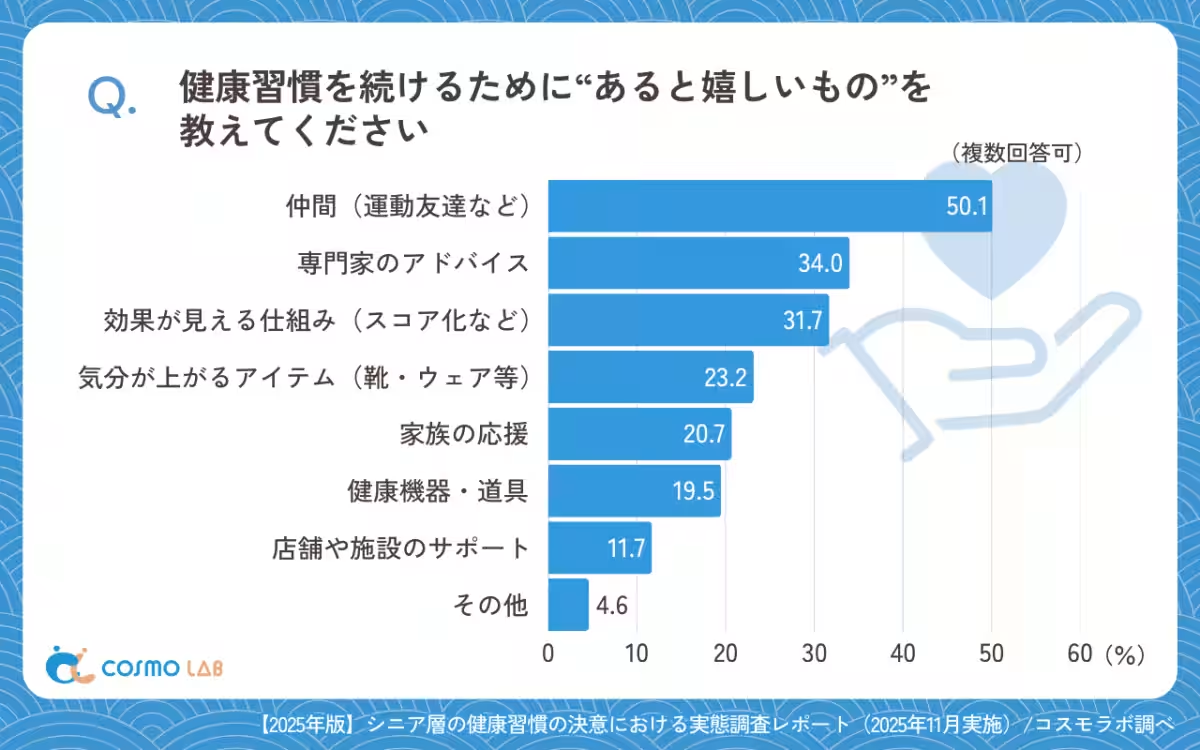
Interestingly, the most crucial support identified for maintaining health habits was the presence of peers or workout partners (50.1%). This suggests that social connections play a vital role in health commitment, often more so than family support.
Conclusion
The findings from this survey underline that a significant portion of the senior demographic possesses an interest in health enhancement but struggles to translate that into concrete action.
The results reveal the importance of structuring interventions not just to initiate healthy habits but to enact supportive conditions that make it easier for seniors to maintain those established routines. Combining easily attainable actions with social support mechanisms could effectively empower the senior community to embrace healthier lifestyle changes moving toward 2026.
As we look ahead, it is critical for health policies and marketing practices to focus on creating environments that facilitate habit sustainability among seniors, rather than simply promoting initial behavior change. Through this lens, organizations can aid in fostering a healthier, more engaged senior population.
Topics Health)
【About Using Articles】
You can freely use the title and article content by linking to the page where the article is posted.
※ Images cannot be used.
【About Links】
Links are free to use.