


Enhancing Environmental Risk Assessment Methods for Surfactants through New Pow Measurement Guidelines
Introduction
The National Institute of Technology and Evaluation (NITE) has taken a significant step forward with the introduction of refined guidelines that optimize the measurement of the 1-octanol/water partition coefficient (Pow) for surfactants. This development aims to enhance environmental risk evaluations for various products, including detergents and paints, where surfactants are widely used. By applying the slow stirring method as outlined in OECD Test Guideline 123, the new measurement protocol offers a reliable means of assessing the environmental distribution and bioaccumulation potential of surfactants in various settings.
Understanding Pow
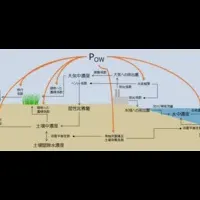
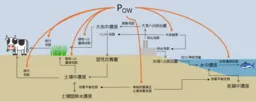
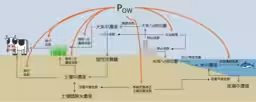
Pow serves as a crucial indicator in evaluating how chemical substances distribute within the environment and organisms. A lower Pow indicates greater solubility in water, whereas a higher Pow indicates a preference for oil solubility. Given the widespread use of surfactants in everyday products, accurate evaluations of their environmental risks are essential to ensure safety and compliance with regulations. Surfactants exhibit unique properties, allowing them to mix water and oil, making it critical to establish the reliable measurement of their Pow values.
Challenges with Traditional Measurement Techniques
Previous measurement methods, such as the flask shaking method and high-performance liquid chromatography (HPLC), proved inadequate for delivering reliable Pow data due to the specific nature of surfactants. This led to the use of alternative estimation methods, which lacked the robustness needed for accurate risk assessment. Consequently, there was a clear need for standardized Pow measurement methods tailored for surfactants.
Introducing the New Measurement Guidelines
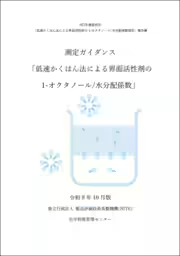
The newly published guidelines facilitate the reliable measurement of Pow for various types of surfactants, including anionic, cationic, zwitterionic, and non-ionic surfactants. The guidelines compile essential procedures and considerations for accurate measurement, alongside real-world data and case studies that validate their efficacy. Furthermore, a supplementary manual has been released to assist practitioners in effectively applying the measurement protocol in their laboratories.
Implications and Expected Outcomes
By publishing these measurement guidelines, NITE aims to enhance the precision of environmental risk assessments for surfactants. A more reliable acquisition of Pow data is expected to significantly contribute to informed decision-making across manufacturers, research institutions, and regulatory agencies. As the new methods gain traction, there is potential for improved chemical management practices, enabling the selection and development of surfactants with lower environmental impacts. Ultimately, the work conducted by NITE underscores the importance of evolving scientific methodologies to meet contemporary environmental challenges.
Conclusion
With the rise in surfactant usage in products that permeate our daily lives, NITE's initiative to refine Pow measurement techniques is timely and critical. As we advance towards more sustainable chemical management practices, the establishment of accurate and standardized evaluation methods is vital. The comprehensive guidelines and accompanying practical resources are set to empower stakeholders with the necessary tools to assess and manage environmental risks associated with surfactants effectively.
Additional Information
The complete guidelines can be accessed through the official NITE webpage, which also provides further insights into the scientific research and methodologies underpinning these advancements.
Topics Other)


【About Using Articles】
You can freely use the title and article content by linking to the page where the article is posted.
※ Images cannot be used.
【About Links】
Links are free to use.