



Understanding Molluscum Contagiosum: A Summer Study on Treatment Choices for Children
Understanding Molluscum Contagiosum
Molluscum contagiosum is caused by the molluscum contagiosum virus (MCV) and affects primarily children. Characterized by shiny nodules that can vary in size from 1mm to 5mm, these lesions often appear on the skin with a central dimple akin to a belly button. The infection spreads through direct contact or shared items such as towels and pool equipment.
Treatment Options
Although most cases resolve without treatment over a period of 6 months to 2 years, healthcare professionals often recommend intervention due to the potential for transmission and social implications, particularly for children.
1. Tweezers Excision
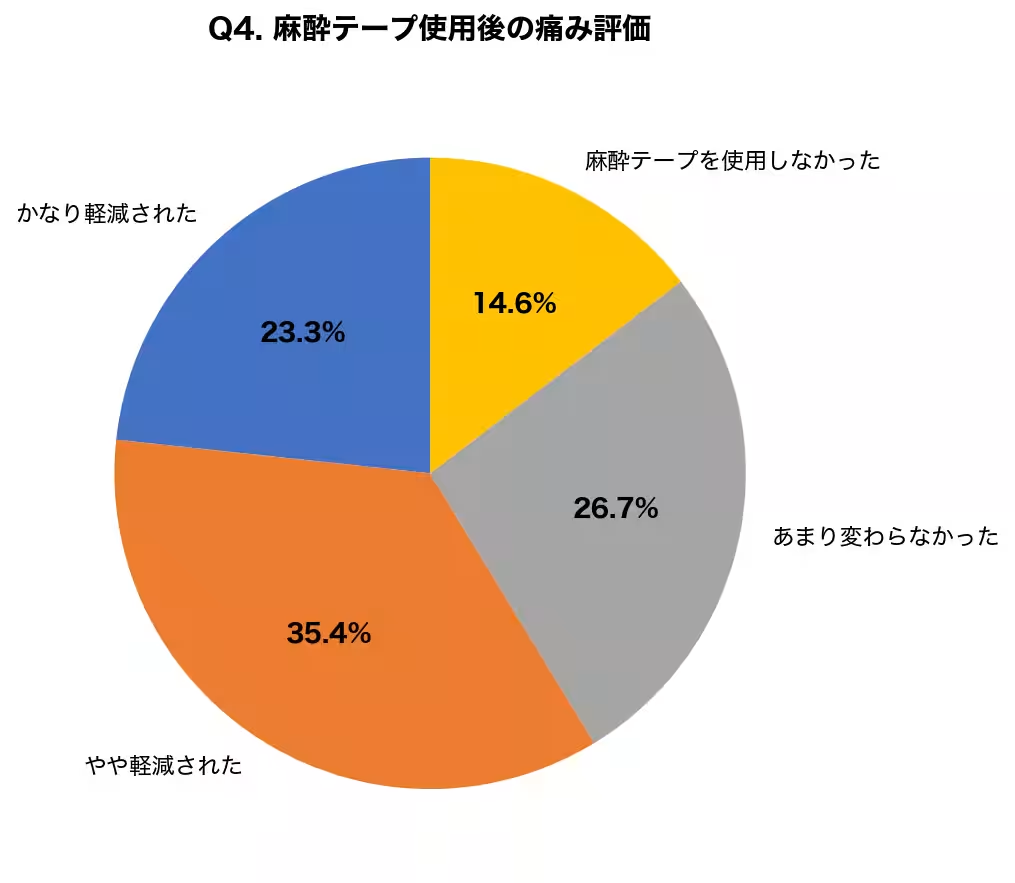
This method involves the physical removal of the core of the lesion using specialized tweezers, making it a highly effective treatment. While this method can treat multiple lesions in one session, it usually involves some painful sensations. The concurrent application of anesthetic tape can help reduce this discomfort significantly. Recent statistics indicate that 58.7% of parents who have experienced this treatment reported reduced pain levels in their child due to the use of anesthetic tape.
2. Topical Silver Nitrate Treatment
This treatment employs a 40% silver nitrate solution or paste which is directly applied to the lesions to chemically induce necrosis. The pain associated with this method is considerably less than that of tweezers excision, and it requires multiple applications. However, patients should be informed of the temporary discoloration that can occur at the application site.
3. Watchful Waiting
In specific cases, parents may choose to observe the lesions without immediate intervention. This option may be suitable for patients with fewer lesions or in older children who are expected to develop immunity. However, this approach necessitates careful consideration as lesions can proliferate during the observation period.
Survey Insights
A recent survey conducted by the IC Clinic among 300 parents of children aged 3 to 12 years who had experienced molluscum contagiosum revealed crucial insights into parental concerns and treatment preferences:
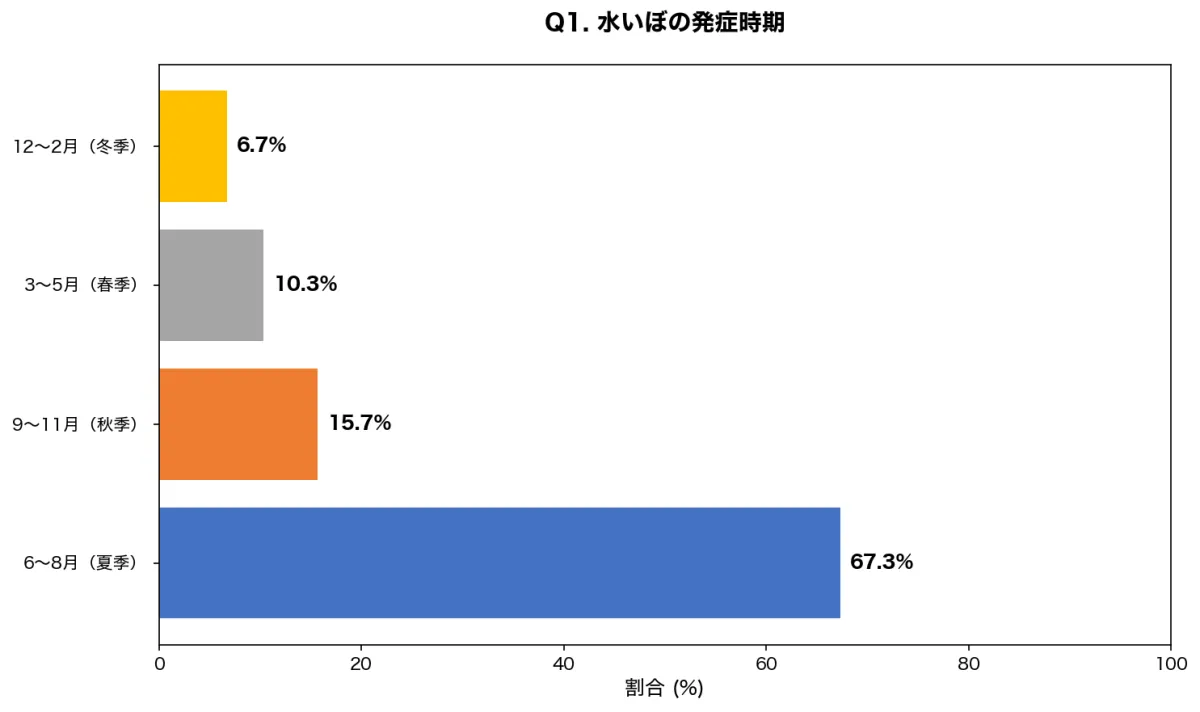
- - Summer Spike in Occurrences: 67.3% of cases were reported during the summer months (June to August), correlating with more opportunities for children to engage in swimming and water play.
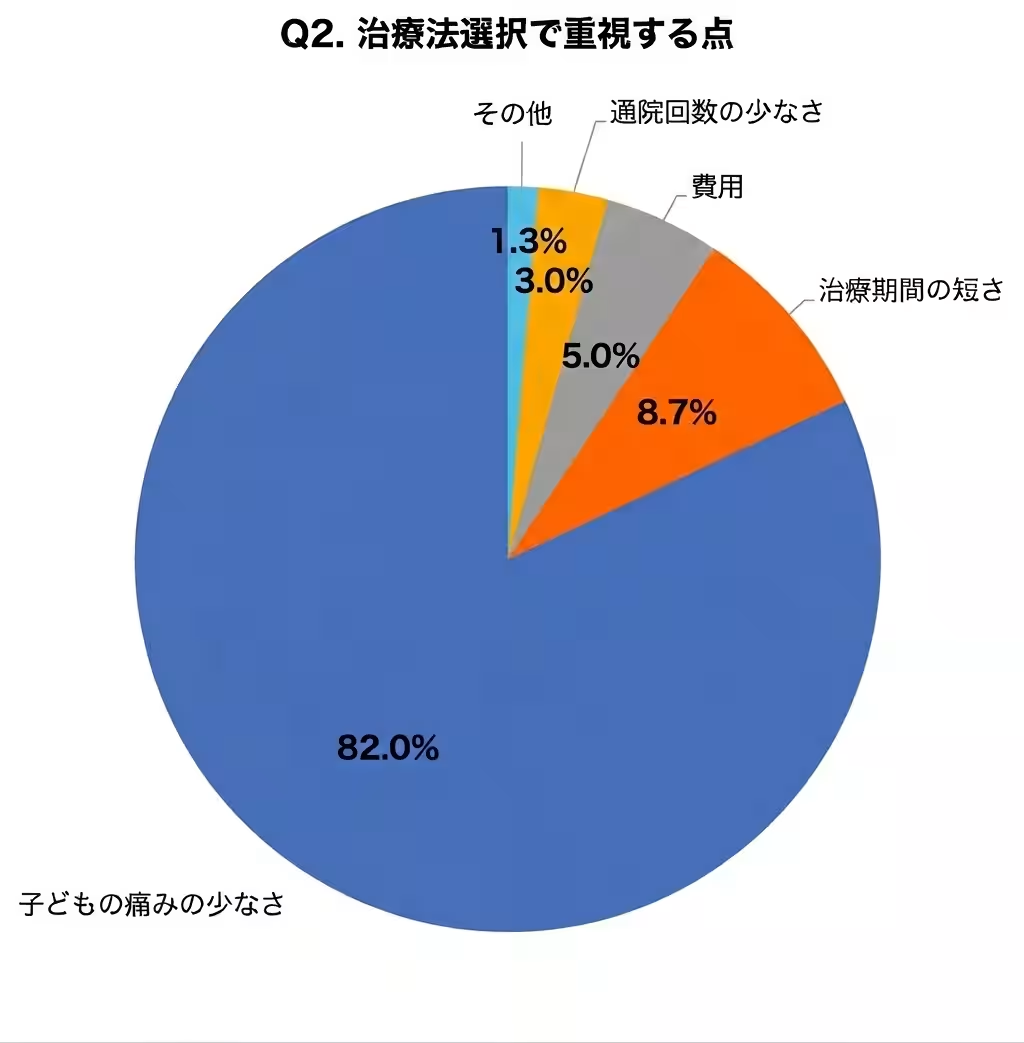
- - Pain as a Top Concern: An overwhelming 82.0% of parents prioritized minimizing their child’s pain when selecting a treatment option.
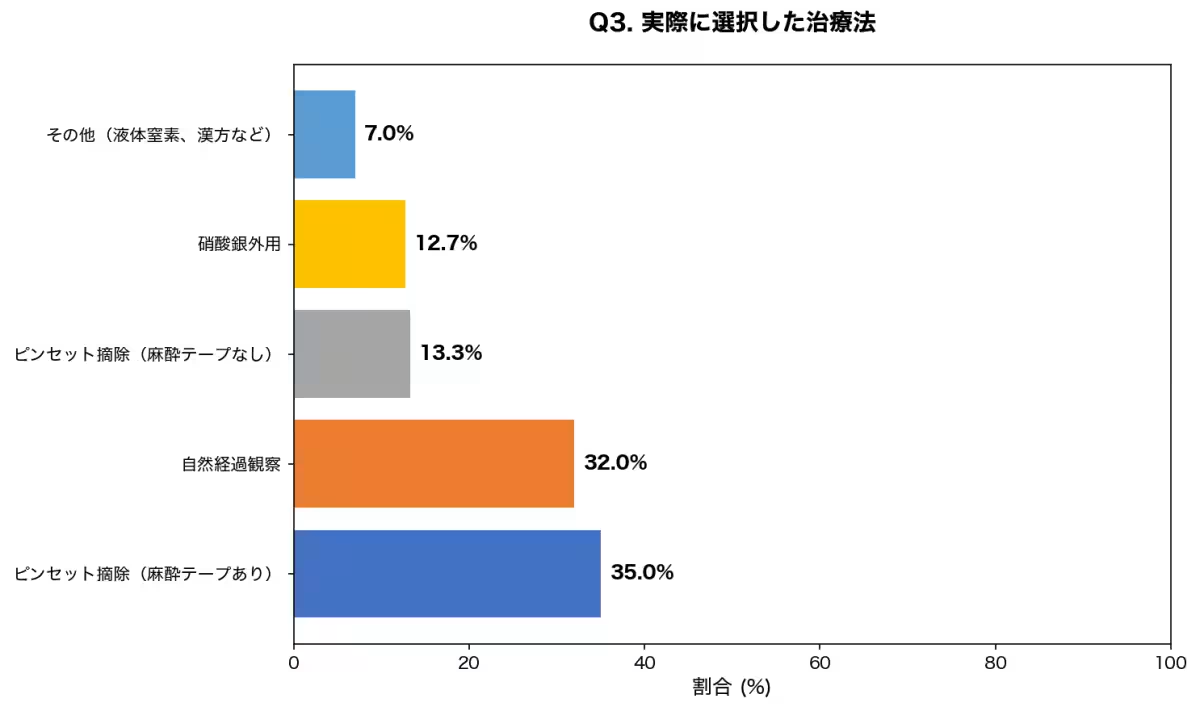
- - Preferred Treatment Methods: The survey indicated that 48.3% of parents opted for tweezers excision, while 32.0% chose the watchful waiting approach.
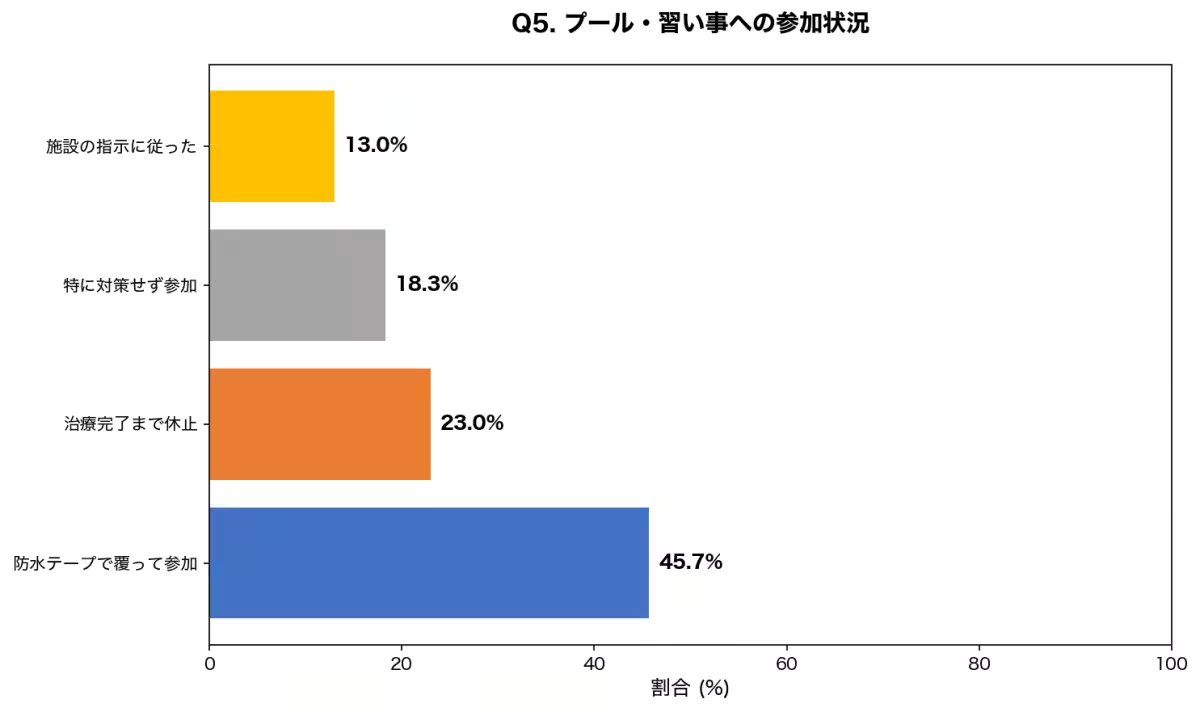
- - Participation in Activities: Interestingly, 45.7% of parents reported allowing their children to engage in swimming activities by covering lesions with waterproof tape, while 23.0% chose to suspend participation until treatment was complete.
Conclusion
The findings from this survey underscore the need for proper educational resources for parents regarding the management of molluscum contagiosum. The emphasis on minimizing pain during treatment, alongside insights into treatment options, can empower parents to make informed decisions. As summer approaches and the incidence of this viral skin condition rises, open communication between healthcare providers and families will be essential in ensuring the well-being of affected children.
Doctor's Commentary
Dr. Kouta Takakuwa from the IC Clinic emphasizes that although molluscum contagiosum often resolves on its own, proactive treatment options are frequently necessary to mitigate the risk of spreading the infection and to reduce the disruption to social activities. To achieve the best outcomes, it's essential to take into account not just the lesions but also the child’s emotional response and the parents’ preferences regarding treatment strategies.
For parents faced with this challenging condition, contacting a medical professional for guidance and support is strongly recommended. The IC Clinic ensures that various treatment options are available, along with proper aftercare instructions to facilitate both healing and social reintegration for affected children.
Topics Health)
【About Using Articles】
You can freely use the title and article content by linking to the page where the article is posted.
※ Images cannot be used.
【About Links】
Links are free to use.