



Suns Pharmaceutical Innovates with Eco-Friendly Capsule Recycling Project for Local Agriculture
Introduction
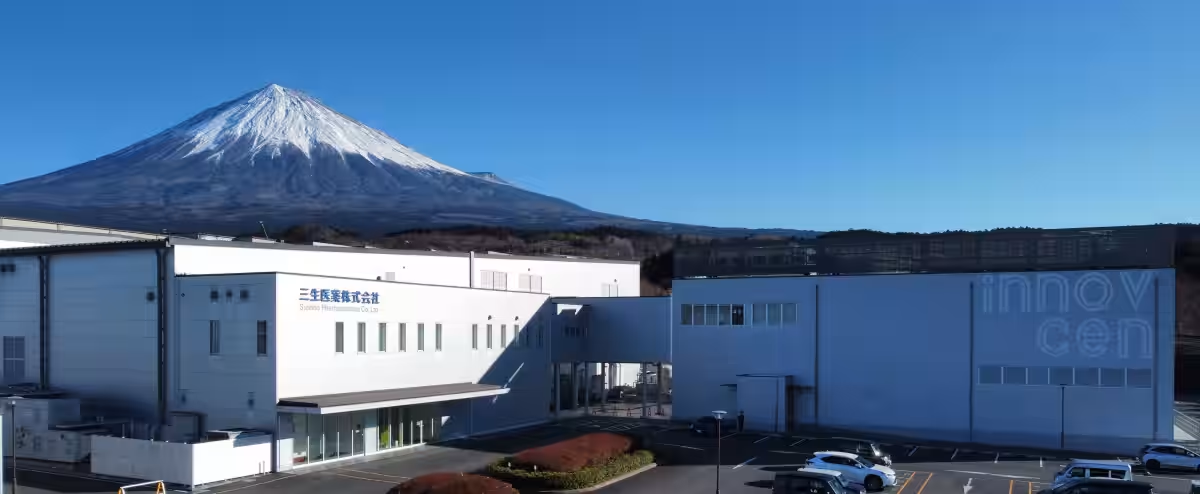
Suns Pharmaceutical, a notable player in the health food and supplement OEM manufacturing sector, has launched an innovative resource recycling project in Fuji City, Shizuoka Prefecture. This initiative aims to repurpose non-standard plant-based capsules, made from materials like agar and corn-derived starch, into compost, thereby supporting local agriculture and contributing to sustainability.
Project Overview
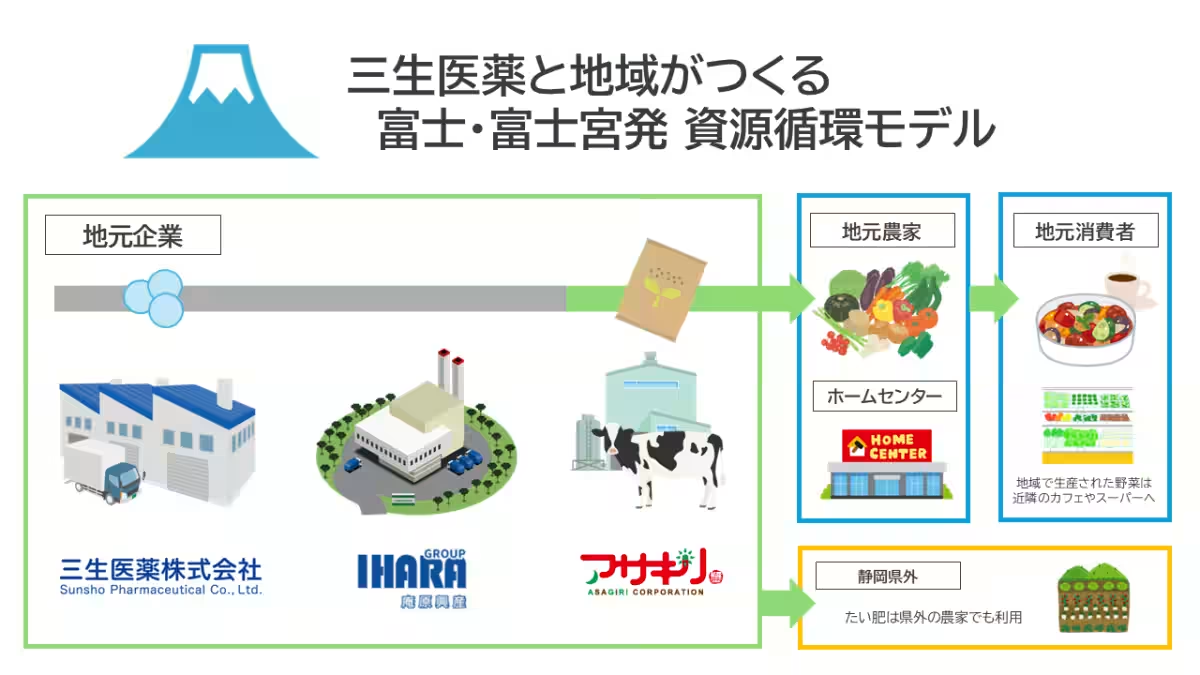
The initiative is centered on converting previously discarded plant-based capsule materials into compost, shifting the perspective from seeing them as waste to viewing them as valuable resources. Collaborating with local companies, including Ibara Kousan and Asagiri, Suns Pharmaceutical is pioneering a resource circulation model that reduces environmental impact and fosters community co-creation.
Key Points of the Project:
1. Repurposing non-standard plant-based capsules into compost for local agriculture.
2. Creating a circular scheme for resource processing with local enterprises.
3. Anticipating a reduction of around 324 cubic meters of waste annually, supporting SDG Goal 12.
Background of the Initiative
Suns Pharmaceutical's initiative stemmed from a common challenge in capsule manufacturing—dealing with a certain amount of defective or non-standard capsules. Traditionally considered industrial waste, these capsules have now been identified as opportunities for reuse, thanks to the unique properties of the plant-based materials used in their production. The company has recognized its responsibility to balance manufacturing practices with contributions to the local community.
With an eye on its “Environmental Goals 2030,” Suns Pharmaceutical has endeavored to create a framework that simultaneously reduces waste and fosters resource circulation through cooperation with local waste management and composting businesses. This strategic partnership not only aims to enhance the local economy but also emphasizes the company's commitment to global health and wellness.
The Recycling Process Explained
The non-standard plant-based capsules generated during manufacturing first undergo pre-treatment at Ibara Kousan before being transported to Asagiri’s composting facility in Fuji City. Here, they are mixed with other materials and subjected to fermentation at high temperatures to promote microbial decomposition. The process, which entails continuous moisture adjustment and stirring, seeks to harness natural processes to regenerate compost.
While the fermentation can produce strong odors, Asagiri employs water-flow deodorization systems to minimize environmental impact. Notably, Fuji and Fujinomiya are recognized as key dairy production areas in Japan, where the historical challenges of odor and greenhouse gas emissions from cow manure have been addressed through this recycling initiative. Asagiri now processes a third of the region's cow manure, converting it into compost, which supports both environmental improvement and resource recycling.
The final compost, containing approximately 50% cow manure, is high in nutrition and is distributed to local farmers through home improvement stores in the Fuji and Fujinomiya areas. Some compost is even shipped outside the region, further elongating its utility in local agriculture.
Benefits to Local Farmers
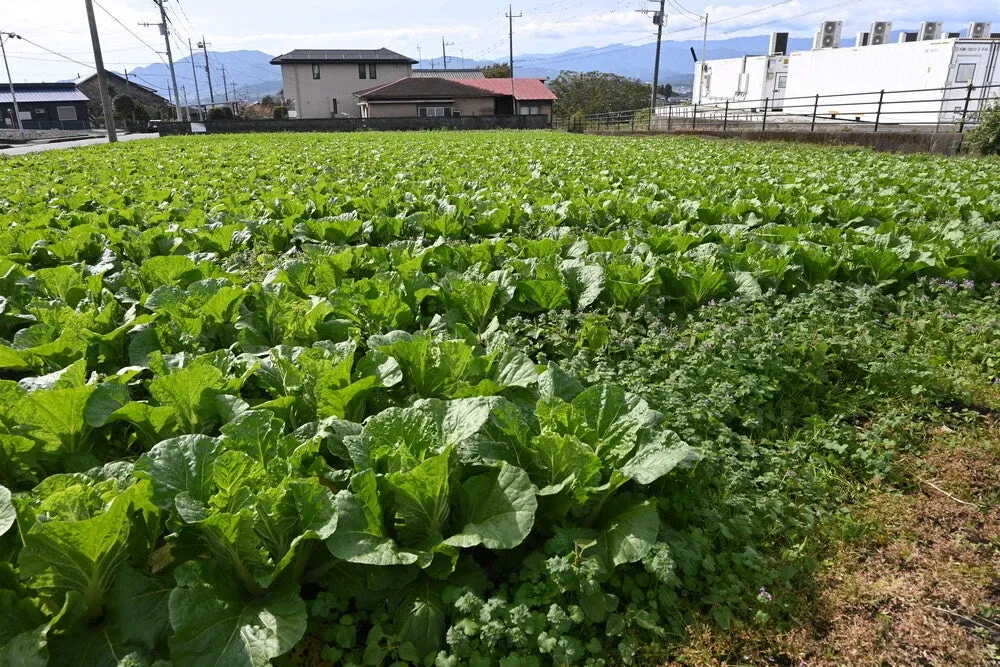
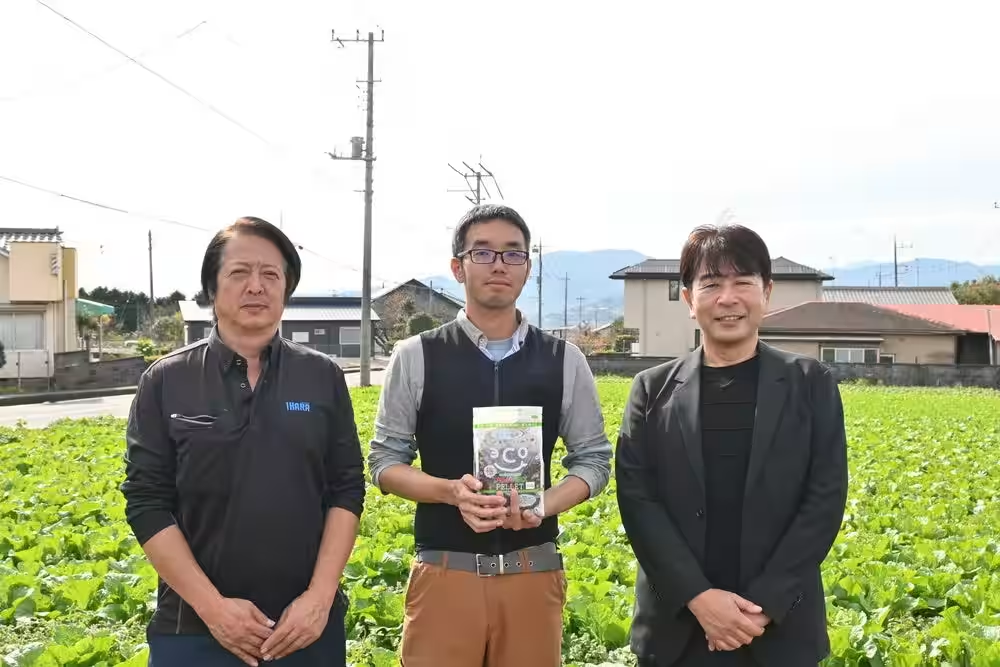
Farmers, such as Tatsuya Yamamura from YAMATARO F&C, a company engaged in growing vegetables across twelve locations, have experienced firsthand the positive impacts of using this compost. Yamamura has noted stabilization in soil quality and nutrient retention, particularly in light of increasingly unpredictable weather patterns. With rising transport costs, access to high-quality local compost has been pivotal for his farming operations.
Yamamura’s vegetables, cultivated with the compost, are sold in multiple local supermarkets and even at the YUHOBI Cafe, a nearby establishment, ensuring fresh produce reaches consumers within moments of being harvested. This approach not only showcases sustainable farming practices but also highlights the advantages of leveraging local strengths.
A Sustainable Future Through Resource Circulation
Through this joint project, Suns Pharmaceutical anticipates a significant yearly reduction of 324 cubic meters of waste, representing a tangible contribution to the achievement of SDG Goal 12—responsible consumption and production. The project's value extends beyond waste reduction, as it cultivates new collaborations with regional enterprises, boosts agricultural productivity, and invigorates the local economy.
By grounding its efforts in local initiatives, Suns Pharmaceutical is not only upholding its commitment to producing quality health products but is also expanding its mission to foster a sustainable society that prioritizes both environmental and community well-being.
Stakeholder Feedback
From Ibara Kousan, Moriyama commented on the collaboration with Suns Pharmaceutical: “Working together, we’ve created a mechanism that allows us to repurpose what was once thought as industrial waste. This represents not just a reduction in environmental impact but opens new possibilities in waste management.”
Mina from Asagiri added, “The plant-based capsules are ideal for compost production. It’s gratifying to see how our efforts support local farmers’ productivity and crop stability. As more businesses adopt such circular models, we believe agricultural sustainability can be greatly enhanced, leading to a thriving local economy.”
Conclusion
This project exemplifies how effective partnerships and innovative thinking can transform waste into sustainable resources. By prioritizing the circular economy, Suns Pharmaceutical not only aids the local agricultural sector but also exemplifies its dedication to a healthier planet for generations to come.







Topics Consumer Products & Retail)
【About Using Articles】
You can freely use the title and article content by linking to the page where the article is posted.
※ Images cannot be used.
【About Links】
Links are free to use.