



Exploring the Self-Care Landscape of Generation Z in 2025
Understanding Generation Z's Self-Care Practices in 2025
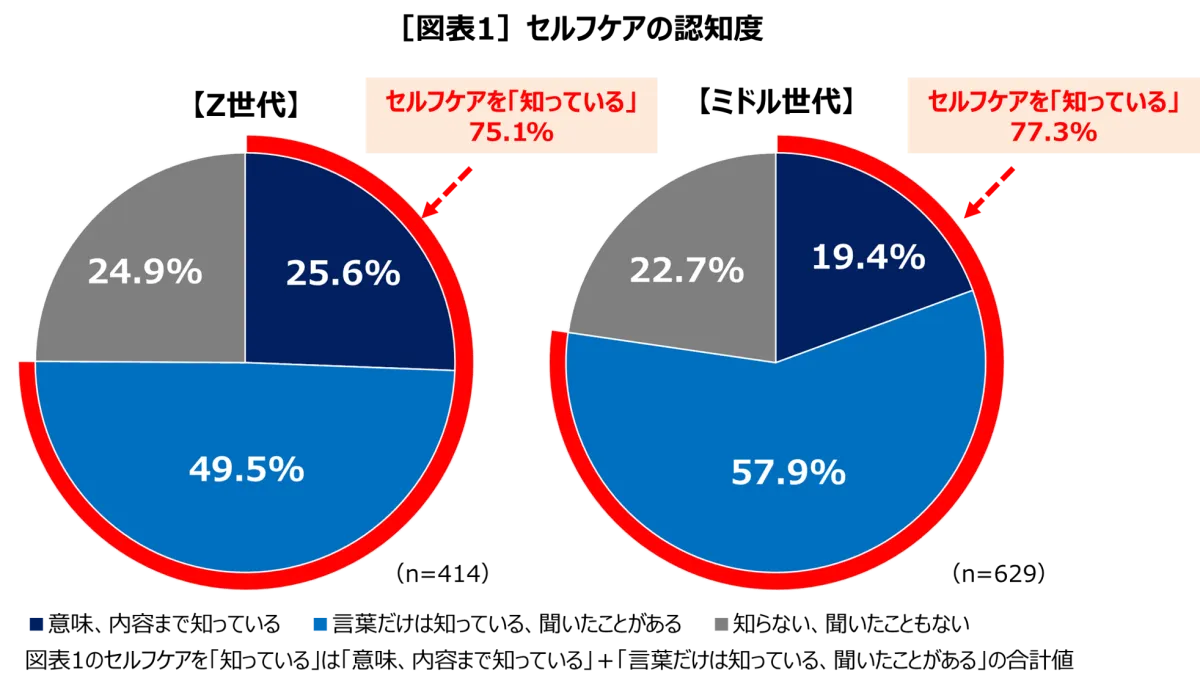
Daiichi Sankyo Healthcare, based in Chuo Ward, Tokyo, is on a mission to foster a sustainable future where people, society, and the planet thrive together. With a focus on addressing health challenges, the company has developed various initiatives under the 'Self-Care Academy' aimed at enhancing health literacy. Recently, they launched the 'Z Generation Self-Care White Paper 2025,' based on a survey that explores the self-care attitudes of Gen Z.
Survey Insights on Gen Z's Self-Care
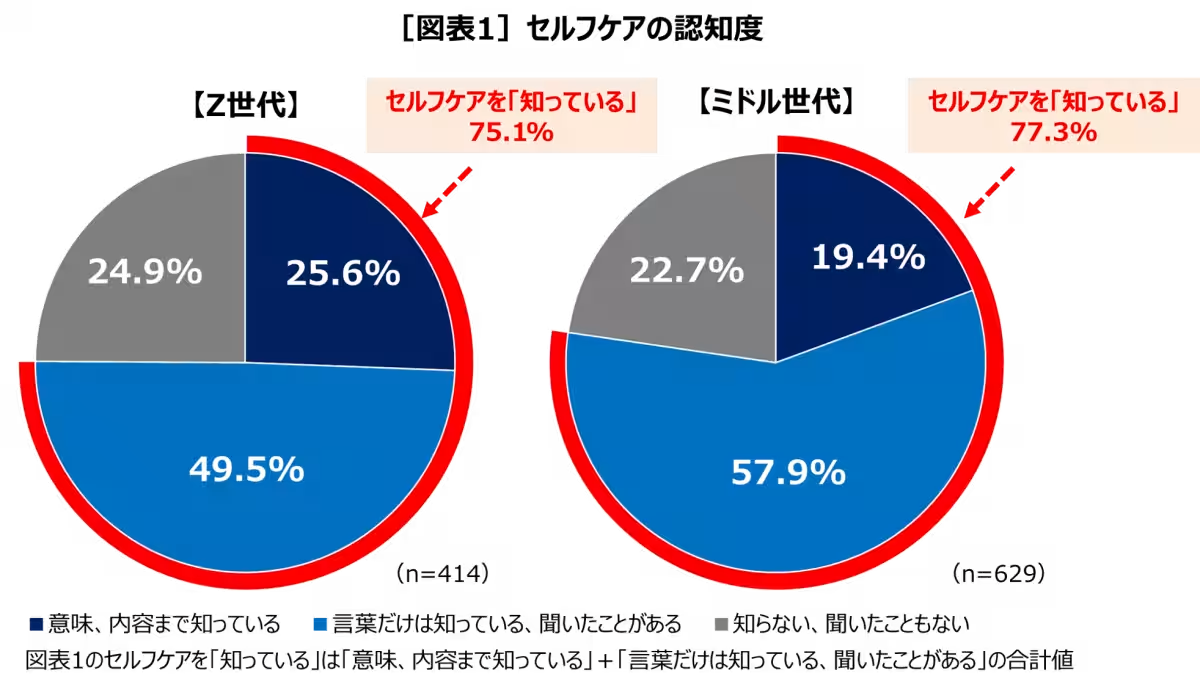
The survey results reveal the current state and challenges of self-care among Generation Z, including their use of social media for information gathering and the impact of their passion for specific interests, or 'oshi-katsu', on their self-care routines. Here are some key findings:
1. Self-Care Engagement
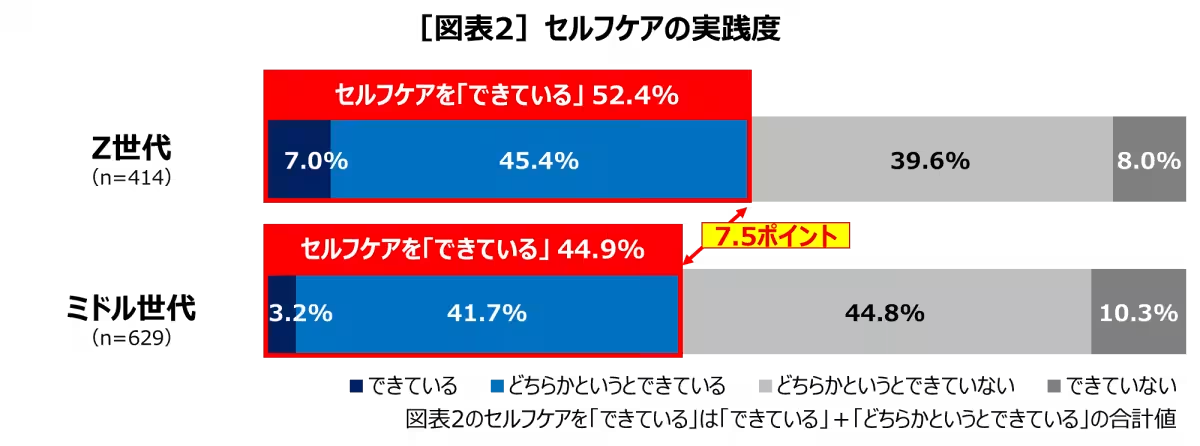
- - More than half of Gen Z, 52.4%, actively engage in self-care, showing a slightly higher tendency compared to the middle generation's 44.9%.
2. Challenges to Self-Care
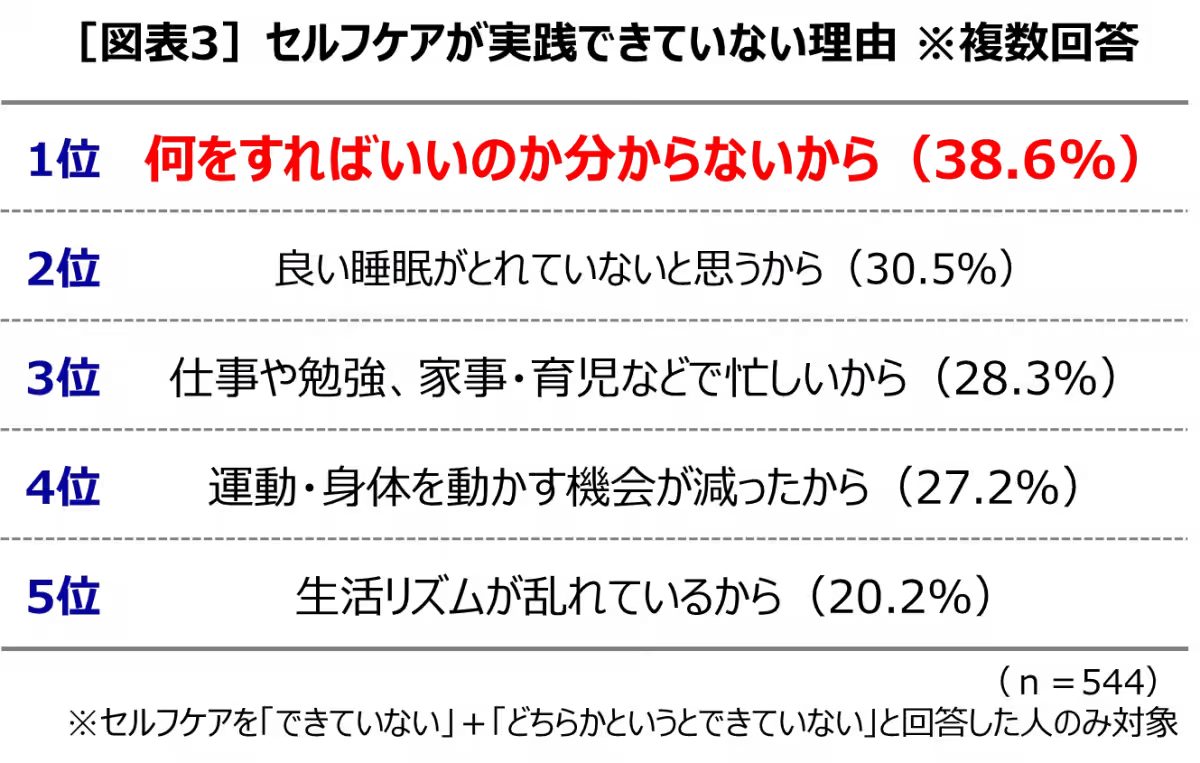
- - Among those who do not practice self-care, the main reason cited is uncertainty about what actions to take, reflecting the need for improved health literacy. This accounted for approximately 38.6% of both Gen Z and the middle generation.
3. Information Gathering Methods
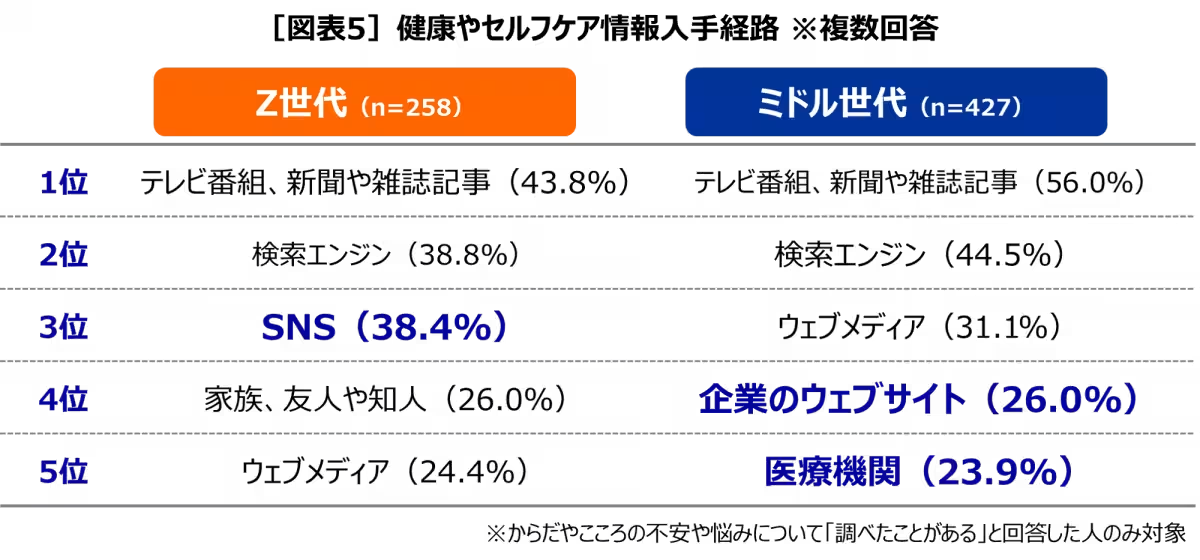
- - Gen Z predominantly turns to social media for health information, ranking third (38.4%), while the middle generation prefers company websites or medical institutions.
4. Trust in Influencers
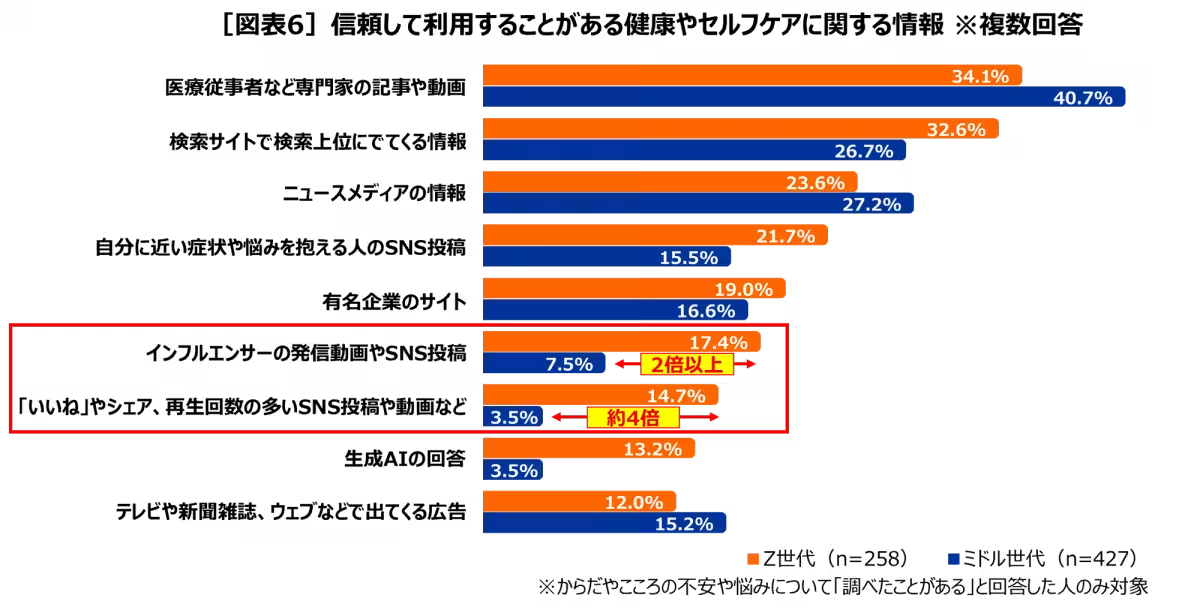
- - A striking 17.4% of Gen Z trusts health information from influencer videos or social media posts, more than double the 7.5% of the middle generation. Furthermore, Gen Z demonstrates a strong belief in trending posts, with 14.7% placing trust in these, compared to only 3.5% of the middle generation.
5. Exposure to Misinformation
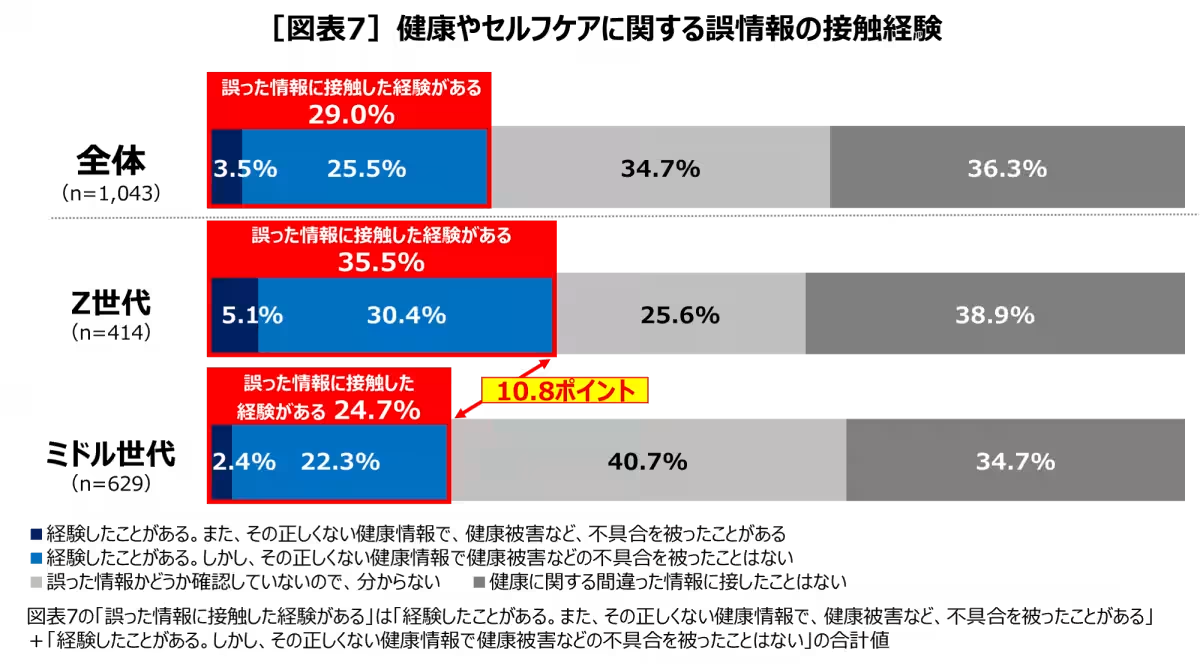
- - Gen Z has a higher exposure rate to misinformation about health and self-care at 35.5%, compared to 24.7% of the middle generation. This raises concerns about the risks associated with incorrect health information, emphasizing the necessity for targeted educational efforts.
The Role of 'Oshi-Katsu'
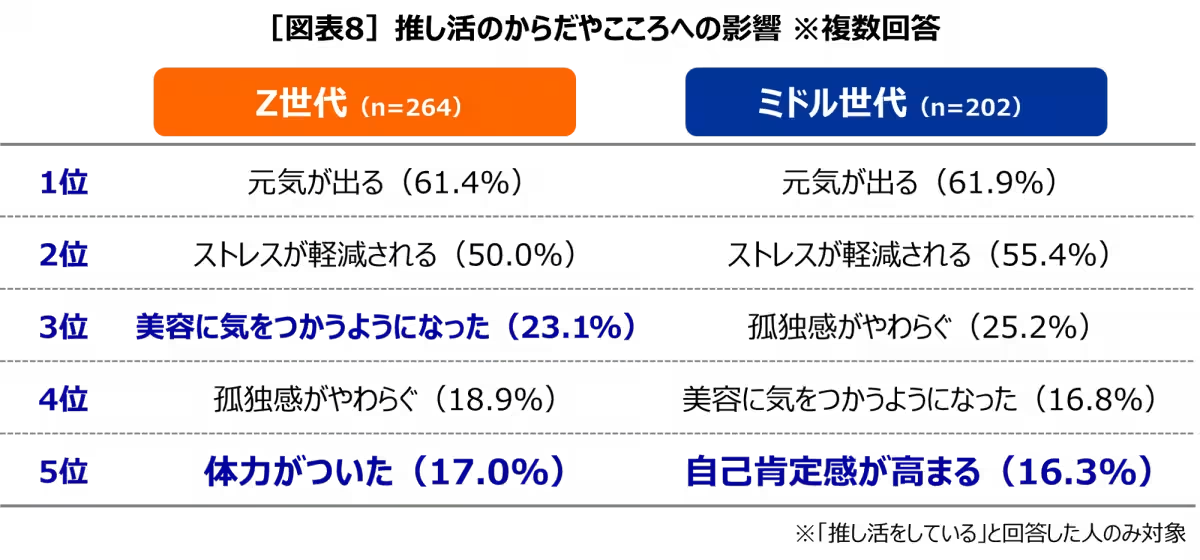
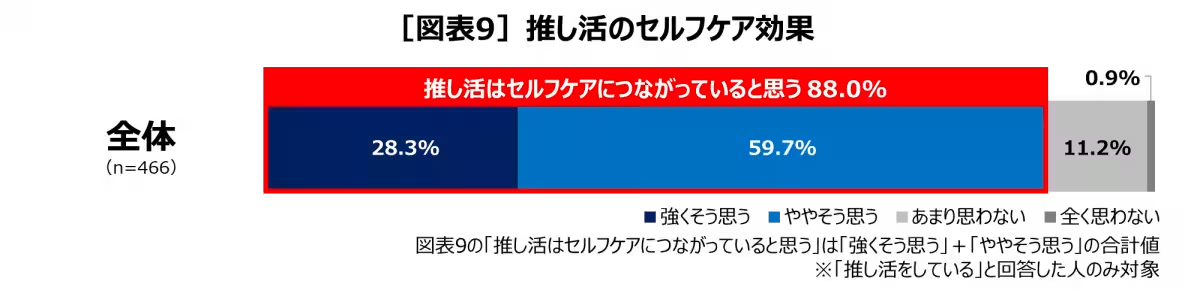
In an intriguing find, over 60% of Gen Z reported having a passion for specific interests or 'oshi', with nearly 90% acknowledging positive effects on their self-care from these activities. Notably, 61.6% stated that their engagement in 'oshi-katsu' made them feel more positive, and 52.4% felt less stressed. This highlights a significant trend in which personal hobbies serve as an important aspect of self-care in younger generations, contrasting with the middle generation's focus on self-esteem boosts.
Conclusion
The 'Z Generation Self-Care White Paper 2025' sheds light on evolving trends in health and self-care among Gen Z, underscoring the importance of health literacy in their lives. With the prominent role of social media as both a source of information and a channel for influence, the findings suggest a critical need for educational initiatives that equip young individuals with the tools necessary for responsible self-care practices. By understanding and addressing their unique challenges and tendencies, we can foster a healthier society that empowers future generations.
About Daiichi Sankyo Healthcare
Daiichi Sankyo Healthcare is dedicated to providing a diverse range of healthcare solutions that meet varied medical needs, manifesting its commitment through the expansion of over-the-counter medications and wellness products. With their guiding principle of fostering healthy lifestyles, they are actively promoting self-care practices and advancing sustainability efforts under their 'Wellness for GOOD' initiative, aiming for a thriving future for all.
References
Daiichi Sankyo Healthcare "Z Generation Self-Care White Paper 2025" Survey
Survey Overview
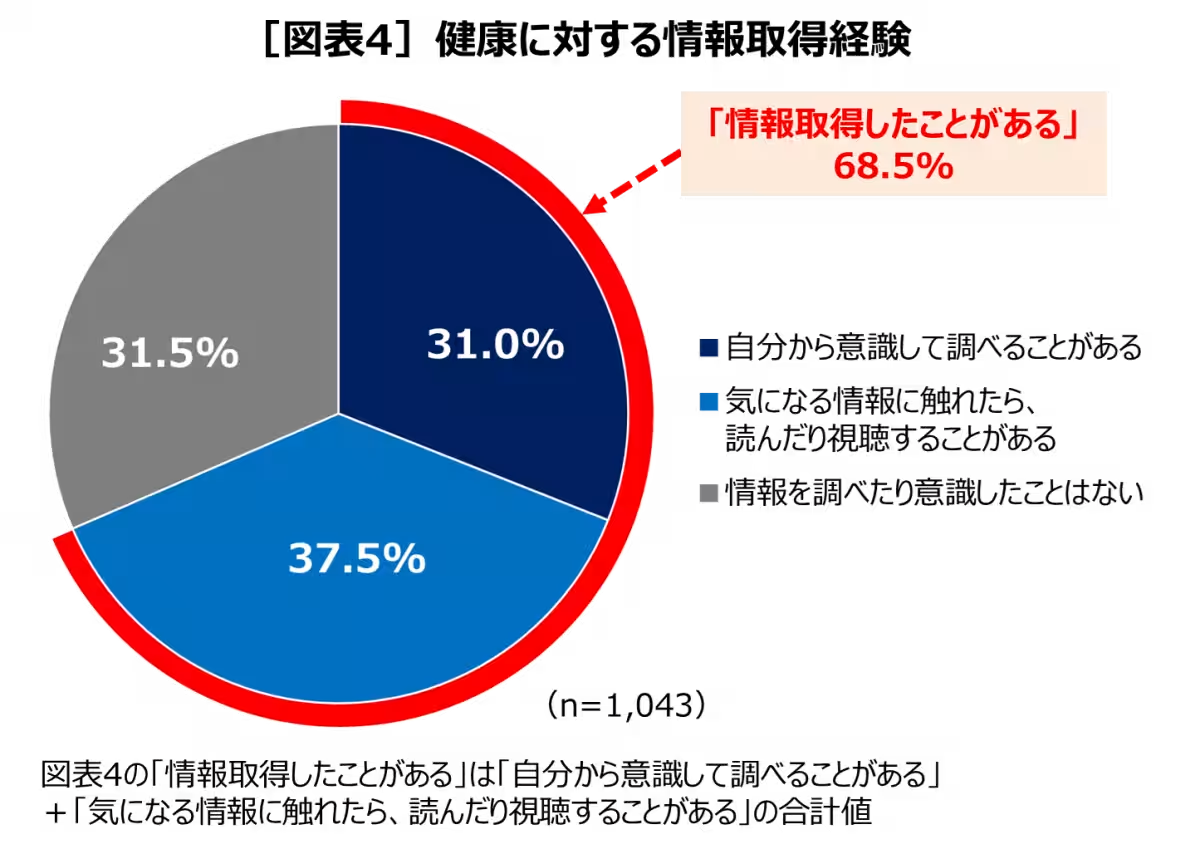
Conducted with 1,043 participants aged 15 to 59, the research provides a vital glimpse into the health attitudes of younger generations. The need for clear and correct health information is integral to supporting self-care initiatives among this demographic.
Topics Health)
【About Using Articles】
You can freely use the title and article content by linking to the page where the article is posted.
※ Images cannot be used.
【About Links】
Links are free to use.