



The Connection Between Cold Extremities and Sleep Quality Explored
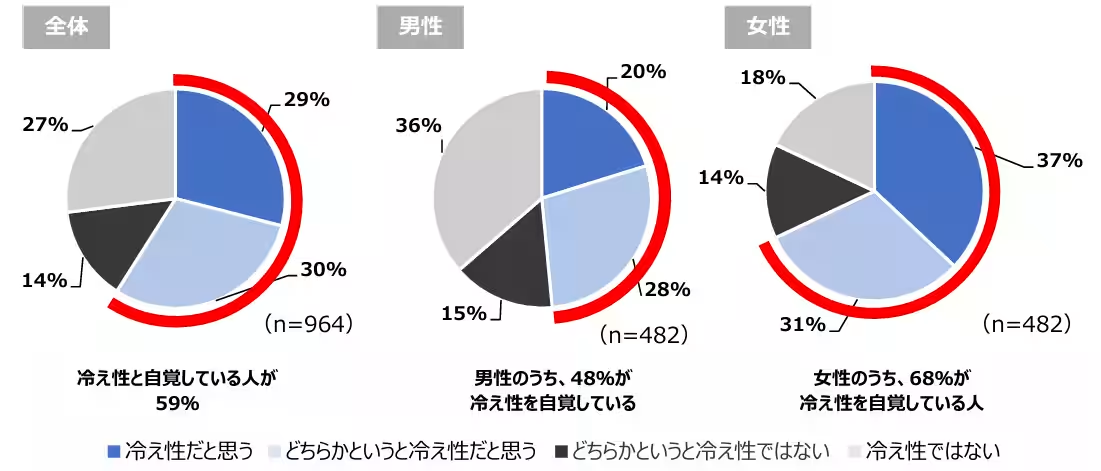
A recent survey conducted by Thermos Co., a global leader in vacuum insulation technology, highlights the concerning relationship between cold extremities and sleep quality among adults aged 20 to 50. This study, which involved 964 participants, showed that a staggering 59% of respondents identify as having cold sensitivity, with women being particularly affected; 68% of females compared to 48% of males recognized their cold extremities as a significant issue.
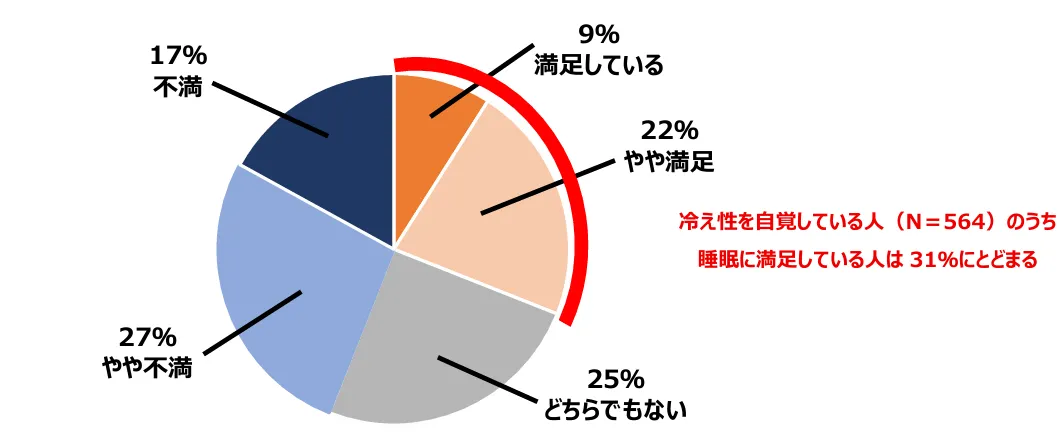
The survey aimed to determine the impact of cold extremities on sleep quality and uncovered that nearly 44% of those who self-identify as having cold sensitivity express dissatisfaction with the quality of their sleep. This dissatisfaction stems largely from issues relating to cold feet, as 78% of participants reported that their feet are the body part most affected by coldness.
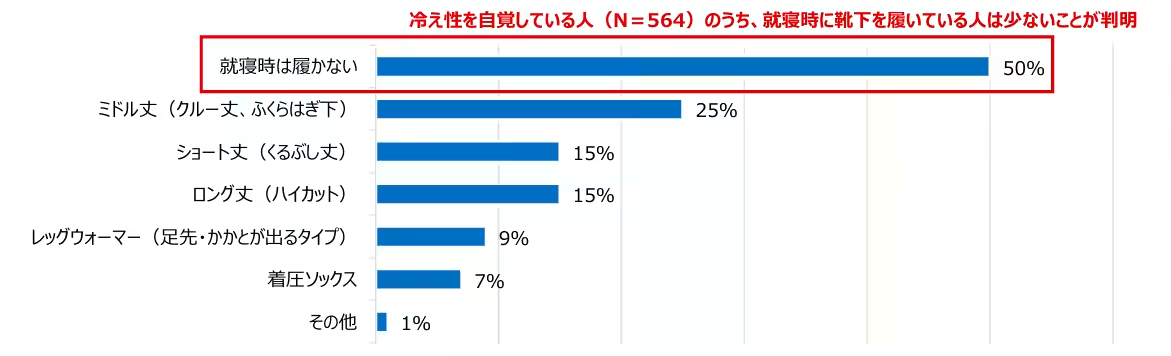
Participants were also asked whether they wear socks at night during winter. Surprisingly, about 50% of individuals with cold sensitivity admitted to sleeping without socks. This is concerning, given that cold feet are known to disrupt sleep patterns. Specifically, responses revealed that those who experience cold feet reported difficulties in falling asleep and waking up due to the coldness during the night.
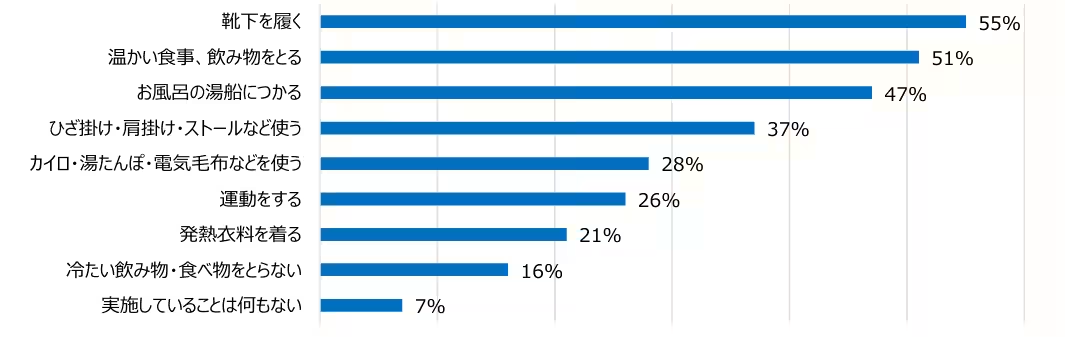
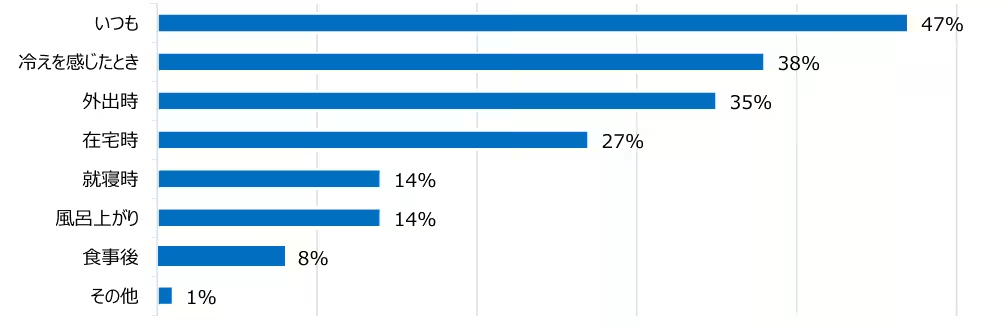
When exploring various measures taken to combat cold extremities, wearing socks emerged as a popular solution; 55% reported using socks to stay warm, while 51% preferred warm meals and drinks, and 47% utilized baths to maintain body temperature. Despite a high compliance with these measures, 47% of individuals indicated they only wear socks when they feel cold, rather than as a preventive measure before bed.
In discussing the overall effect of cold extremities on sleep, Dr. Shinna Ishihara, Vice Director of Ishihara Clinic, emphasized how lowering core body temperature before sleep makes it easier to fall asleep. Cold hands and feet prevent the body from dissipating heat effectively, which can hinder getting a good night's rest. She advocates for warming up extremities prior to bedtime — a hot bath about 1 to 1.5 hours before sleep is highly recommended to ensure the body is prepared for rest.
Dr. Ishihara's insights also highlighted the stark temperature difference found in extremities; whereas armpits may reach 36°C, the feet can drop to approximately 28°C. This temperature disparity can hinder deep sleep, emphasizing the need for effective strategies to keep feet warm. She stresses that people should actively prevent cold feet rather than waiting until they feel cold, noting that warm socks during indoor activities or while sleeping can greatly enhance sleep quality.
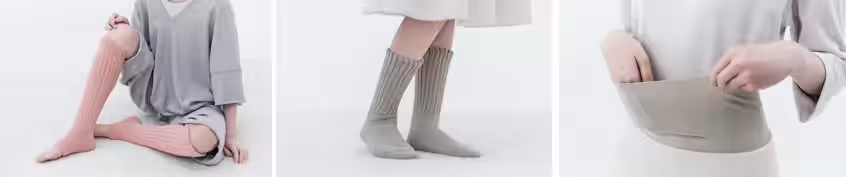
Comfortable sleep requires maintaining warmth in extremities. For optimal results, it is advisable to choose soft, unrestrictive socks that promote blood flow. Socks made from high-quality, warm fabrics can have a positive effect on sleep by providing a cozy environment for feet. On the other hand, those who find themselves overheating should consider options like leg warmers that allow for ventilation while still providing warmth.
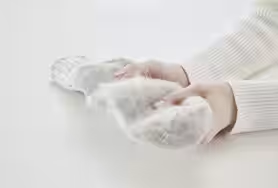
For those looking for a product, Thermos's apparel brand, &ONDO, offers innovative room socks designed for warmth and comfort. Their unique fabric insulation is modeled after their vacuum technology and is specifically made to trap heat while remaining breathable. The socks are also easy to maintain; recommending low-temperature washes and short spin cycles to prolong their texture and comfort.
This study reiterates the importance of understanding the direct connections between cold extremities and sleep quality. Awareness and proactive measures can significantly enhance sleep for those impacted by poor circulation, ultimately contributing to a more restorative night's rest. Maintaining a consistent practice of warming up the feet can lead to improvements not only in sleep but overall health and wellness.
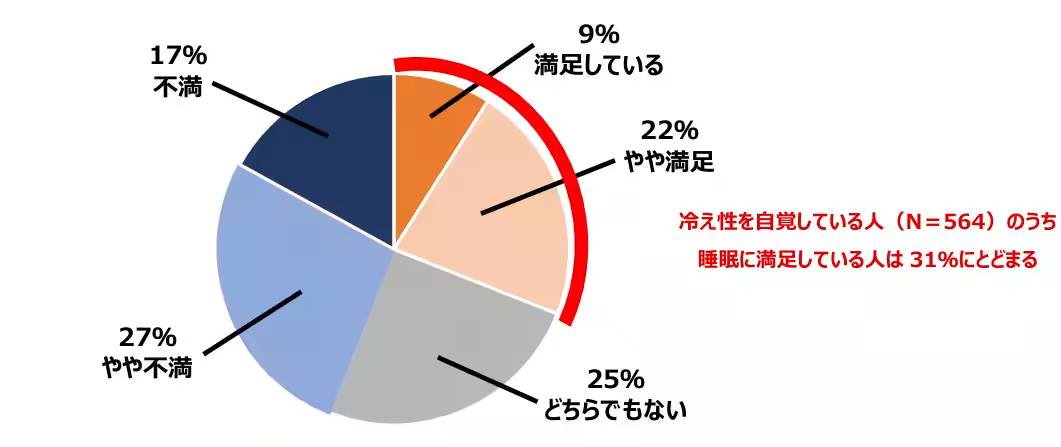
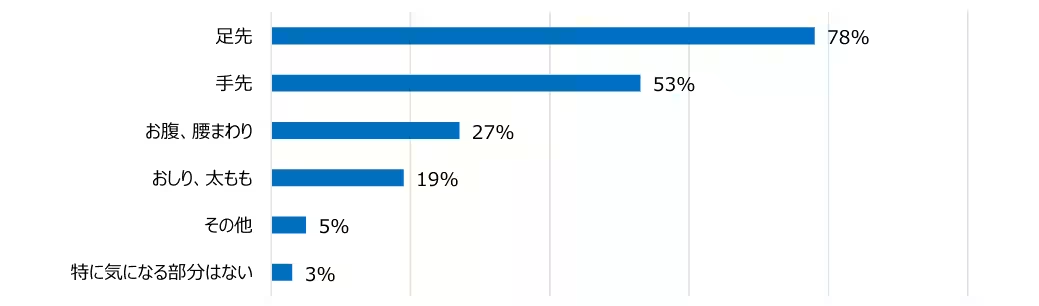
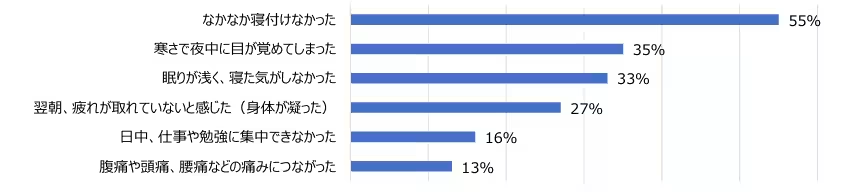


The survey aimed to determine the impact of cold extremities on sleep quality and uncovered that nearly 44% of those who self-identify as having cold sensitivity express dissatisfaction with the quality of their sleep. This dissatisfaction stems largely from issues relating to cold feet, as 78% of participants reported that their feet are the body part most affected by coldness.
Participants were also asked whether they wear socks at night during winter. Surprisingly, about 50% of individuals with cold sensitivity admitted to sleeping without socks. This is concerning, given that cold feet are known to disrupt sleep patterns. Specifically, responses revealed that those who experience cold feet reported difficulties in falling asleep and waking up due to the coldness during the night.
When exploring various measures taken to combat cold extremities, wearing socks emerged as a popular solution; 55% reported using socks to stay warm, while 51% preferred warm meals and drinks, and 47% utilized baths to maintain body temperature. Despite a high compliance with these measures, 47% of individuals indicated they only wear socks when they feel cold, rather than as a preventive measure before bed.
In discussing the overall effect of cold extremities on sleep, Dr. Shinna Ishihara, Vice Director of Ishihara Clinic, emphasized how lowering core body temperature before sleep makes it easier to fall asleep. Cold hands and feet prevent the body from dissipating heat effectively, which can hinder getting a good night's rest. She advocates for warming up extremities prior to bedtime — a hot bath about 1 to 1.5 hours before sleep is highly recommended to ensure the body is prepared for rest.
Dr. Ishihara's insights also highlighted the stark temperature difference found in extremities; whereas armpits may reach 36°C, the feet can drop to approximately 28°C. This temperature disparity can hinder deep sleep, emphasizing the need for effective strategies to keep feet warm. She stresses that people should actively prevent cold feet rather than waiting until they feel cold, noting that warm socks during indoor activities or while sleeping can greatly enhance sleep quality.
Comfortable sleep requires maintaining warmth in extremities. For optimal results, it is advisable to choose soft, unrestrictive socks that promote blood flow. Socks made from high-quality, warm fabrics can have a positive effect on sleep by providing a cozy environment for feet. On the other hand, those who find themselves overheating should consider options like leg warmers that allow for ventilation while still providing warmth.
For those looking for a product, Thermos's apparel brand, &ONDO, offers innovative room socks designed for warmth and comfort. Their unique fabric insulation is modeled after their vacuum technology and is specifically made to trap heat while remaining breathable. The socks are also easy to maintain; recommending low-temperature washes and short spin cycles to prolong their texture and comfort.
This study reiterates the importance of understanding the direct connections between cold extremities and sleep quality. Awareness and proactive measures can significantly enhance sleep for those impacted by poor circulation, ultimately contributing to a more restorative night's rest. Maintaining a consistent practice of warming up the feet can lead to improvements not only in sleep but overall health and wellness.
Topics Health)
【About Using Articles】
You can freely use the title and article content by linking to the page where the article is posted.
※ Images cannot be used.
【About Links】
Links are free to use.