



Nutritional Strategies for Female Athletes: Preventing Health Risks Through Proper Energy Intake
Nutritional Strategies for Female Athletes
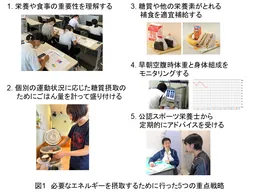
Female athletes often face significant health challenges, including anemia, energy metabolism suppression, and fatigue fractures, largely due to insufficient energy intake. Recent research led by Professor Motoko Taguchi from Waseda University's Graduate School of Sport Sciences has shed light on the critical importance of balanced nutrition for these athletes. This six-week study involved feeding female athletes a diet tailored to match their individual energy expenditure. The findings revealed a notable improvement in conditions such as iron deficiency and endocrine disorders without any increase in body weight.
Background on Energy Deficiency
The concept of Relative Energy Deficiency in Sport (REDs) has gained worldwide attention through various international conferences and has highlighted how a low Energy Availability (EA) affects not only athletic performance but also overall physiological functions. Previous studies showed that many athletes operate under low EA, often due to insufficient intake of grains and dairy.
Research Goals and Methodologies
The current research aimed to establish whether increasing energy intake to match energy expenditure could mitigate health issues among female athletes. The study utilized the Doubly Labeled Water (DLW) method to accurately assess daily energy expenditure in a non-intrusive way. The research team developed a diet plan aligned with ideal nutritional standards in sports nutrition, provided by the team's dietitians. Weekly meetings with qualified sports nutritionists ensured athletes were adhering to their dietary regimens and allowed for personalized guidance.
Results and Implications
After the six-week dietary intervention, significant improvements were observed in the athletes' health metrics. Conditions like iron deficiency and metabolic suppression showed positive changes, demonstrating the efficacy of matching dietary intake with energy needs. Importantly, athletes did not experience unwanted weight gain, underlining the possibility of maintaining performance while addressing health concerns.
Broader Impact
The outcomes of this research extend beyond female athletes; findings can be applied to male athletes, young women aiming for a slim physique, and the next generation of children engaged in sports. The study underscores the necessity of adequate nutritional guidance from an early age to prevent health issues like anemia and stress fractures.
Future Directions
Emphasizing the importance of nutrition is crucial for coaches, trainers, and parents. However, not every athlete has access to sports nutrition expertise, prompting a need for simpler physiological markers that can help identify energy deficiencies on the ground. Additionally, increasing accessibility to certified sports nutritionists represents an important avenue for further research.
Conclusions and Researcher's Remarks
With a commitment to nurturing female athletes, the research project has received support from the Japan Sports Agency. The ultimate goal is to foster a culture where athletes enjoy nutritious meals while boosting their competitive abilities. Through continued investigation, the study highlights the broader implications of adequate energy intake in sports, reinforcing the essential principle of balanced nutrition for all.
Paper Reference
Published in Women’s Health: "Energy intake to meet total energy expenditure improves iron deficiency and metabolic suppression in female long-distance runners: A case series study with dietary intervention." DOI: 10.1177/17455057251385372

Topics Health)
【About Using Articles】
You can freely use the title and article content by linking to the page where the article is posted.
※ Images cannot be used.
【About Links】
Links are free to use.