



Preparing Your Body for Summer Heat: Managing Heat Acclimatization Effectively
Acclimatizing Your Body for the Summer Heat
As we transition into summer, the risks of heat-related illnesses, such as heat exhaustion and heat stroke, are becoming more pronounced. With global warming leading to ever-increasing summer temperatures, it's essential to equip ourselves with effective strategies to cope with the heat. One crucial method to ensure we can endure the summer heat is a physiological process known as heat acclimatization. This article delves into the importance of acclimatizing the body to heat and what steps can be taken.
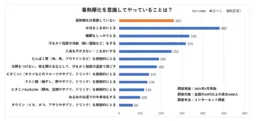
Recent surveys conducted by Taisho Pharmaceutical revealed that 262 out of 1,000 people surveyed did not consciously focus on heat acclimatization. Among those who did, the most common practice was staying hydrated, with 480 respondents acknowledging that they drink water frequently. Following that, 336 people emphasized the importance of good sleep, while 319 mentioned engaging in light physical activities to induce sweating. Meanwhile, 251 individuals acknowledged the need for regular baths, and notably, 190 respondents identified protein intake as the most beneficial nutrient in combating heat-related challenges.
To provide deeper insights, we consulted Dr. Hideki Taniguchi, a specialist in heat illness and head of the Patient Support Center at SAISEIKAI Yokohama City Eastern Hospital. Dr. Taniguchi emphasizes the need for proactive measures to adapt the body to high temperatures before summer truly sets in.
Understanding Heat Acclimatization
Heat acclimatization refers to the body's ability to gradually adjust to high-heat conditions, enabling it to function well in extreme temperatures. The human body regulates its temperature by sweating, which relies on proper autonomic nervous system function and familiarity with the sweating process. Effective acclimatization requires continuous effort over at least two weeks. It's crucial to avoid sudden exposure to extreme heat; instead, adjusting lifestyle habits now can prevent symptoms of heat stress and illnesses associated with summer.
Importance of Nutrition for Hot Weather
Building physical resilience to summer heat involves dietary focus as well. Key nutrients that support the body's thermoregulation, such as taurine (found in squid, octopus, and clams), vitamin B complex (from pork and legumes), vitamin C (found in fruits like kiwi), and citric acid (from plums and vinegar), should be consumed in balance to facilitate recovery from fatigue and enhance metabolic functions.
Additionally, electrolytes such as sodium, potassium, and magnesium are frequently lost through sweat and are vital for sweating effectively. Consuming foods like miso soup and fruits can help replenish these essential minerals. Moreover, increasing muscle mass in preparation for the summer heat is advisable, as muscles serve as water reservoirs. Regular protein intake is essential, and incorporating light exercise can further bolster muscle health.
Hydration: The Key to Coping with Heat
Consistent hydration is critical. It's recommended to drink 1.2 to 1.5 liters of water per day, aiming for eight smaller servings throughout the day, excluding caffeinated and alcoholic beverages. Perfect moments for hydration include waking up, during meals, and before and after bathing or sleeping. It's also important to avoid excessive consumption of cold beverages, as this can impede the body's acclimatization process by affecting digestive function.
Incorporating Light Physical Activity
Light exercises, such as walking, jogging, or cycling for about 30 minutes on at least five days a week, can greatly support the acclimatization process. Engaging in activities during the cooler part of the day, before temperatures soar, can facilitate training of sweat mechanisms and improve circulation, leading to better acclimatization results. Even simply increasing outdoor tasks in daily life can be beneficial.
Bathing to Enhance Sweating Ability
Taking warm baths (around 38-40°C) for 10-20 minutes encourages sweating and can develop sweat gland functionality. Daily soaking in a tub is ideal; if that's impractical, targeting areas rich in blood flow, like the back and around the sacrum, with a warm shower can be both effective and practical.
The Importance of Quality Sleep
Taking a bath 1-2 hours before bedtime can significantly enhance sleep quality, contributing to better autonomic balance. Throughout this season, it’s crucial to foster a conducive sleep environment, as lack of sleep and chronic stress can disrupt the autonomic nervous system, impairing temperature regulation.
Conclusion: Starting Your Preparation Now
To be adequately prepared for the summer heat, it's essential to adopt a consistent practice of nutrition, exercise, bathing, and sleep for at least two weeks. Focusing on these elements will support autonomic balance and enable the body to remain comfortable during the hot months. As we move into peak summer temperatures, remember that finding shade, adequate rest, hydration, and a balanced diet remain vital. Awareness of the differences in coping strategies between acclimatization and managing extreme heat healthily will ensure a safer and healthier summer experience.

Topics Health)
【About Using Articles】
You can freely use the title and article content by linking to the page where the article is posted.
※ Images cannot be used.
【About Links】
Links are free to use.