



Understanding the Gap in Health Post-Checkup Actions Among Japanese Adults
The Health Awareness Disconnect: Post-Checkup Inaction in Japan
In a recent survey conducted by Wellness Dining, a company based in Sumida, Tokyo, concerning the habits and attitudes towards health checkups among Japanese adults aged 20 to 60 years, striking revelations have emerged. It appears that a significant 70% of respondents reported taking no actions aimed at improving their health after undergoing medical checkups. This concerning trend raises vital questions about how individuals translate health awareness into actionable changes in their lifestyles.
Key Findings of the Survey
The survey’s findings highlight a stark contrast between awareness and action:
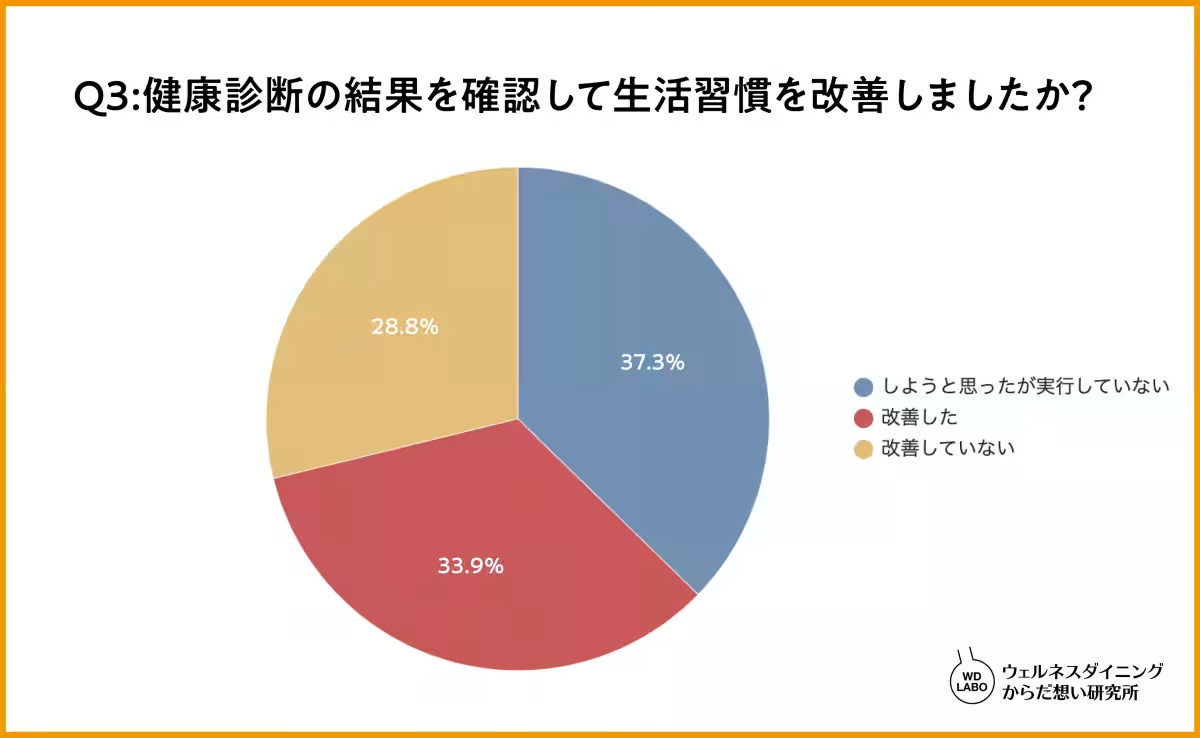
- - 37.3% of participants expressed the intention to improve their lifestyle habits but did not follow through.
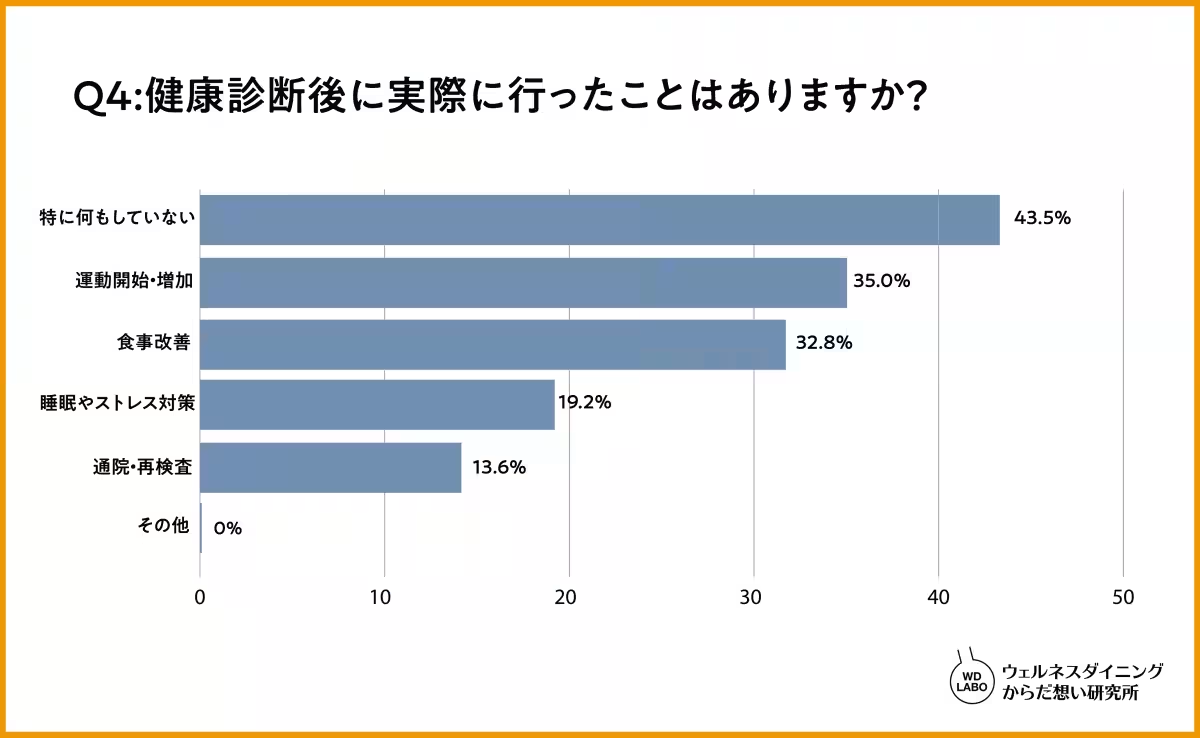
- - 43.5% admitted they took no actions post-checkup.
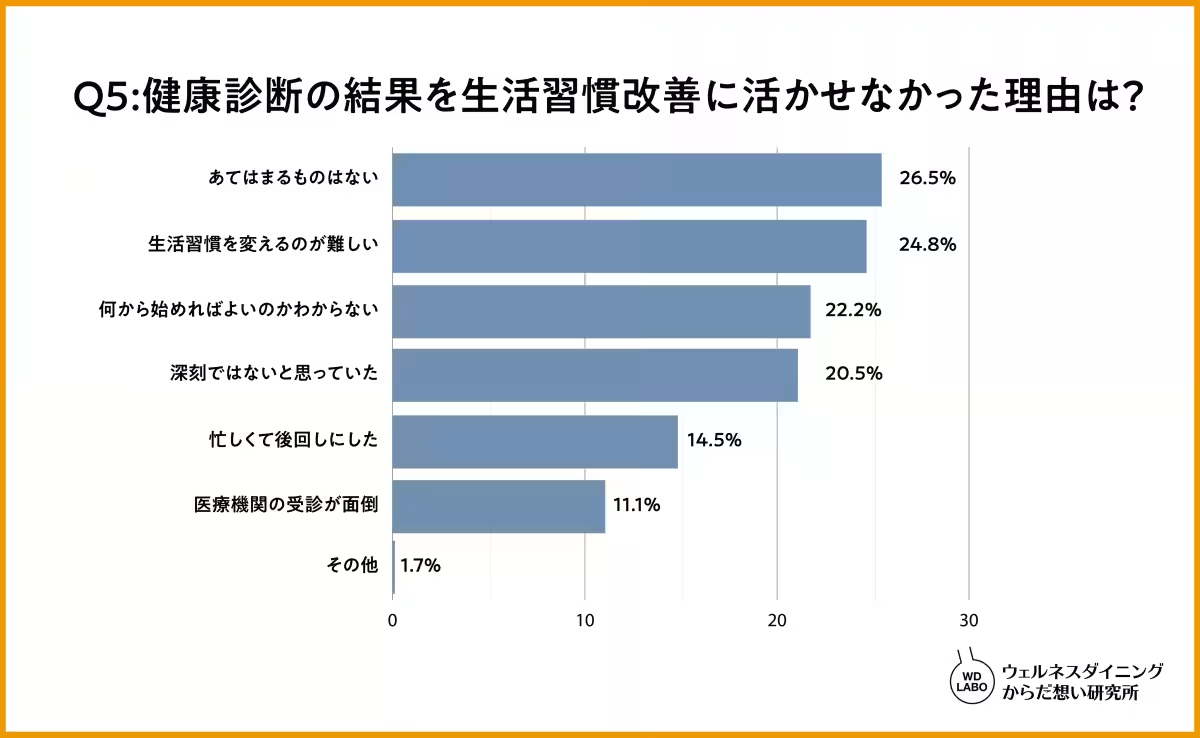
- - 24.8% stated that altering their lifestyle was too challenging.
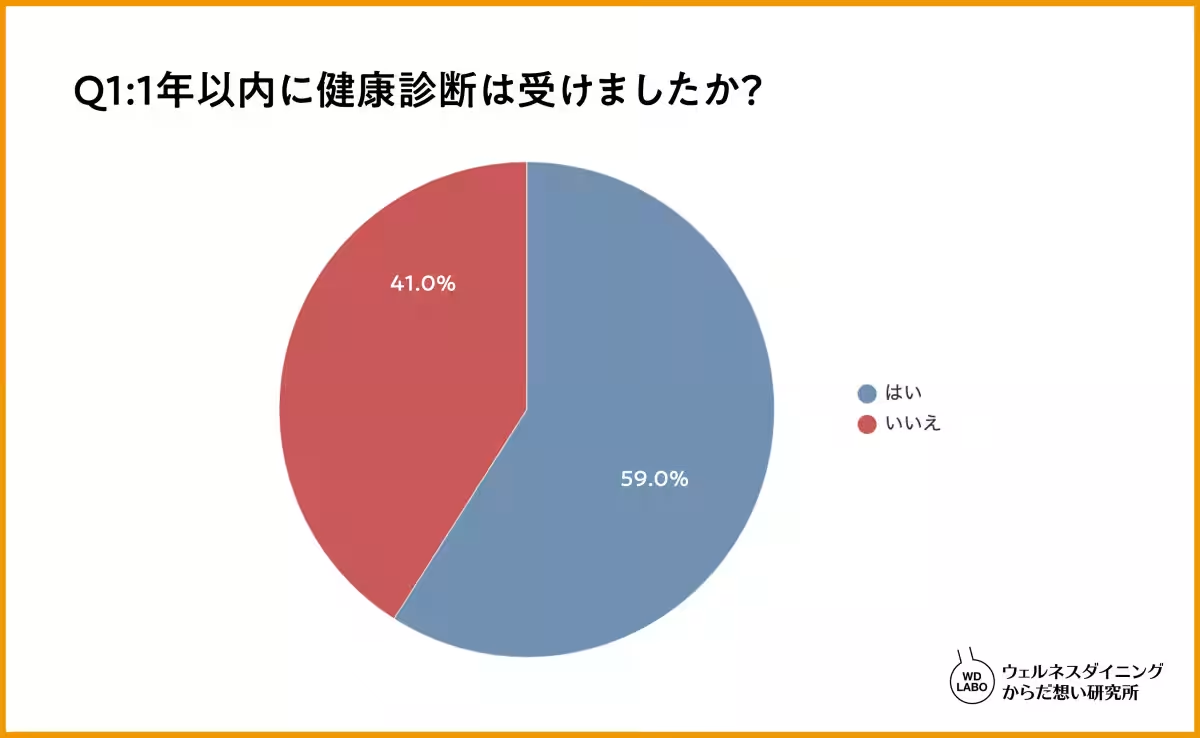
Q1: Health Checkup Participation
The survey revealed that approximately 60% of respondents had undergone a health checkup within the past year. This statistic indicates a growing awareness of health among the Japanese population. However, the concerning fact is that 40% of those individuals are still unaware of their current health status.
Q2: Review of Health Checkup Results
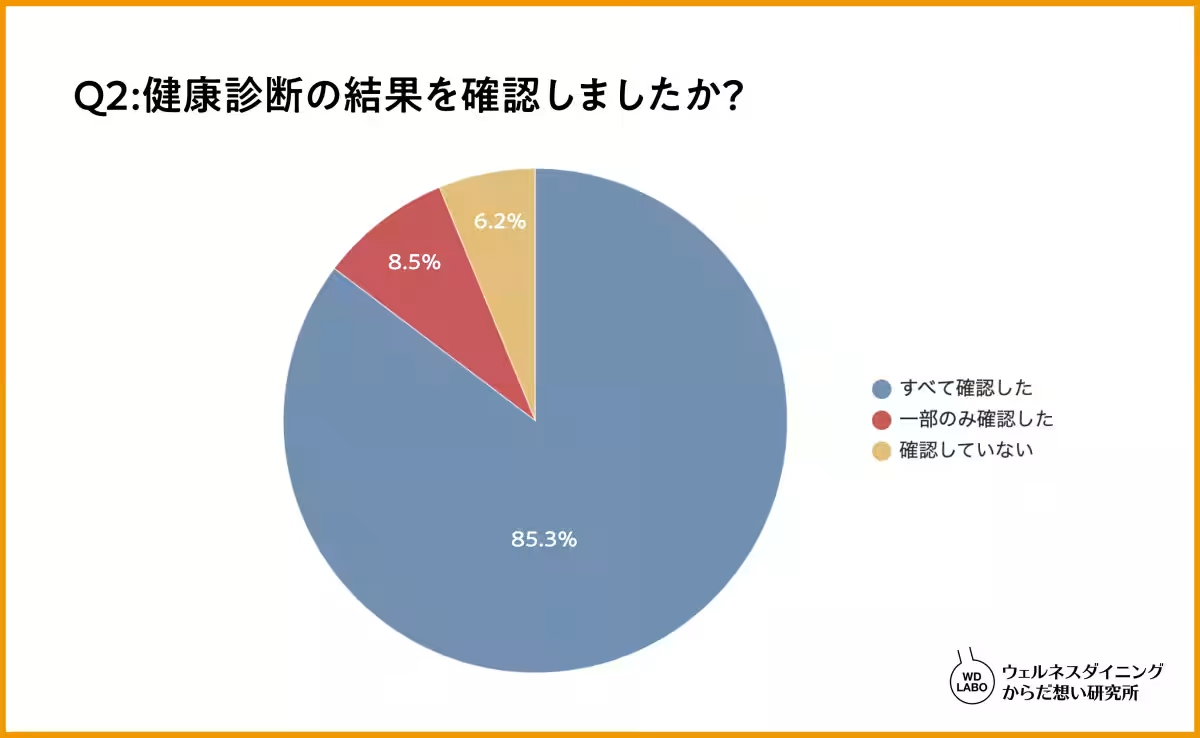
More than 90% of those who received health checkups indicated they reviewed their results, showing substantial interest. Notably, 85% checked all aspects of their results, reflecting a strong desire to comprehensively understand their health situation.
Q3: Changes After Health Checkup
Despite the high level of interest in results, only 33% of respondents reported actually improving their lifestyle habits based on their health checkup results. Additionally, 37% intended to improve but failed to implement any changes, highlighting a significant gap between health awareness and actionable behavior.
Q4: Actions Taken Post-Checkup
While some individuals initiated changes such as increasing physical exercise or improving their diet after their checkups, 43.5% did not make any changes at all. This underscores the urgent need for supportive initiatives that encourage behavioral transformations following health assessments.
Q5: Barriers to Lifestyle Changes
The principal barrier to adopting healthier habits, cited by 24.8% of respondents, was the perception that changing lifestyle habits is challenging. Additionally, many expressed uncertainty about how to initiate these changes, emphasizing the necessity for clear guidance and ongoing support after health evaluations.
Implications of the Survey Results
Though 93% of respondents checked their health results, the staggering 43.5% who did not act suggests that behavioral change remains arduous. Additionally, the 37% who wished to improve yet failed to do so indicates that many feel overwhelmed by the idea of altering their lifestyle.
To bridge this gap, it is essential to go beyond simply reporting results; healthcare providers must offer clear recommendations for improvement tailored to individual needs, along with continuous support for sustained lifestyle changes.
In the future, Wellness Dining seeks to leverage digital transformation (DX) to provide highly personalized action plans and utilize AI applications to support tracking and reflection. There is also a critical need for expert-led support systems to facilitate the transition from mere understanding to active engagement in health improvement.
Wellness Dining's Commitment
Wellness Dining is proactively working to address these health challenges by collaborating with medical institutions, local governments, and corporations. They offer diverse programs focusing on dietary support for those needing nutritional restrictions, chronic disease prevention, and promoting health within workplaces. Their approach underscores the importance of supporting each individual's journey towards better health through diet.
Ultimately, Wellness Dining aims to transform health awareness into action by enhancing programs that connect insights from health checkups with actionable behaviors and continuous support systems.
Company Background
Wellness Dining is committed to being a supportive guide in the realm of health and nutrition, aiming to be the leader in nutritional consultation in Japan, by developing meal plans that cater to individual health needs, ensuring everyone enjoys the satisfaction of healthy eating, even when dietary restrictions apply.

Topics Health)

【About Using Articles】
You can freely use the title and article content by linking to the page where the article is posted.
※ Images cannot be used.
【About Links】
Links are free to use.