



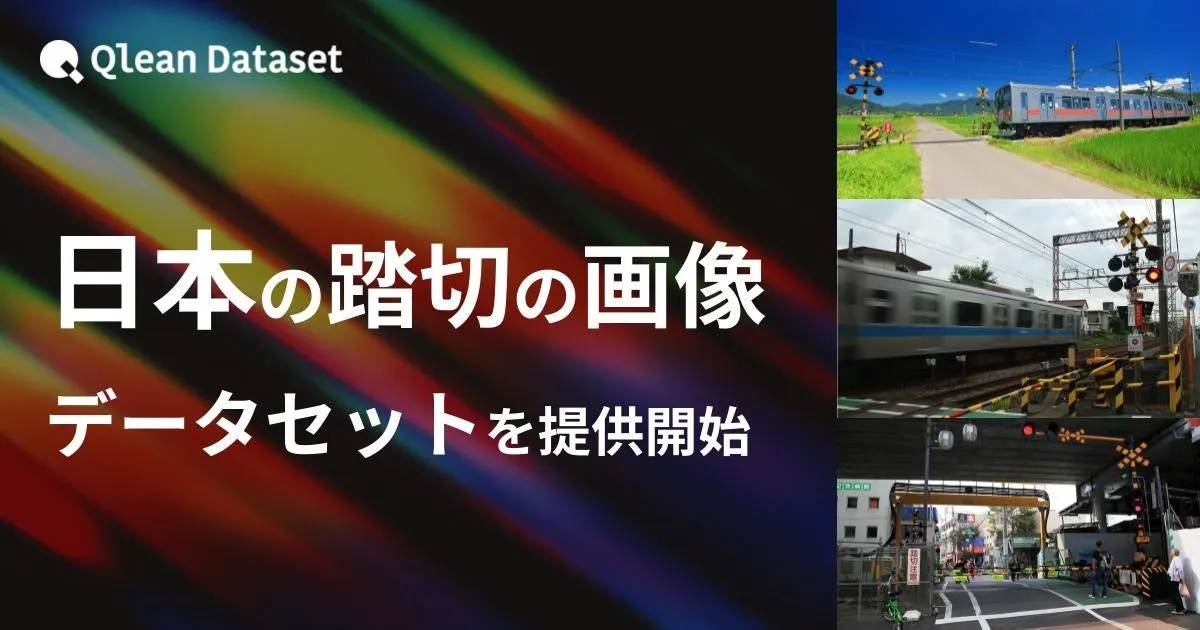
Visual Bank Launches Comprehensive Japanese Railway Crossing Image Dataset for AI Research
Visual Bank Launches Comprehensive Japanese Railway Crossing Image Dataset for AI Research
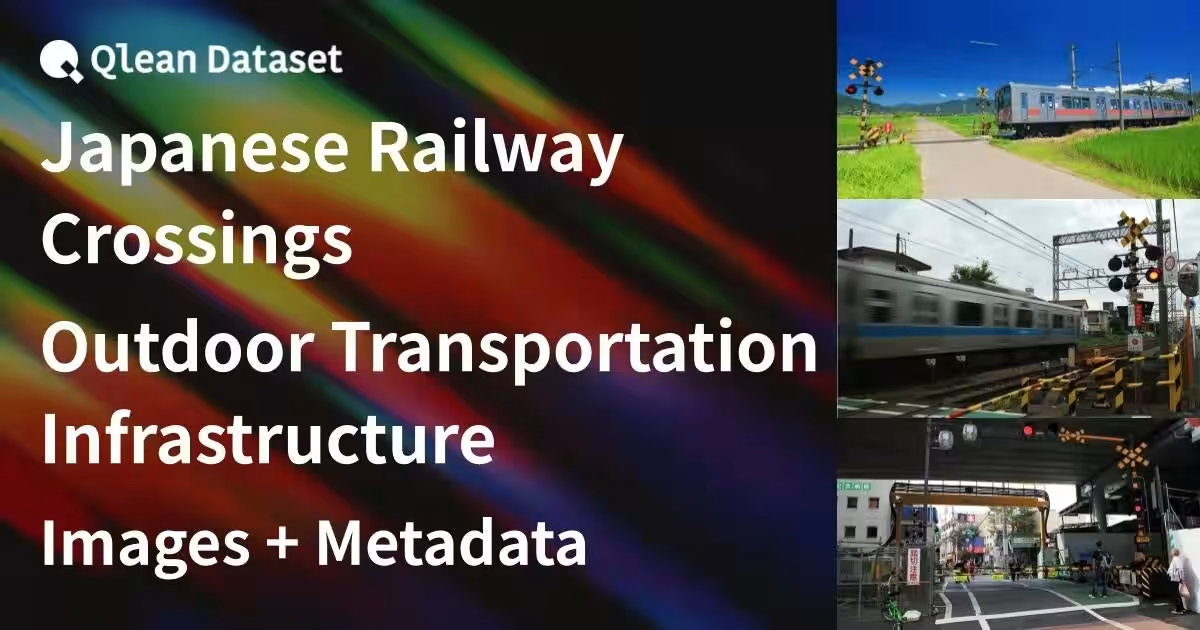
In an exciting advancement for AI research and development, Visual Bank Inc. has officially launched its Japanese Railway Level Crossing Image Dataset, a part of their Qlean Dataset initiative. This innovative collection is designed to support diverse applications in image-based AI, focusing on object detection, scene recognition, and multimodal technology, particularly within the transportation and railway sectors.
Overview of the Dataset
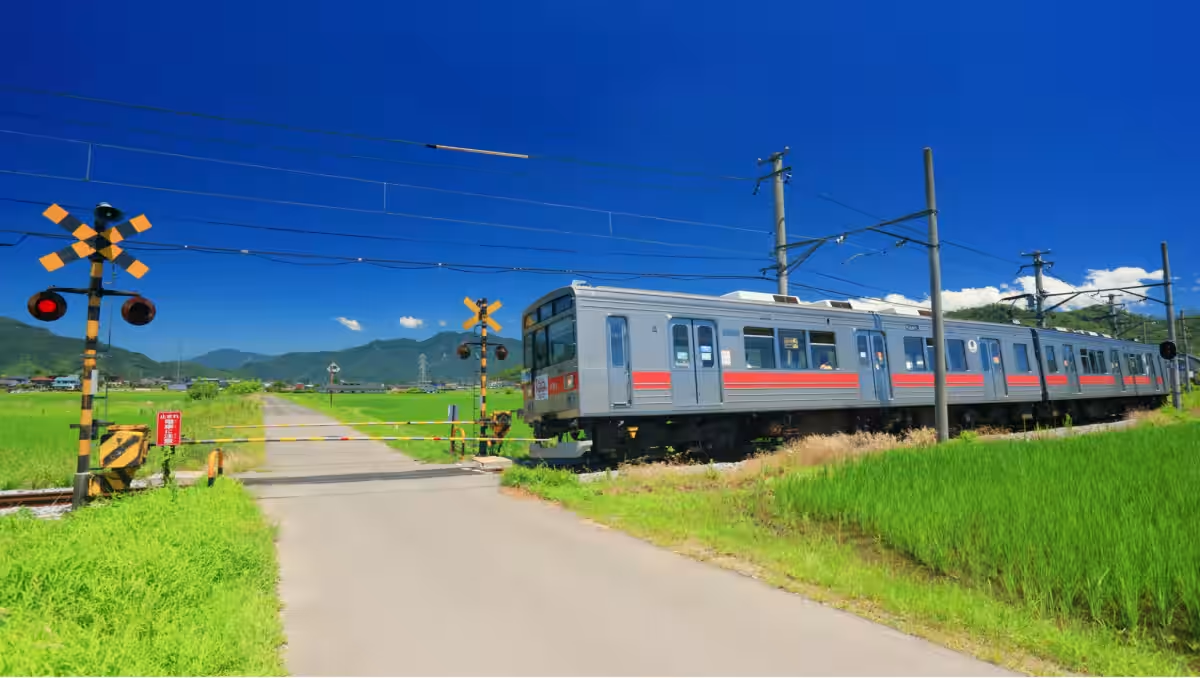
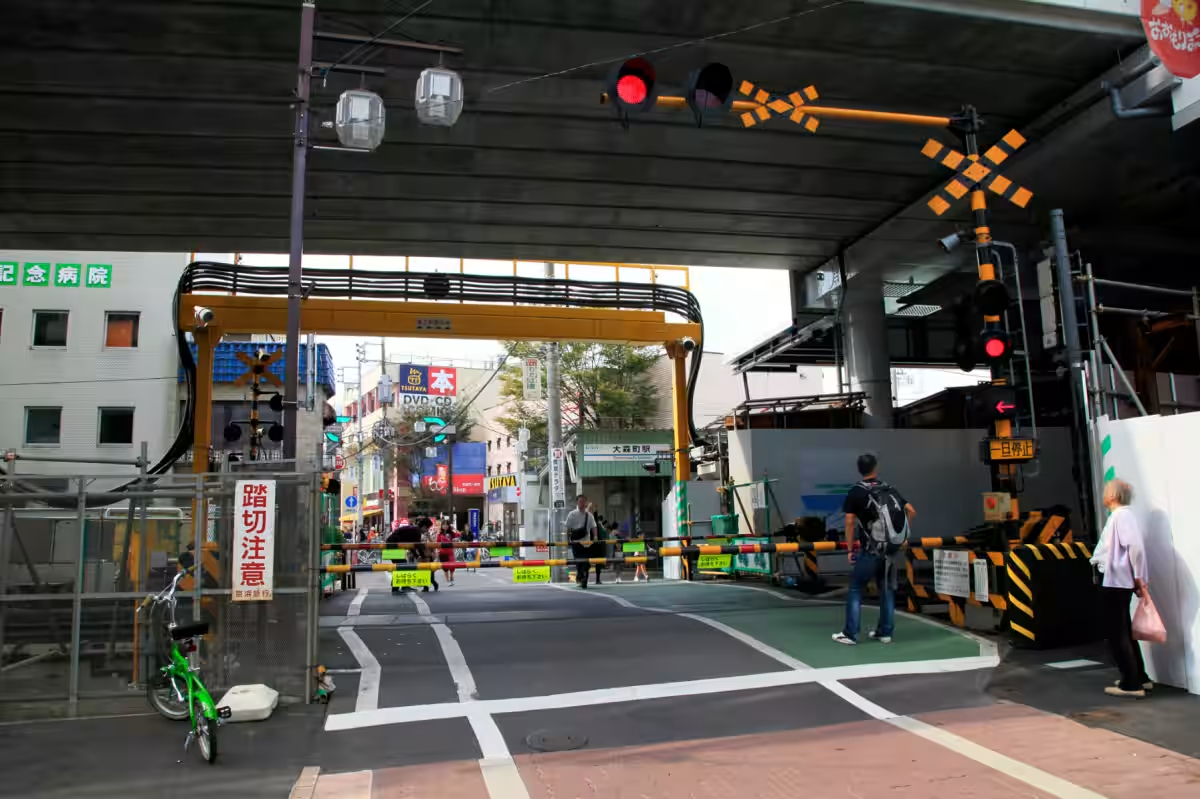
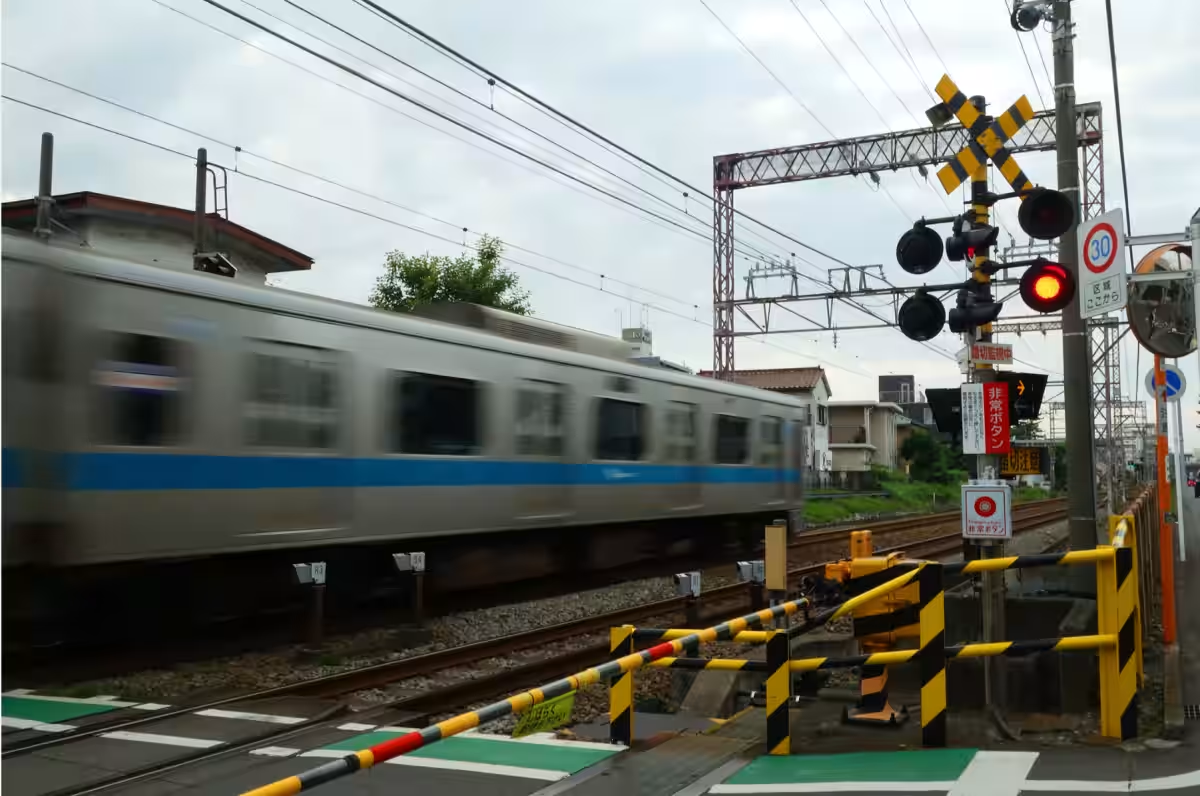
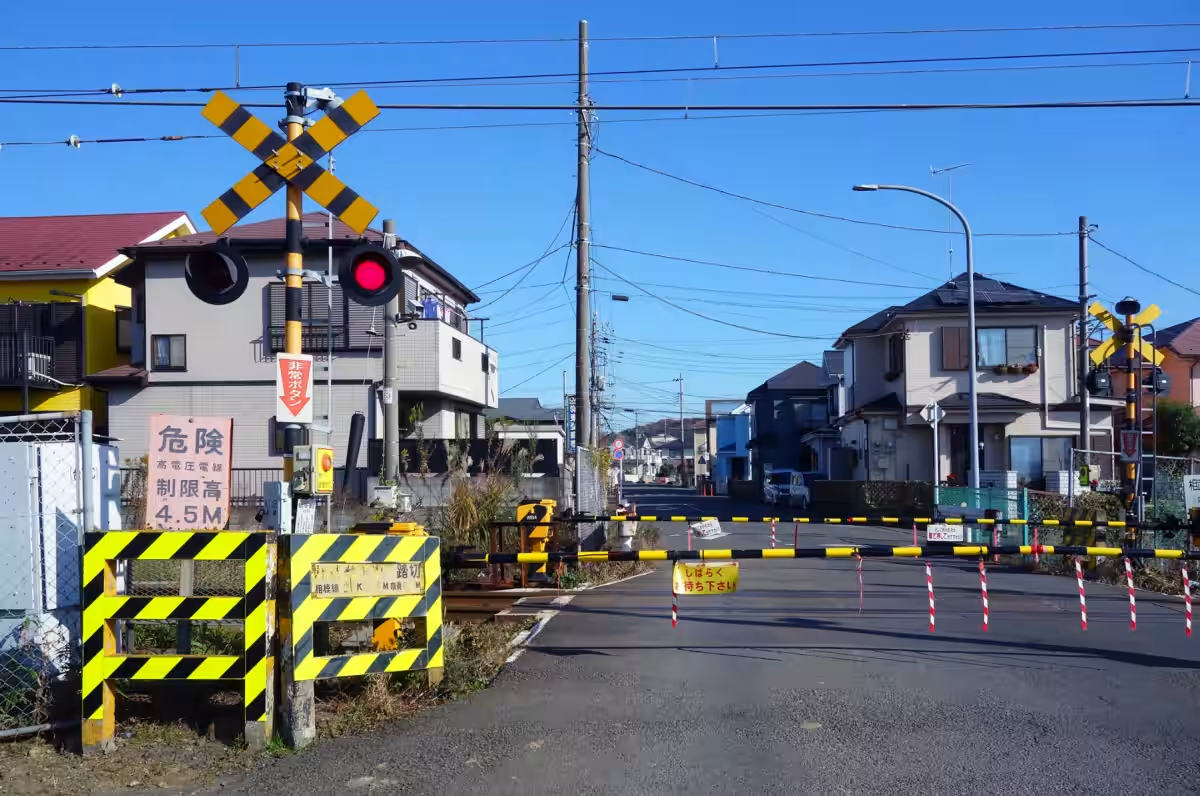
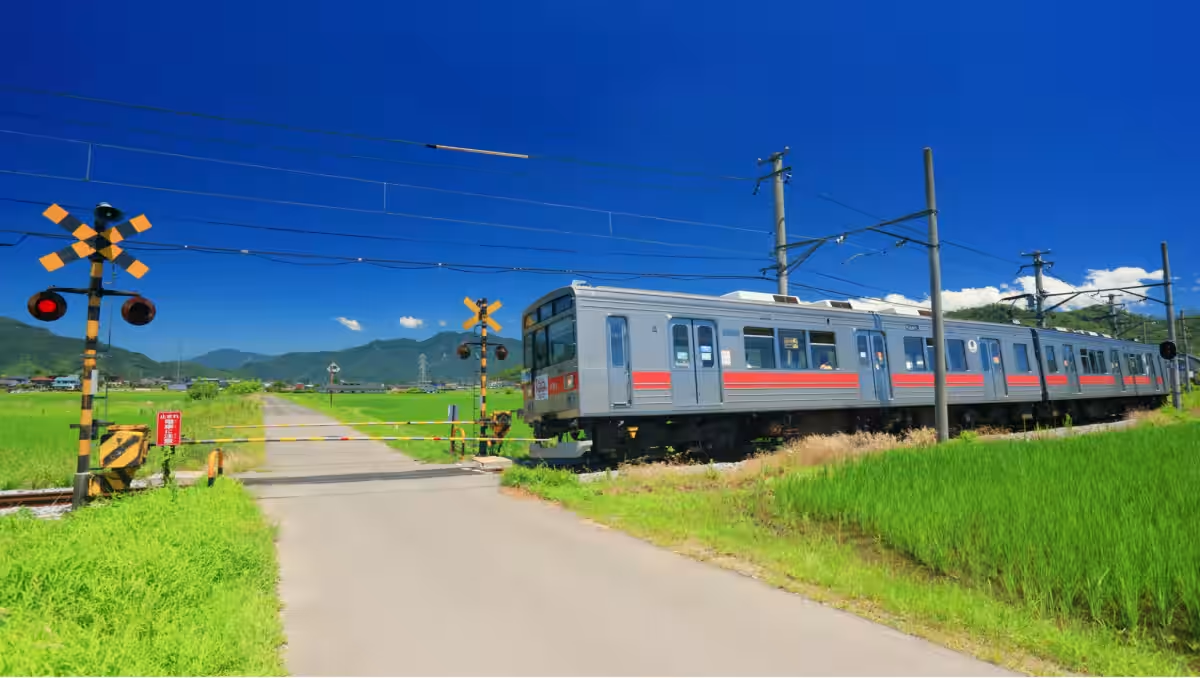
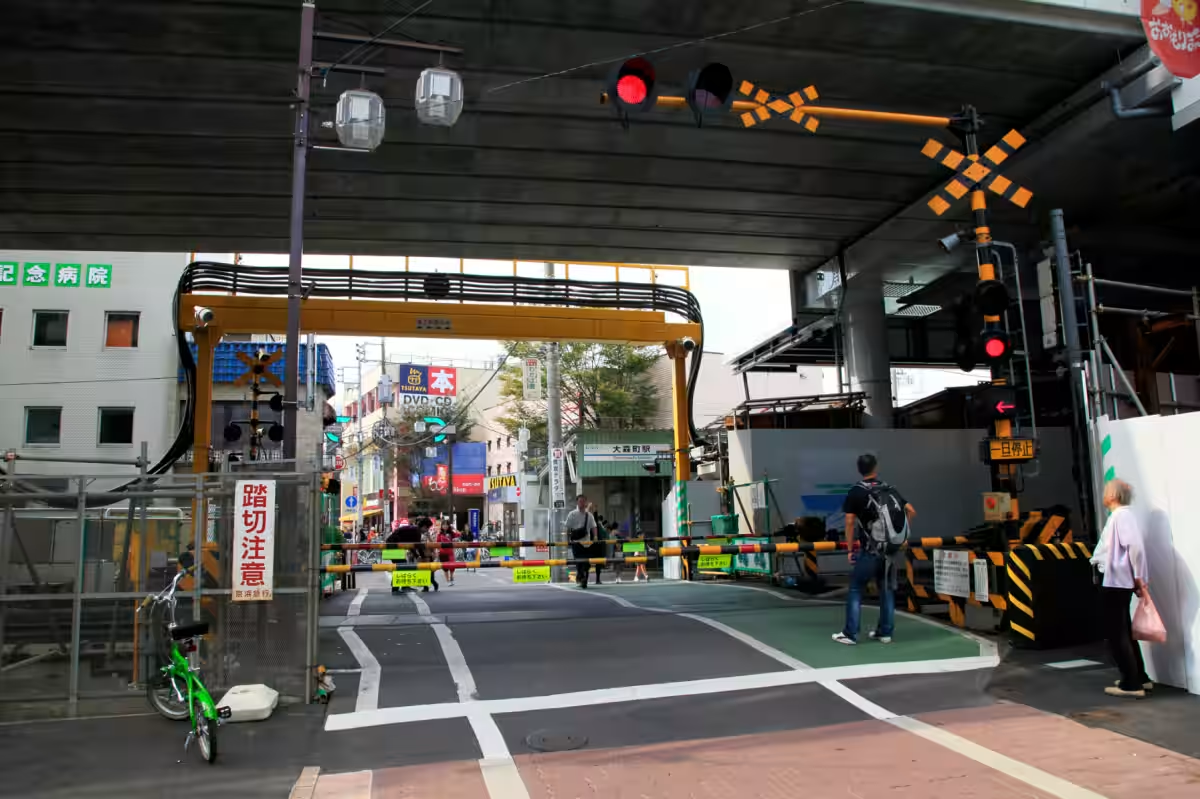
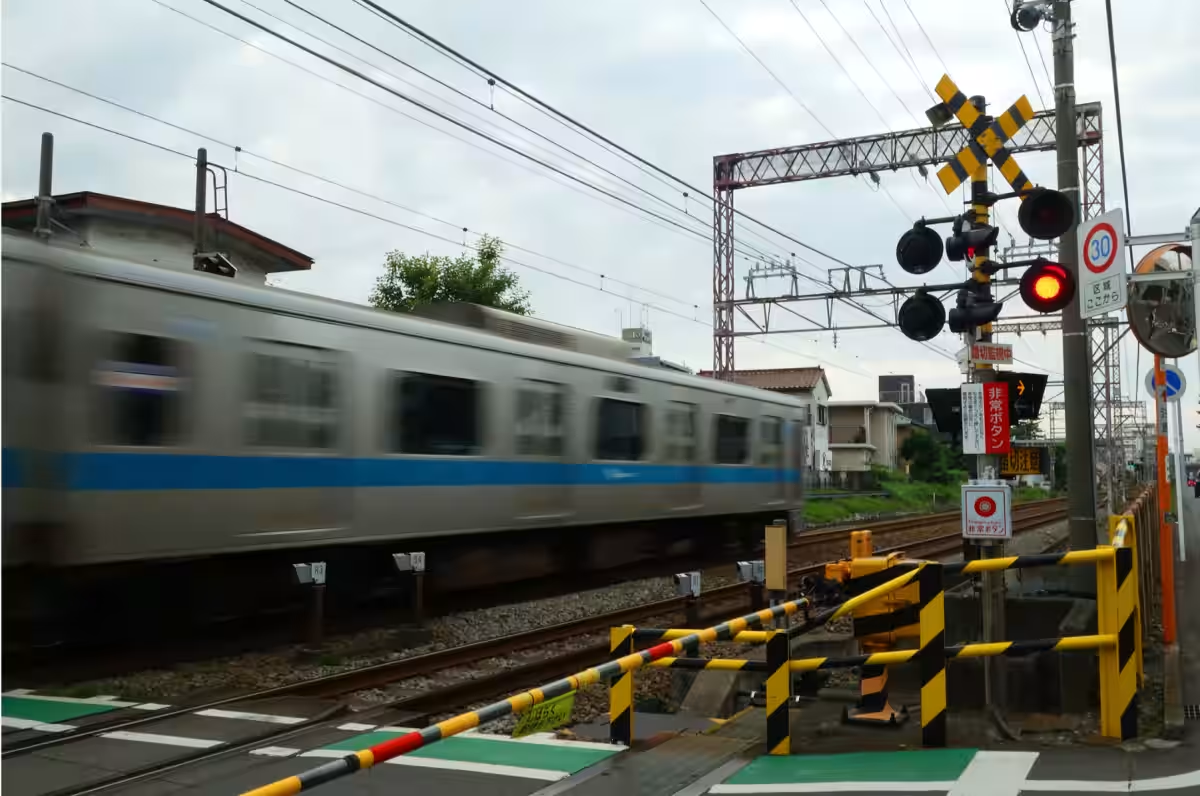
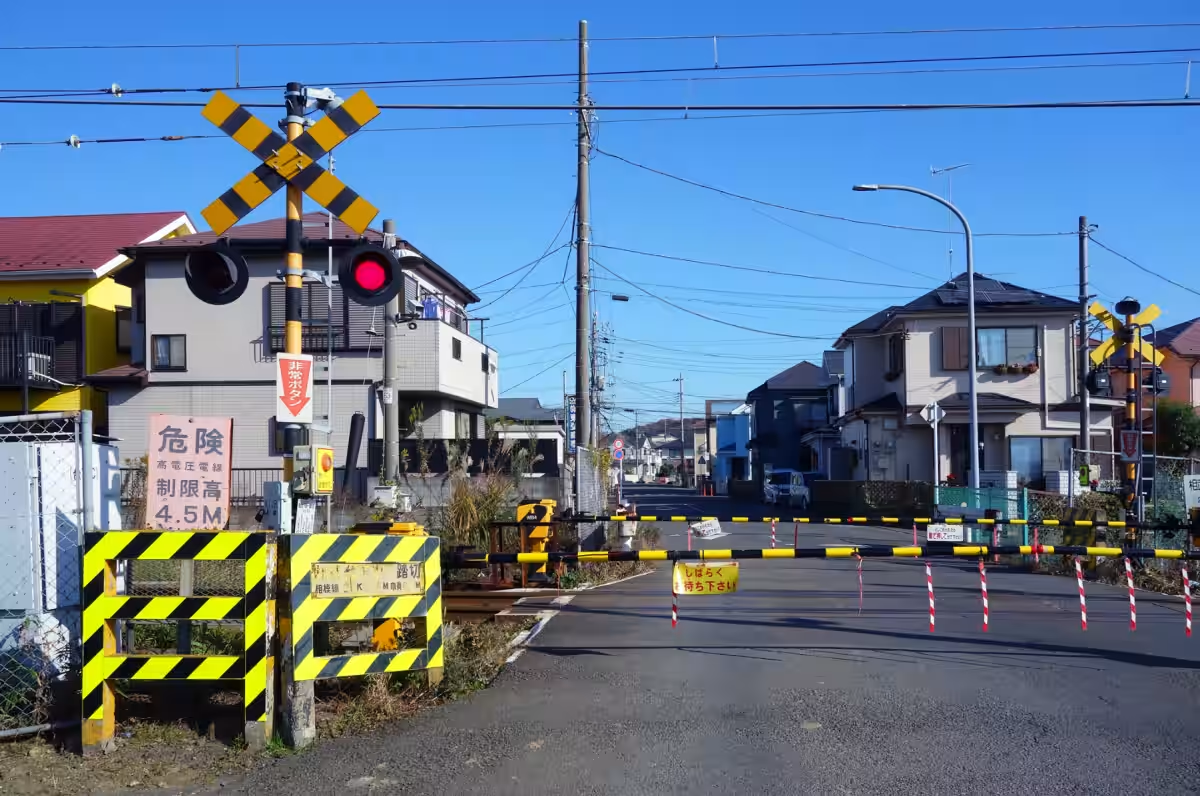
The Japanese Railway Level Crossing Image Dataset features a multitude of images captured from various railway crossings situated throughout Japan. Each image presents unique perspectives, distances, and surrounding conditions, showcasing essential elements like barriers, warning signals, and crossing signs. Additionally, various operational states of the crossings are documented, including scenarios before, during, and after train passage.
The collection encompasses images taken from a broad spectrum of locales: from densely populated urban residential areas to coastal regions, rural railway lines, and suburban environments. By including such a wide range of settings, the dataset enables AI developers to train models that exhibit versatility and adaptability in real-world contexts—an essential aspect for robust AI training.
Importance in AI Development
The dataset is particularly valuable for researchers focusing on academic and industrial applications. By providing a rich tapestry of real-world images, it assists in training AI models that can accurately detect and understand the complex structures found at level crossings. Whether for safety monitoring systems or transport infrastructure development, this dataset supports a variety of use cases.
Research Applications
1. Object Detection and Structural Understanding: Researchers can utilize these images to develop and evaluate models that detect multiple elements present in level crossings, such as barriers and signs, in outdoor settings. This enhances the understanding of complex interactions within these environments.
2. Robustness Testing in Visions Models: Given the diversity in environmental conditions captured in the dataset, scientists can explore how well their models perform across different locations. Such assessments are crucial for developing models that can generalize well to various scenarios.
3. Multimodal Understanding in Traffic Scenes: The dataset becomes even more potent when combined with accompanying text or time-series data, allowing researchers to analyze and improve multimodal AI models that function in traffic scenarios.
Industrial Applications
The Japanese Railway Level Crossing Image Dataset is not just for research; it also plays a key role in industrial applications:
1. Safety Monitoring AI Developments: This collection can serve as training and validation materials for AI systems focused on recognizing crossing equipment and contexts, significantly boosting the effectiveness of safety measures in rail infrastructure.
2. Pre-training Foundation Models: The dataset acts as a robust resource for pre-training vision-oriented AI models, facilitating their further development tailored to the specific nuances of Japan's railway infrastructure.
3. Edge AI and Camera Systems: Utilizing practical images in conditions akin to fixed-camera perspectives allows developers to rigorously assess the performance of object detection and scene recognition systems under real-world constraints.
Educational and Proof-of-Concept Use
Beyond its application in AI development, the dataset also supports educational endeavors, enabling students and budding researchers to understand image recognition and scene comprehension through the lens of real-world transportation infrastructure. This facet is instrumental in laying the groundwork for future innovations in AI related to transport and infrastructure.
About Qlean Dataset
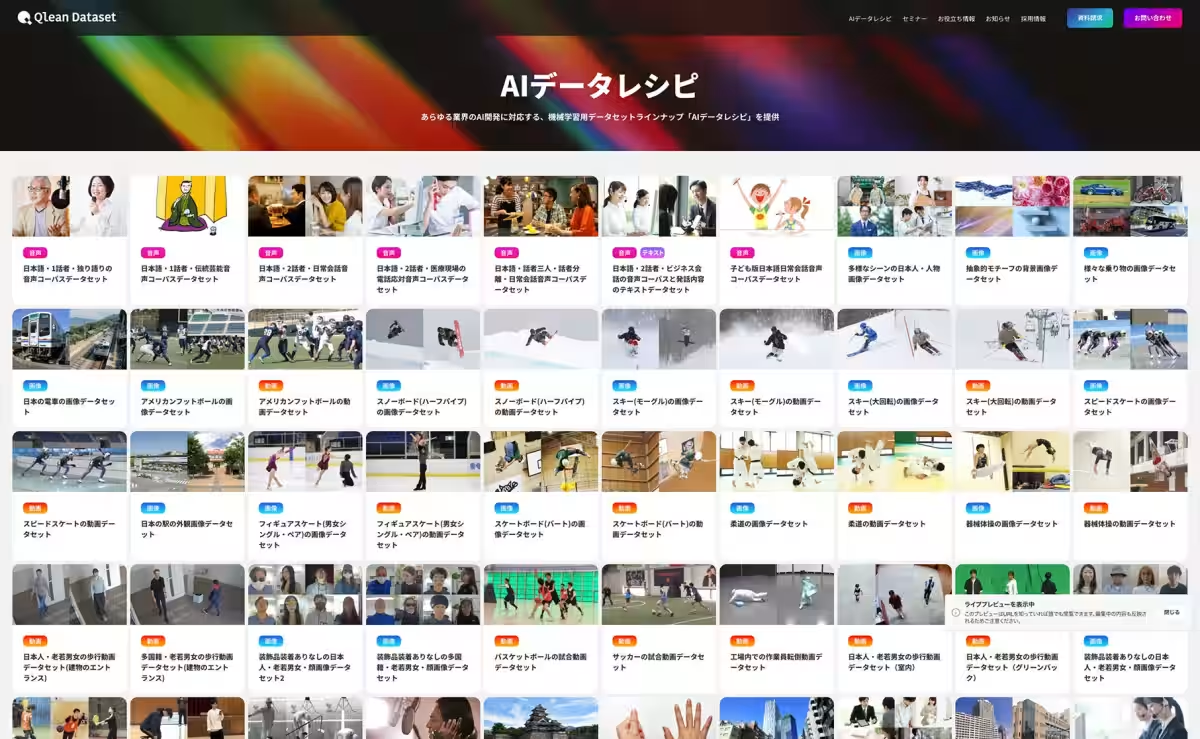
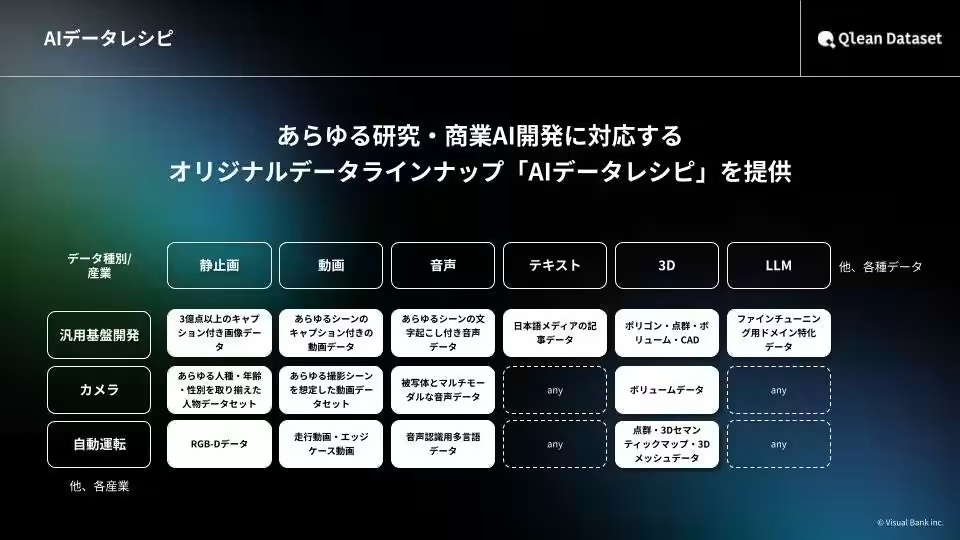
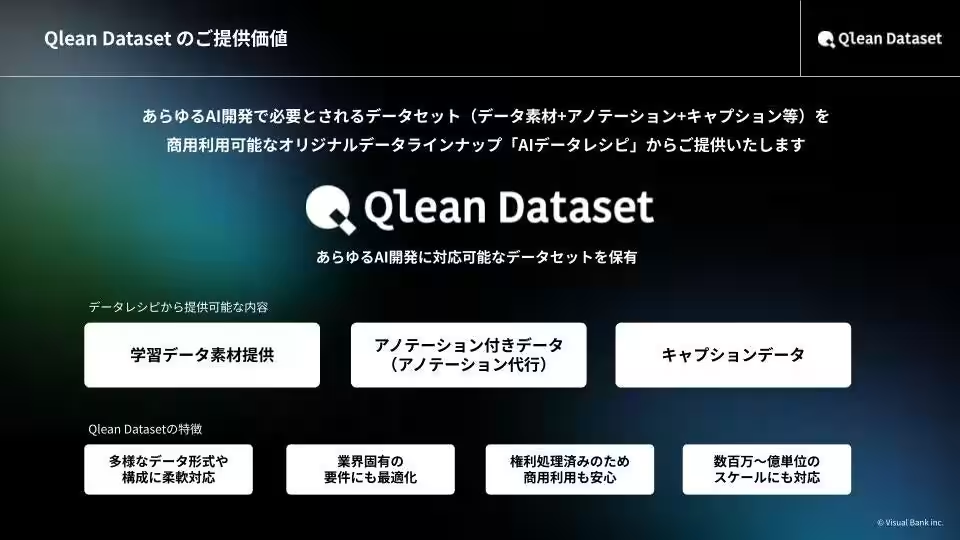
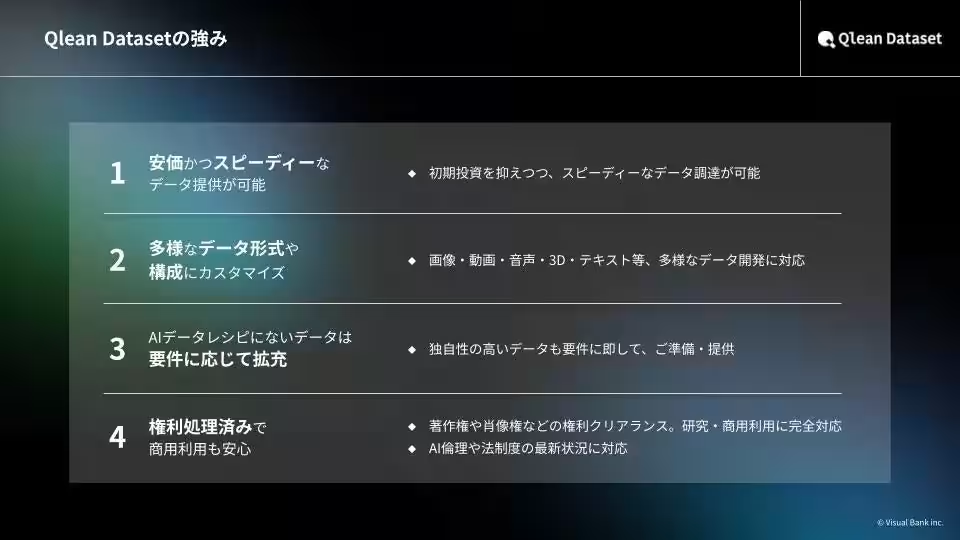
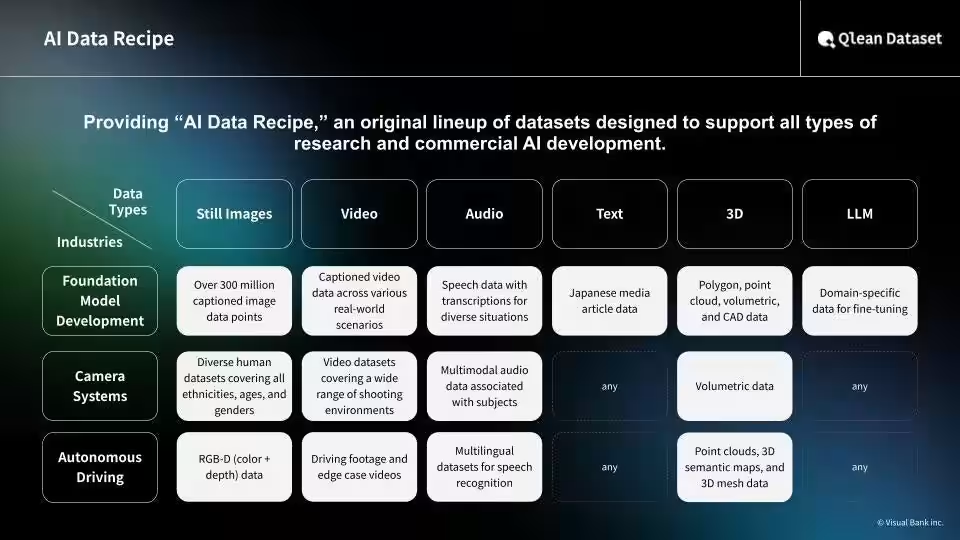
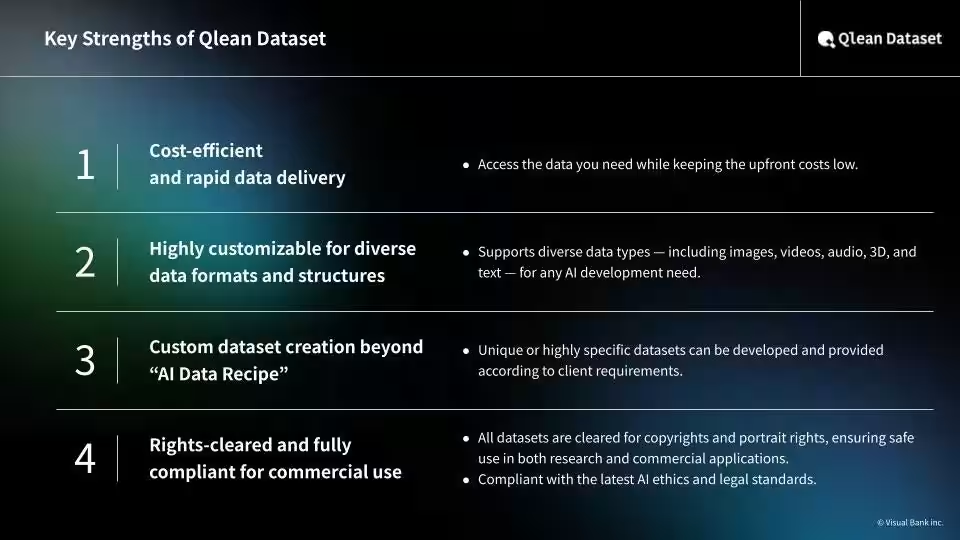
Qlean Dataset is a pioneering AI training data solution launched by Amana Images Inc., a subsidiary of Visual Bank. This initiative caters to various data types, ensuring that both researchers and commercial developers can access safe and legally compliant resources for their AI endeavors. With continuous updates to their data offerings informed by industry needs, Qlean Dataset aims to streamline the AI model training process while eliminating legal risks.
For more information on the Qlean Dataset and to explore the dataset further, interested individuals can visit their website: Qlean Dataset.
Conclusion
Through the release of the Japanese Railway Level Crossing Image Dataset, Visual Bank Inc. not only enriches the AI research landscape but also contributes significantly to advancements in transportation infrastructure, showcasing an unwavering commitment to broadening the horizons of AI applications across diverse environments and sectors.

Topics Consumer Technology)
【About Using Articles】
You can freely use the title and article content by linking to the page where the article is posted.
※ Images cannot be used.
【About Links】
Links are free to use.