



Understanding the Plaque Risk: Insights from Osaka University Research
Unveiling the Plaque Risk: Important Insights from Osaka University
In recent years, national attention has grown towards dental and gum health, highlighted by the government's policy to promote dental checkups for all citizens. A staggering revelation has emerged from studies led by Osaka University's esteemed Professor Matsuo Amano - nearly half of people surveyed are harboring significant risks related to dental plaque. This discovery not only brings awareness but emphasizes the urgent need for preventive dental care.
What is Dental Plaque?
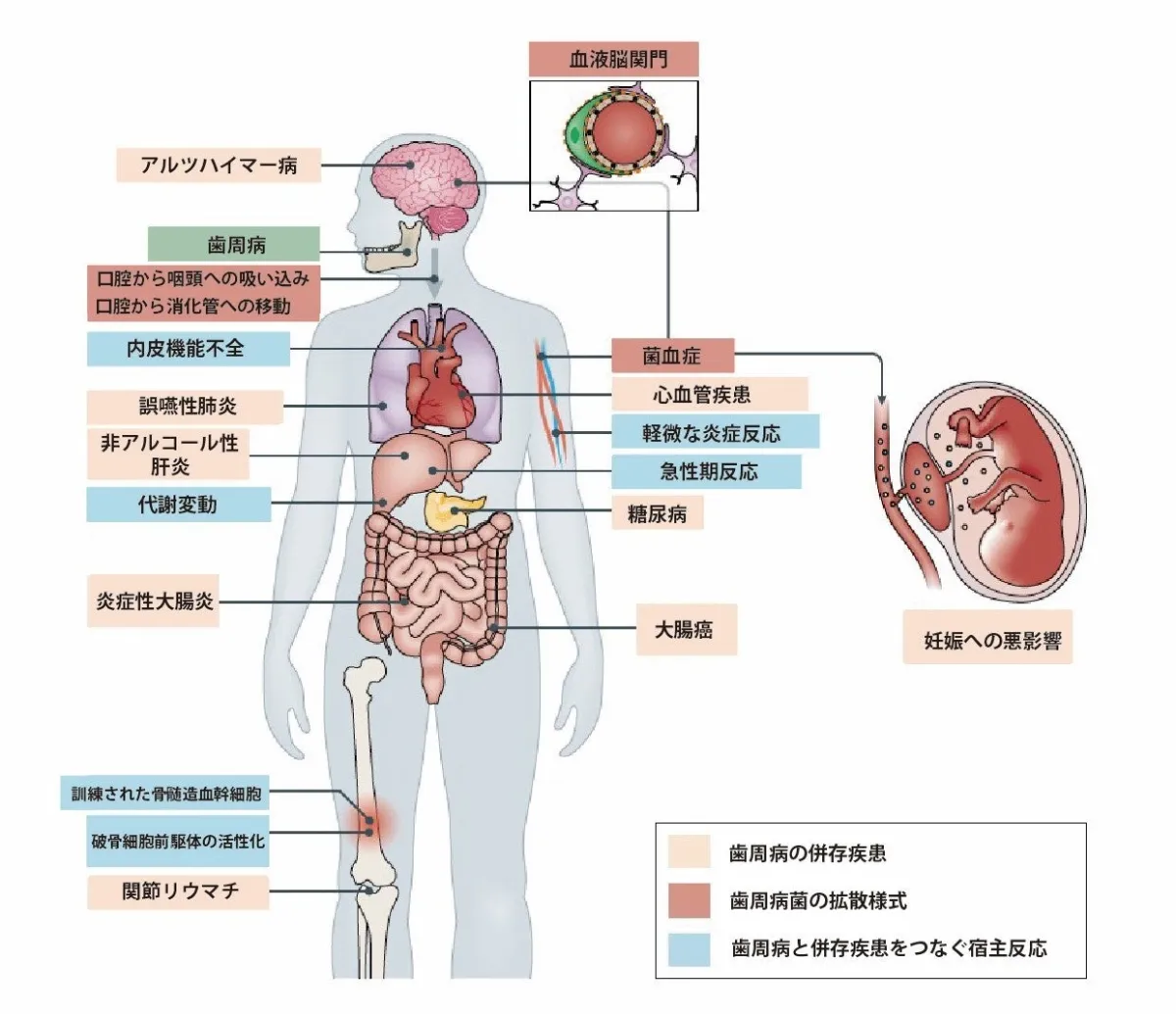
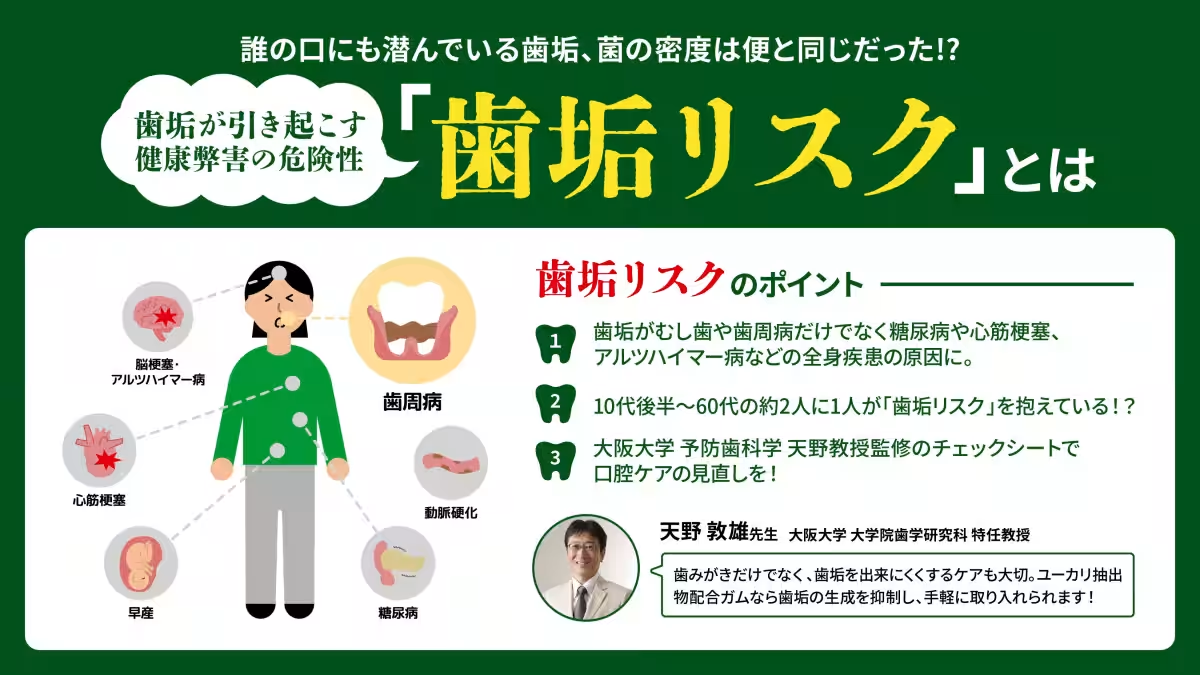
Dental plaque, or biofilm, is a sticky, soft white substance formed on teeth, made up of bacteria and their by-products. One milligram of plaque can contain over 100 million bacteria, resembling densities found in human feces. When plaque builds up between the teeth and gums, it creates a pocket vulnerable to infections. Recent research has shown clear links between plaque and systemic diseases including diabetes, heart attacks, and even Alzheimer's disease.
The Link between Gum Disease and Overall Health
When gum disease progresses, oxygen becomes limited in the periodontal pockets, resulting in a proliferation of pathogenic bacteria that thrive on the iron found in blood. This can lead to chronic inflammation and severe tissue damage. Pathogenic bacteria such as Porphyromonas gingivalis possess the ability to invade deep tissues and even enter blood vessels, increasing the risk of cardiovascular diseases and stroke, particularly dangerous for pregnant women due to the increased risk of premature birth.
The Ministry of Health, Labour and Welfare reports stark statistics - many elderly individuals have experienced a reduction in their number of teeth, yet good oral hygiene can extend their healthy lifespan by nearly two years. Effective oral management in hospitalized patients can reduce their hospital stay and lower pneumonia rates.
Statistics on Dental Health Risks in Japan
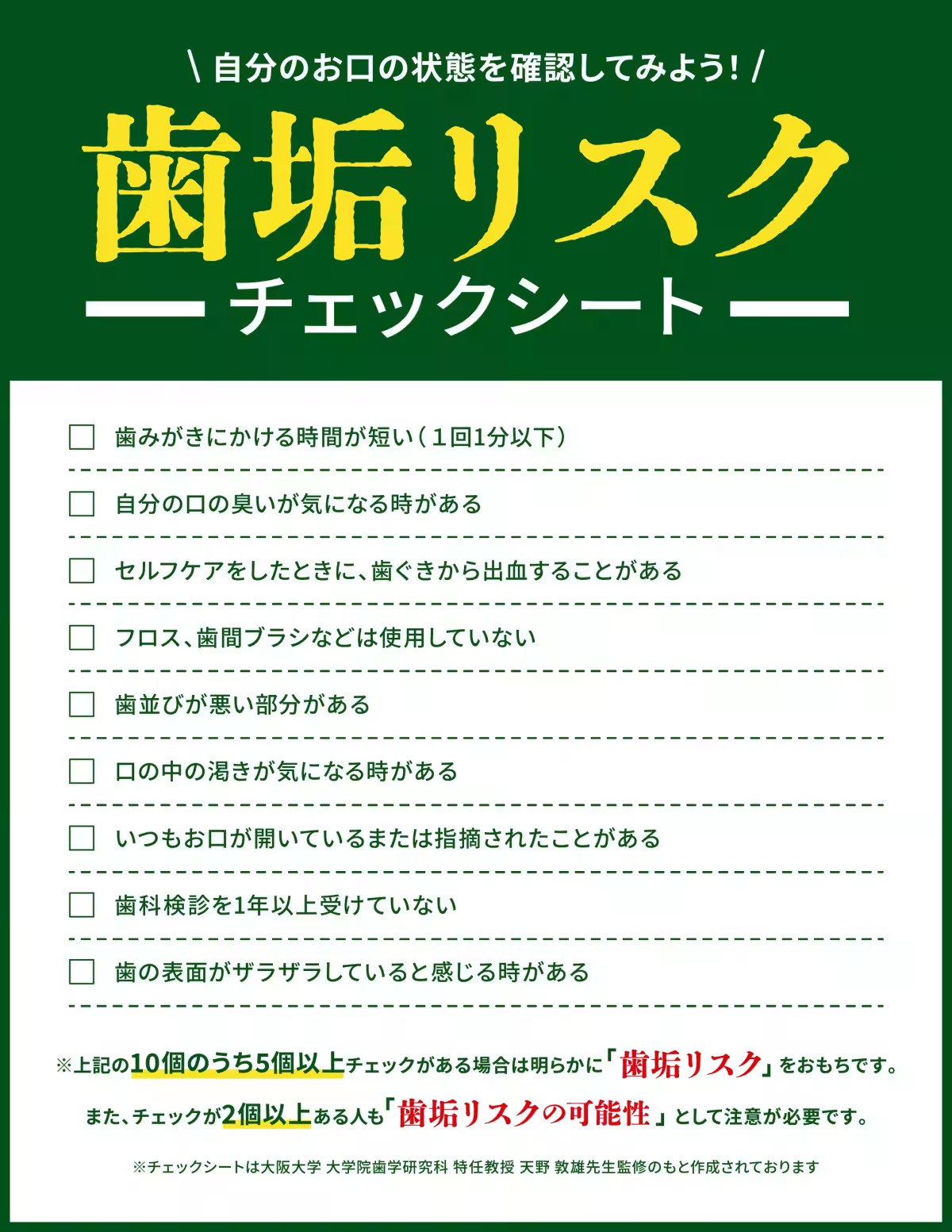
Research shows that half of the Japanese population suffers from periodontal disease, with about 90% of those aged 35 and older having experienced cavities. This highlights a significant societal issue regarding dental plaque and its consequential health problems, necessitating the need for a 'Dental Plaque Risk Checksheet' developed in collaboration with Professor Amano to help individuals understand their level of risk.
Survey Reveals Alarming Trends
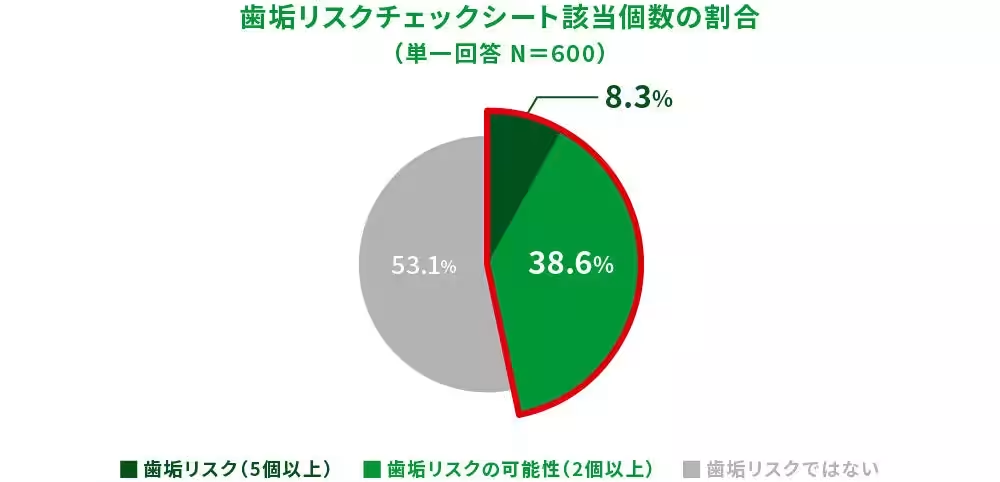
The findings reveal that 46.9% of adults, particularly women aged 50 to 60, are experiencing high levels of dental plaque risk. The hormonal changes that women undergo after their 40s might explain this vulnerability, as estrogens play a crucial role in immune function and gum health maintenance. A decrease in estrogens during menopause can lead to inflammation and dryness, making gum tissues more susceptible to disease.
The Dangers of Autumnal Foods
As we enter the season of autumnal flavors, the risk of accumulating dental plaque increases. Seasonal delicacies, such as sweet potatoes and chestnuts, contain starches that convert into sugars, contributing to plaque formation. Most notably, the Streptococcus mutans bacteria thrives on sugars and generates acid that erodes tooth enamel. Hence, it’s critical to implement comprehensive oral care strategies, including brushing, flossing, and the use of supplementary aids like xylitol gum.
Expert Opinions on Oral Hygiene
Professor Amano emphasizes the importance of maintaining oral cleanliness in preventing plaque buildup. Even with diligent brushing, residual plaque can remain in the mouth, likening the effect to an improperly wiped surface. Regularly using supplementary care, such as chewing xylitol gum, promotes saliva production, works to minimize plaque formation, and supports oral health effectively.
Conclusion
The collaborative efforts from Osaka University aimed at addressing plaque risk must stand as a wake-up call. Such findings necessitate increased public awareness and proactive measures to combat the health implications of dental plaque. Regular checkups, diligent oral hygiene, and community involvement in preventive education will be essential moving forward in ensuring healthier lives for all.
This essential research underlines the need for preventive dental practices while considering systemic health implications. Our approach to oral care must evolve to encompass not just removal of plaque but also prevention of its formation effectively.


Topics Health)

【About Using Articles】
You can freely use the title and article content by linking to the page where the article is posted.
※ Images cannot be used.
【About Links】
Links are free to use.