


Enhancing Efficiency at Care Facilities Through Innovative Practices and AI Tools
Enhancing Efficiency at Care Facilities: A Case Study of Adachi Shoyuen
In a significant move towards operational efficiency, the social welfare organization Genki Mura Group, based in Saitama, has implemented groundbreaking strategies at its Tokyo facility, Adachi Shoyuen. This initiative primarily aims to address challenges stemming from traditional paperwork and stamp culture, prevalent in Japanese work environments, which have been hindering productivity. The introduction of AI recording tool, noman, was pivotal in this transition, leading to reduced workloads for staff and increased participation from international staff members in committee processes.
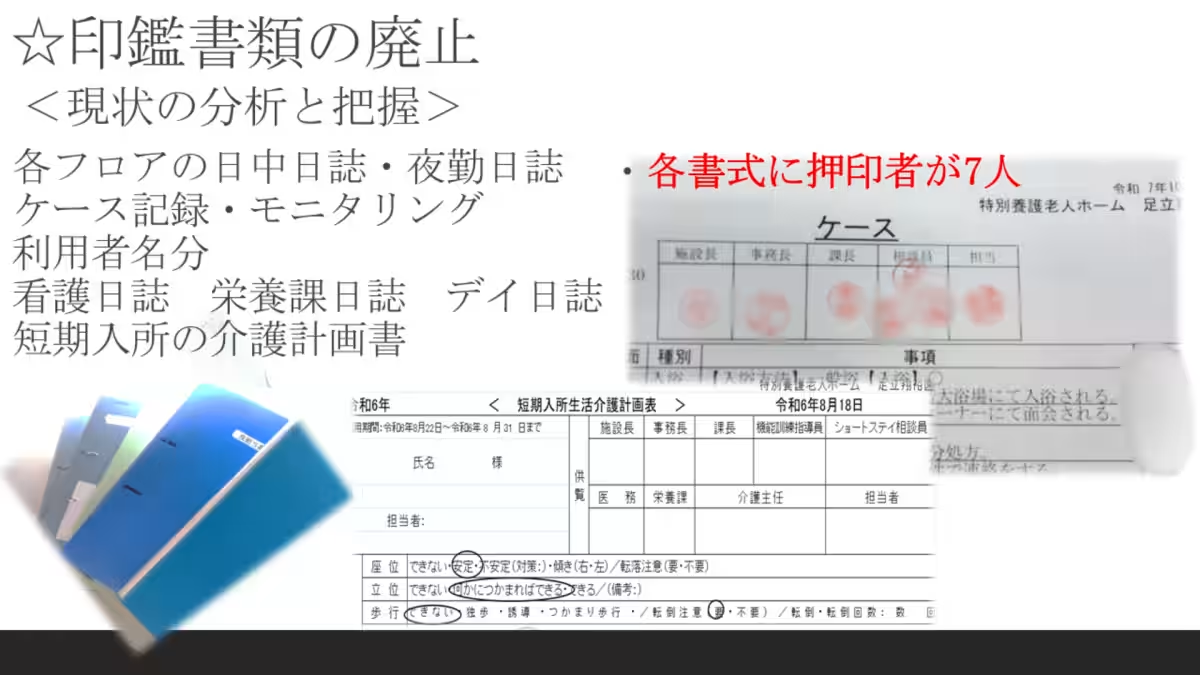
The Burdens of Paperwork and Stamp Culture
Founded nearly three decades ago, Adachi Shoyuen continues to rely heavily on physical documents and stamping processes. This dependence on analog practices results in significant time allocation for printing, verifying stamps, and managing physical records—a cumbersome task for the facility's staff. Notably, with 20 international staff members contributing to the team, the task of documenting meeting minutes often falls disproportionately on Japanese staff, exacerbating the workload of certain individuals. Recognizing the need to eliminate waste and transform working styles, the group embarked on a research initiative to explore solutions.
Focusing on Key Improvement Areas
To streamline operations, three key focus areas were established:
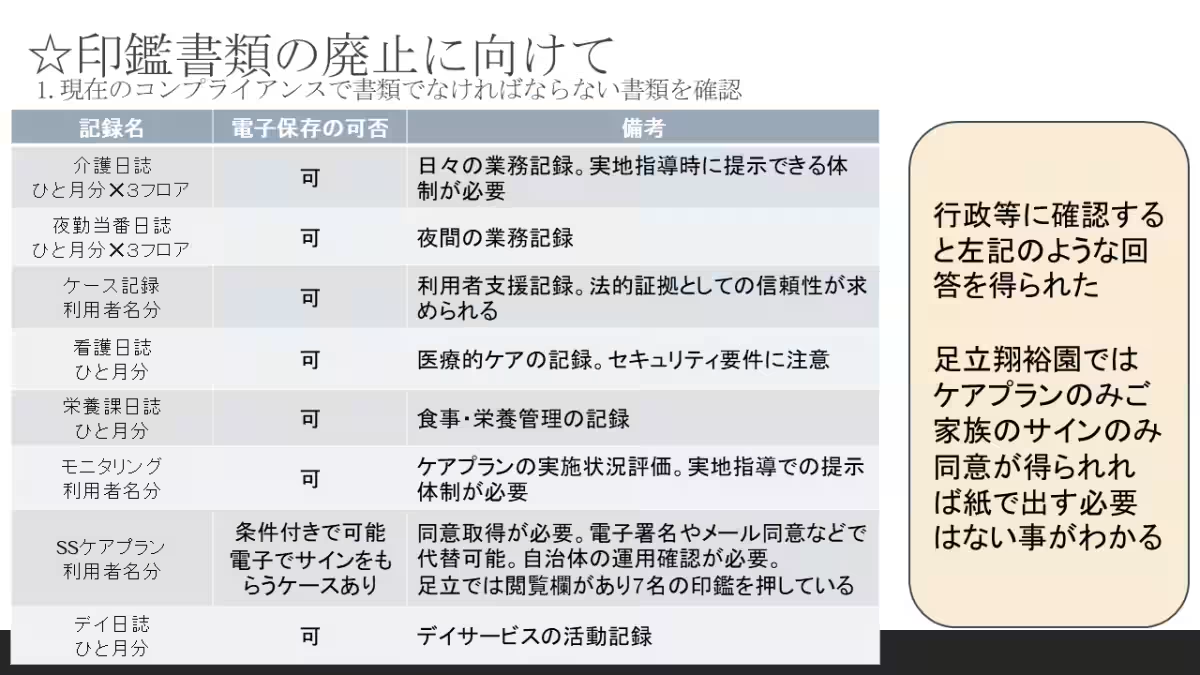
1. Reducing the burden of printing and stamping - Lowering associated costs and labor.
2. Creating an inclusive environment for international staff - Allowing their participation in documenting meeting minutes.
3. Ensuring care plans accurately reflect client needs - Structuring an efficient feedback mechanism.
This strategic focus aimed to marry the reduction of paperwork culture with the necessary digital transformation to enhance operational efficiency and distribute roles more evenly among the staff.
Transforming Processes Through noman and Document Review
The initiative's implementation involved several key steps:
- - Evaluating Document Necessity - A thorough assessment was conducted to determine which documents genuinely required stamping, leading to the rationalization of the stamping culture.
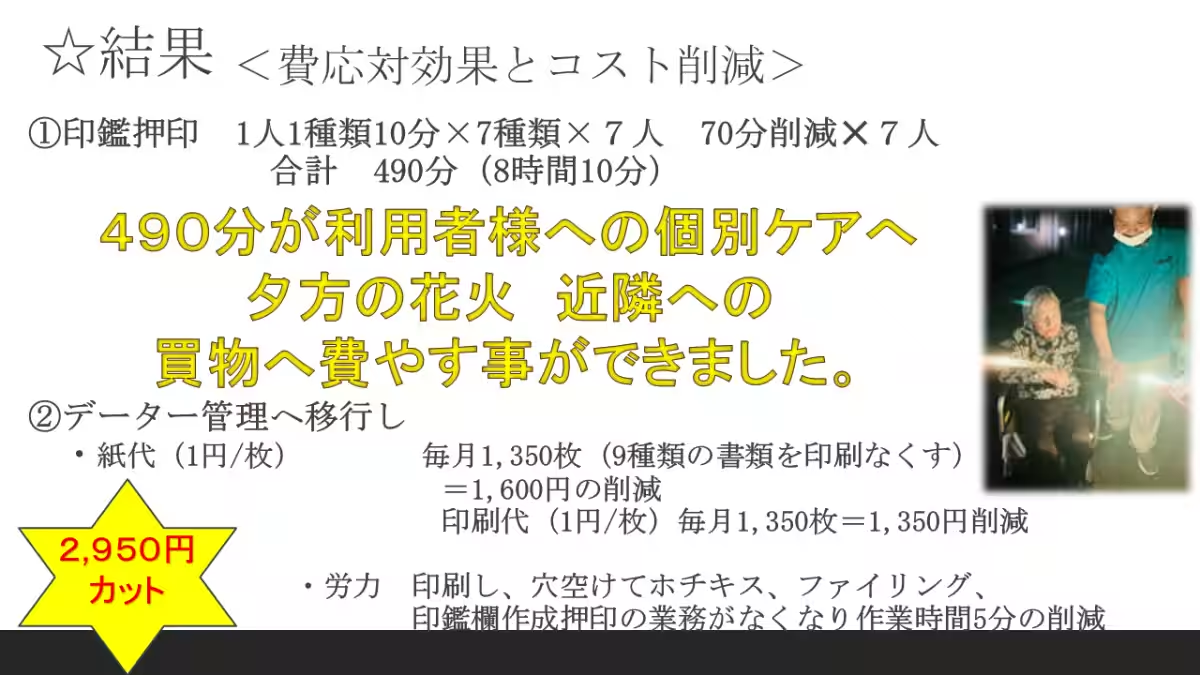
- - Visualizing Printing Costs - An analysis of printing quantities, time, and ink costs was performed, allowing the elimination of unnecessary tasks.
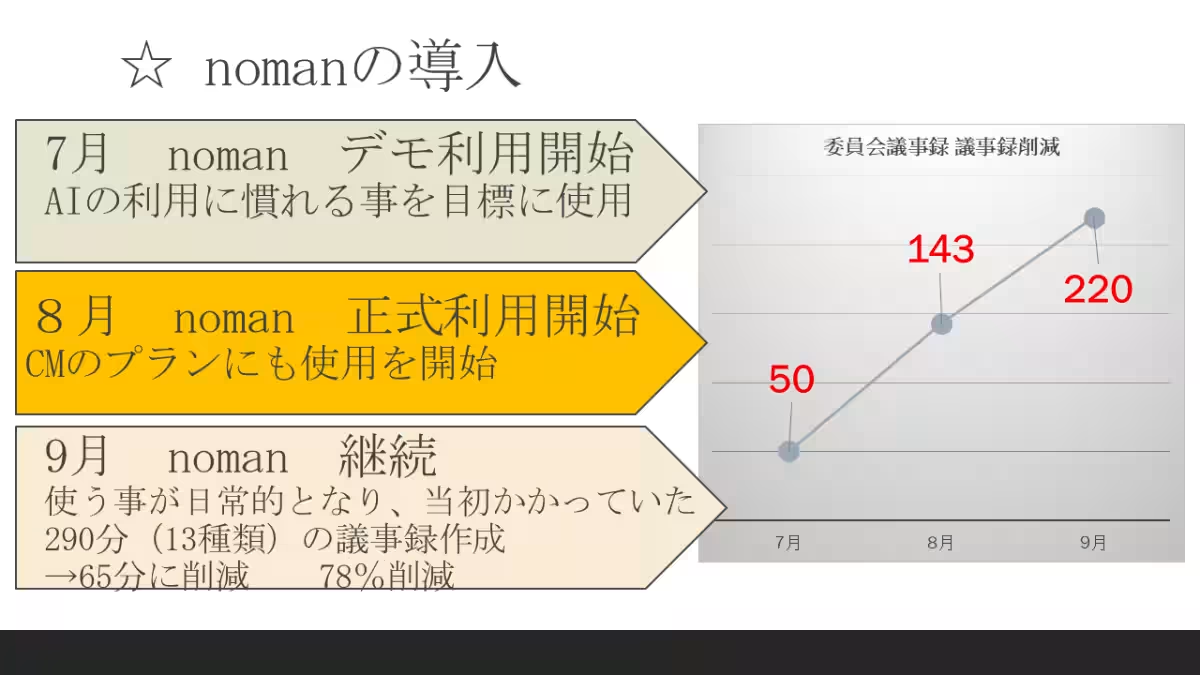
- - Introducing the noman AI tool - By utilizing this tool for automated transcription and summarization of meeting content, the facility addressed the over-reliance on specific individuals for minute-taking responsibilities.
Measuring Effectiveness Through Time Evaluation
To validate the impact of these changes, time spent on various tasks was quantified and compared. Notably:
- - The time spent on stamping was significantly reduced by revising workflow processes, minimizing the physical tasks associated with “verify → stamp → return.”
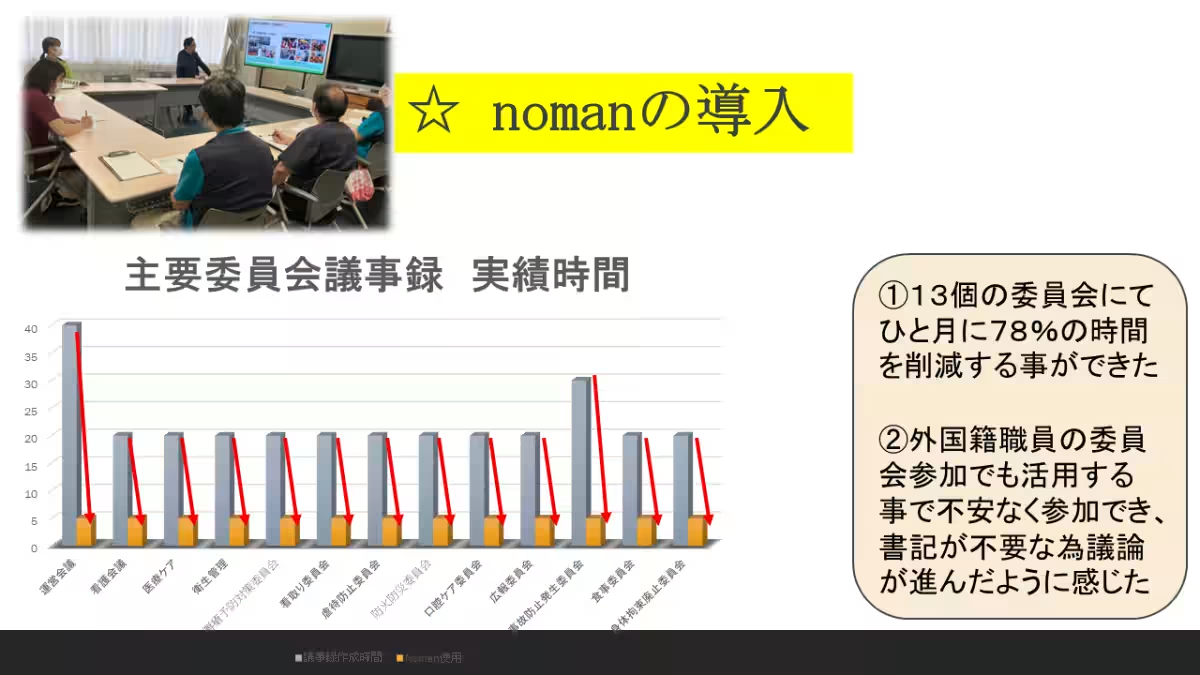
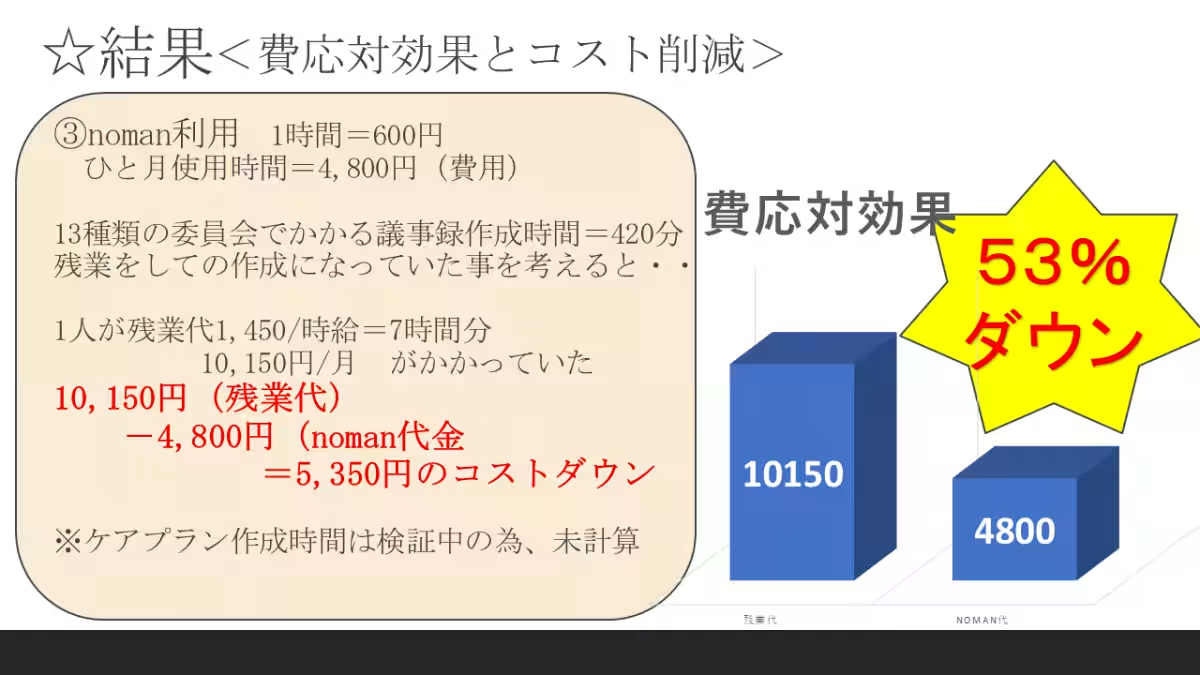
- - The time taken to create meeting minutes was monitored before and after implementing noman, revealing a clear decrease in the duration required to prepare thorough documentation.
The reduction in transcription burdens enabled prompt creation of meeting notes, ultimately fostering an environment more conducive to participation from international staff.
Achievements Leading to Reduced Staff Burdens
The outcomes of this initiative yielded several benefits:
- - Time associated with organizing stamped documents decreased markedly.
- - The integration of noman significantly reduced the time needed for documenting meetings, lightening the load on Japanese staff members.
- - International staff members were enabled to contribute to minute creation, increasing their involvement in committees.
- - Operational efficiency improvements allowed for increased direct engagement with clients.
As a result, responsibilities among staff became more evenly distributed, supporting both productivity enhancements and improved quality of care.
The Importance of Challenging Established Norms
This research initiative underscored the necessity of critically evaluating established practices and the courage to adopt new systems. Continuous improvement in operations is not merely about large-scale changes; it is about small, repetitive adjustments that will shape the future of facility management. The goal remains clear: to create an environment where staff find fulfillment in their work, and clients can enjoy a brighter, more fulfilling experience.
About the AI Tool noman
noman is an advanced AI-based application designed to simplify the recording of discussions held in conferences and committees within care facilities, automating the creation of minutes and documentation to greatly enhance operational efficiency. Learn more at the service site: noman.
Facility Information: Adachi Shoyuen
- - Phone: 03-3855-6363
- - Address: 9-15-18 Iriya, Adachi-ku, Tokyo, 121-0836
- - Website: Genki Mura Group Facilities
- - Instagram: Adachi Shoyuen Instagram
Hiring Staff!
Explore our job openings! Looking forward to your applications.
About Genki Mura Group
Founded in 1993 in Saitama, Genki Mura Group operates eight social welfare facilities under the shared philosophy of “living together.” We prioritize each client's life fulfillment and strive for
Topics Other)

【About Using Articles】
You can freely use the title and article content by linking to the page where the article is posted.
※ Images cannot be used.
【About Links】
Links are free to use.