




New Findings on Bedding's Impact on Temperature during Sleep
The Impact of Bedding on Sleep Warmth: Insights from Recent Research
In a collaborative study conducted by researchers at Waseda University, including Research Assistant Mizuho Akimoto and Professor Shinichi Tanabe, the effects of bedding on thermal comfort during sleep were thoroughly examined. This research, later set to be published in the academic journal Building and Environment, reveals not only the complexities of temperature management but introduces significant insights into achieving optimal sleep quality.
Overview of the Research
The study aimed to quantify how various bedding materials and configurations affect the inherent warmth of the sleeping environment. By utilizing thermal mannequins alongside human body models, the team conducted extensive measurements and simulations to analyze the thermal resistance of bedding in conjunction with surrounding temperatures and sleeping postures.
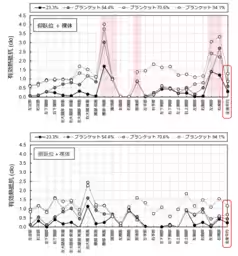
Key findings highlighted that even when wearing the same sleep attire and using similar bedding, the body temperature can fluctuate significantly based on the sleeping position and manner in which bedding is utilized. This means that achieving a comfortable sleep temperature is not just about the materials but also how they are positioned.
Methodology
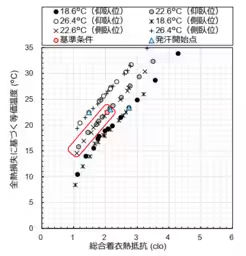
The research team established a controlled environment set at 22.6°C. They explored an array of variables, including the types of clothing worn, the variety of bedding used (such as blankets and comforters), and their respective placements. Remarkably, the study found that adjustments could yield temperature variations equivalent to 8.5°C. This capability opens conversations on practical approaches to enhance sleep comfort by manipulating bedding arrangements.
The effectiveness of climate control measures during sleep was evaluated based on the gathered data, which can provide crucial insights for those struggling with temperature regulation at night. The results emphasized the importance of thermal resistance based on the sleeping position and type of bedding, indicating that not all bedding configurations are created equal.
Research Relevance
With modern challenges such as climate change leading to rising nighttime temperatures, the implications of this research are increasingly significant. Addressing overheating in bedrooms has emerged as an urgent priority to safeguard sleep quality and health. The data generated from such studies can be invaluable for innovators in bedding design, public health, and wellness industries, as well as individuals seeking to improve their sleep environments.
Future Directions
The research team envisions conducting further investigations in real-life bedroom settings, merging these insights with practical applications to develop more sophisticated models for sleep comfort optimization. As advances in moisture-wicking sleeping materials continue, future studies will further reflect on how these fabrics impact thermal insulation and overall sleep quality. Furthermore, the importance of humidity levels and thermal performance of bedding materials warrants more in-depth exploration to enhance existing sleep solutions.
By expanding the understanding of bedding's role in thermal dynamics during sleep, researchers aim to contribute to a broader discourse on sleep science, ultimately striving to foster better sleep conditions for everyone.
This groundbreaking research from Waseda University will be published in Building and Environment on July 1, 2025, with online access available from April 26, 2025. The findings could pave the way for enhanced sleep comfort solutions in light of evolving climate conditions and personal comfort needs.
Conclusion
This innovative study marks a significant step forward in quantifying how bedding impacts sleep warmth and comfort. As we seek to prioritize good health through quality sleep, understanding our sleep environment plays a crucial role in fostering a holistic approach to wellness. Those interested in reading the complete research can access it at Building and Environment.

Topics Health)
【About Using Articles】
You can freely use the title and article content by linking to the page where the article is posted.
※ Images cannot be used.
【About Links】
Links are free to use.