



Launching the Kyoto Han'nari Nagomi Road Project for Traffic Safety
Introduction
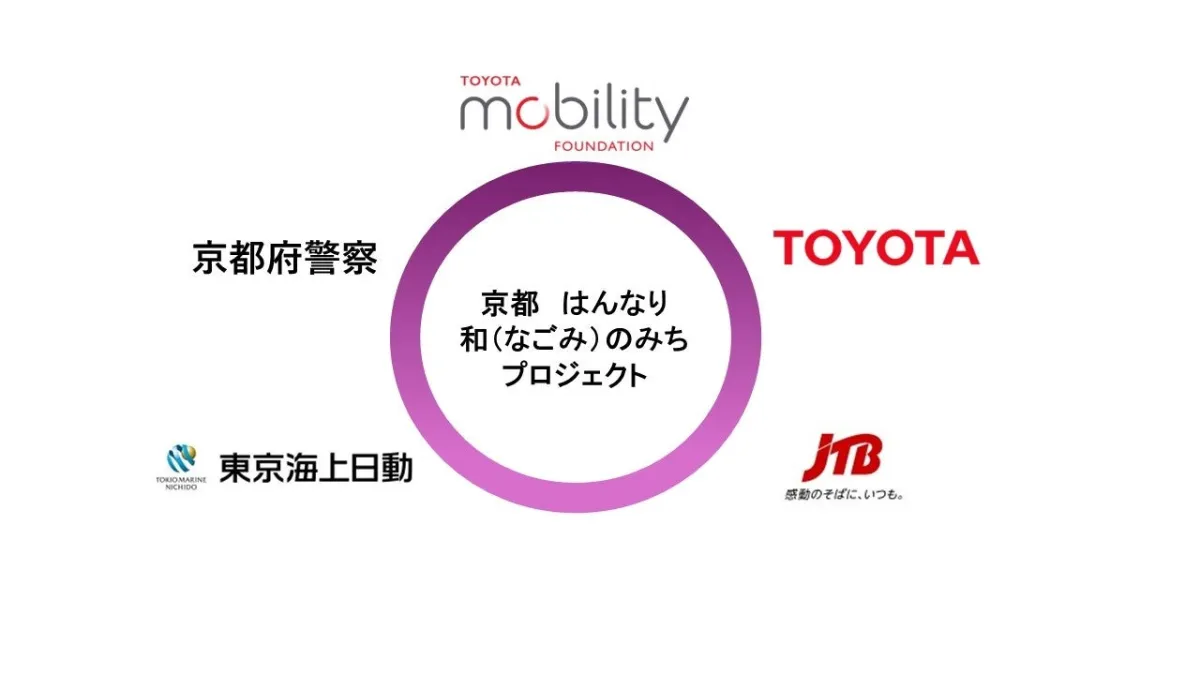
On August 29, 2025, JTB Corporation, along with the Kyoto Prefectural Police, the Toyota Mobility Foundation (TMF), Toyota Motor Corporation, and Tokio Marine and Nichido Fire Insurance Company, initiated a collaborative agreement aimed at reducing traffic accidents in Kyoto. Dubbed the "Kyoto Han'nari Nagomi Road Project," it seeks to tackle the increasing number of accidents in areas frequented by tourists, particularly in the famed Arashiyama district.
Background and Objectives
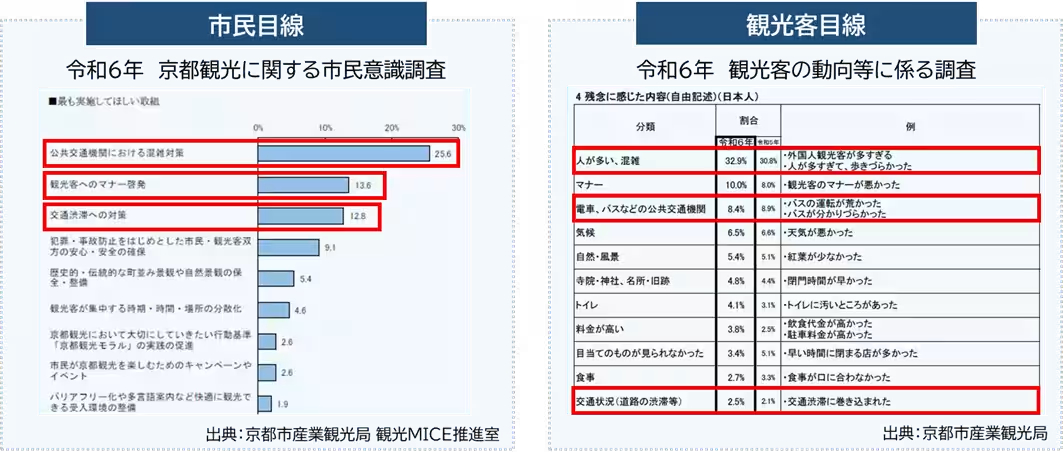
The rise in tourist numbers in Kyoto has highlighted a growing concern regarding traffic accidents on local roads shared with residents. Arashiyama, a noteworthy tourist destination, faces unique traffic challenges, such as congestion and heightened accident risks due to the overlapping routes of tourists and local residents. This project aims to leverage data from both public and private sectors to analyze these issues and implement targeted solutions.
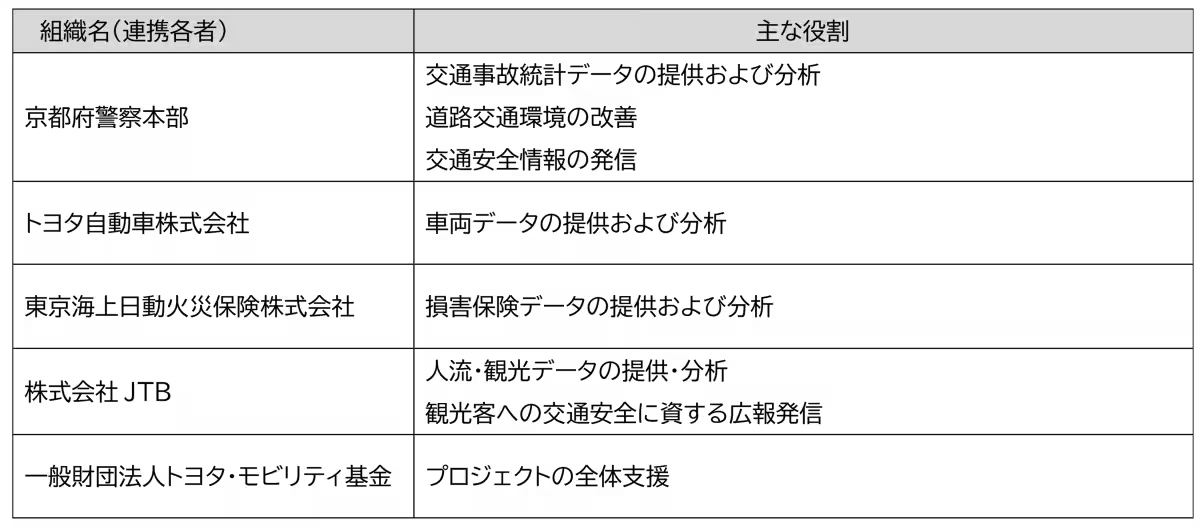
Roles and Responsibilities
Each partner organization has specific roles within the project, contributing their unique strengths to achieve the common goal of accident reduction.
Project Duration
The initiative will run from August 29, 2025, to March 31, 2026.
JTB's Contributions
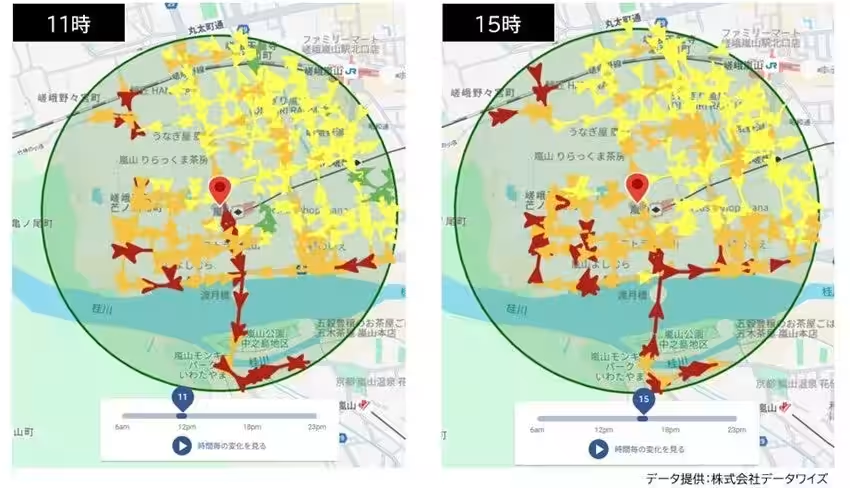
JTB will conduct a comprehensive analysis of human traffic patterns within Arashiyama, breaking down the data by the following:
1. Time-Based Analysis: Reviewing variations in traffic volume and direction at different times of the day.
2. High-Density Area Identification: Pinpointing areas with high tourist activity.
3. Visitor Demographics: Understanding the profile of visitors including domestic and international guests, their transportation methods, and previous destinations.
4. Root Cause Analysis: By merging data from partner organizations, JTB aims to uncover the underlying reasons behind accidents and congestion.
Effective Safety Communication
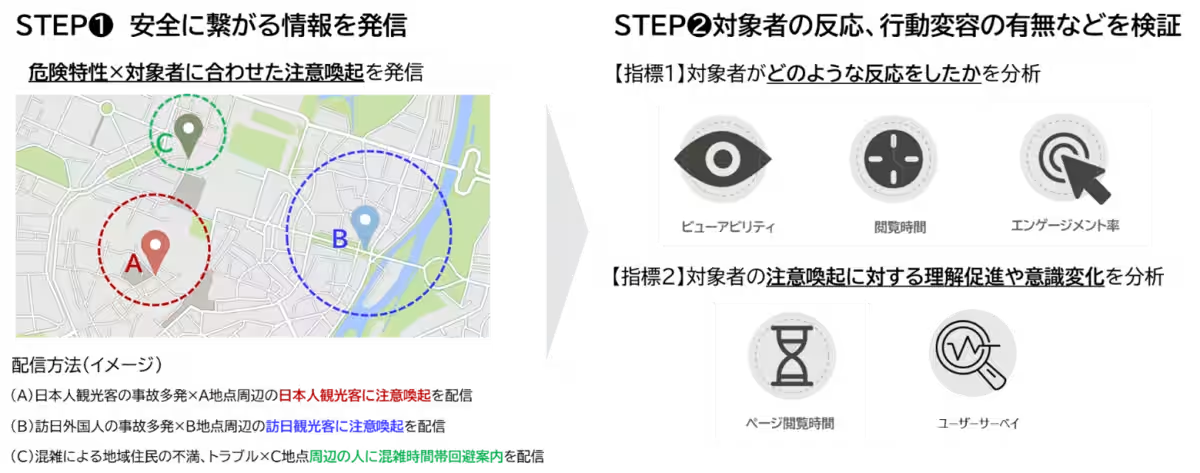
JTB will also engage in promoting safety through timely information dissemination, helping tourists avoid congested areas and informing them about safety practices. The effectiveness of this communication strategy will be evaluated to ensure it fosters positive changes in tourist behavior.
Integrated Approach to Traffic Safety
This collaboration will blend various datasets, including police records from the Kyoto Prefectural Police, vehicle data from Toyota, insurance information from Tokio Marine, and tourism patterns from JTB. This integration will enhance our understanding of traffic conditions and risks in Arashiyama.
1. On-the-Ground Traffic Analysis: Assessing vehicle numbers on local roads connecting major thoroughfares.
2. Risk Visualization: Identifying high-risk locations for potential accidents along with their contributing factors.
JTB's Vision and Future Outlook
As a proponent of fostering connections and enhancing community engagement through its services, JTB is committed to creating a win-win situation for tourists, local businesses, and residents. This project reflects JTB's mission to facilitate a smooth and safe travel experience, thus benefiting all stakeholders involved.
Significance of Project Name
The term "Nagomi" translates to harmony, representing the project's goal of promoting understanding between pedestrians and various modes of transportation, all while enhancing the original role of roads. The term "Han'nari" conveys a sense of calmness and brightness while reflecting the beauty of Kyoto's heritage and culture.
In conclusion, the Kyoto Han'nari Nagomi Road Project is a critical initiative poised to make strides in ensuring safer roads in one of Japan's most valued cultural landscapes. With a collaborative approach, leveraging a wealth of data and expertise, all participating organizations share a commitment to fostering a secure and harmonious environment for both residents and tourists.
Topics Other)
【About Using Articles】
You can freely use the title and article content by linking to the page where the article is posted.
※ Images cannot be used.
【About Links】
Links are free to use.