



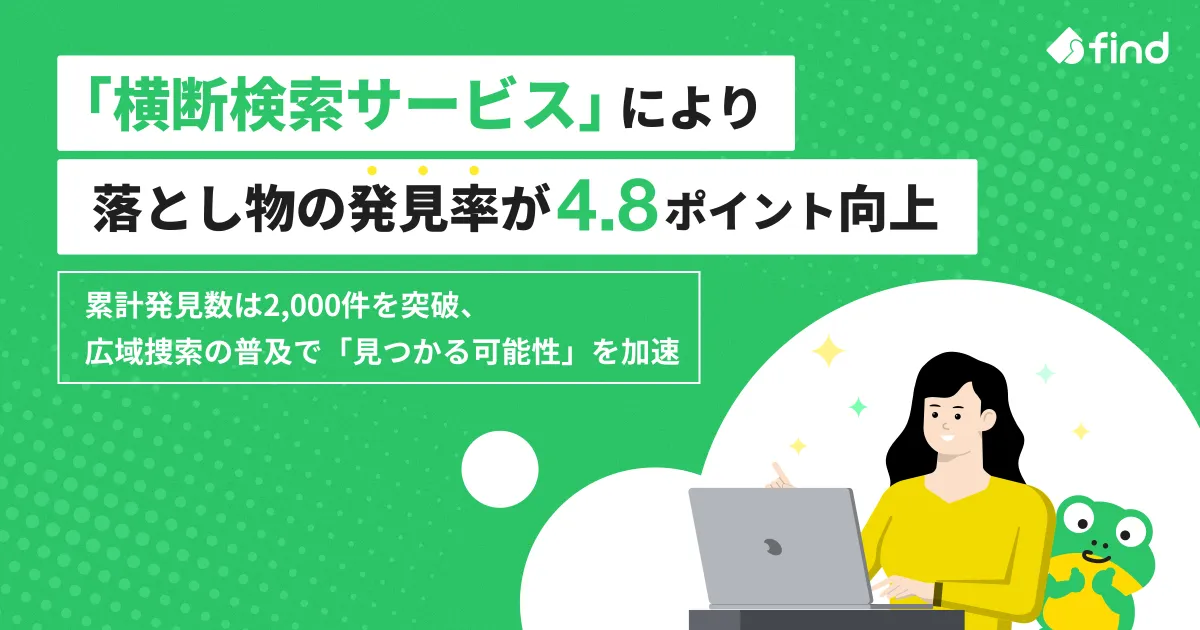
A Enhanced Lost Items Finding Rate with Cross-Search Service by Find Cloud
Enhancing Lost Item Recovery with Cross-Search Technology
In a world where losing personal items is a common occurrence, finding them is often a source of stress and hassle. However, a breakthrough has emerged from Find, a Tokyo-based company, with its innovative Find Cloud service that focuses on lost and found solutions. Launched officially on December 12, 2025, the new cross-search service significantly enhances the recovery rate for lost items, reflecting a strong commitment to improving user experience and operational efficiency.
The Challenge of Lost Item Recovery
Before the introduction of the cross-search feature, individuals who lost items had to reach out to multiple service providers separately, each corresponding to specific locations where they might have lost their belongings. This fragmented approach not only consumed time but also increased frustrations for both the owners and the businesses involved. According to statistics, retrieving lost items without cross-service inquiries posed a daunting challenge that drove Find to create a solution that streamlines this process.
What is the Cross-Search Service?
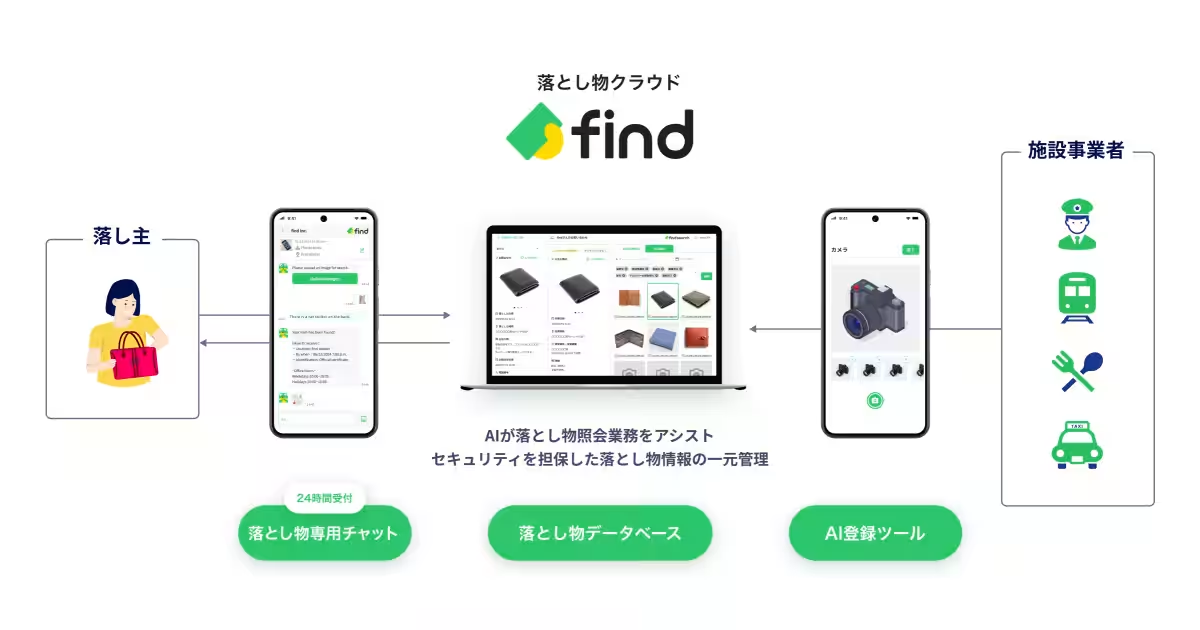
The cross-search feature of Find Cloud allows users to request information about lost items across various participating businesses or transportation services in just one inquiry. By selecting multiple possible locations through the chat interface called Find Chat, operators can search and verify across numerous entities simultaneously. This innovation not only reduces the manual effort involved for the owners but also eases the workload for businesses. Since its launch, the cross-search service has seen participation grow to 20 different businesses, reflecting its broad acceptance and effectiveness.
Getting Data: Analyzing User Interaction
Our recent analysis of the cross-search service usage revealed noteworthy trends and positive outcomes:
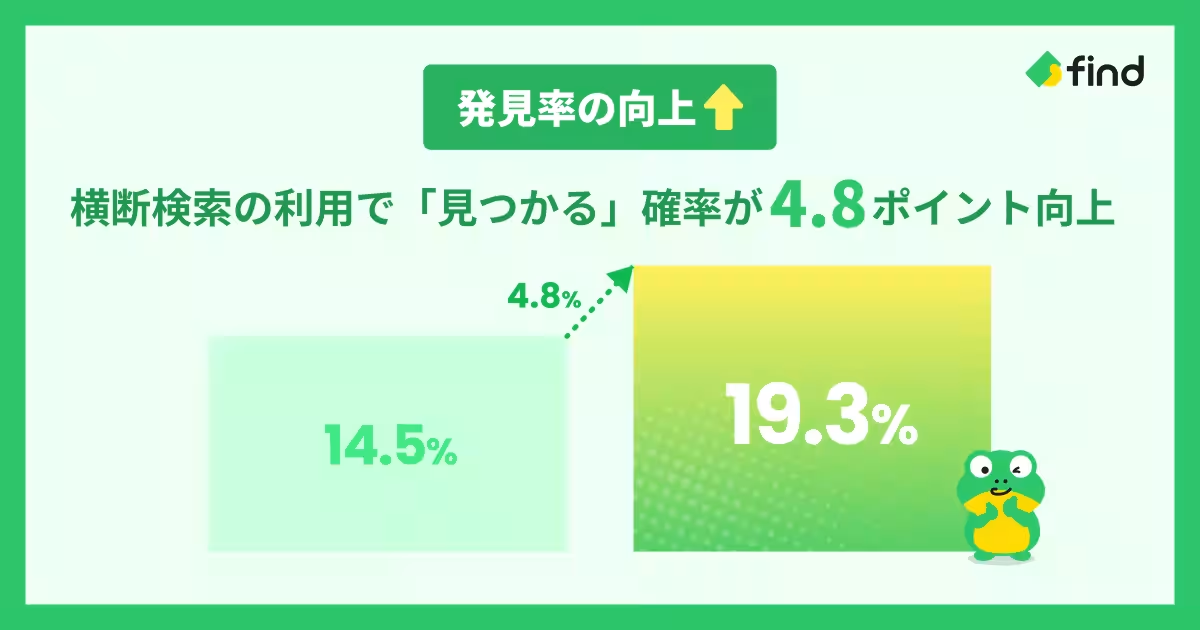
1. Improvement in Recovery Rates: The usage of the cross-search service resulted in an impressive recovery rate of 19.3%, rising from 14.5% prior to its implementation. This 4.8 percentage point increase signifies a more efficient and effective search process that connects lost items with their rightful owners more successfully than ever before.
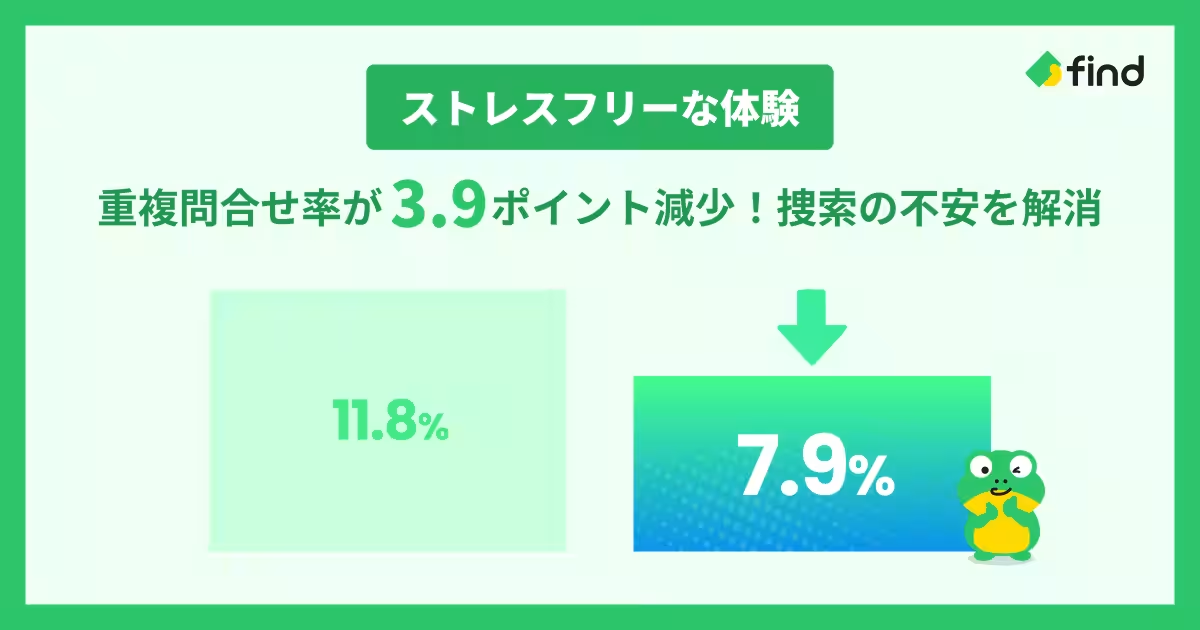
2. User Experience and Stress Reduction: The introduction of a unified query system led to a decrease in the incidence of duplicate inquiries, down to 7.9% from 11.8% in just a few months. This not only alleviated the anxiety of users searching for lost items but also addressed operational challenges faced by organizations unable to search outside their jurisdictions.
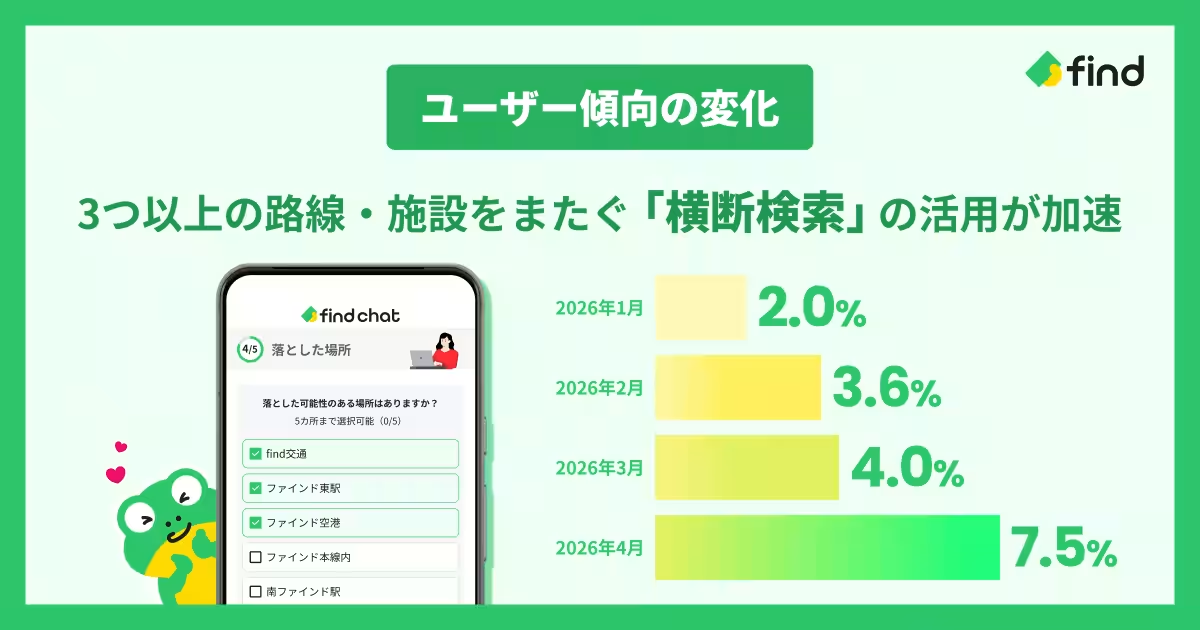
3. Increased User Adaptation: As more businesses joined the cross-search network, user behavior began to shift significantly. The percentage of users searching across three or more routes or facilities rose from 2.0% to 7.5% in the span of a few months, indicating that more individuals are taking advantage of the wide-ranging capabilities of the service.
Future Directions of Find Cloud
Turned into a robust infrastructure, the Find Cloud service is determined to fulfill its vision of creating a world where lost items can always be found. By continually expanding participating businesses and promoting ease of use, Find aims to foster trust between users and organizations. With advanced technology as its foundation, Find is committed to perfecting the art of lost item recovery in bustling environments like public transport, shopping centers, and entertainment venues.
Conclusion
The story of Find illustrates the power of technology to enhance everyday life by bridging gaps between users and businesses. As Find continues to innovate and evolve, the ongoing commitment to preserving peace of mind for individuals navigating their daily lives remains paramount. The cross-search service restructuring lost item recovery strategies is just one of many leaps towards a more efficient future in lost and found management.
For more information on Find and its innovative solutions, visit their official website at Find Cloud.
Topics Consumer Products & Retail)
【About Using Articles】
You can freely use the title and article content by linking to the page where the article is posted.
※ Images cannot be used.
【About Links】
Links are free to use.