



The Gap Between Awareness and Action in Inner Care: A Study Reveals Surprising Insights
Understanding the Awareness-Action Gap in Inner Care
As summer approaches and awareness about UV protection rises, many individuals find themselves more concerned about skin care. However, a recent survey conducted by Incubate Harbor and Zero One Booster suggests that while people recognize the need for inner care, a significant portion—about one-third—do not take the necessary steps to incorporate it into their daily routines.
Survey Overview
The survey, titled "Study on Awareness and Actions Related to UV Protection and Inner Care," was conducted in July 2025, targeting 115 participants aged between 20 and 60. This research aimed to explore the gap between knowledge and action regarding inner care practices, specifically related to UV exposure.
Findings on Awareness
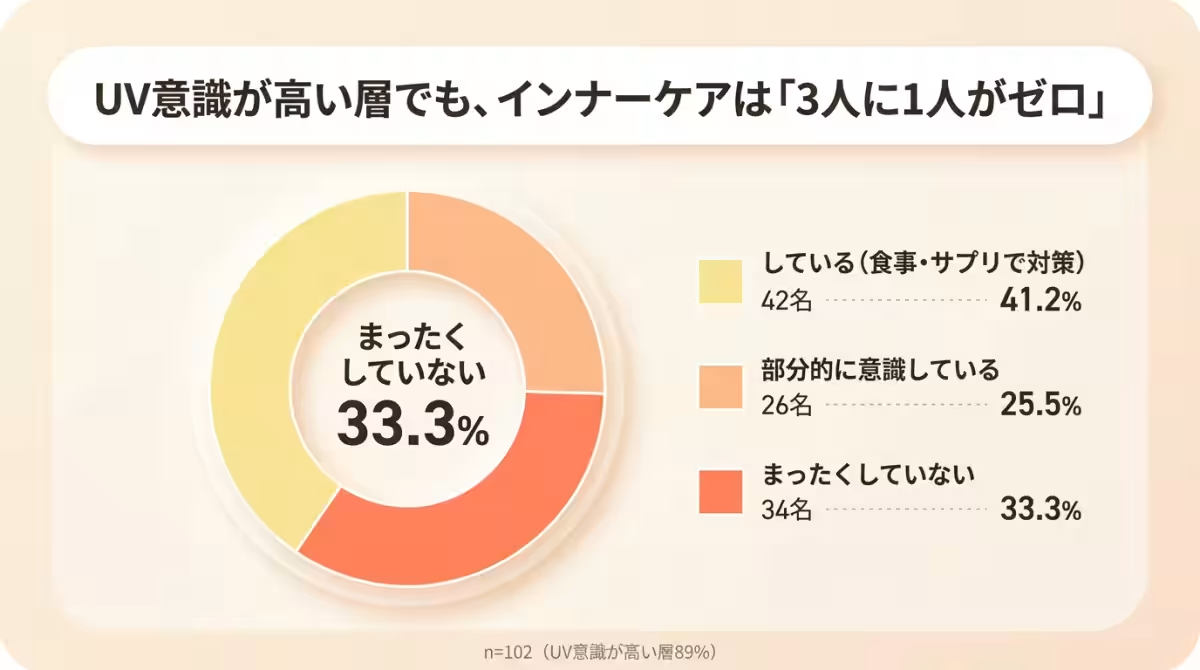
Approximately 89% of participants acknowledged the importance of managing cumulative UV damage. However, when delving into the specifics, 33% of those who were aware of this need reported that they do not engage in any inner care practices. This highlights a significant disconnect where knowledge does not translate into action—essentially, 1 in 3 individuals fail to implement what they know.
The Age Factor
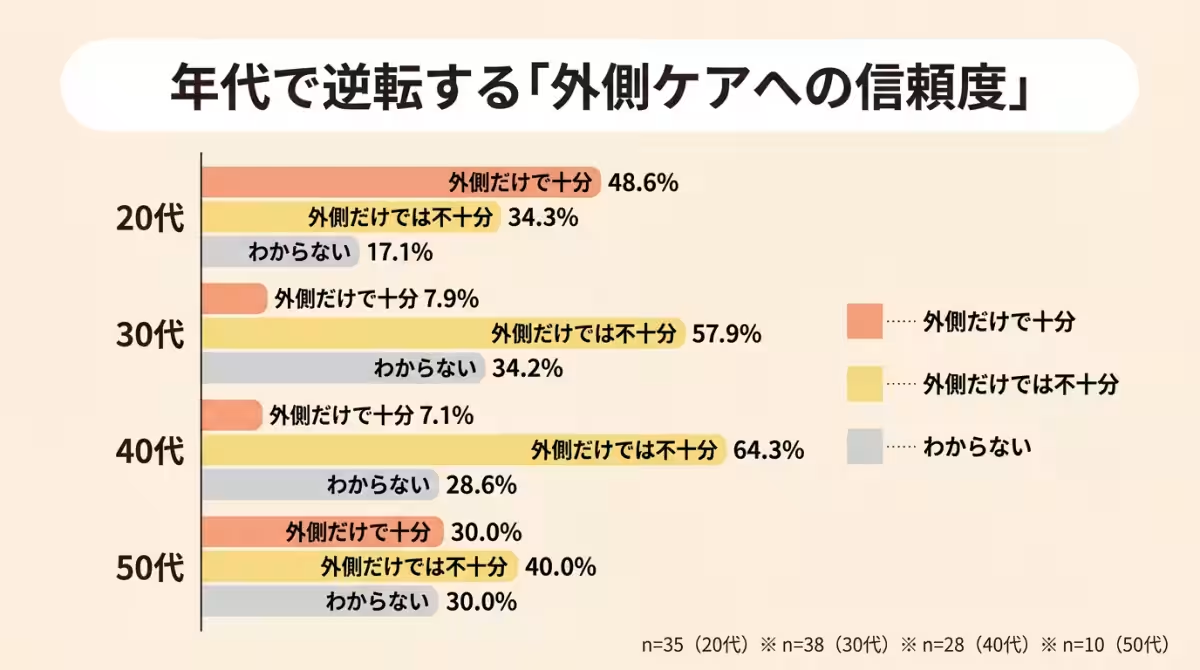
Interestingly, the survey revealed that perception of inner care needs changes with age. Among younger participants in their 20s, nearly half (49%) felt that external care alone was sufficient. In stark contrast, 60-70% of respondents in their 30s and 40s expressed doubts about relying solely on external products. As people age, they seem to develop a sharper awareness of the importance of inner care, indicating a need for targeted education for younger demographics.
High Awareness Yet Low Implementation
Among the 102 participants who reported being very aware of cumulative UV damage, around 60% admitted that they do not have a habitual inner care routine. This shows that even among those who recognize the issue, there is still a significant number who fail to act, which resonates with a broad audience who may share similar struggles.
Knowledge vs. Implementation
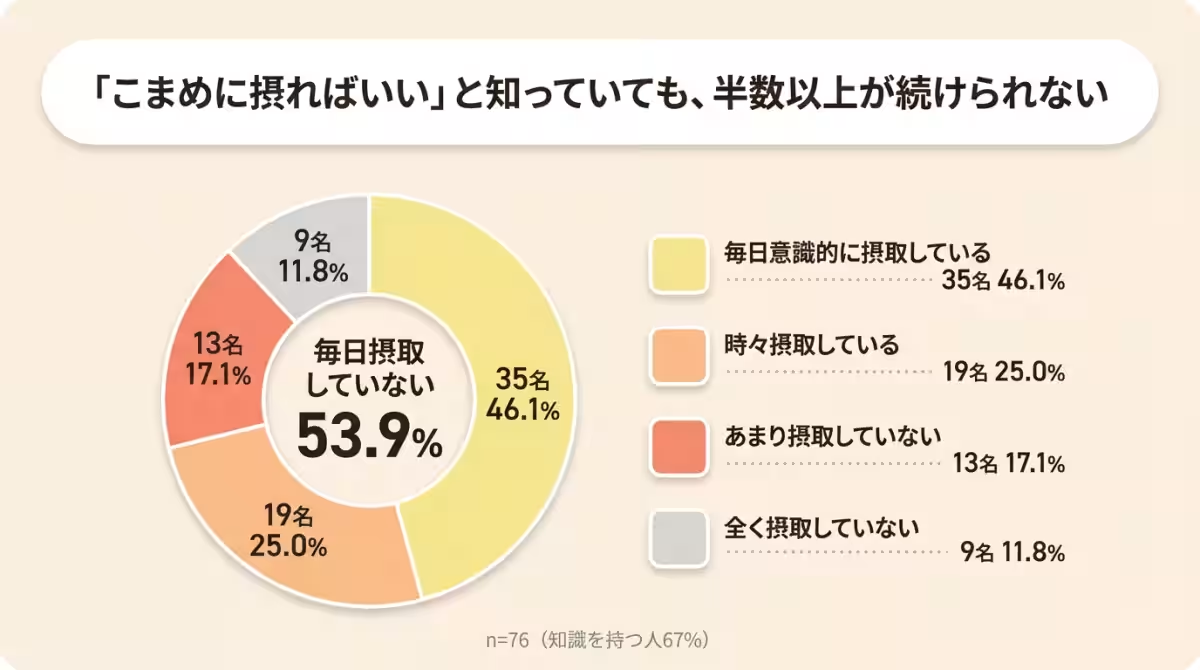
The survey also targeted participants' knowledge about Vitamin C intake, with 67% understanding the importance of sporadic consumption. Yet, 54% of these knowledgeable individuals reported they do not practice daily intake. It suggests that there is still a considerable gap between knowing what is beneficial and being able to continue those practices, pointing to potential barriers such as convenience and accessibility of inner care methods.
Gender Disparities
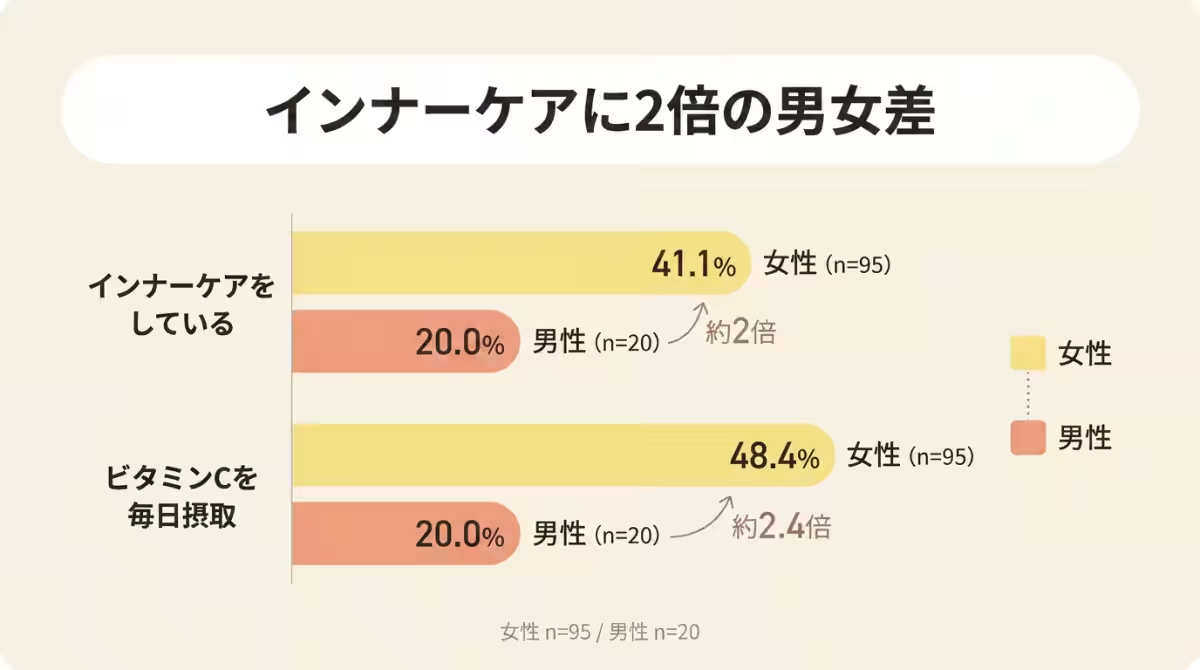
The survey further indicated a gender divide in the implementation of inner care. Women's participation in inner care practices was twice that of men (41% versus 20%). Additionally, men were also less likely to regularly consume Vitamin C, reflecting lower awareness or concern over UV damage and beauty. This may prompt the development of new strategies aimed at educating men on the importance of inner care.
Breaking Down Barriers to Implementation
The principal challenge identified in this survey is the structural barrier to continuation. While individuals recognize the importance of inner care, they struggle to enact and maintain such practices. The traditional forms of supplements often require water, specific conditions, and consistent habits, which can deter people from sticking to their routines.
Targeting the Right Demographics
Younger individuals display overconfidence in external care, requiring strategies to highlight the impacts of accumulated damage. In contrast, there is potential demand among older individuals for easy-to-implement inner care options. The male demographic appears to have significant room for increased awareness and interest in implementing inner care routines.
Brand Spotlight: IN MIST
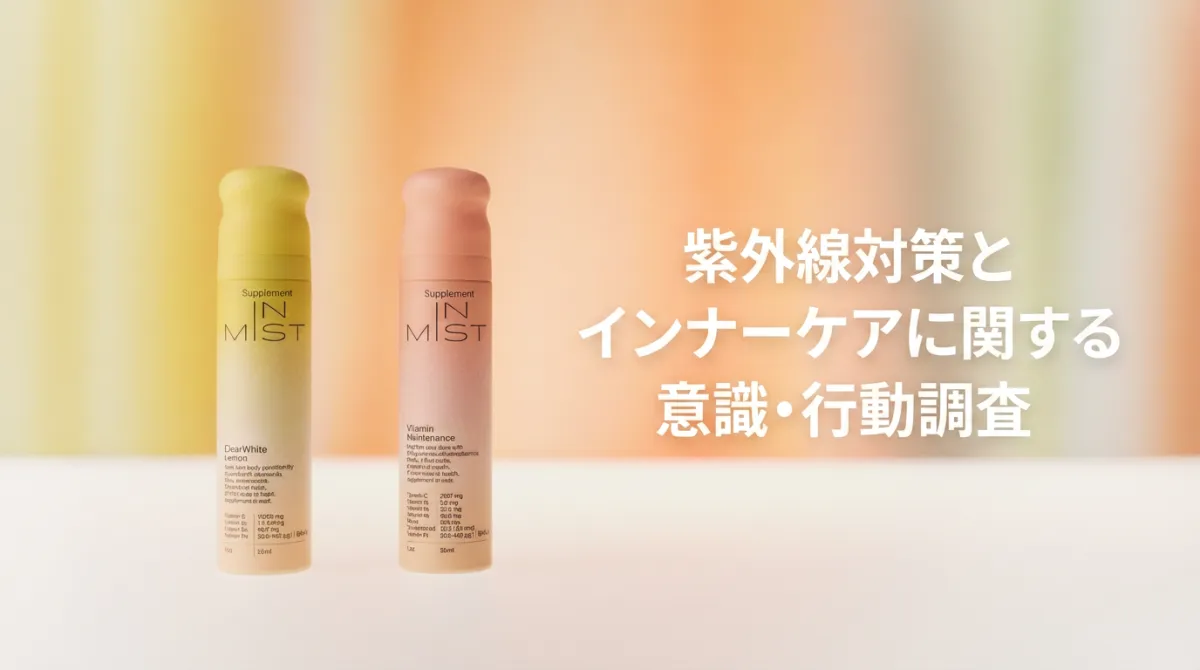
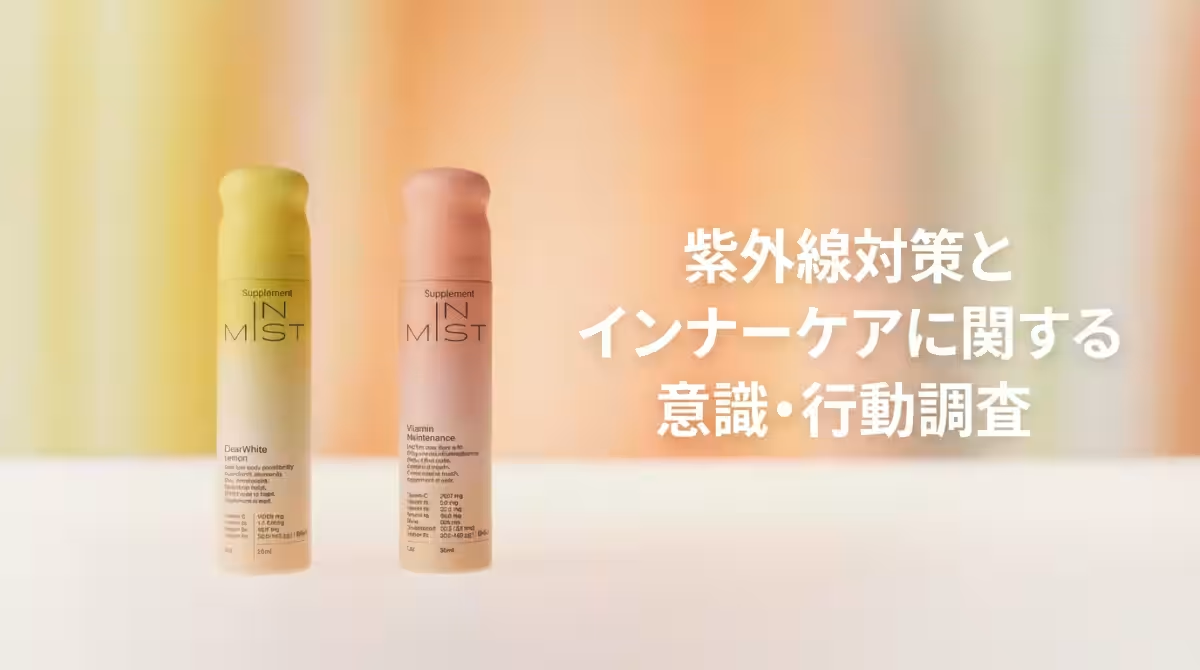
The brand IN MIST, born from a venture within Suntory, offers a new approach to obtaining nutrients like Vitamin C through a mist, allowing users to integrate beauty and health into their lifestyles conveniently. This product removes the need for water or complicated routines, making it easier for users to maintain their beauty habits, even on the go.
With growing support from health-conscious individuals, particularly women in their 20s and 30s, IN MIST is available online through various platforms, including Amazon and Rakuten, as well as in selected physical stores across Japan.
Conclusion
Ultimately, the survey results highlight a pronounced need for innovation in the inner care space and the importance of addressing the awareness-action gap. Brands like IN MIST are stepping up to meet these challenges, offering convenient solutions to assist consumers in their wellness journeys. Targeting specific demographics, particularly young and male consumers, presents further opportunities for growth and education about the importance of inner care in today's UV-conscious society.
Topics Consumer Products & Retail)





【About Using Articles】
You can freely use the title and article content by linking to the page where the article is posted.
※ Images cannot be used.
【About Links】
Links are free to use.