



Simulation Study Shows Milk Intake Could Significantly Reduce Stroke-Related Medical Costs in Japan
Increasing Dairy Consumption for Health Benefits
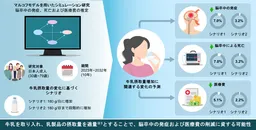
Recent research conducted by the National Institutes of Health and Nutrition Research in Japan, in collaboration with Meiji Co., has unveiled significant insights into the impact of increased dairy consumption, particularly milk, on reducing healthcare costs associated with strokes. This study, published in the international journal Nutrients on March 12, 2026, highlights the potential economic benefits of adjusting dietary habits across the Japanese population, particularly individuals aged 30 to 79.
Key Findings of the Study
The simulation study evaluated the medical economic effects of raising the daily average milk consumption to 180 grams, which aligns with the recommended dietary guidelines for dairy products in Japan that suggest two servings per day. The results were illuminating:
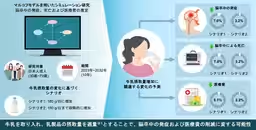
- - Increasing dairy intake to this level could lead to a 7.0% reduction in the incidence of strokes over a decade, amounting to a 5.1% decrease in associated medical costs, translating to approximately 4.07 trillion yen.
- - Moreover, if the increase in milk consumption is implemented gradually, the study estimates a 3.2% decrease in stroke occurrences, leading to a 2.2% reduction in related healthcare expenses (around 1.755 trillion yen).
The Background of Stroke in Japan
Stroke remains a pressing public health issue in Japan, ranking as the fourth leading cause of death as of 2024. Various studies have indicated that milk consumption is inversely related to stroke risk. Thus, examining dietary habits, particularly in dairy intake, is crucial for understanding its broader health implications.
Study Methodology
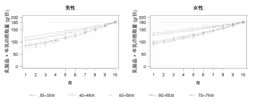
Utilizing data from the 2023 National Health and Nutrition Survey, where the average daily dairy consumption for individuals aged 30 to 79 was reported at 83.5 to 136.7 grams, the researchers employed a Markov model for their simulation. The figures suggest that raising milk consumption to the suggested 180 grams could lead to substantial health benefits and economic savings. However, it is essential to note that this study does not constitute an individual-level intervention but rather focuses on population-based dietary changes.
Recommendations for Improving Dietary Habits
The findings advocate for the integration of milk as a fundamental part of a healthy diet. By promoting adequate dairy intake, the study suggests a dual benefit of not only enhancing public health outcomes by reducing stroke incidences and related mortality but also alleviating the economic burden on healthcare systems. As a proactive measure, stakeholders from various sectors, including industry, government, and academia, are encouraged to collaborate on initiatives that facilitate healthier eating environments for the general populace.
Conclusion
By understanding and applying the results of this study, the potential for impactful changes in dietary habits that promote health and reduce healthcare costs becomes evident. It further underscores the importance of maintaining a balanced intake of dairy, particularly milk, as a strategy against stroke-related ailments.
Potential Conflicts of Interest
This study was part of a broader industry-academia collaboration project funded by various companies in the food manufacturing sector and supported by public grants. The collaborative nature of this research emphasizes the integral role of consistent funding and cooperation in health-related studies.
References
- - Nutrients 2026, 18(6), 906; DOI link
- - National Health and Nutrition Survey, 2023
- - Dietary Balance Guide by the Ministry of Health, Labour and Welfare
Overall, this comprehensive exploration reaffirms the necessity for more focused dietary guidelines and initiatives that can lead to more substantial public health improvements and economic efficiencies in Japan.
Topics Health)
【About Using Articles】
You can freely use the title and article content by linking to the page where the article is posted.
※ Images cannot be used.
【About Links】
Links are free to use.