



Fractal Workout Launches Program for Healthy Uric Acid Management in Workplaces
Introduction
Fractal Workout Co., Ltd., headquartered in Shibuya, Tokyo, has recently launched a program aimed at supporting organizations in addressing the issue of elevated uric acid levels among their employees. This initiative, known as the 'Specialist Collaboration Program for Uric Acid Management,' focuses on utilizing health check data to design practical approaches for improving dietary habits and lifestyle behaviors within workplaces. This article outlines key points for organizations where elevated uric acid levels are prevalent, emphasizing the collaborative efforts of registered dietitians and public health nurses.
Key Points
- - Health check data serves as a foundation for identifying themes and strategies that organizations can tackle.
- - The program emphasizes collaboration between dietitians and health nurses to ensure an ongoing review of dietary and lifestyle habits in the workplace.
- - The initiative aims for sustainable operations by incorporating awareness, participation, and operational rules rather than being a one-off campaign.
Terminology Explained
- - Health Check Data: Refers to the health examination results held by corporations, which can be used to identify organizational trends.
- - Uric Acid: A health check parameter that provides an opportunity to reevaluate dietary habits and lifestyle behaviors including dining, drinking, breaks, and daily activities.
- - Specialist Collaboration Program: A structured approach where professionals in health and nutrition divide responsibilities to develop actionable strategies for companies based on health check data.
- - BODY PALETTE: A corporate health support service provided by Fractal Workout Co., Ltd.
Background
Corporate health management initiatives often start with compliance, information dissemination, and single events. However, after some time, challenges tend to arise, such as operational difficulties where policies do not translate into actual workplace behavior, routine becoming stale, and increased burden on designated staff.
Elevated uric acid levels can be influenced by not just diet, but also dining habits, travel, drinking practices, food choices dictated by busy schedules, and behavior during remote work. Therefore, it's crucial for companies to systematically approach 'dietary and lifestyle adjustments' collectively, rather than relying solely on individual efforts.
Common Challenges in Organizations
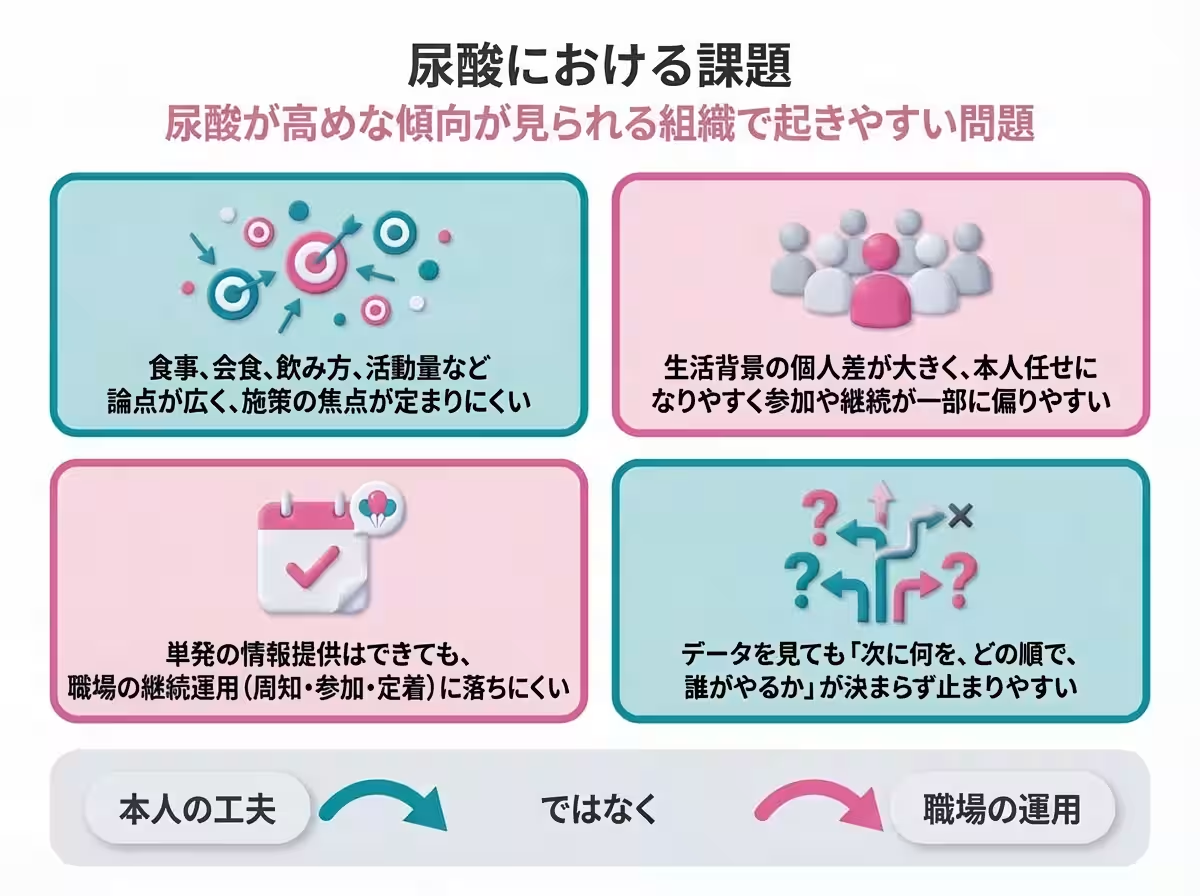
Organizations that exhibit tendencies of elevated uric acid may experience various complications:
- - The broad scope encompassing diet, dining, drinking, and activity makes it difficult to pinpoint actionable strategies.
- - Individual variances in lifestyle habits lead to a tendency for measures to be left to personal initiative, which can result in participation being skewed.
- - While information can be provided, embedding continuous operational practices within workplaces remains challenging.
- - Even when data is available, there is often uncertainty on what steps to take next, in what order, and who should be responsible.
Overview of the Specialist Collaboration Program
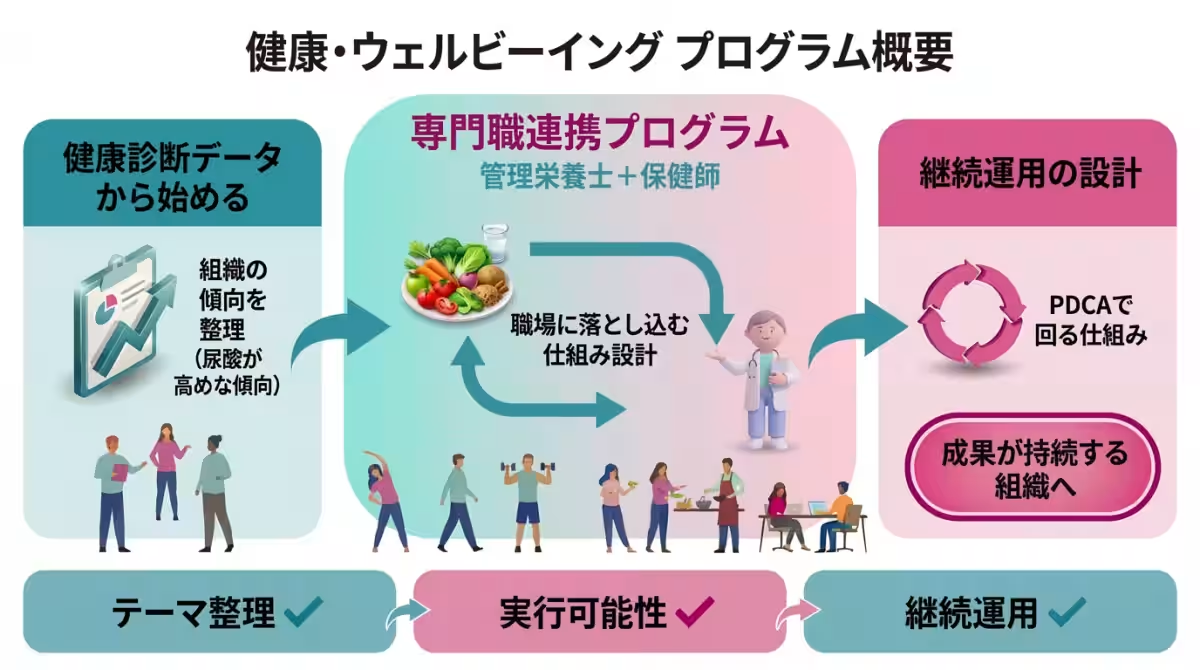
This program will be based around two main axes:
1. Shift Focus from Individual Adjustments to Workplace Operations
- - Develop easily integrable actions that do not disrupt work processes.
- - Design methods for awareness, pathways for participation, and frequency of implementation.
- - Provide a common language and framework for the organization to convey information uniformly.
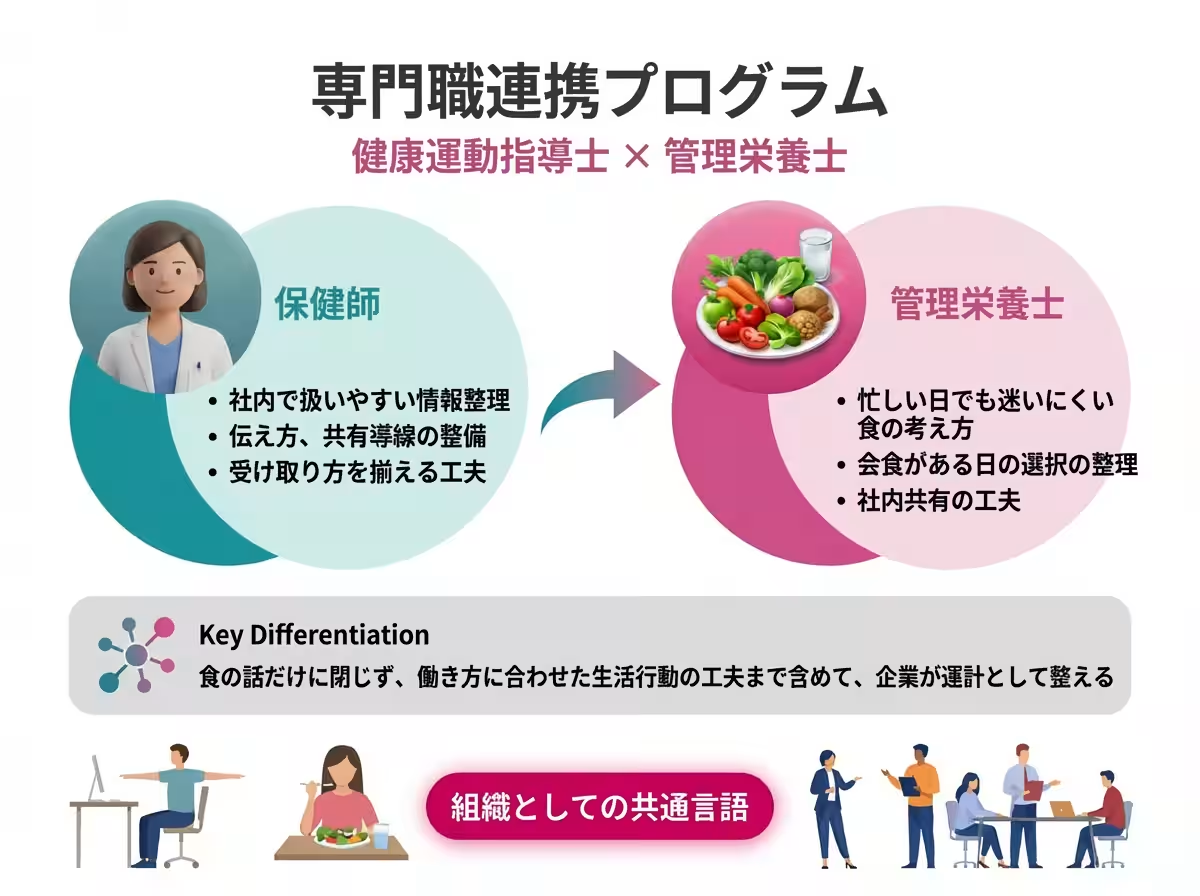
2. Coordinate Between Dietitians and Health Nurses
- - Dietitians: Offer guidance on choosing foods, especially under time constraints, and encourage practical sharing during meetings.
- - Health Nurses: Develop frameworks on lifestyle behaviors, effectively collate relevant information, and improve routes for sharing insights.
This program is distinguished by its goal to encompass not just dietary aspects but also lifestyle adjustments that align with working styles, thus forming a cohesive strategy for organizations.
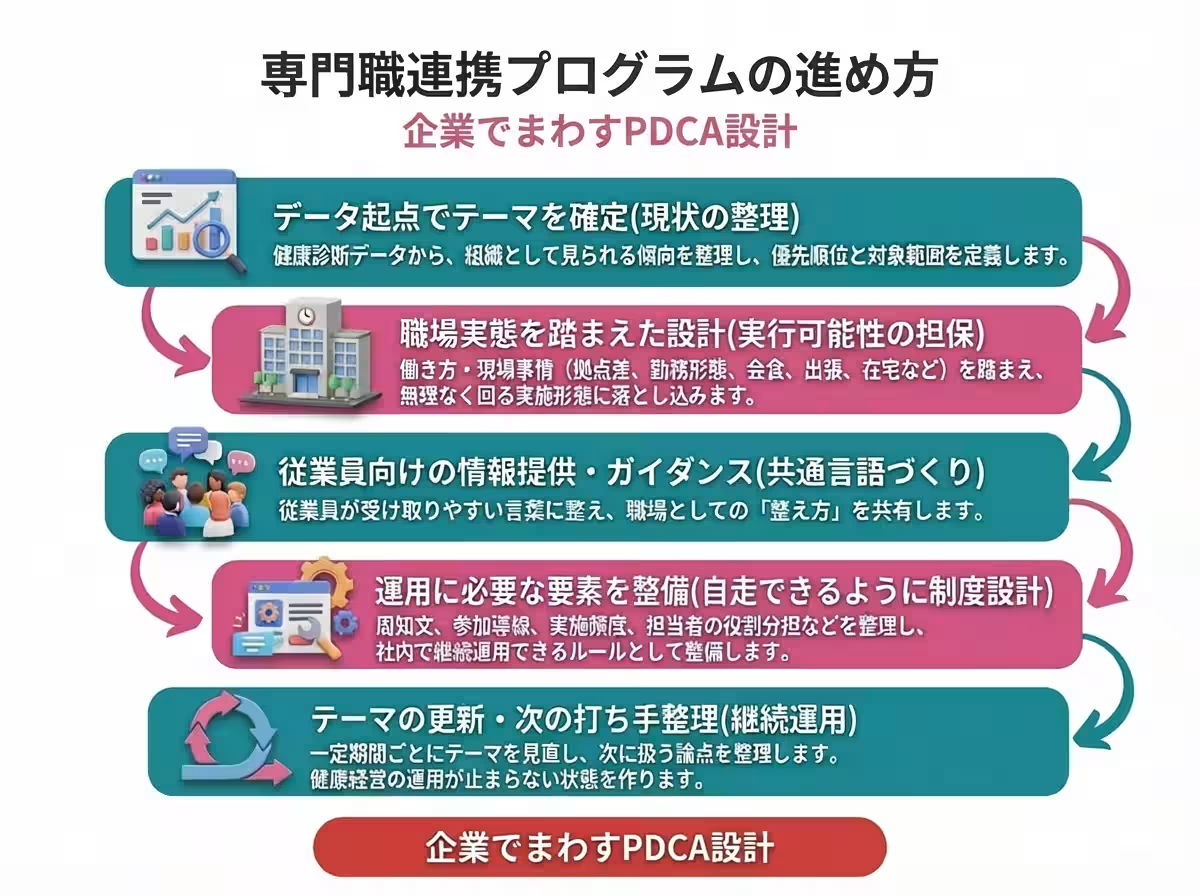
Implementation Steps for the Program (PDCA Cycle in Organizations)
To ensure sustained operation and avoid abandonment after initial implementation, the program will follow these steps:
Step 1: Confirm Theme Based on Data
Utilize health check data to define organizational trends, setting priorities and target areas.
Step 2: Design Based on Workplace Realities
Tailor actionable formats considering working styles, conditions at the site (location differences, work hours, dining, travel, remote work).
Step 3: Provide Employee Guidance and Information
Use accessible language to create a common understanding of desired behaviors within the workplace.
Step 4: Establish Necessary Components for Operation
Organize awareness materials, participation pathways, frequency of activities, and define roles to ensure smooth internal operations.
Step 5: Update Theme and Plan Next Steps
Regularly review ongoing themes and define the next challenges to ensure continuous health management dynamics.
A Note to Corporate Representatives
Elevated uric acid tendencies are often influenced by habits tied to dining, employment types, and other factors that are difficult for individuals to manage independently. Therefore, it is essential to establish structured themes and strategies based on health data and delineate roles for dietitians and health nurses so that dietary and lifestyle modifications can be seamlessly integrated into workplace practices.
We hope this article serves as a useful reference for reevaluating your corporate health initiatives from the perspective of whether they are designed for sustained implementation rather than just a task performed once.
Topics Health)
【About Using Articles】
You can freely use the title and article content by linking to the page where the article is posted.
※ Images cannot be used.
【About Links】
Links are free to use.