



Traditional Japanese Herbal Drink 'Genseiju' Receives Doctor Recommendation After 45 Years of Legacy
Strong Legacy of Japanese Herbal Medicine
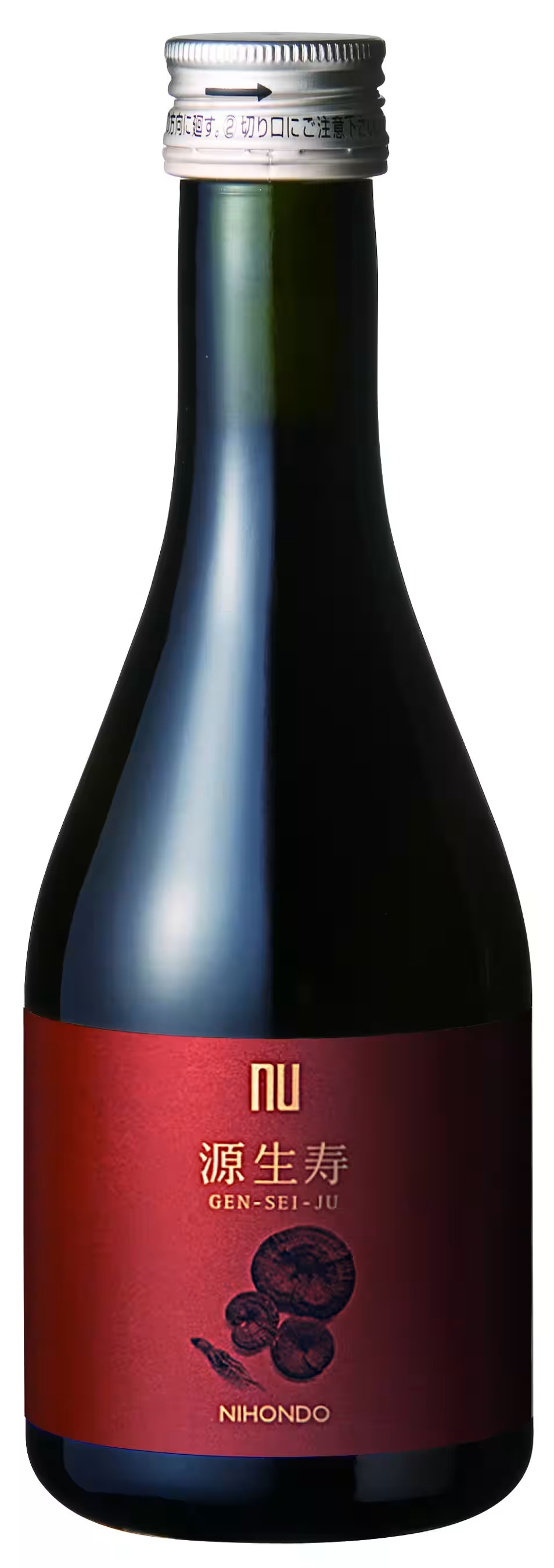
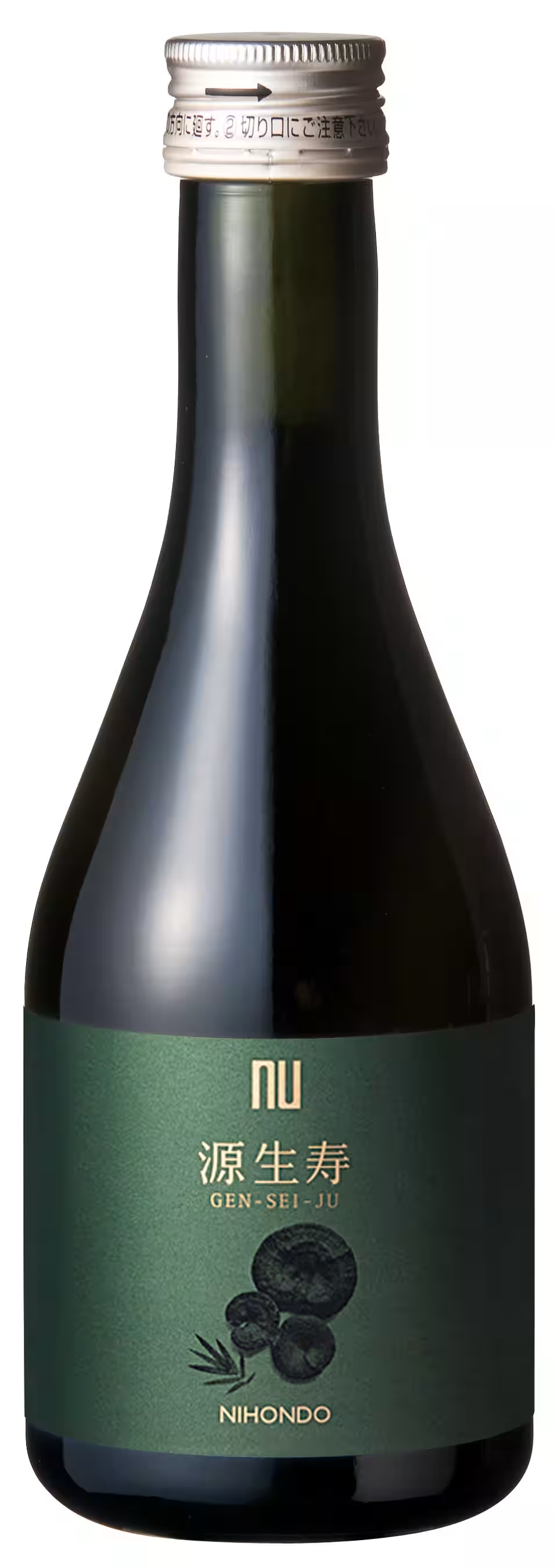
The herbal drink "Genseiju" from Nihondo, a subsidiary of Sugiholdings Co., has established itself as a respected health product over nearly half a century. Founded in 1969, Nihondo specializes in traditional herbal medicine, focusing on products that promote wellness and offer sustainable health solutions. Recently, Genseiju has gained even more recognition by receiving the Doctor Recommendation Mark, reflecting its credibility in the health sector.
Recent Research and Findings
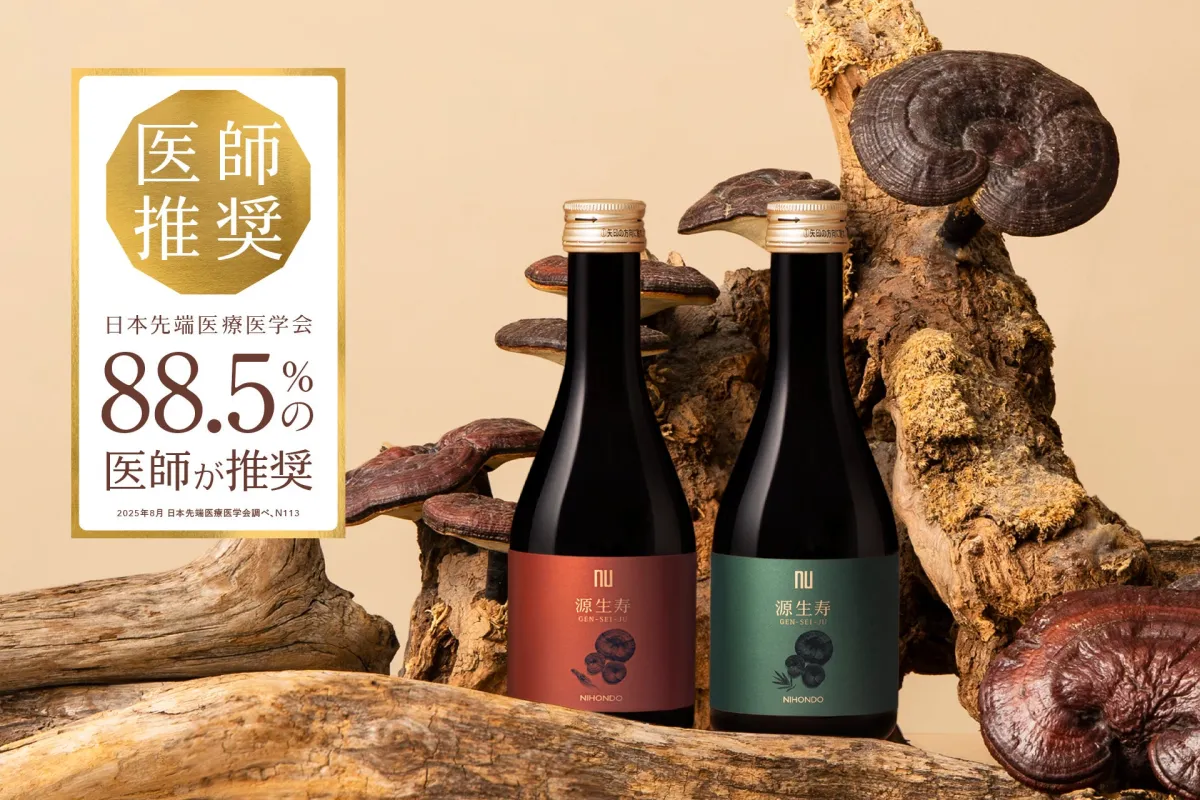
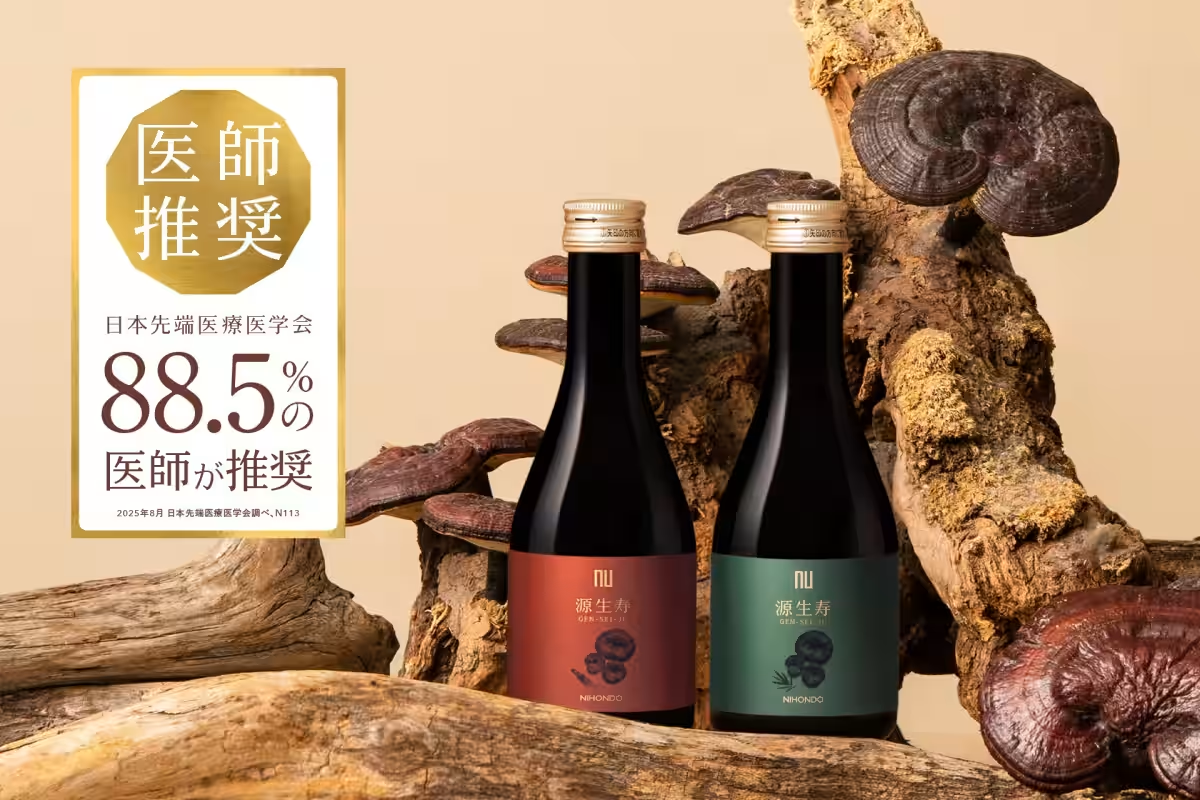
In August 2025, a survey conducted by the Japan Society for Advanced Medical Science engaged 113 physicians with knowledge of reishi mushroom products. Remarkably, 88.5% expressed their intention to recommend Genseiju, confirming its effectiveness based on the physicians' expertise. This endorsement underscores the dedication of Nihondo to deliver high-quality health products backed by scientific evaluation.
Product Lineup
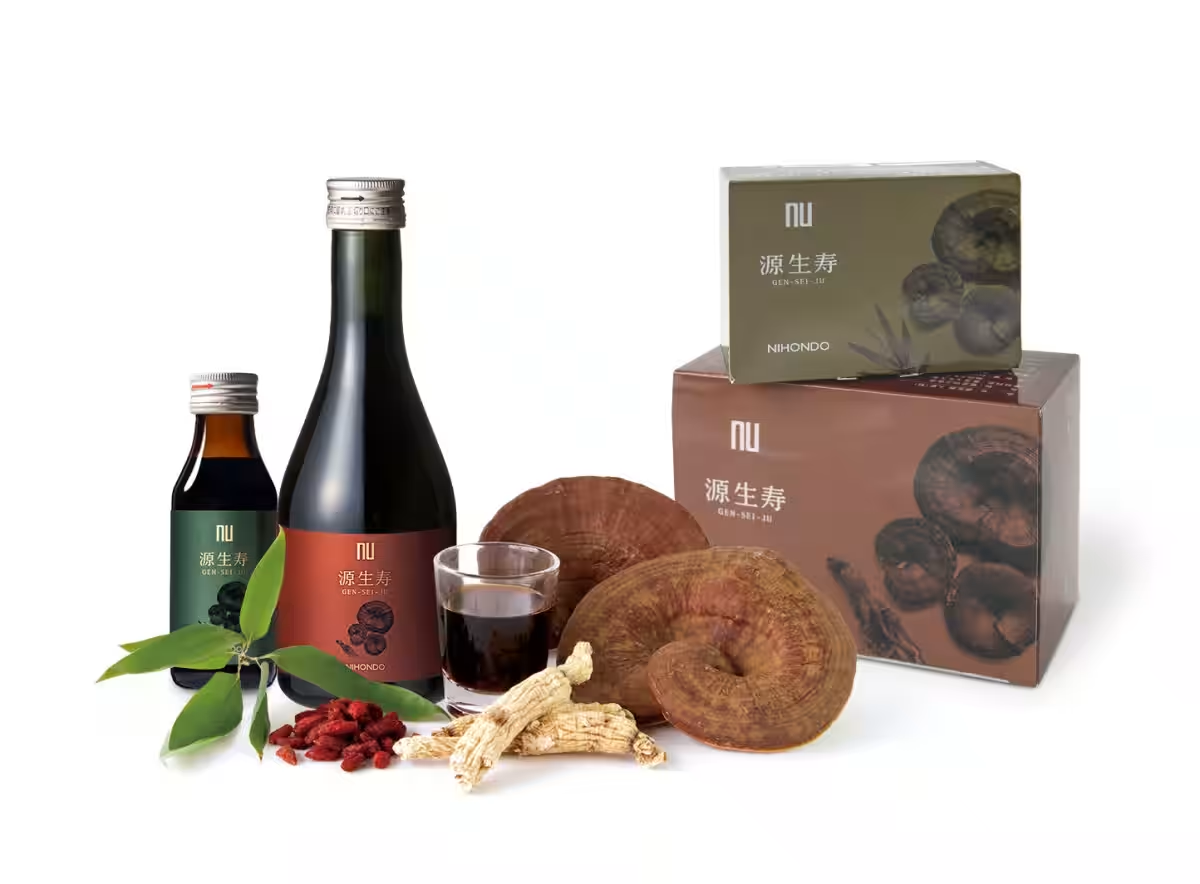
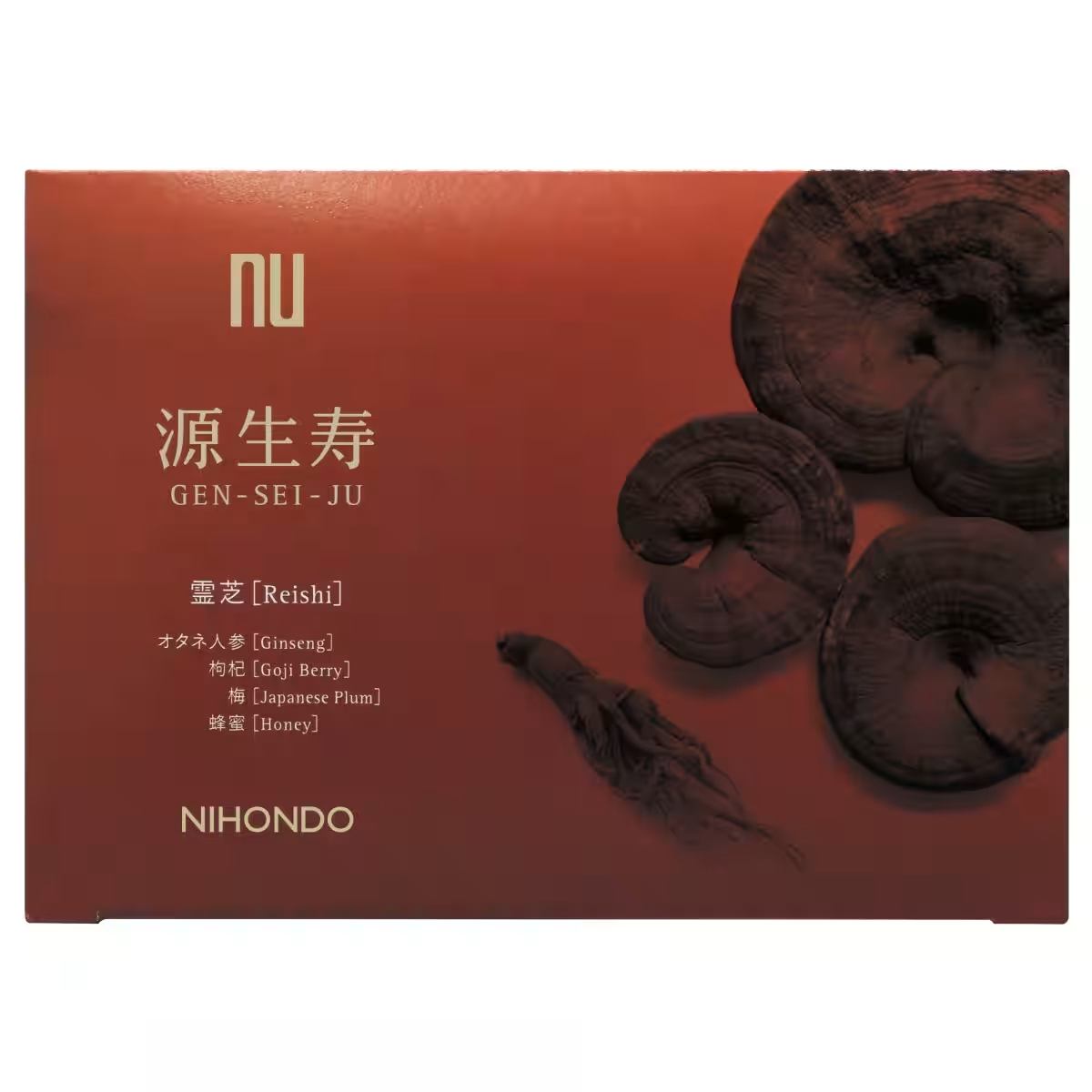
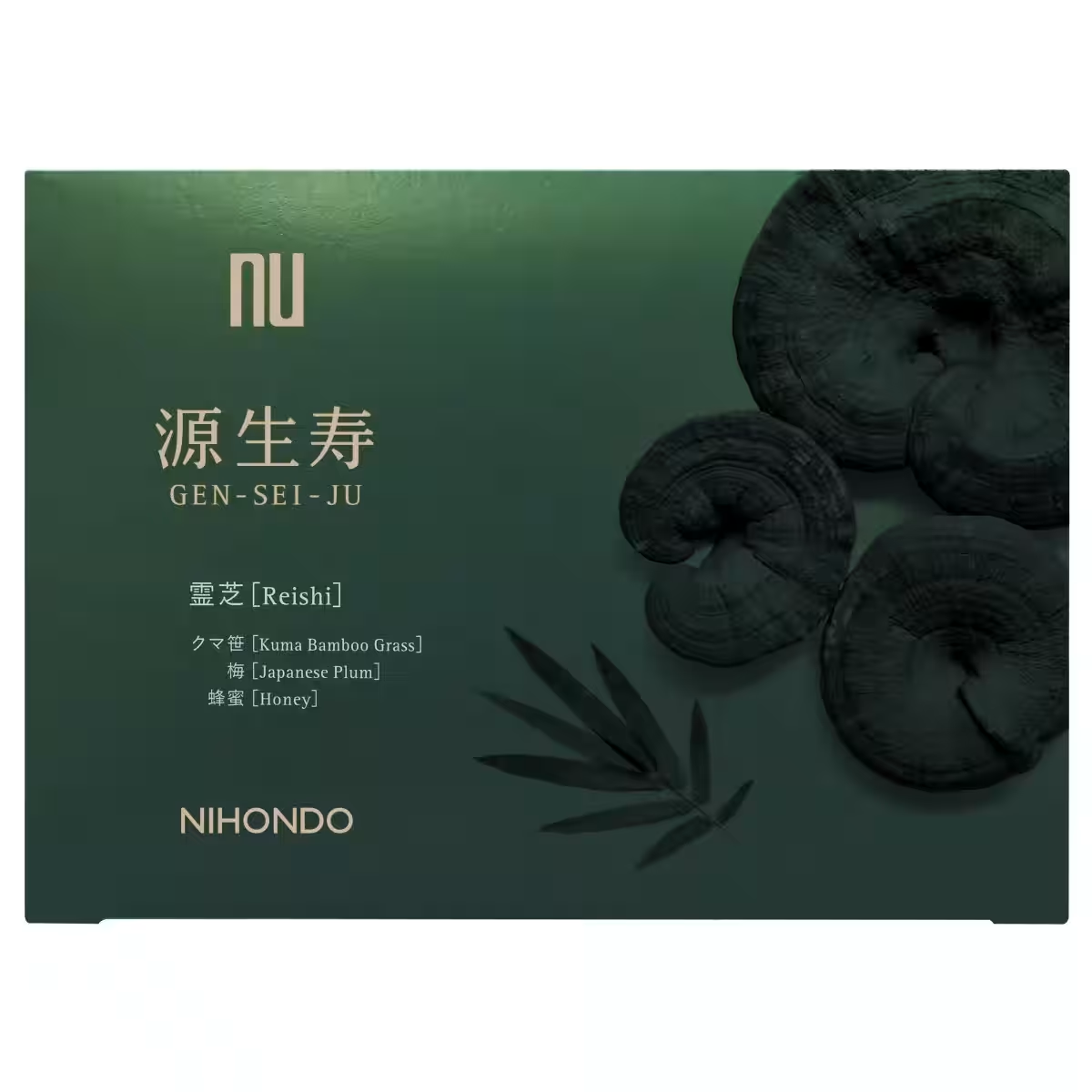
Genseiju is available in two main varieties: the Ginseng type and the Kumazasa type.
- - Ginseng Type: Offered in liquid form (300ml and 100ml) and powder (60-pack and 20-pack).
- - Kumazasa Type: Also available in liquid (300ml and 100ml) and powder (60-pack and 20-pack).
Both types are priced reasonably, with the 300ml liquid and 60-pack powder retailing at ¥29,160, while the 100ml liquid and 20-pack powder are available for ¥10,800. Customers can purchase these products at various outlets, including Nihondo's own boutiques and online stores.
The Essence of Genseiju
Launched in 1981 as "Genseiju", the product was based on deep insights from Nihondo’s history of customer consultations regarding wellness. By utilizing high-quality herbal materials, such as concentrated reishi, the company aimed to provide holistic health care solutions. The Kumazasa type was introduced in 1994 to cater to diverse health needs, further solidifying Genseiju's position as a beloved health product.
Understanding the Reishi Mushroom
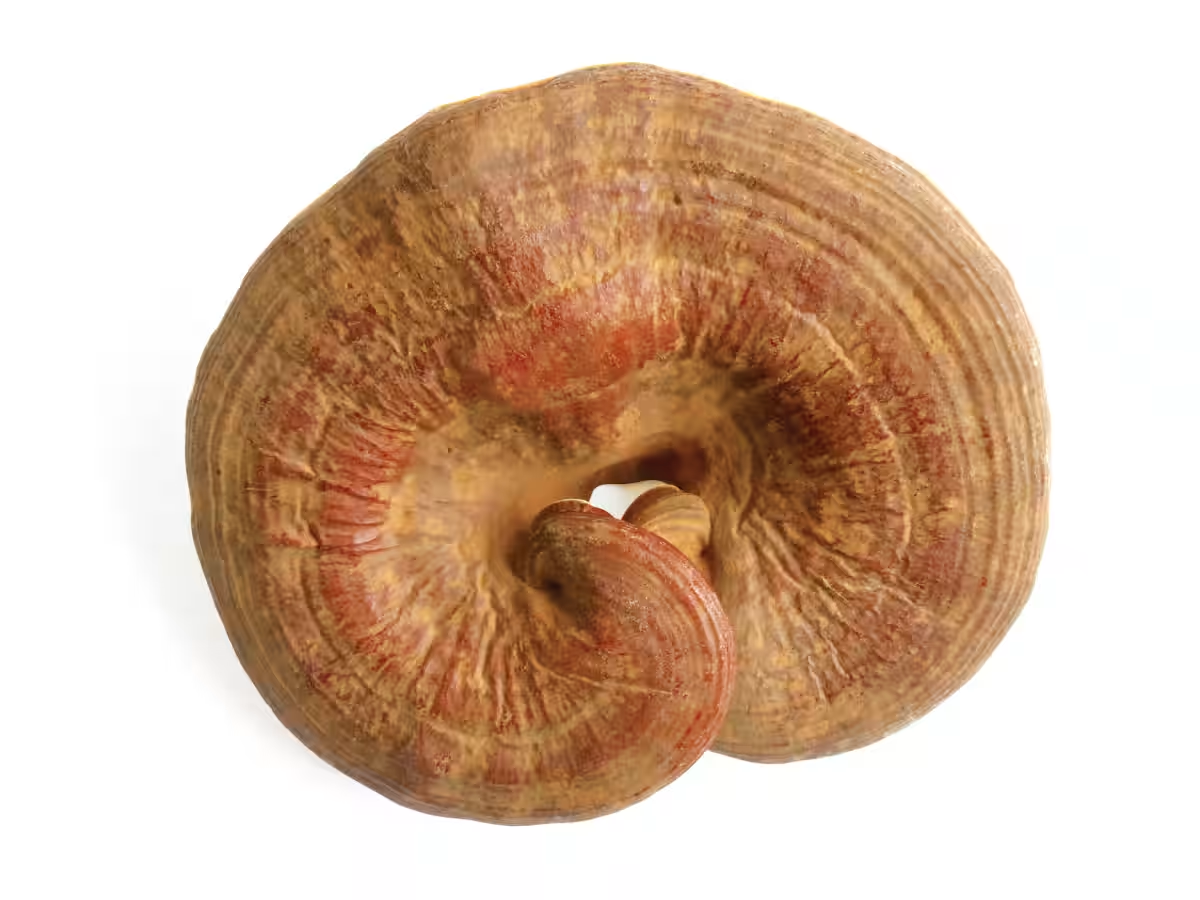
Reishi, or "Reishi Kinoko", is a rare mushroom that thrives on ancient trees, making it exceptionally precious. Historically admired by the elite of society, reishi was only accessible to a lucky few. Although cultivated artificially since the 1970s, quality reishi remains limited in production. Nihondo uses a natural log method for cultivation, ensuring the preservation of the mushroom's unique qualities, which adds to Genseiju's appeal.
Health Benefits
Both variants of Genseiju are designed to meet different wellness needs:
- - Ginseng Type: Recommended for individuals concerned about their overall health condition, blending reishi with other beneficial ingredients.
- - Kumazasa Type: Targets those in stressful environments who still possess a health-oriented lifestyle, integrating reishi with kumazasa for added benefits.
The target audience for Genseiju includes women vigilant about their health, busy professionals seeking support, and families aiming for better health management. This versatility showcases Genseiju’s appeal across generations and various lifestyle needs.
Company Overview
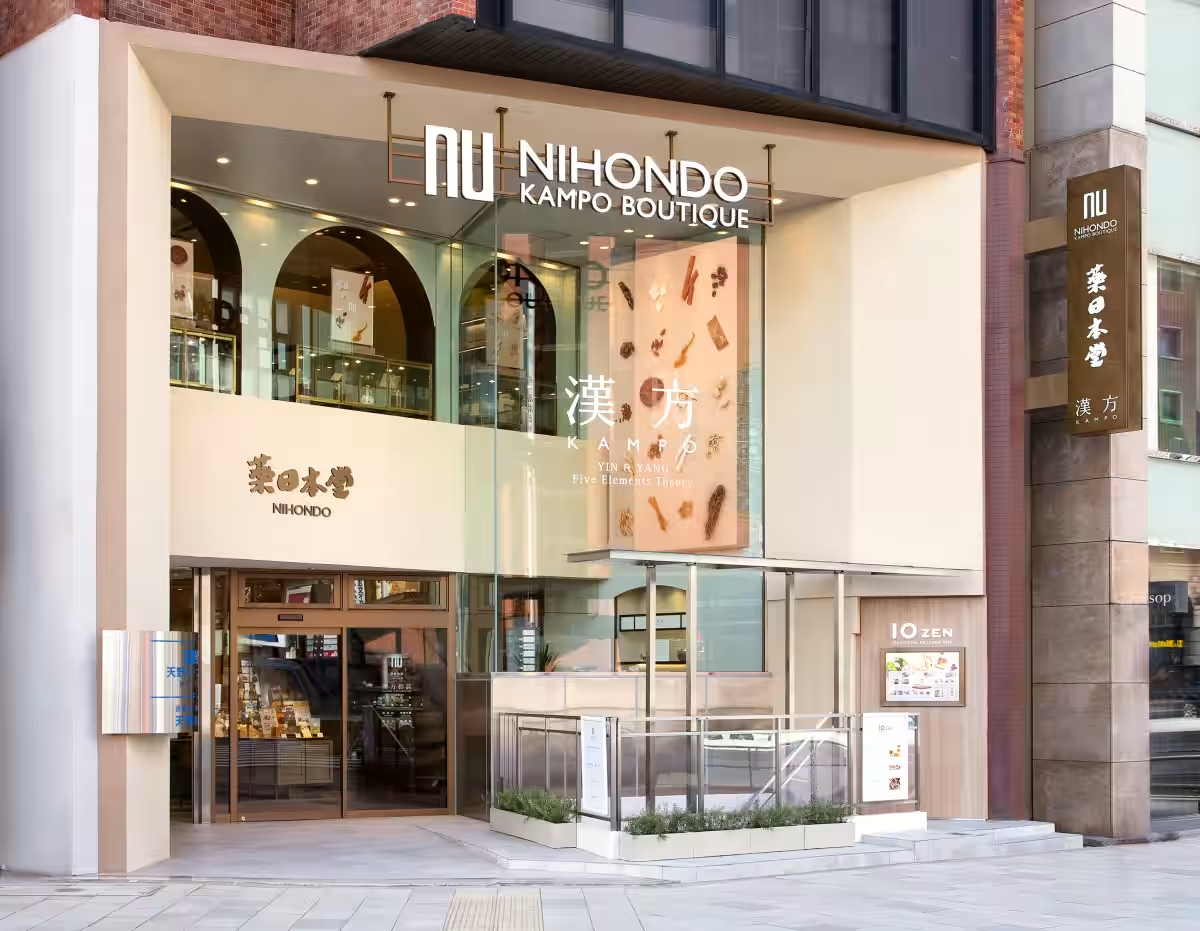
Nihondo operates several outlets, including the Nihondo Kampo Museum, providing personalized health and beauty advice tailored to individual needs. With a commitment to promoting healthy living through traditional practices and modern advancements, Nihondo has cemented its legacy in the world of herbal medicine. The company continues to innovate and collaborate within various industries for better health solutions. For more information, visit their official website or check their products on Amazon.
Given the recent medical endorsement, Genseiju stands as a testament to the time-honored practices of traditional Japanese herbal medicine, touching lives and promoting wellness across generations with confidence.
Topics Health)
【About Using Articles】
You can freely use the title and article content by linking to the page where the article is posted.
※ Images cannot be used.
【About Links】
Links are free to use.