



How an Environmental Venture from Okayama Achieved Amazon Bestseller Status
The Rise of Tsuginohi Co.: An Environmental Venture's Amazon Success
Introduction
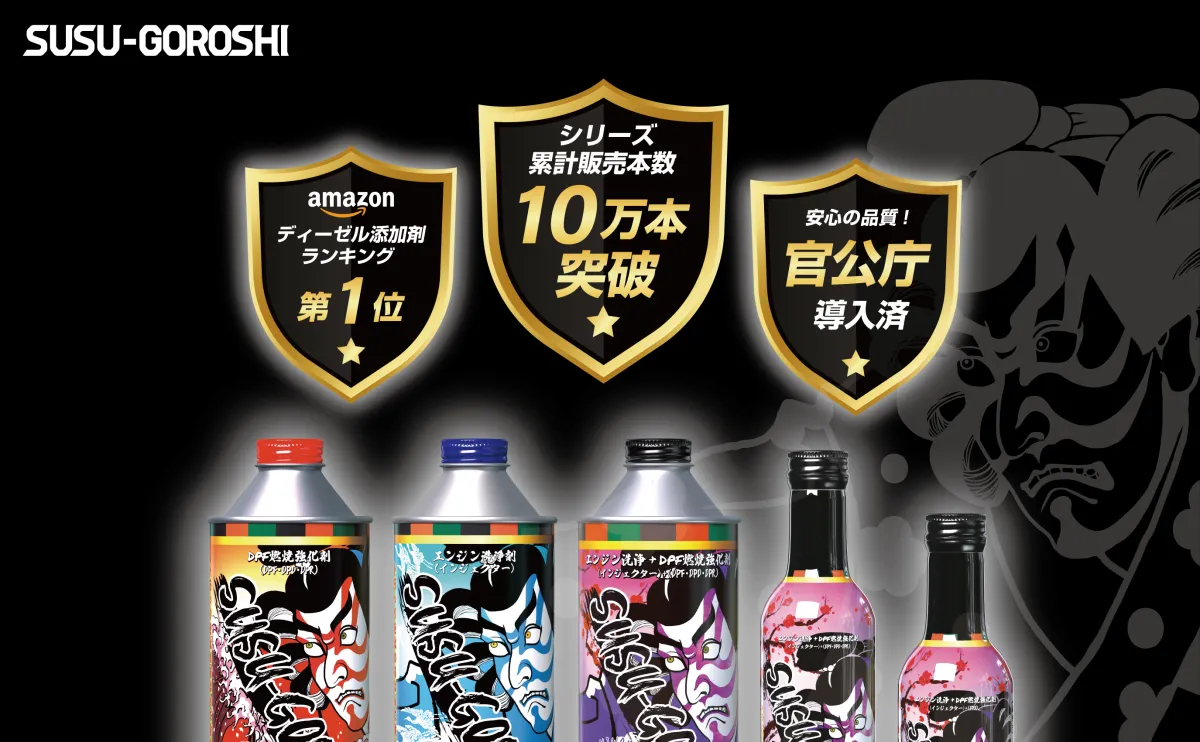
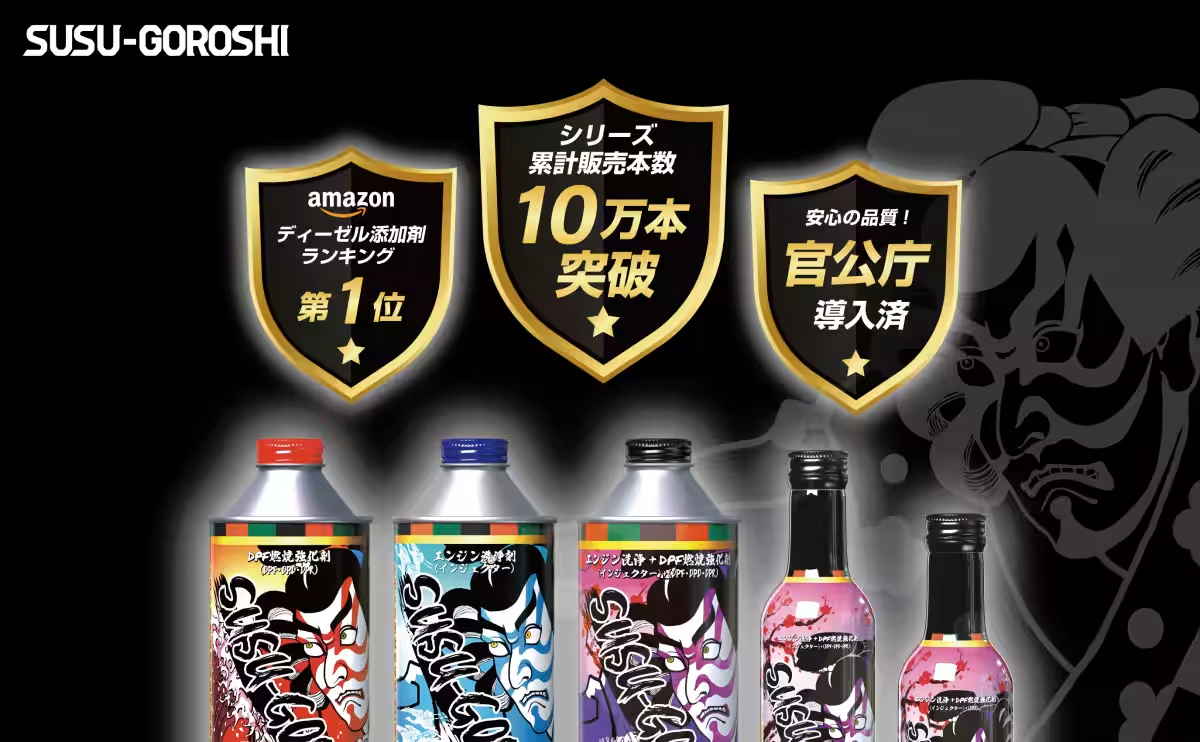
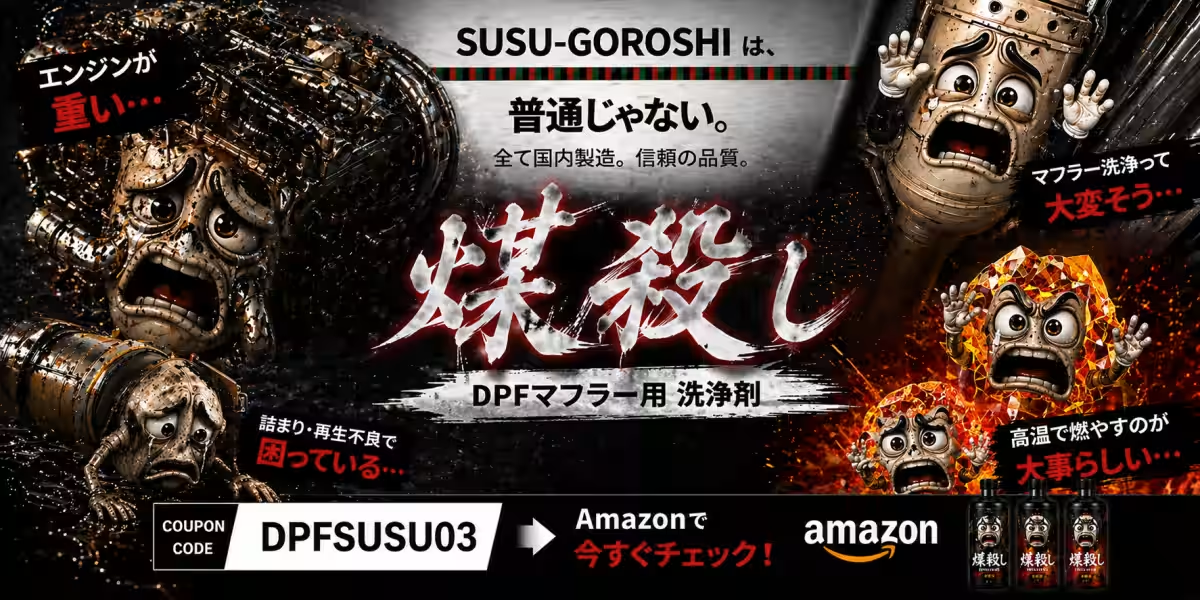
In the diverse landscape of Japan's industrial sectors, Tsuginohi Co., based in Okayama, has emerged as a beacon of innovation and environmental responsibility. Every year, the world becomes more aware of the need for sustainable practices; at the forefront of this movement is Tsuginohi's revolutionary diesel fuel additive, SUSU-GOROSHI.
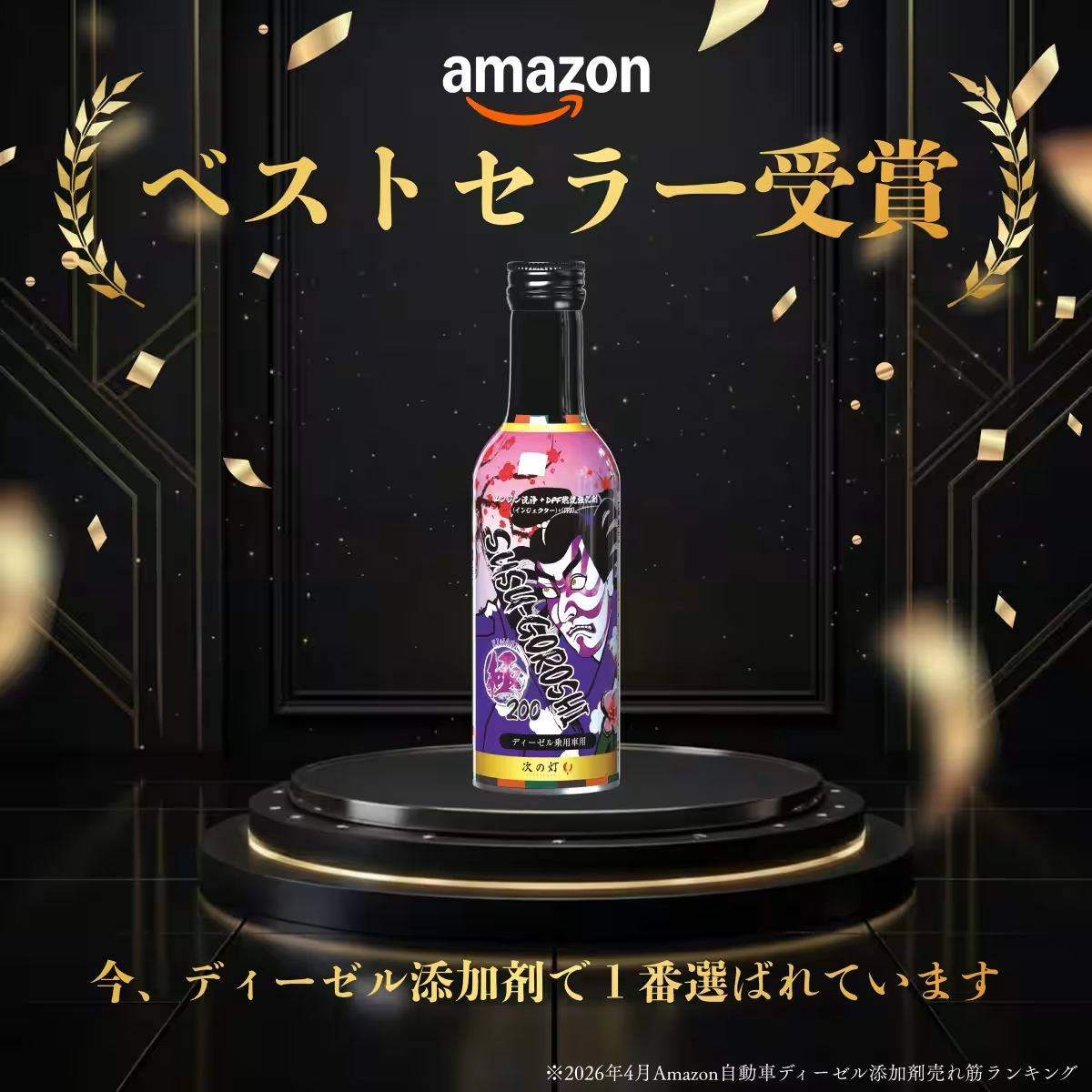
On April 19, 2026, Tsuginohi celebrated a significant milestone; their line of fuel additives, particularly varied blends of SUSU-GOROSHI, achieved bestseller status in the Automotive Diesel Additives category on Amazon. What set them apart? The success of their product was not due to a single marketing push but rather a comprehensive strategy that fully integrates customer feedback into every step of their operations.
A Unique Business Model
What differentiates Tsuginohi Co. from traditional manufacturing companies is its distinct business model. Unlike Japan's conventional reliance on division-of-labor structures and trading companies, Tsuginohi has built a self-contained model that allows it to manage every aspect of its value chain, excluding manufacturing, from product development to marketing and customer feedback.
This holistic approach not only streamlines operations but also enables the company to adapt to market changes swiftly. The model emphasizes direct communication with customers, gathering feedback that leads to immediate product improvement—an essential factor in staying relevant and competitive in today's global market.
Customer-Driven Innovations
One of the key aspects of Tsuginohi's success lies in its ability to turn negative feedback into opportunities for enhancement. For instance, they received consistent complaints about their larger SUSU-GOROSHI blend, which necessitated adjustments for mid-sized truck users. The introduction of SUSU-GOROSHI Extreme 300, tailored specifically for this demographic, demonstrates their commitment to customer-driven innovation. This release proved advantageous not only for the customers but also for the company, leading to increased sales and market presence.
Similarly, an issue regarding the usability of their product container was resolved after collecting user comments about its design. By switching to a more user-friendly shape, they directly addressed consumer concerns, further reinforcing their responsiveness as a brand.
Winning the Amazon Bestseller Badge
The Amazon bestseller badge is granted based on a variety of factors, including sales volume, revenue, and customer reviews, and serves as a real-time indicator of product quality and consumer choice. Maintaining this badge is no small feat; it demands continuous customer engagement and improvement in both product quality and shopping experience. Tsuginohi's achievement amidst stiff competition from multinational chemical manufacturers underscores their innovation and agility within the marketplace.
Innovative Marketing Strategies
Tsuginohi recognized early on the potential of Amazon not just as a sales platform but also as a powerful search engine. They invested in comprehensive advertising strategies, utilizing various formats, including sponsored product ads and targeted display ads tailored to user behavior. This strategic shift allowed them to amplify their visibility and significantly increase their competitiveness.
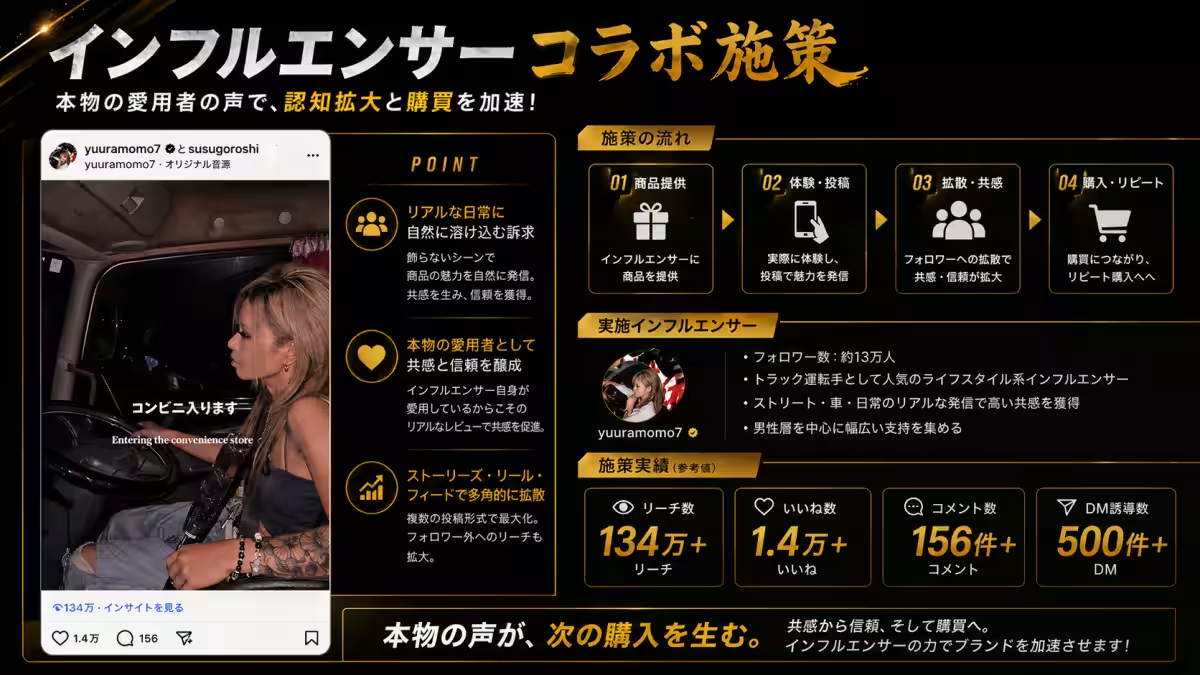
Moreover, their use of social media and influencers allowed them to spread awareness beyond traditional advertising methods. By leveraging authentic voices and user experiences, they built a brand image that resonates deeply with their audience, effectively converting impressions into sales.
A Model for Future Businesses
The trajectory of Tsuginohi Co. illustrates a feasible framework for how locally based ventures can establish themselves nationally without relying on traditional distribution channels or large trading firms. Their success reflects broader trends toward sustainability, self-sufficiency, and customer engagement, showing that it's possible for local enterprises to thrive in competitive, national markets. By aligning their practices with the government-initiated Green Transformation (GX) policies, they also contribute significantly to the industry's decarbonization efforts.
Conclusion
The pathway to success for Tsuginohi Co. is marked by its commitment to creating a sustainable, circular economy model that emphasizes innovation, customer feedback, and direct market engagement. Their rise in the diesel additive market is not merely a corporate victory; it's a testament to the power of local businesses in driving significant environmental change and exemplifies the potential for such innovative approaches to flourish across industries.

Topics Consumer Products & Retail)
【About Using Articles】
You can freely use the title and article content by linking to the page where the article is posted.
※ Images cannot be used.
【About Links】
Links are free to use.