




Understanding the Struggle with Weight Gain Post-New Year Holidays Among Young Adults
The Post-Holiday Weight Gain Struggle: Insights from Young Adults
As the new year begins, social media and online platforms are inundated with discussions about gaining weight during the holidays. Many people express feelings of disappointment, with statements such as ‘I indulged too much’ or ‘I can't get back to my previous weight.’ To understand this phenomenon more comprehensively, Eminal Clinic conducted a survey targeting women in their 20s and 30s, examining their experiences with weight gain during the end-of-year holidays and the challenges of losing that weight.
Key Findings on Weight Gain Experiences
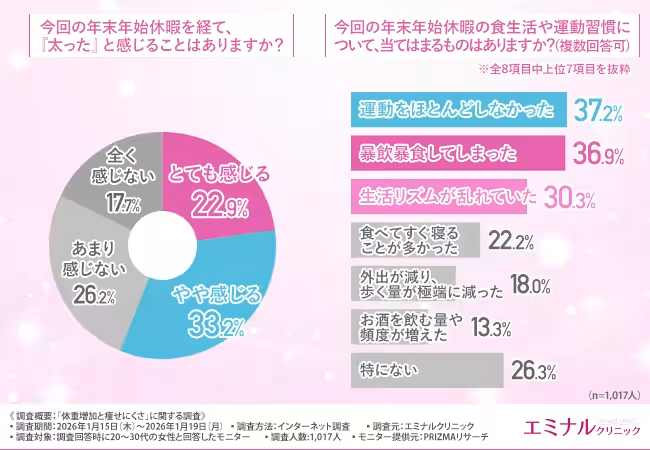
The survey revealed that nearly 60% of respondents noticed an increase in their weight during the holiday season. When asked if they felt heavier after the holidays, 22.9% of participants reported feeling 'very much' heavier, while 33.2% said they felt 'somewhat' heavier. This data indicates that holiday weight gain is a common concern.
The next question explored the factors contributing to their perception of weight gain. Respondents identified several lifestyle changes, including 37.2% stating they hardly exercised, 36.9% admitting to overeating, and 30.3% acknowledging disrupted daily routines. The increased time spent at home, often associated with reduced activity and higher consumption of high-calorie foods typical of holiday celebrations, seems to contribute to rapid weight gain. Furthermore, the noted disruption of daily rhythms may be correlated with a decline in metabolic rates due to late nights and irregular eating habits.
Noticing Changes: Physical Indicators of Weight Gain
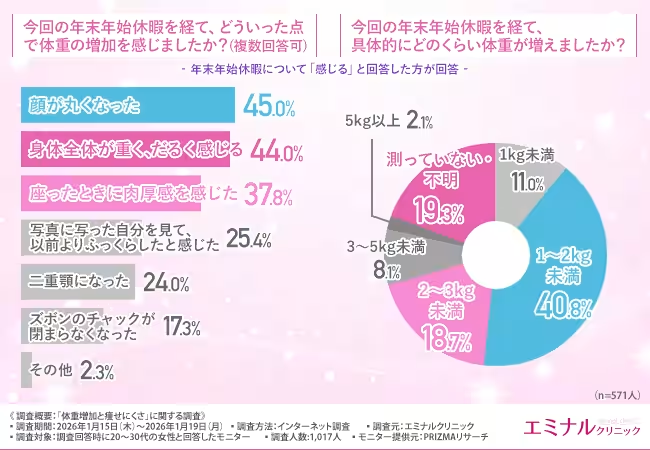
The survey further inquired about how participants recognized their weight gain. A significant 45% reported noticing that their faces appeared rounder, and 44% described feeling heavier and more lethargic. Additionally, 37.8% noticed a change in body composition when seated, indicating that these physical changes deeply impact their self-perception and awareness of weight gain.
When reflecting on how much weight they believed they gained, the responses were quite telling:
- - Less than 1 kg: 11.0%
- - 1-2 kg: 40.8%
- - 2-3 kg: 18.7%
- - 3-5 kg: 8.1%
- - Over 5 kg: 2.1%
- - Not measured/unaware: 19.3%
Approximately 70% of respondents acknowledged weight gain of at least one kilogram, with nearly 30% reporting an increase of two kilograms or more. This indicates a notable internalization of weight changes that translate into physical and emotional responses.
The Challenge of Losing Weight as We Age
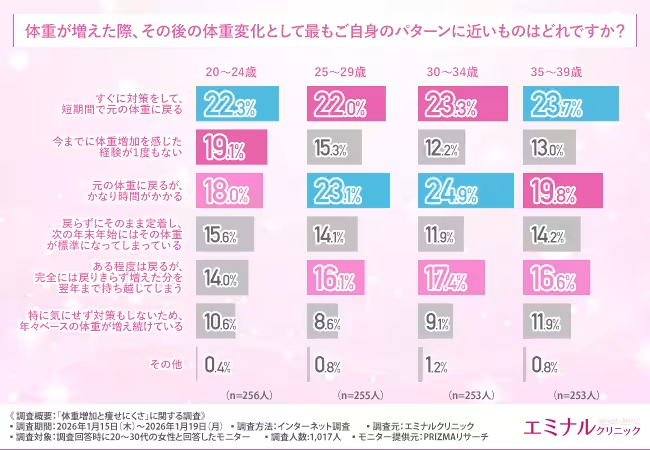
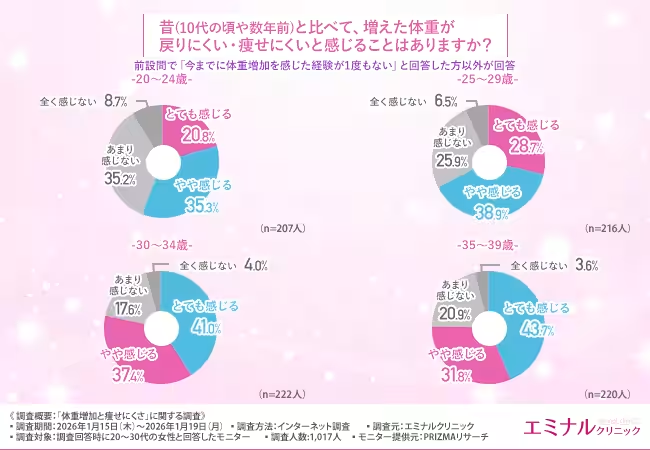
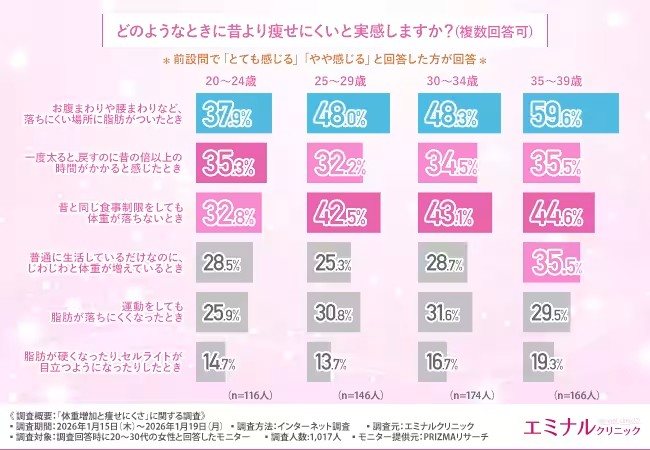
After experiencing weight gain, many individuals grapple with the daunting question of whether they can return to their previous weight. Comparatively, feelings of frustration are prevalent as many adult women recognize that losing weight has become more challenging with age. The survey asked respondents about their patterns of weight recovery, revealing that almost 80% of those in their 30s feel they struggle more to shed pounds compared to their younger years.
The results by age group were revealing:
- - Ages 20-24: 22.3% can quickly respond and return to their original weight.
- - Ages 25-29: 23.1% feel it takes considerable time to return.
- - Ages 30-34: 24.9% agree it takes time, and 17.4% recognize they hold onto additional weight into the next year.
- - Ages 35-39: A similar trend continues with statements reflecting the time-consuming nature of losing weight.
Evidently, younger women perceive weight gain as temporary or easily reversible, while those in their 30s report a more entrenched struggle with returning to their previous weight. This transformation often manifests as greater numbers of women reporting struggling with maintaining weight loss over the years.
Declining Efficacy of Traditional Diet Methods
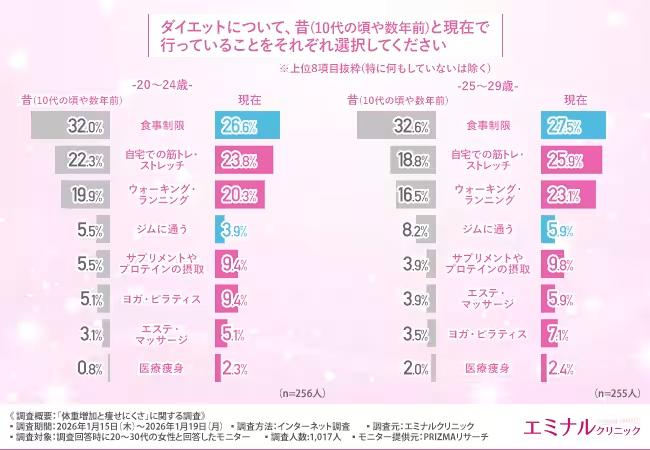
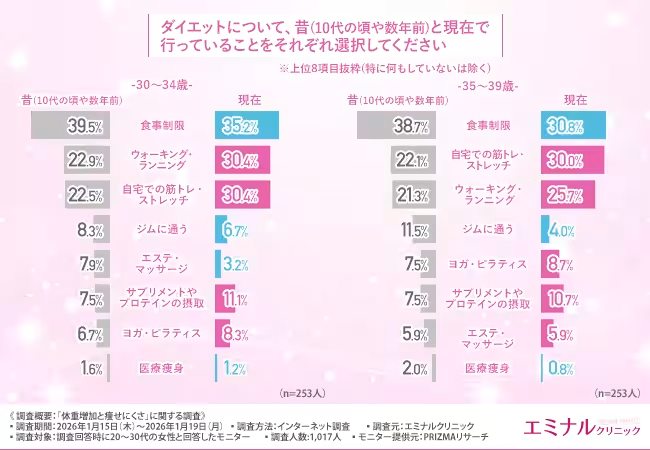
As women age, the perception that losing weight has become more difficult corresponds with uncertainties regarding dietary practices. A question posed to participants examined their dieting habits now versus in previous years. Findings showed a reduction in traditional food restriction strategies while an increase in home-based workouts like stretching and running. These shifts reflect a growing awareness of holistic health management rather than mere caloric restriction.
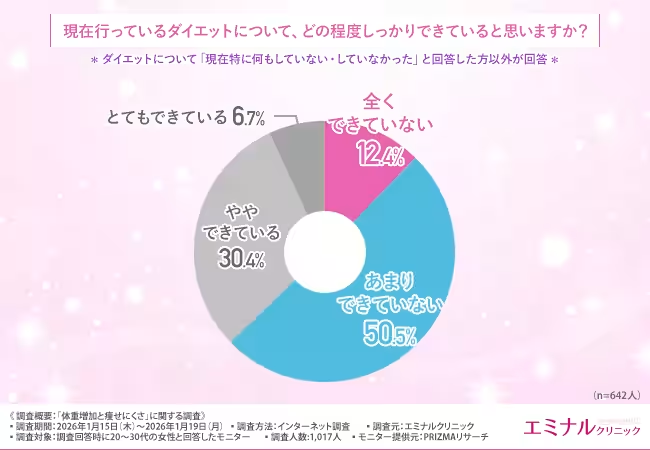
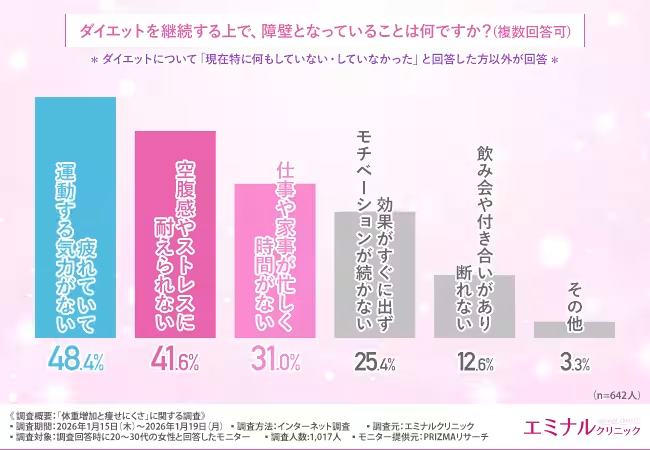
Despite these adaptations, the survey highlighted a concerning trend: about 62.9% of those currently on a diet feel that they aren’t achieving their weight loss goals effectively. When questioned about the obstacles they face, fatigue emerged as the predominant barrier, along with feelings of hunger and stress and time constraints caused by busy lifestyles.
Conclusion: Navigating Weight Management After 30
The findings from this survey shed light on a prevalent issue many face after the holiday season, emphasizing that understanding the psychological and physiological barriers to weight management is essential. The struggle with weight gain is not just about numbers; it reflects deeper emotional and bodily perceptions. As younger generations continue to face these shifts, looking into specialized diet solutions might provide a path to effectively manage weight loss without overwhelming exertion.
For those seeking support, Eminal Clinic offers various medical and dietary programs aimed at promoting healthier lifestyles and managing weight effectively. Wrapping up the discussions around dieting is the essential realization that age brings unique adaptations in weight management principles. As we advance into a new year, finding tailored weight management strategies that minimize stress and promote well-being could be the key to successful resolutions. Are you ready to start your journey toward a healthier self?
For a specialized approach to weight management, consider consulting Eminal Clinic.



Topics Health)
【About Using Articles】
You can freely use the title and article content by linking to the page where the article is posted.
※ Images cannot be used.
【About Links】
Links are free to use.