



Understanding Seasonal Skin Changes Due to Heating: A Survey Insight
Noticing Skin Changes When Heating Starts
As the temperatures drop and heating systems resume, many individuals experience noticeable changes in their skin. A recent survey conducted by I.C. Clinic, managed by the Iron Alliance Medical Corporation, explored this phenomenon among men and women in their 20s to 40s. The survey aimed to understand the timing of heating usage and its impact on skin health during the colder months.
Hidden Risks of Heating in Winter
This survey centered around an important query: How does the transition from fall to winter, specifically with the activation of heating systems, affect our skin? Many participants expressed concerns, reporting issues like dryness and itchiness shortly after heating began.
Starting from early October, as temperatures plummet, the use of heating becomes essential. However, while it provides warmth, it drastically reduces indoor humidity. It’s noted that the humidity can drop below 30%, significantly lower than the ideal range of 40-60% necessary for healthy skin. Given that dry skin often leads to increased sensitivity and other dermatological issues, this survey sought to document these changes.
Survey Overview
- - Participants: 300 individuals aged 20-40 across Japan who use heating
- - Duration: October 20 to October 26, 2025
- - Method: Online survey initiated by I.C. Clinic
Heating Usage Trends
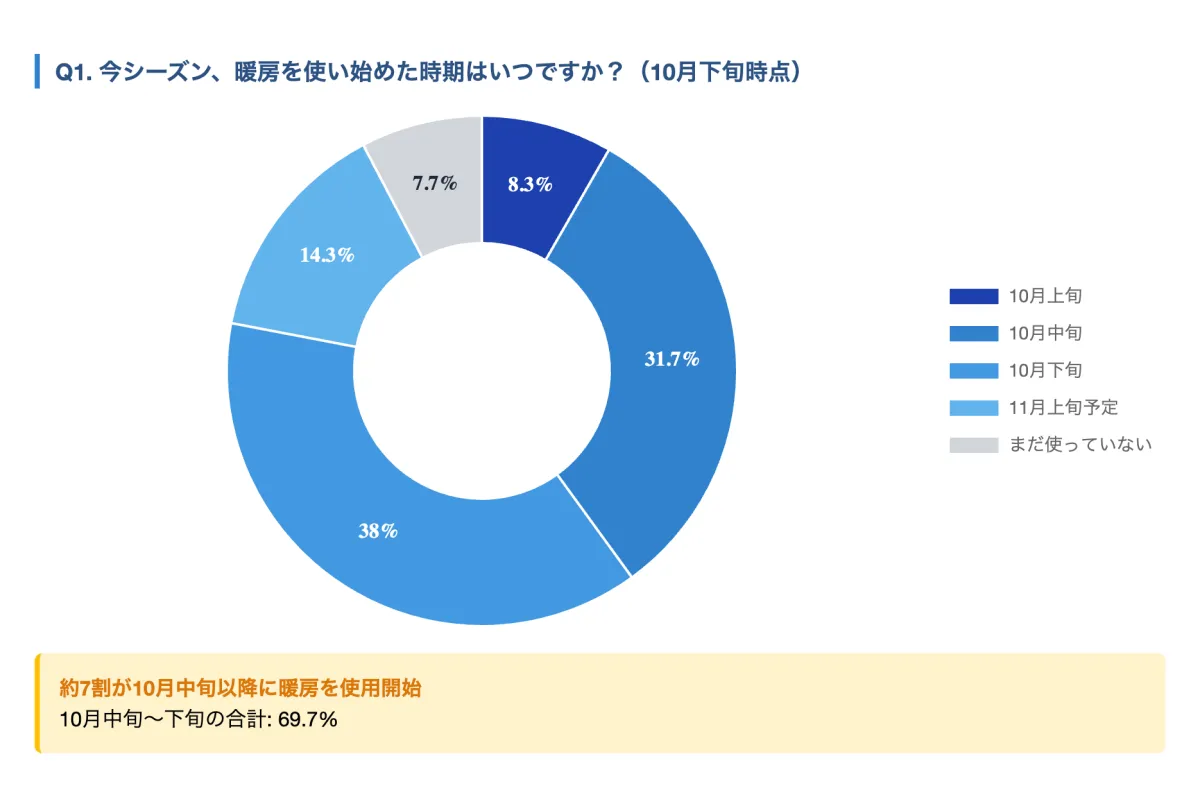
The survey findings revealed that approximately 70% of respondents started using their heating systems after mid-October. Specifically, only 8.3% reported starting in early October, while 31.7% initiated by mid-October and 38% by late October. Late October 2025 saw unusually warm temperatures, delaying heating usage compared to previous years.
Breakdown of Heating Start Times:
- - Early October: 8.3%
- - Mid October: 31.7%
- - Late October: 38.0%
- - Early November Planned: 14.3%
- - Not yet started: 7.7%
This significant delay in initiating heating could explain why many people began to notice skin issues shortly after switching on their systems, reacting to the sudden drop in humidity.
Skin Changes Post-Heating
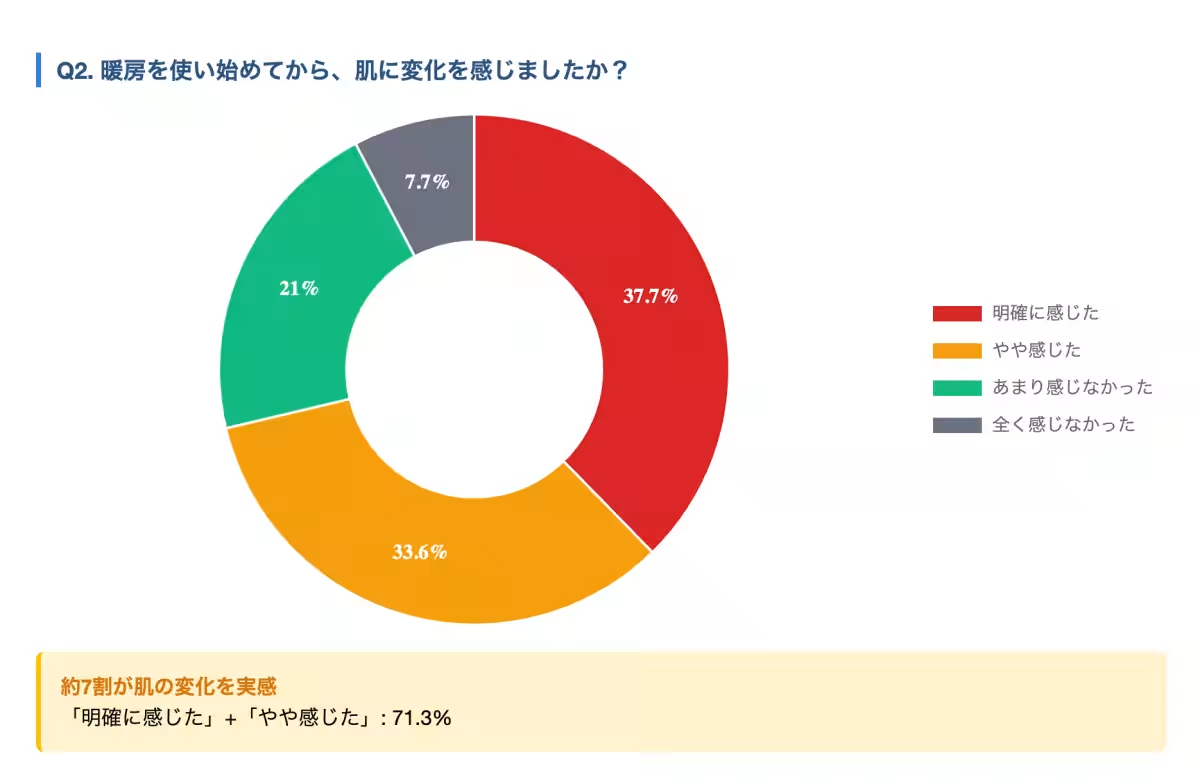
When questioned about experiencing any skin changes since the beginning of heating, an impressive 71.3% of participants acknowledged they had noticed alterations in their skin’s condition. Breaking down the responses:
- - Clearly felt changes: 37.7%
- - Some changes felt: 33.6%
- - Not much change: 21.0%
- - No change felt: 7.7%
Interestingly, this awareness of skin changes was more pronounced among women (78.9%) compared to men (63.7%).
Common Skin Issues Identified
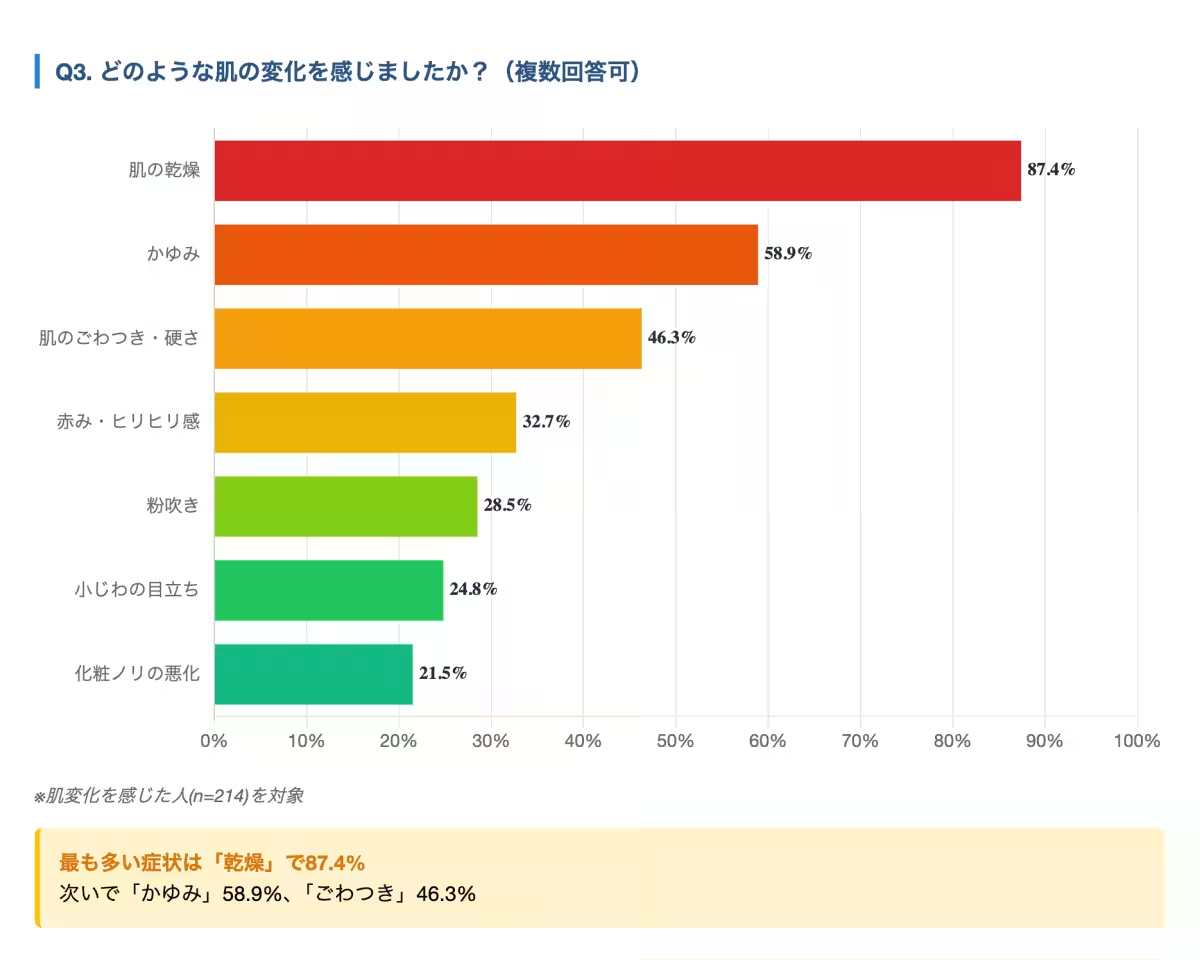
Among those who reported changes, the leading complaint was dry skin, with 87.4% of respondents indicating this as their primary issue. Other concerns included:
- - Itching: 58.9%
- - Skin roughness and tightness: 46.3%
- - Redness and irritation: 32.7%
- - Flaking: 28.5%
- - Visible fine lines: 24.8%
- - Poor makeup application: 21.5%
The results suggest that the drop in humidity caused by heating systems has a severe impact on skin health, leading to various problems.
Self-Care Responses
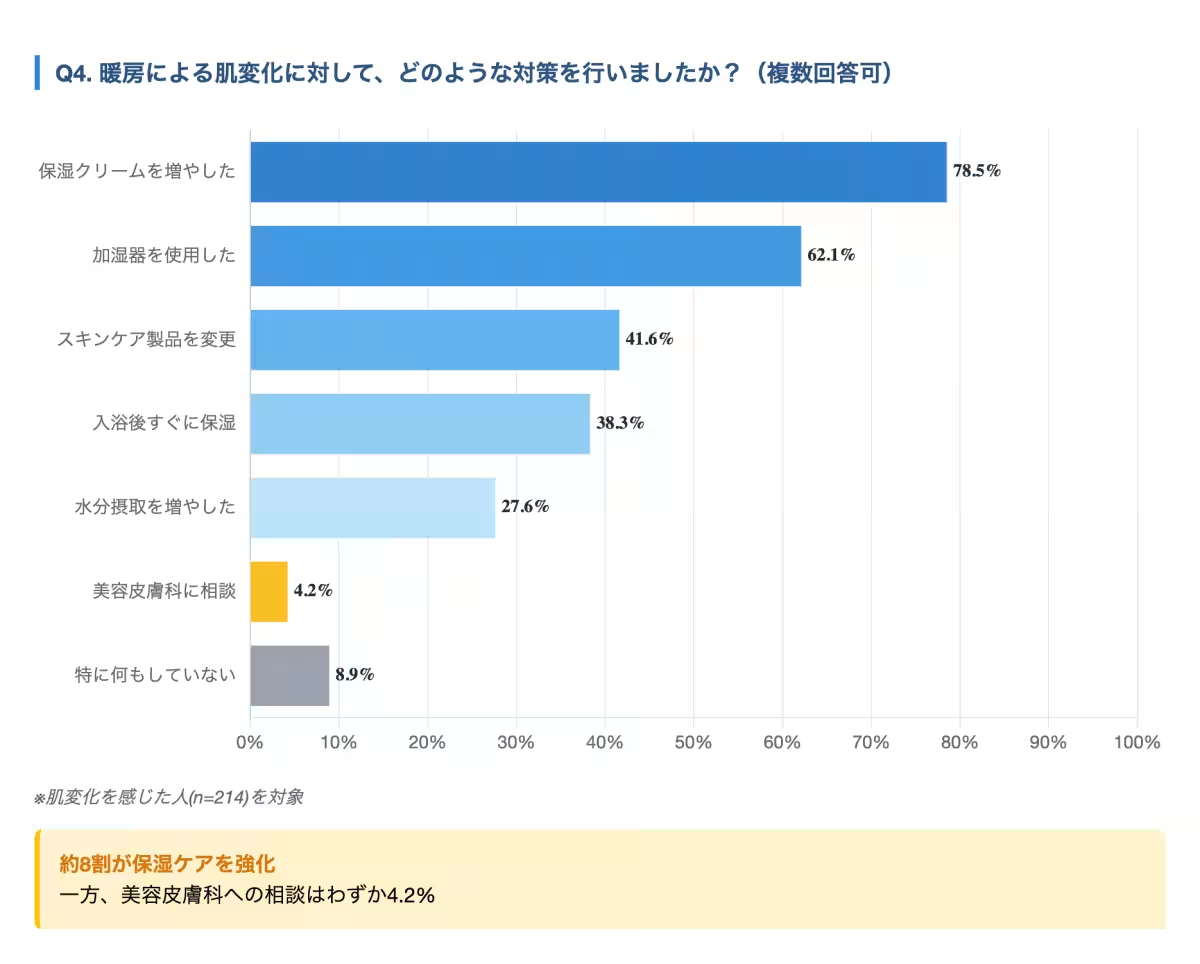
Despite a majority experiencing skin changes, many chose to address their issues through self-care. About 78.5% increased the use of moisturizing creams, while 62.1% opted to use humidifiers. Only 4.2% consulted a dermatologist, indicating a reluctance to seek professional advice even when symptoms persisted.
Respondent Actions for Skin Care:
- - Increased moisturizing cream: 78.5%
- - Used a humidifier: 62.1%
- - Altered skincare products: 41.6%
- - Ensured post-bath moisturizing: 38.3%
- - Increased fluid intake: 27.6%
- - Consulted a dermatologist: 4.2%
- - Did nothing: 8.9%
This highlights the tendency to rely on home remedies, even though more serious conditions might require medical intervention.
Considering Professional Help
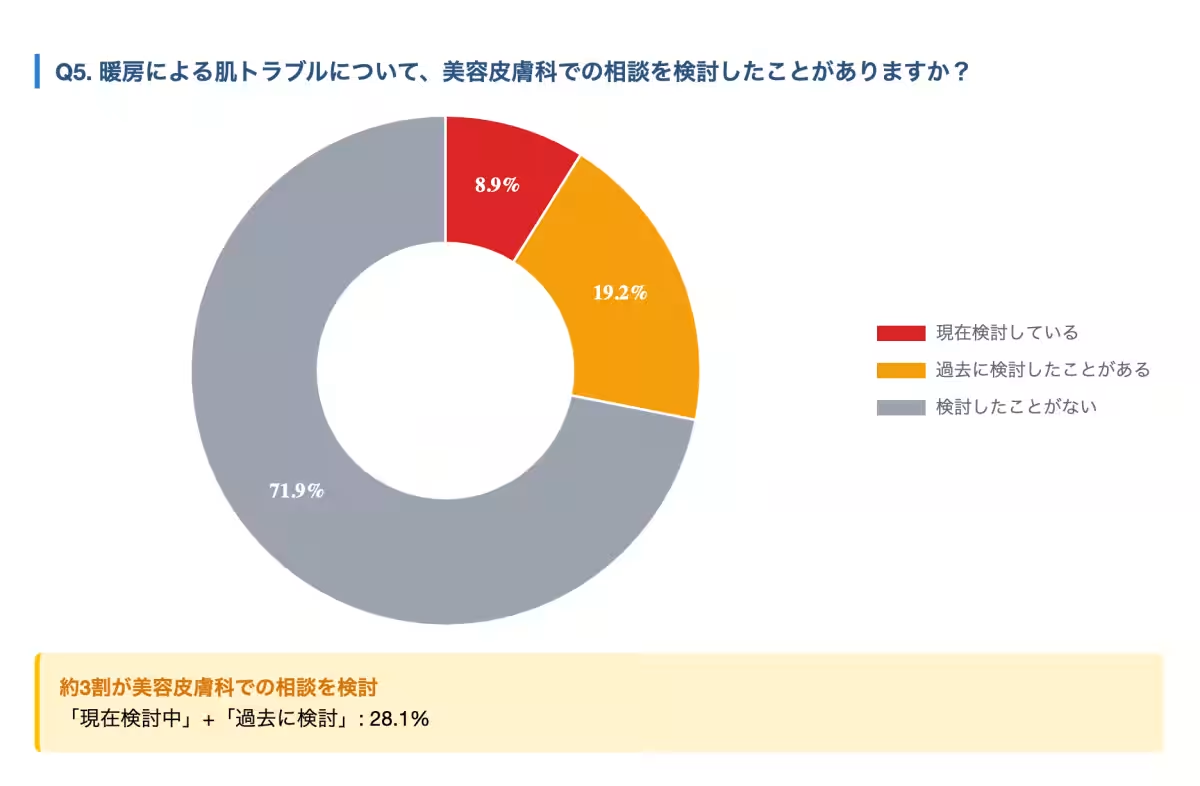
The survey also examined whether participants had considered visiting a dermatologist for their skin issues. About 30% had thought about consulting a medical professional at some point, with 8.9% currently considering it and 19.2% having done so before. Notably, individuals in their 30s and 40s showed a higher tendency to contemplate professional help, especially when over-the-counter products suggested unsatisfactory results.
Conclusion of the Survey
The results point to the urgent need for awareness regarding indoor heating's role in exacerbating skin issues during winter months. The majority of respondents reported turning on their heating systems later in the fall season— a trend that resulted in skin changes noted throughout the cohort.
Conditions like dryness, itchiness, and roughness were prevalent due to lower indoor humidity levels, indicating that many felt these effects directly correlated with heating usage. From the data, it's clear that while most individuals attempt to counteract these issues with self-care, lack of professional consultation could lead to persistent skin complications needing expert care.
Doctor's Commentary
Dr. Kota Takakuwa from the I.C. Clinic commented, "Indoor dryness resulting from heating can diminish the skin's barrier function, making it susceptible to external irritants. Individuals with prior dry skin or conditions like atopic dermatitis generally face worsened symptoms at the start of heating usage. If self-care with over-the-counter products fails to improve conditions such as redness, itchiness, or discomfort, seeking treatment at medical institutions is highly recommended. At specialized dermatology clinics, tailored treatments and medical-grade products can help restore skin health effectively. Preparing your skin before the harsh winter further minimizes skin complications, thus early consultation is encouraged if you notice any bothersome symptoms."
Consult a Dermatologist for Heating-Related Skin Issues
If you are experiencing skin problems such as dryness, itching, or redness that home treatments aren't resolving, consider consulting with professionals at I.C. Clinic. Our team specializes in individualized skin care treatments, including prescription moisturizers, and interventions aimed at enhancing skin barrier function. We look forward to helping you achieve healthy skin even through the winter months.
About I.C. Clinic
We pride ourselves on our comprehensive dermatological services, including:
- - Expertise from board-certified plastic surgeons
- - Access to state-of-the-art medical technologies
- - Treatment that spans both aesthetic and insured medical care
- - Convenient clinic locations in Shinjuku, Shibuya, Ueno, Ikebukuro, Tokyo, and Omiya
Clinic Locations
- - I.C. Clinic Shinjuku: 2-5-3 Yoyogi, Shibuya, Tokyo - 3 minutes from Shinjuku Station
- - I.C. Clinic Shibuya: 3-16-2 Shibuya, Shibuya, Tokyo - 3 minutes from Shibuya Station
- - I.C. Clinic Ueno: 3-16-5 Higashi-Ueno, Taito, Tokyo - 1 minute from Ueno Station
- - I.C. Clinic Ikebukuro: 2-15-3 Minami-Ikebukuro, Toshima, Tokyo - 5 minutes from Ikebukuro Station
- - I.C. Clinic Tokyo: 3-6-2 Nihonbashi, Chuo, Tokyo - 5 minutes from Tokyo Station
- - I.C. Clinic Omiya: 1-60 Daimon-cho, Saitama, Omiya - 1 minute from Omiya Station
You can easily schedule your consultations through our reservation system. Don't hesitate to reach out for your skin health needs!
Topics Health)
【About Using Articles】
You can freely use the title and article content by linking to the page where the article is posted.
※ Images cannot be used.
【About Links】
Links are free to use.