



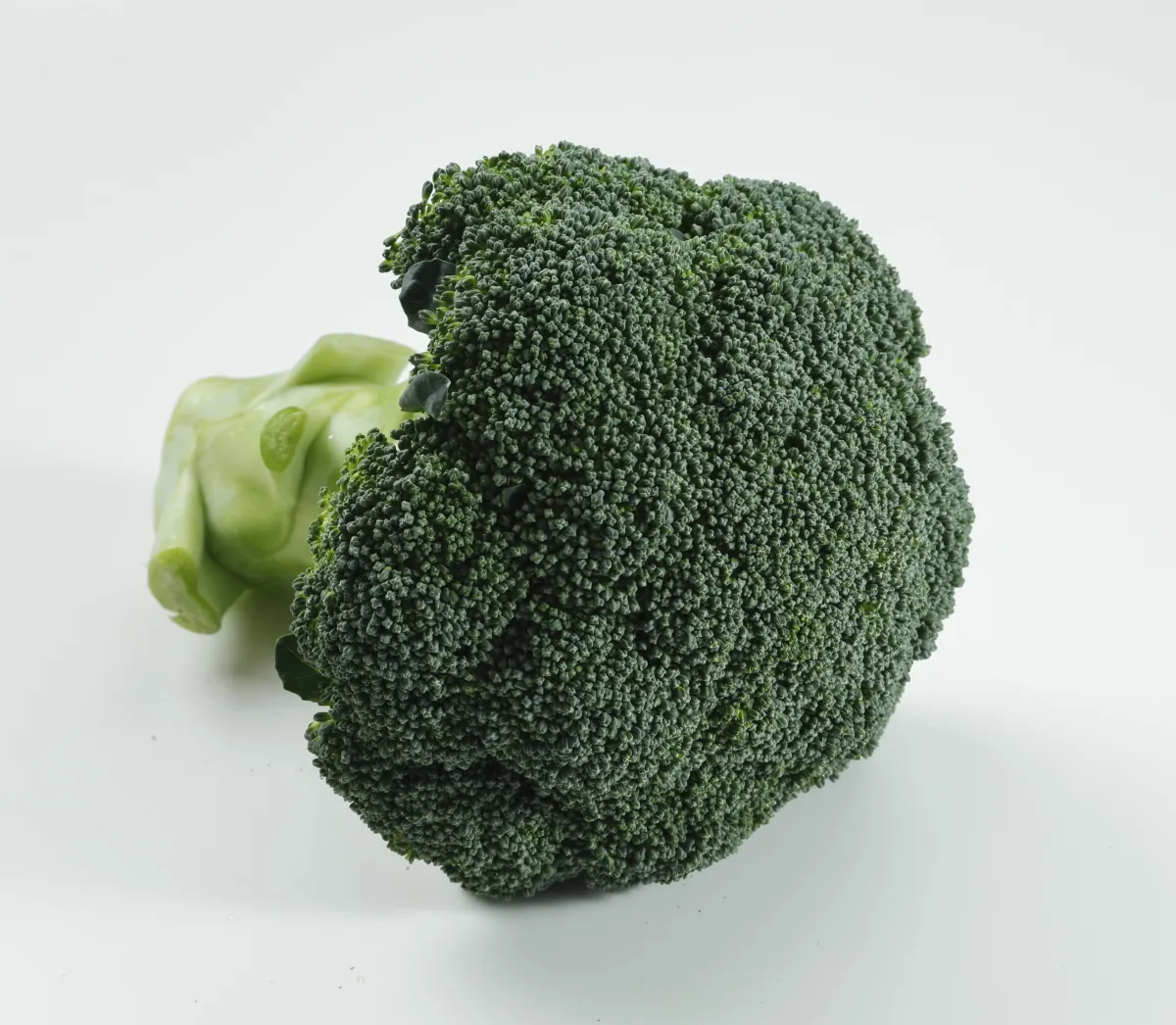
The Relaxation Effects of Broccoli Consumption Confirmed by Research
Exploring the Relaxation Effects of Broccoli: A Study by Kewpie Corporation
Kewpie Corporation, headquartered in Shibuya, Tokyo, has found compelling evidence that consuming broccoli may promote relaxation. This research, presented at the 27th Conference of the Japanese Society of Kansei Engineering held from September 17 to 19, 2025, investigated the emotional and mental benefits of vegetable consumption, particularly focusing on broccoli, which is set to be designated as a recommended vegetable starting in 2026.
Research Objectives
The study aimed to explore the potential contribution of vegetable consumption to mental health and overall well-being. With its popularity alongside mayonnaise, broccoli was selected for its promising benefits. The research evaluated the mechanisms behind the emotional and psychological effects of broccoli intake, utilizing biological indicators such as oxytocin measurements and brainwave and heart rate readings, complemented by subjective assessments of mood.
Summary of Results
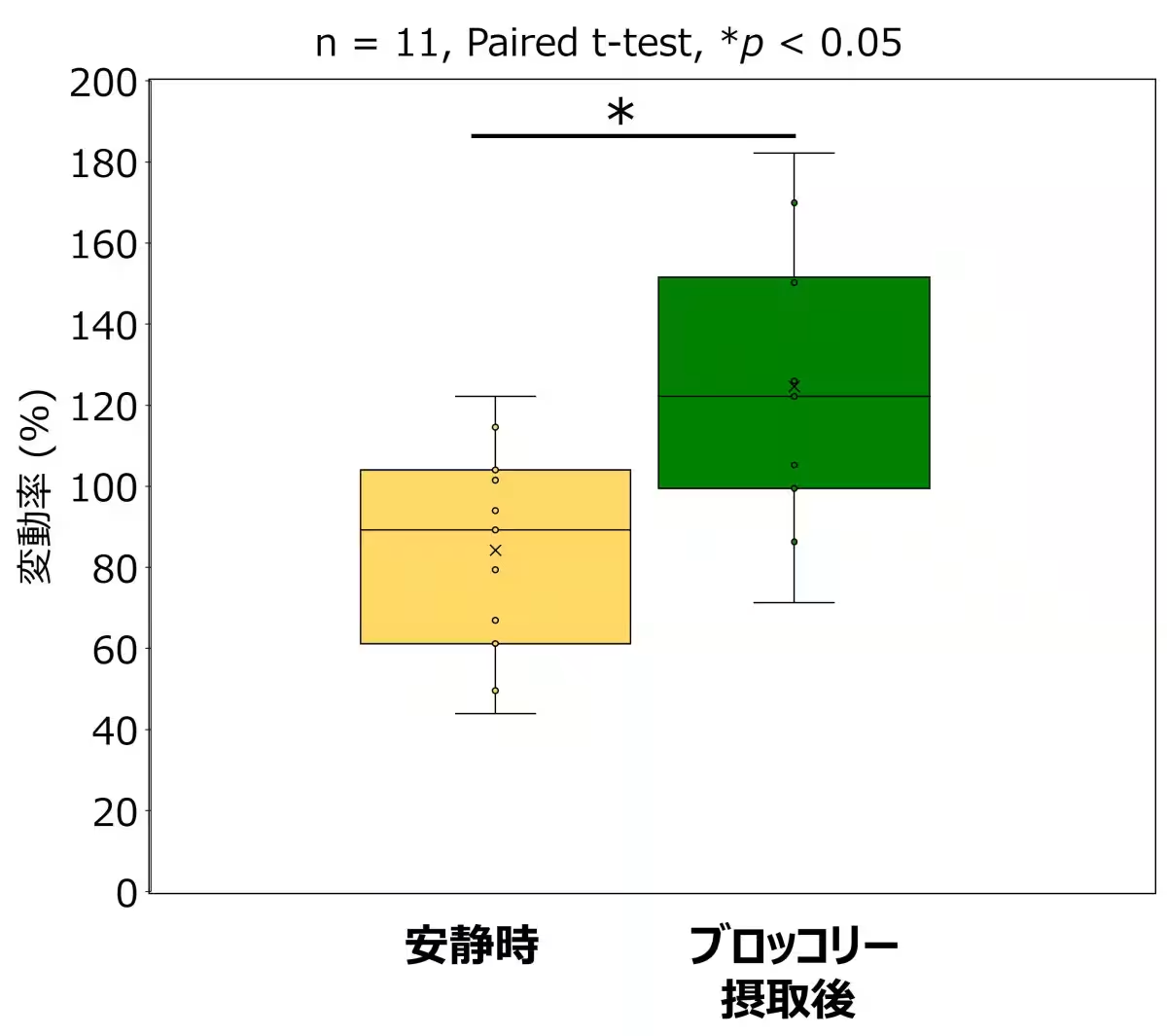
1. Oxytocin Levels: Known as the “happiness hormone,” salivary oxytocin levels significantly increased after consuming broccoli. Moreover, subjective mood assessments indicated an enhancement in feelings of happiness and a decrease in feelings of depression.
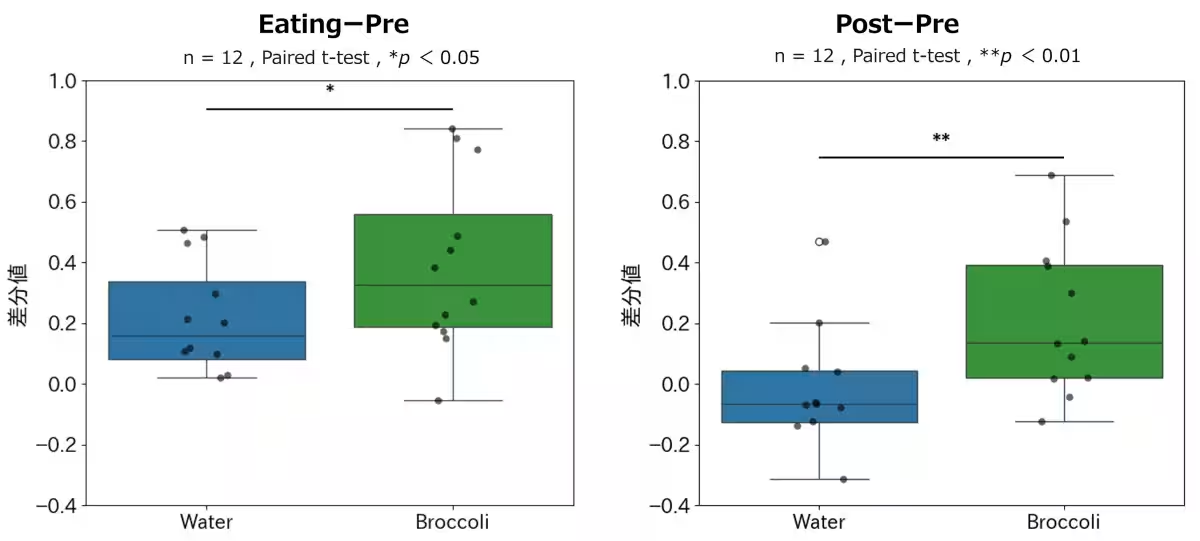
2. Brainwave Measurements: Compared to water, the consumption of broccoli yielded significantly higher values indicating relaxation (Meditation values) during and after eating.
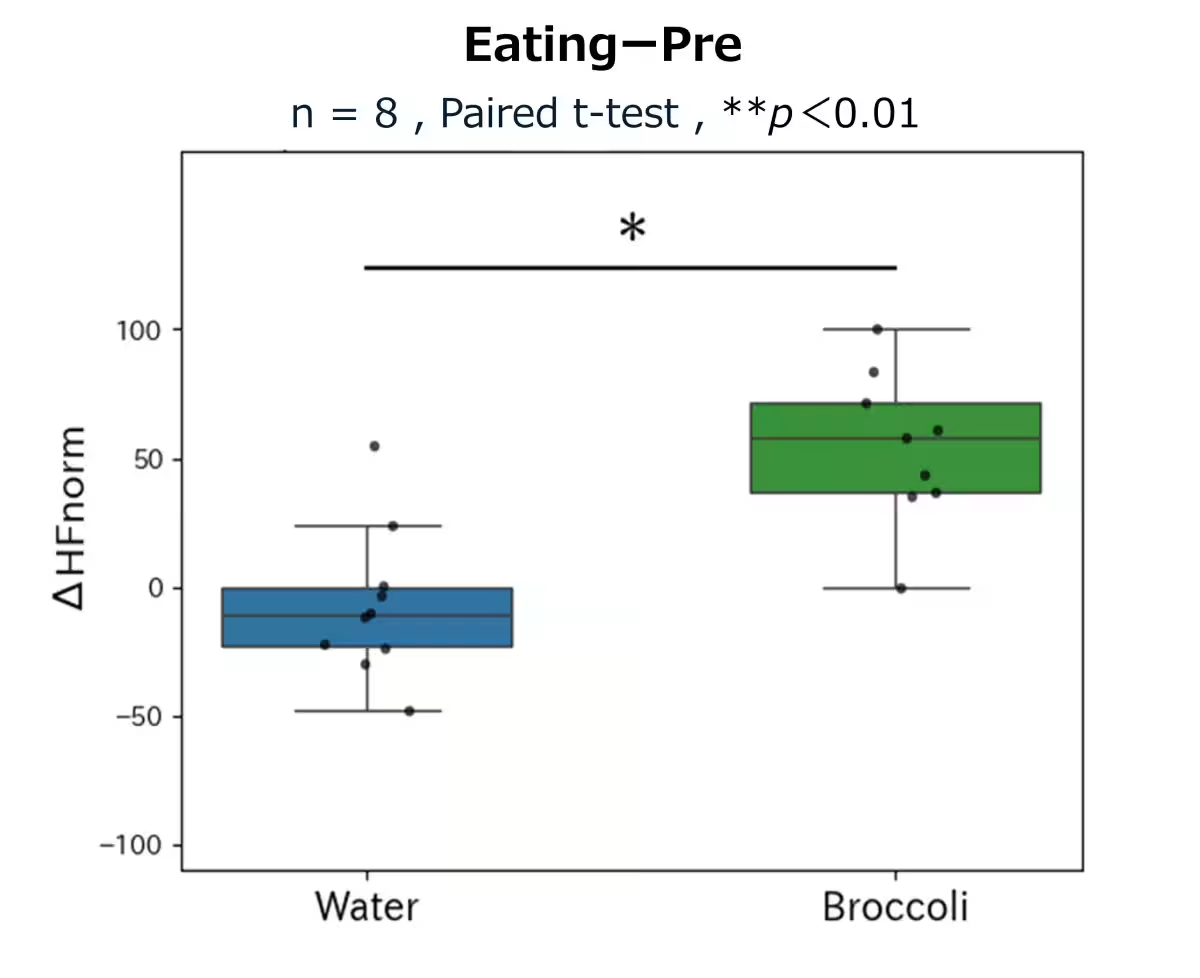
3. Heart Rate Variability: The heart rate analysis revealed that broccoli consumption notably elevated values indicating parasympathetic activity compared to the water control, suggesting a shift towards a more parasympathetic state in autonomic nervous system balance.
These findings indicate that broccoli consumption could indeed lead to relaxation benefits. The researchers aim to further validate these results by investigating different biological indicators and testing other vegetables, thereby scientifically exploring the relationship between vegetable intake and well-being. Kewpie Corporation remains committed to revealing the new value of vegetables and contributing to societal challenges.
Background of the Research
In today's society, characterized by high stress levels, there is an increasing demand for proactive mental relaxation and refreshment strategies. One potential solution is found in diet, particularly through the intake of vegetables, which has been linked to reduced anxiety risks and increased feelings of happiness.
However, trends show a declining consumption of vegetables among the Japanese population. Kewpie has historically focused on highlighting the health benefits of vegetables, alongside promoting delicious ways to consume them. This research represents a step further in illuminating the emotional and psychological benefits of vegetable intake as a means to address modern societal issues related to insufficient vegetable consumption and mental health.
Detailed Research Methodology
Study 1: Measuring Oxytocin Concentration
- - Method: Fourteen adult subjects who liked broccoli were asked to consume steamed, bite-sized pieces, after which their salivary oxytocin levels were measured. A simple mood survey was also administered.
- - Results: The analysis revealed a significant increase in oxytocin levels post-consumption, suggesting that eating broccoli stimulates oxytocin secretion (see Figure 2). Additionally, participants reported a notable increase in happiness and a reduction in depressive feelings.
Study 2: Brainwave and Heart Rate Measurements
- - Method: Participants were given a broccoli-water mixture and were monitored for brainwaves and heart rates before and after consumption. Twelve subjects who didn’t dislike vegetables were tested in a controlled sequence.
- - Results: The study indicated that broccoli consumption registered a significantly higher Meditation value in brainwave analysis, compared to water (see Figure 4). Heart rate evaluation also showed a significant increase in parasympathetic activity while consuming broccoli, contrasting with water (see Figure 5).
As consumers are encouraged to enjoy a variety of vegetables for both their nutritional benefits and their potential positive effects on mental health, Kewpie aims to continue promoting the joys of salads and contribute to overall health and well-being worldwide.
Conclusion
The engaging colors of vegetables can brighten up any meal while fostering a more balanced and healthful diet. By emphasizing the joy in interacting with vegetables, Kewpie seeks to enrich individuals’ emotional landscapes and promote a better quality of life. The company remains dedicated to advancing the appeal of salads and supporting global health initiatives.
References:
- - Kewpie PR TIMES STORY on future dietary prospects and well-being.
- - Health Survey for England, BMJ Open.
- - The impact of fruit and vegetable consumption on emotional well-being.



Topics Health)
【About Using Articles】
You can freely use the title and article content by linking to the page where the article is posted.
※ Images cannot be used.
【About Links】
Links are free to use.