




Comprehensive Analysis of Functional Foods: Trends and Insights for 2025 and Beyond
Comprehensive Analysis of Functional Foods: Trends and Insights for 2025 and Beyond
The realm of functional foods has surged in popularity, establishing itself as a prominent category within the health food market. A recent report released by Yakujihou Marketing, titled "Analysis Report on Functional Foods: Independent Analysis of Over 10,000 Cases," provides a thorough insight into this expanding industry over the past eleven years, touching upon emerging trends and predictions for the future.
Major Findings of the Report
The report presents a variety of crucial information:
- - Top 100 Registrants of Functional Foods: A detailed ranking of companies that have successfully registered functional foods.
- - Top 100 Functional Ingredients: Highlights the most sought-after ingredients contributing to the effectiveness of these foods.
- - Top 50 Health Claims: This section ranks the most common functional claims being made by these products.
- - Top 20 Body Areas of Focus: An analysis of which parts of the body are most commonly targeted by functional foods.
- - Predictions for April 2025: Insights into new functional ingredients and claims expected to see growth after the regulatory changes in April 2025.
- - Best-Selling Examples: A selection of 16 products that have made a significant impact in the market.
The findings reveal the increasing popularity of functional foods, highlighting not just individual success stories but also broader trends shaping the market.
Growth Trends for Functional Foods
1. Expanding Market Size
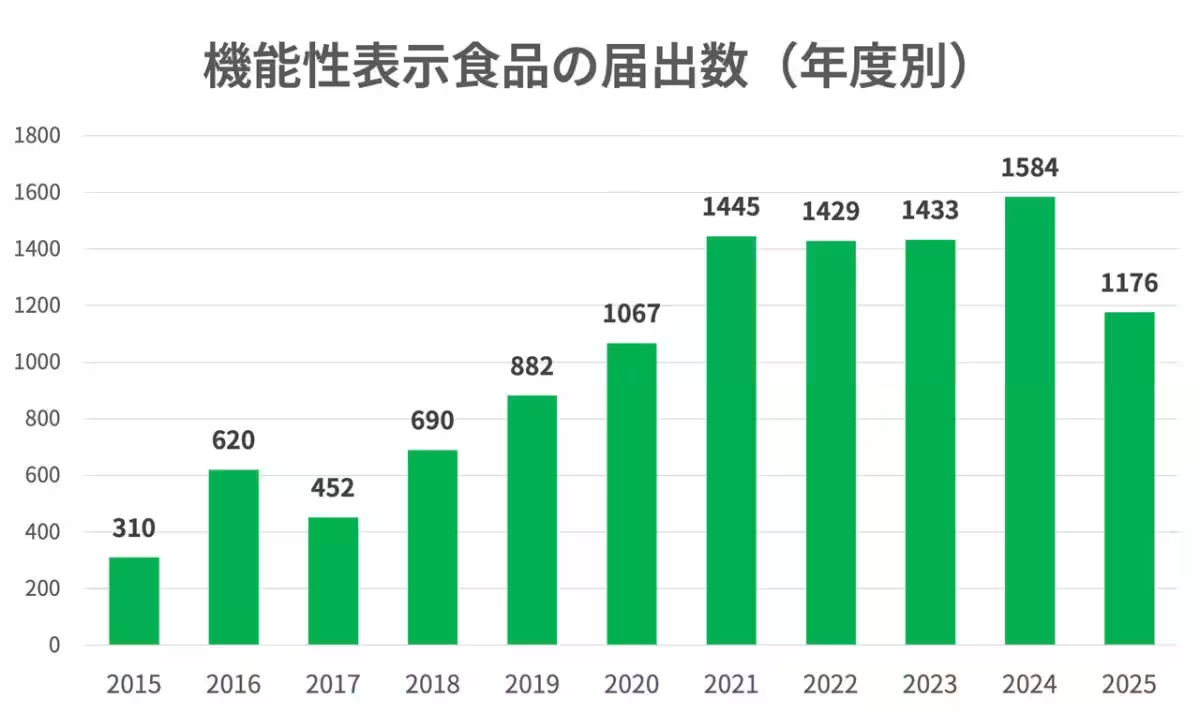
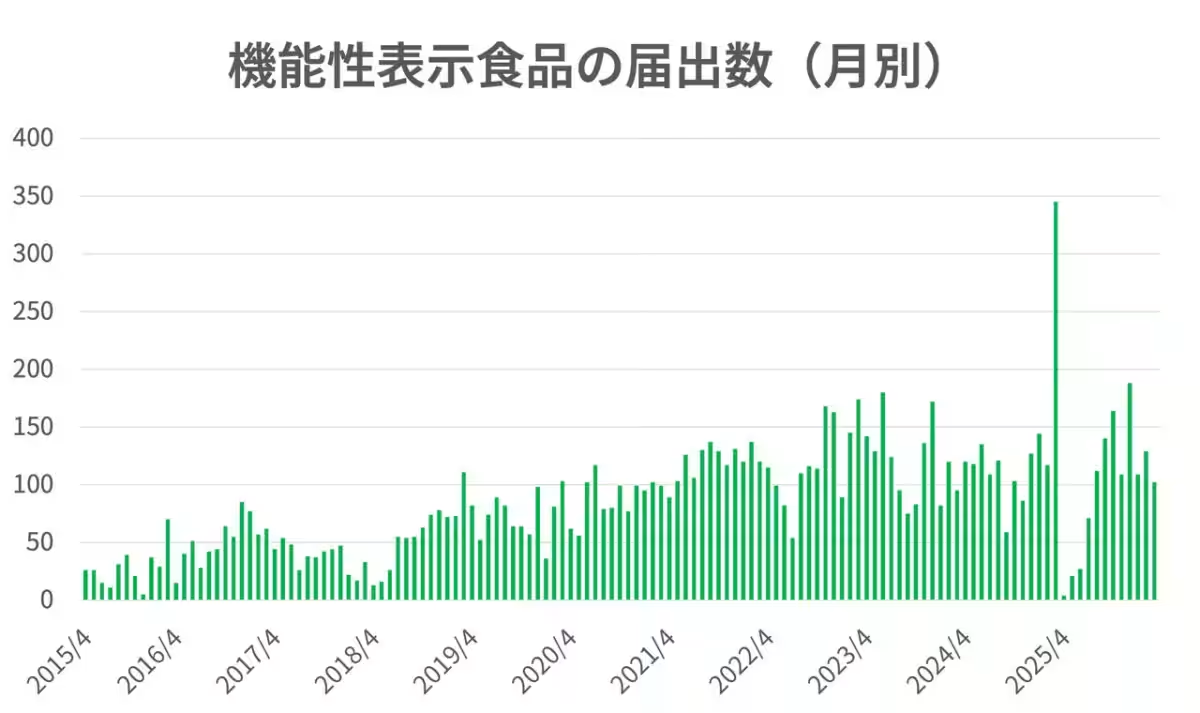
Functional foods have grown significantly since the inception of the regulation more than a decade ago. With a domestic market now exceeding 700 billion yen, there is robust consumer interest spurred by heightened awareness of health management and the rising health consciousness among younger demographics. Such products that communicate their health benefits clearly are likely to sustain demand.
2. Diverse Product Forms
Originally confined to supplements, functional foods have diversified into various forms, including beverages, yogurts, snacks, powders, condiments, and fresh food. There is a noticeable trend towards integrating these foods seamlessly into everyday meals rather than just as supplements, offering opportunities for food manufacturers to enhance existing products with functional attributes.
3. Increasingly Specific Health Needs
As consumer preferences evolve, the health claims marketed have diversified from traditional areas like weight management and blood pressure to new avenues, including immune support and skin health. The rise of multi-functional health claims products combining several benefits further illustrates this trend. Future product development will benefit from focusing on concrete concerns related to specific demographic groups.
4. Strengthened Emphasis on Scientific Evidence
Recent regulatory adjustments demand clearer integrity around scientific evidence and quality control in functional foods. From April 2025, new submissions will require compliance with PRISMA 2020 statements and certain products made from natural extracts will need to ensure GMP-compliance from September 2026. Companies with solid evidence and quality measures will have an edge in consumer trust and market positioning.
Conclusion
Functional foods are evidently a growing market segment that still has ample room for innovation and engagement. For those interested in exploiting new business opportunities, leveraging the insights provided in the Yakujihou Marketing report is crucial. The publication offers a wealth of data and examples that can guide product development, market strategies, and branding initiatives. Download the report for free today and stay ahead in the functional food category.
Additional Resources
For further information on legal matters surrounding functional foods, including guidance on regulations and compliance, visit Yakujihou Marketing. In addition, the Yakukihou Knowledge Portal offers valuable insights into legal issues affecting the beauty and health business, specifically for functional food inquiries. By analyzing these resources, companies can navigate this evolving landscape effectively.


Topics Consumer Products & Retail)









【About Using Articles】
You can freely use the title and article content by linking to the page where the article is posted.
※ Images cannot be used.
【About Links】
Links are free to use.