



New Research Unveils Details about Gut Microbiome's Role in COVID-19 Vaccine Antibody Levels
Exploring the Gut Microbiome's Impact on COVID-19 Vaccine Antibodies
The recent study conducted by a team from the Kanagawa Institute of Industrial Science and Technology (KISTEC), alongside various academic and corporate partners, has provided significant insights into the relationship between gut microbiome health and antibody production following COVID-19 vaccination. This research is part of a broader initiative aimed at understanding individual variations in vaccine efficacy and readiness for potential future pandemics.
Study Overview
The joint research project commenced in 2022 and has focused on lifestyle assessments and gut microbiome analyses in individuals with COVID-19 antibodies. The findings were recently published in the international academic journal Gut Microbes Reports, underscoring the importance of the relationship between diet, specifically yogurt consumption, and vaccine response.
Key Findings
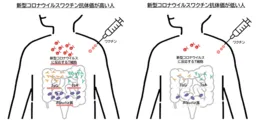
1. Daily Yogurt Consumption and Antibody Levels: Individuals who consumed yogurt daily displayed significantly higher COVID-19 vaccine antibody levels compared to those who did not include yogurt in their diets. This daily habit appears to correlate strongly with the presence and activity of immune cells (T cells) responsive to the virus.
2. Microbiome Analysis: The study conducted extensive analyses of fecal samples to identify specific gut bacteria and metabolites correlated with COVID-19 vaccine antibody levels. Notable findings included a positive association between the presence of certain bacteria (like Lactobacillus and Blautia) and metabolites (including malic acid, lactic acid, and succinic acid) with heightened antibody responses.
3. Antibody Correlation: It was revealed that individuals with higher blood antibody levels also had increased amounts of COVID-19 antibodies in their feces, suggesting a linked response between systemic and gut immunity.
Implications of the Research
These findings not only emphasize the role of gut health in enhancing immune responses but also suggest new preventive practices for emerging viral infections, including the development of nutritional guidelines for improving vaccine efficacy. By advocating dietary habits that support microbiome diversity, particularly through fermented foods, researchers hope to bolster the effectiveness of vaccinations.
Methodology of the Study
Participants’ blood antibody levels and dietary habits were meticulously tracked and analyzed. Fecal samples were also examined for gut microbiome composition and metabolites, thus offering a comprehensive profile of how diet influences immune response.
Conclusion
This groundbreaking research highlights the potential of intestinal health to influence vaccination outcomes. The information gained can pave the way for innovative public health strategies focusing on nutrition as a determinant for immune efficiency and preparedness against infectious diseases. Given the critical role of immunity, understanding these relationships will further empower individuals to make informed dietary choices aimed at enhancing their vaccine responses, thereby reducing the severity of future infections.
In conclusion, as the landscape of viral threats continues to evolve, maintaining a diverse and healthy gut microbiome through specific dietary choices could potentially serve as an essential pillar of public health and personal immunity against COVID-19 and beyond.

Topics Health)
【About Using Articles】
You can freely use the title and article content by linking to the page where the article is posted.
※ Images cannot be used.
【About Links】
Links are free to use.