



Discover the Alarming Truth About Plaque Risk Among Working Adults
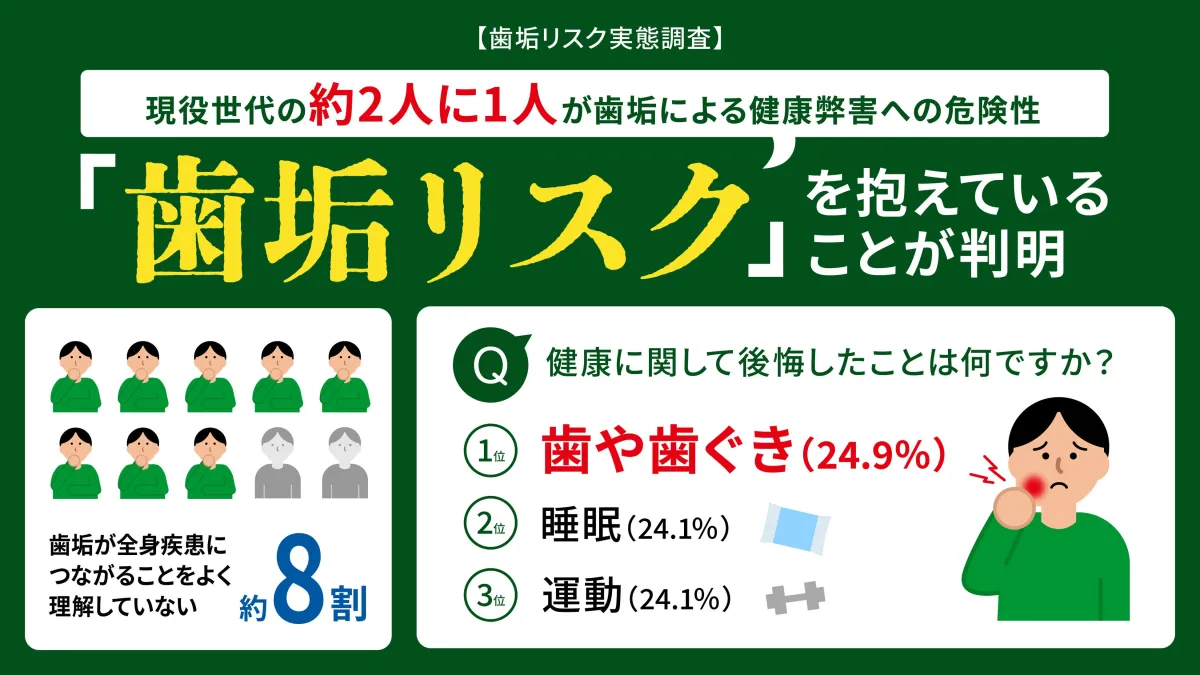
A shocking new study conducted by the Plaque Risk PR Council has unveiled that almost 50% of working-age adults, ranging from their late teens to individuals in their sixties, are grappling with 'plaque risk.' This survey, aimed at raising awareness during Health Promotion Month, involved 600 participants and has brought to light the health hazards posed by plaque, which many people are unaware of.
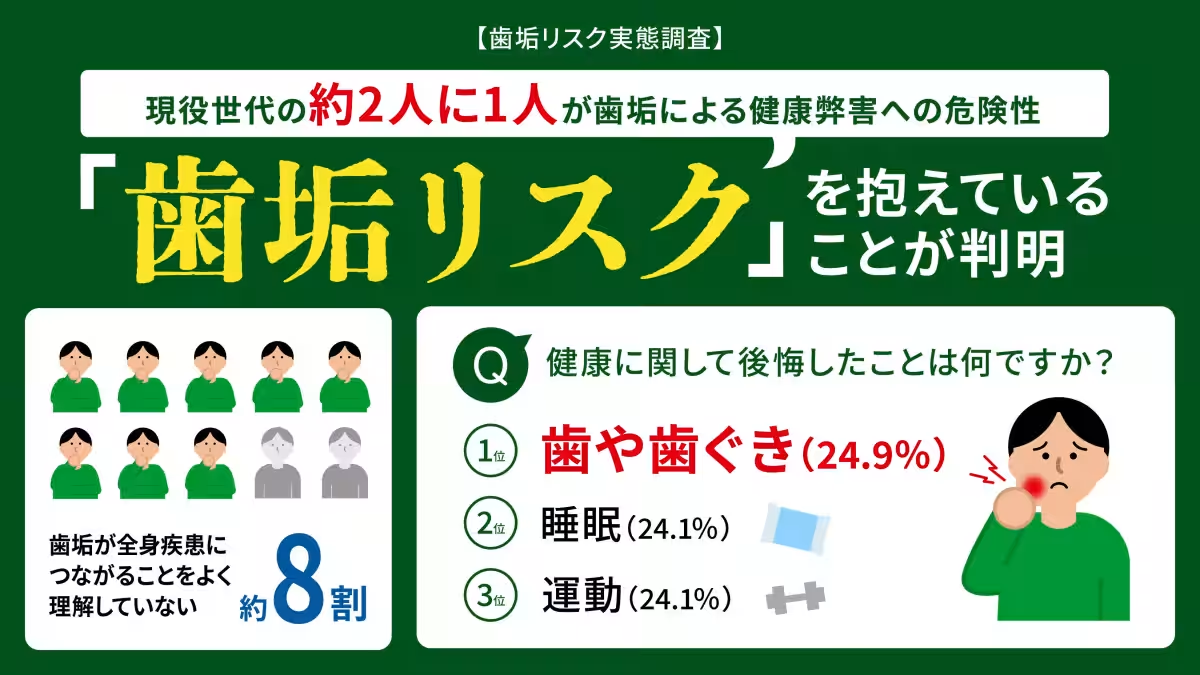
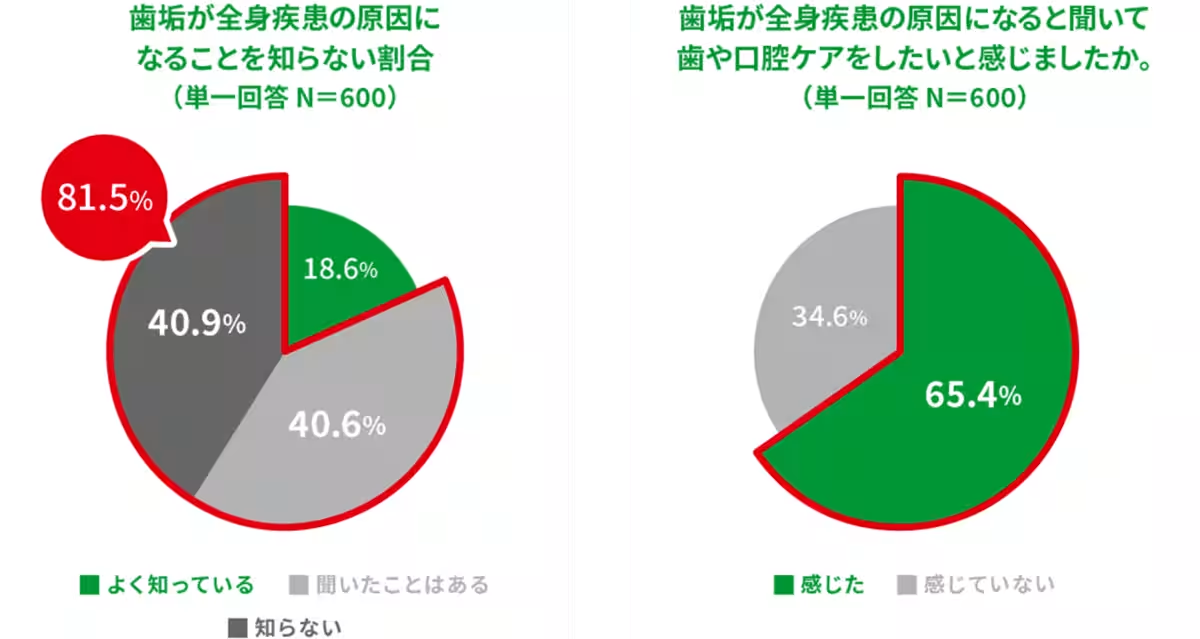
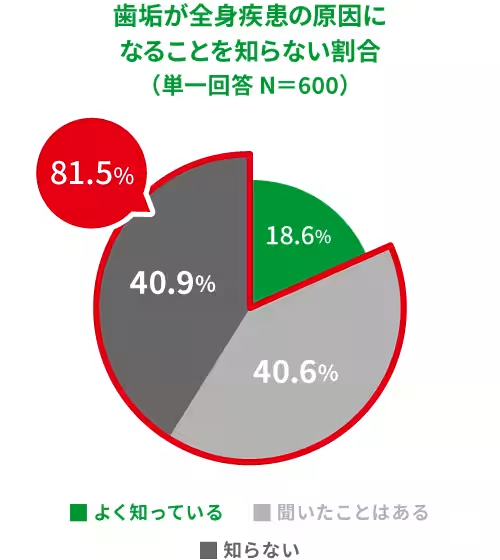
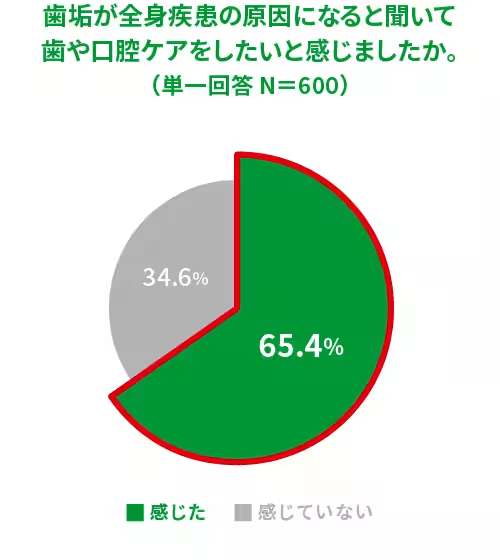
The results are astonishing: approximately half of the respondents acknowledge having plaque-related health risks. Alarmingly, nearly 80% of them do not fully understand that plaque can lead to systemic diseases. Conversely, about 65.4% confessed that realizing this has prompted them to take greater care of their oral health.
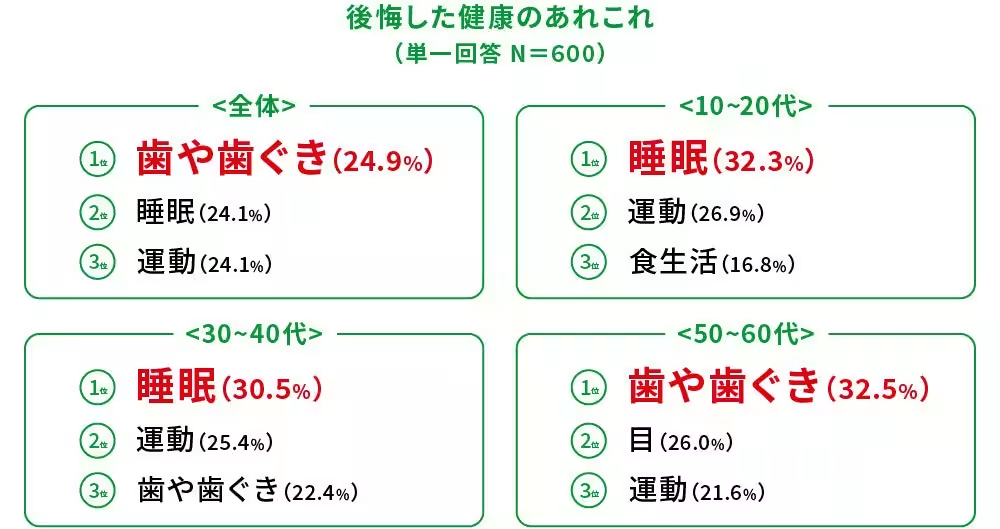
This highlights a significant gap in understanding the seriousness of oral hygiene. In fact, the top regret expressed by participants regarding their health was not taking better care of their teeth and gums, with 32.5% of females aged 50-60 indicating this regret.
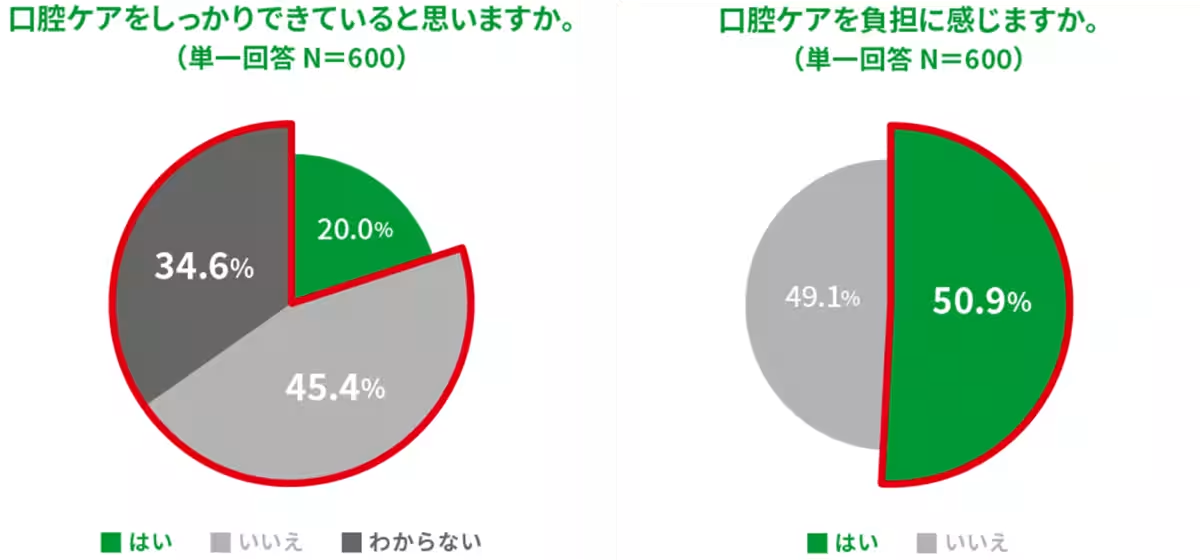
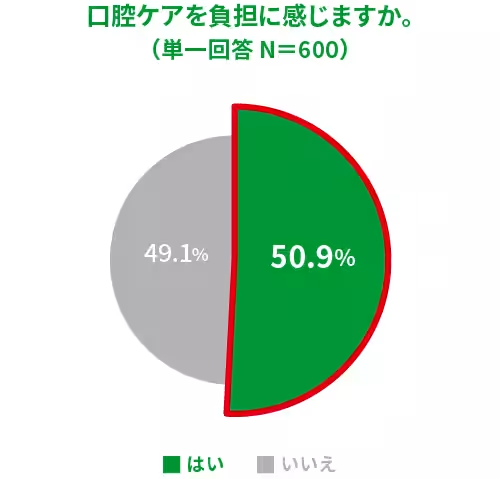
More than half of those surveyed admitted feeling burdened by their oral care routines, citing reasons such as uncertainty about proper care techniques and a lack of noticeable results. Shockingly, 9.9% of participants report not engaging in any regular oral care practices. The survey indicates that those with a higher plaque risk tend to feel this burden even more acutely, suggesting a harmful cycle of neglect.
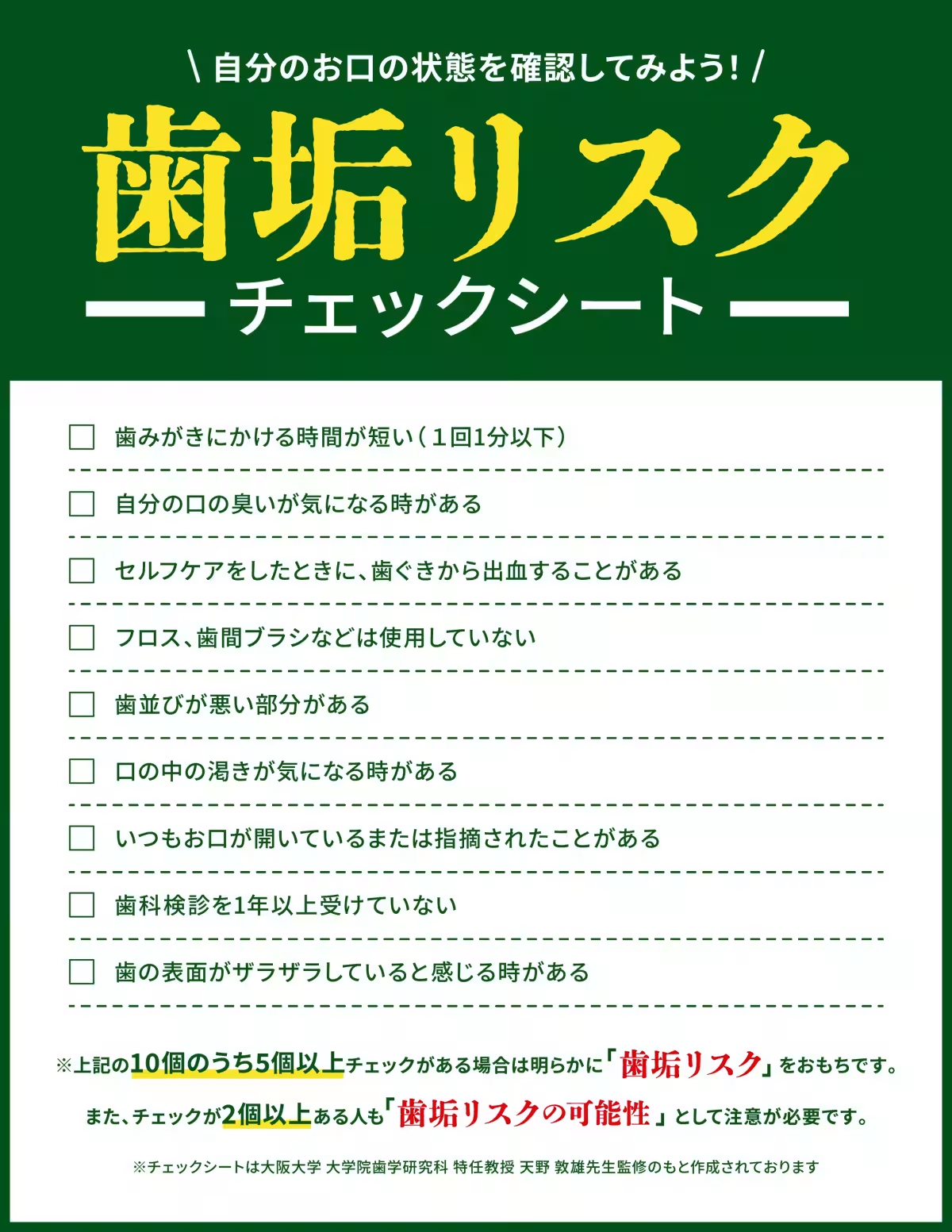
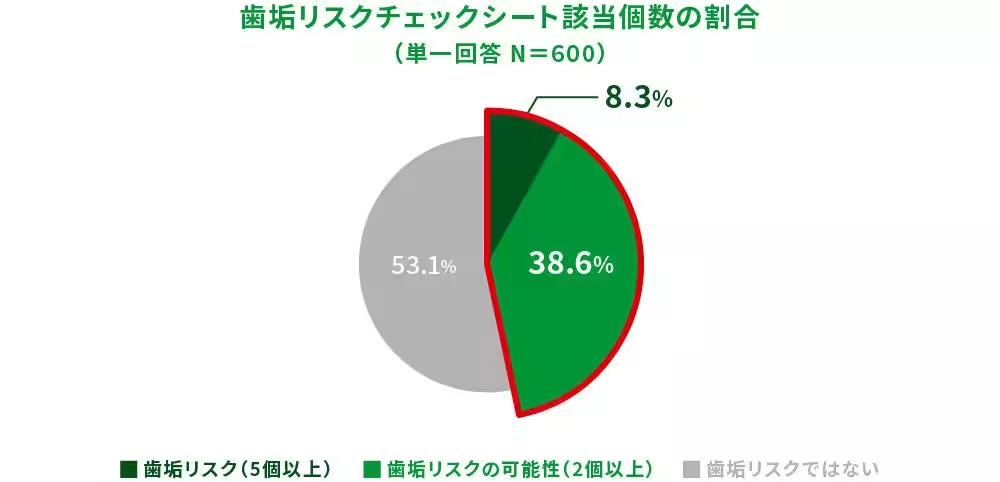
To better understand these risks, a Plaque Risk Checklist was created under the supervision of Atsuo Amano, a notable professor at Osaka University’s Graduate School of Dentistry, specializing in preventive dentistry. The checklist showed that 8.3% of respondents met more than five risk criteria, while 38.6% fell into the potential risk category, confirming that nearly 47% of participants face 'plaque risk.'
The study also examined participants' understanding of plaque's connection to systemic health issues. Notably, 40.9% of respondents were completely unaware that plaque could lead to serious diseases such as heart disease, stroke, and diabetes. An additional 40.6% had heard of the risks but did not fully comprehend them. On a positive note, 65.4% indicated they would be more proactive with their oral care if they were more aware of these risks.
The survey explored participants' health concerns and regrets over their past health choices. The most pressing health concerns reported included fatigue (36.3%), sleep deprivation (33.6%), and chronic pain (33.6%). However, when asked what they wish they had prioritized in their health maintenance, 24.9% regretted not caring for their teeth and gums, which ranked higher than sleep or exercise in the 30-60 age range.
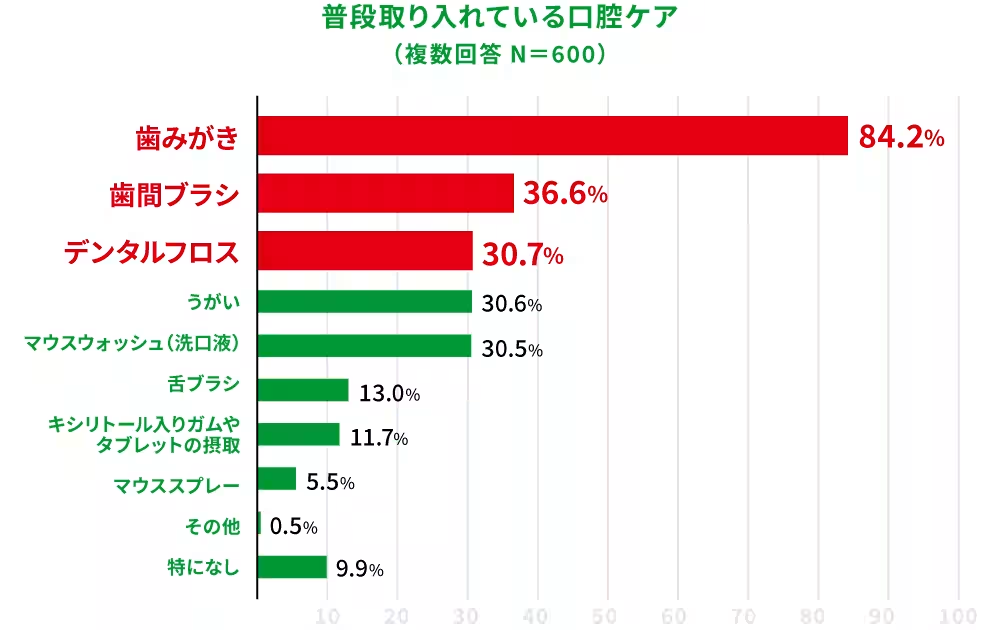
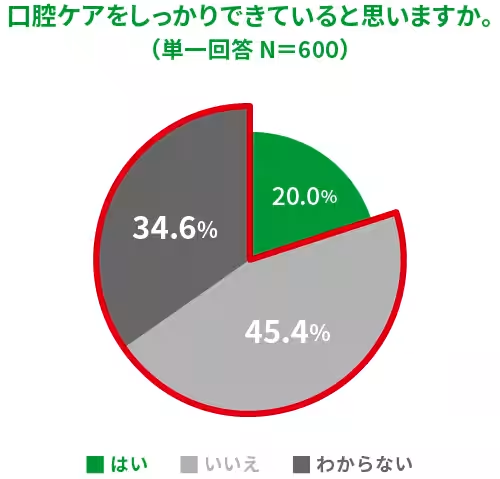
Examining everyday oral care practices revealed that while 84.2% of respondents brush their teeth, a startling 9.9% do not engage in any form of oral care. Moreover, 20% felt they adequately cared for their oral health, whereas 45.4% believed they were not doing so. Among individuals with significant plaque risks, an overwhelming 91.4% felt burdened by their oral care routine, illustrating a troubling trend. Meanwhile, those with very low risks felt far less burdened, indicating that low-risk individuals likely benefit from a more normalized and routine approach to oral hygiene.
Atsuo Amano emphasizes that preventing plaque risk involves incorporating easily maintainable practices into daily life. For instance, chewing xylitol gum after meals helps stimulate saliva production, making it harder for plaque to form, while also reducing the energy of harmful bacteria.
Understanding the connection between gum health and overall body wellness is essential. Plaque does not only contribute to cavities and gum disease but can also influence heart disease and diabetes, thereby impacting overall health. By introducing simple yet effective practices like xylitol gum into their routines, individuals can successfully maintain their oral hygiene without overwhelming themselves.
The focus should be on gradually building a consistent oral care routine that feels manageable. Proper brushing combined with easy habits, such as using xylitol gum, can serve as an effective means to safeguard against plaque risk and enhance both dental and overall health.
As supported by Professor Atsuo Amano's expertise, we see a clear call to action for working-age adults. The evident lack of awareness surrounding plaque risks highlights the urgent need for educational efforts focused on oral health maintenance. By improving understanding and making small changes, we can protect our smiles and overall well-being.

Key Findings of the Survey
The results are astonishing: approximately half of the respondents acknowledge having plaque-related health risks. Alarmingly, nearly 80% of them do not fully understand that plaque can lead to systemic diseases. Conversely, about 65.4% confessed that realizing this has prompted them to take greater care of their oral health.
This highlights a significant gap in understanding the seriousness of oral hygiene. In fact, the top regret expressed by participants regarding their health was not taking better care of their teeth and gums, with 32.5% of females aged 50-60 indicating this regret.
Burden of Oral Hygiene
More than half of those surveyed admitted feeling burdened by their oral care routines, citing reasons such as uncertainty about proper care techniques and a lack of noticeable results. Shockingly, 9.9% of participants report not engaging in any regular oral care practices. The survey indicates that those with a higher plaque risk tend to feel this burden even more acutely, suggesting a harmful cycle of neglect.
To better understand these risks, a Plaque Risk Checklist was created under the supervision of Atsuo Amano, a notable professor at Osaka University’s Graduate School of Dentistry, specializing in preventive dentistry. The checklist showed that 8.3% of respondents met more than five risk criteria, while 38.6% fell into the potential risk category, confirming that nearly 47% of participants face 'plaque risk.'
Misunderstanding the Dangers of Plaque
The study also examined participants' understanding of plaque's connection to systemic health issues. Notably, 40.9% of respondents were completely unaware that plaque could lead to serious diseases such as heart disease, stroke, and diabetes. An additional 40.6% had heard of the risks but did not fully comprehend them. On a positive note, 65.4% indicated they would be more proactive with their oral care if they were more aware of these risks.
Regret over Dental Health
The survey explored participants' health concerns and regrets over their past health choices. The most pressing health concerns reported included fatigue (36.3%), sleep deprivation (33.6%), and chronic pain (33.6%). However, when asked what they wish they had prioritized in their health maintenance, 24.9% regretted not caring for their teeth and gums, which ranked higher than sleep or exercise in the 30-60 age range.
The Alarming Lack of Oral Care Practices
Examining everyday oral care practices revealed that while 84.2% of respondents brush their teeth, a startling 9.9% do not engage in any form of oral care. Moreover, 20% felt they adequately cared for their oral health, whereas 45.4% believed they were not doing so. Among individuals with significant plaque risks, an overwhelming 91.4% felt burdened by their oral care routine, illustrating a troubling trend. Meanwhile, those with very low risks felt far less burdened, indicating that low-risk individuals likely benefit from a more normalized and routine approach to oral hygiene.
Expert Recommendations from Prevention Dentistry
Atsuo Amano emphasizes that preventing plaque risk involves incorporating easily maintainable practices into daily life. For instance, chewing xylitol gum after meals helps stimulate saliva production, making it harder for plaque to form, while also reducing the energy of harmful bacteria.
Understanding the connection between gum health and overall body wellness is essential. Plaque does not only contribute to cavities and gum disease but can also influence heart disease and diabetes, thereby impacting overall health. By introducing simple yet effective practices like xylitol gum into their routines, individuals can successfully maintain their oral hygiene without overwhelming themselves.
The focus should be on gradually building a consistent oral care routine that feels manageable. Proper brushing combined with easy habits, such as using xylitol gum, can serve as an effective means to safeguard against plaque risk and enhance both dental and overall health.
Conclusion
As supported by Professor Atsuo Amano's expertise, we see a clear call to action for working-age adults. The evident lack of awareness surrounding plaque risks highlights the urgent need for educational efforts focused on oral health maintenance. By improving understanding and making small changes, we can protect our smiles and overall well-being.
- ---
Topics Health)
【About Using Articles】
You can freely use the title and article content by linking to the page where the article is posted.
※ Images cannot be used.
【About Links】
Links are free to use.