



The Impact of SNS on Used Car Sale Decisions: A Study by Happy Cars
Understanding the Influence of SNS on Used Car Sales
In an era where social media reigns supreme, the used car market is not immune to its effects. Happy Cars, a specialist in vehicle purchases, recently conducted a comprehensive survey targeting individuals who have sold a vehicle within the last five years. The study aimed to delve into the influence of social media on perceptions of used car market prices.
The Nature of the Used Car Market
The used car market is characterized by significant price volatility, with fluctuations sometimes reaching tens of thousands of yen. In this fast-paced environment, social media platforms such as Twitter, Instagram, TikTok, and YouTube have emerged as popular sources of information. However, they can often lead to misinformation—users might see inflated success stories and feel pressure to achieve similarly high sale prices.
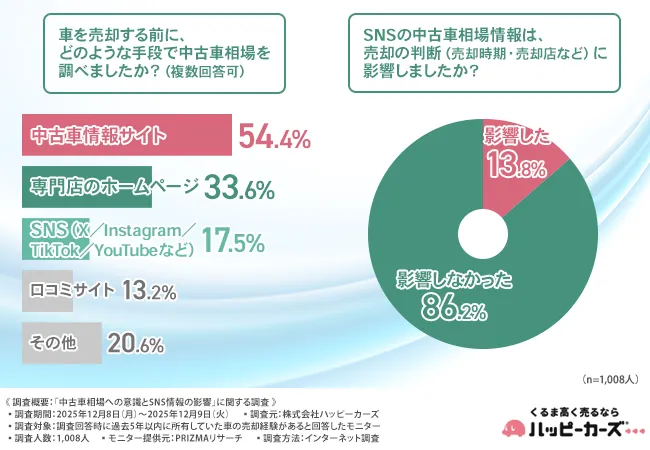
When asked about their methods for researching used car prices prior to selling, the survey revealed that over half of participants (54.4%) relied on used car information websites, while 33.6% turned to specialist dealership websites. Social media was used by 17.5%, indicating a shift towards quicker, more accessible information but also raising questions about reliability.
Perceived Credibility of SNS Information
A significant finding from the study relates to how respondents perceive the accuracy of SNS information on used car prices. An overwhelming 57% stated they were unsure which information was accurate, and 35.6% noted that sold prices are often portrayed as higher than actual. This skepticism raises concerns about the reliability of using social media as a source for making significant financial decisions.
While a small percentage (13.8%) admitted that SNS influenced their selling decisions, the majority (86.2%) dismissed its impact, suggesting that social media plays a supplemental role in the decision-making process rather than being the primary resource.
Analyzing Pre-Sale Evaluations
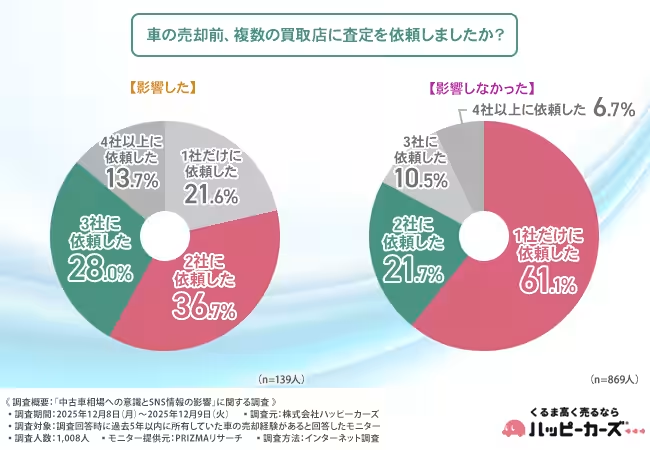
Participants were asked how many evaluations they sought prior to selling their vehicle. Those influenced by SNS tended to request evaluations from multiple companies, reflecting a careful approach in examining various options. Conversely, those who didn't feel influenced typically requested only one evaluation, illustrating a more traditional selling process.
When assessing the key factors influencing their choice of sale site, the majority prioritized the highest evaluation price (50.9%), showing that despite the available information, the actual sale price continues to be a dominant priority for sellers.
Interestingly, nearly 60% of participants felt they had a decent grasp of their vehicle's market price before selling. However, only around 10% felt completely informed, highlighting a gap in complete market understanding and the complexities arising from fluctuating prices.
The Discrepancy in Expected vs. Actual Prices
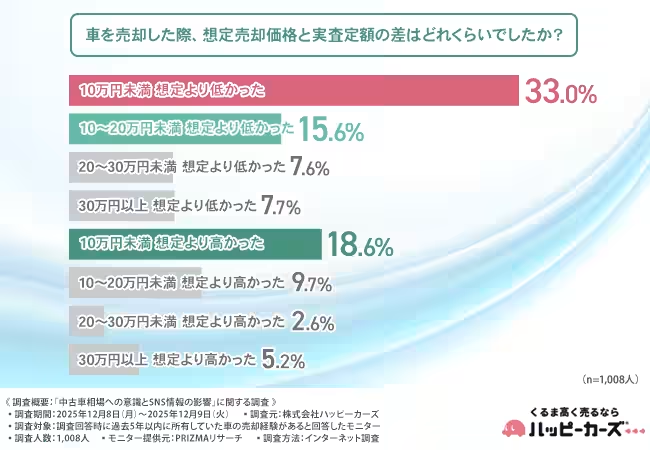
When reflecting on the difference between expected and actual sales prices, it was notable that many felt the final sale amount was lower than anticipated, with 33% reporting a discrepancy of less than 100,000 yen. This sentiment reinforces the need for thorough preparatory research before selling. Many sellers express regret about not seeking more information prior to making a sale, which indicates that incomplete knowledge can lead to feelings of dissatisfaction.
More than 30% of respondents admitted to experiencing regret about their sales decisions, underscoring the crucial importance of informed decision-making in the sales process. For sellers, maintaining transparency and clear guidelines about vehicle evaluations and processes can help mitigate regrets and establish greater satisfaction among sellers.
Final Thoughts
The findings from Happy Cars's study emphasize the necessity for potential car sellers to conduct thorough research and actively compare multiple sources to ensure they are getting the best deal possible. They should not solely rely on social media for their pricing strategy but should integrate findings from various trusted sources to achieve a satisfactory selling price.
In today’s fast-paced information age, the balance between accessibility and reliability is crucial for anyone considering selling their vehicle—strong preparation coupled with an awareness of the local market dynamics will help ensure economic satisfaction and mitigate regrets in car sale decisions.





Topics Consumer Products & Retail)
【About Using Articles】
You can freely use the title and article content by linking to the page where the article is posted.
※ Images cannot be used.
【About Links】
Links are free to use.