



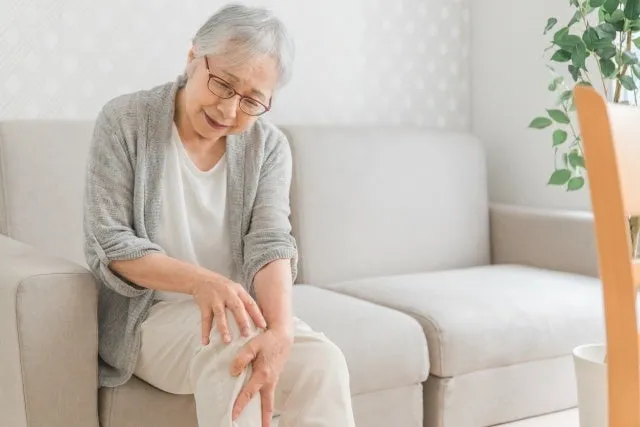
Survey Reveals One in Three Middle-Aged Adults Struggle with Knee Pain
Understanding Knee Pain Among Middle-Aged Adults
As the vibrant fall season approaches, often referred to as the season for sports and travel, many individuals embrace the urge to engage in outdoor activities. However, this desire is often hindered by a recognized issue: knee pain. According to a recent survey conducted by Yasuhiro Yamauchi, a renowned physical therapist and creator of the popular YouTube channel "腰痛・肩こり駆け込み寺【山内義弘】" (Knee Pain and Shoulder Pain Support), a significant number of adults over 45 are grappling with this condition.
Survey Overview
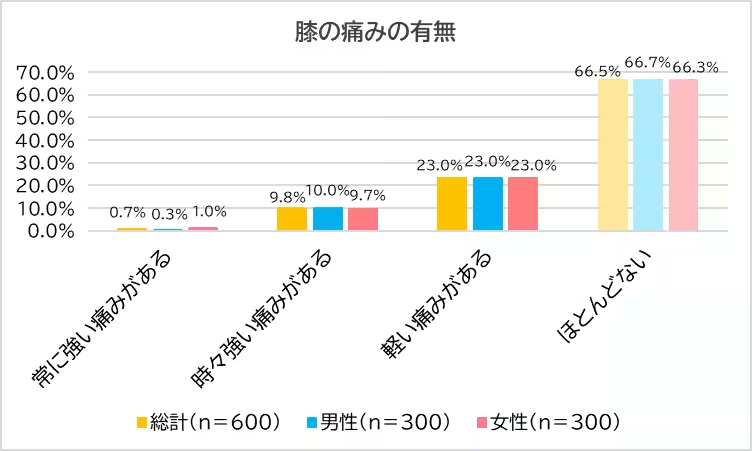
The survey, which included 600 adults aged 45 and older from across the country, revealed that approximately one in three individuals in this demographic experience knee pain. Conducted through an online platform on September 10, 2025, the research also highlighted concerning trends regarding how knee pain affects not only daily life but also mental well-being and future physical capabilities.
Key Findings
1. Prevalence of Knee Pain: Approximately 30% of participants reported experiencing knee pain, with little gender difference noted.
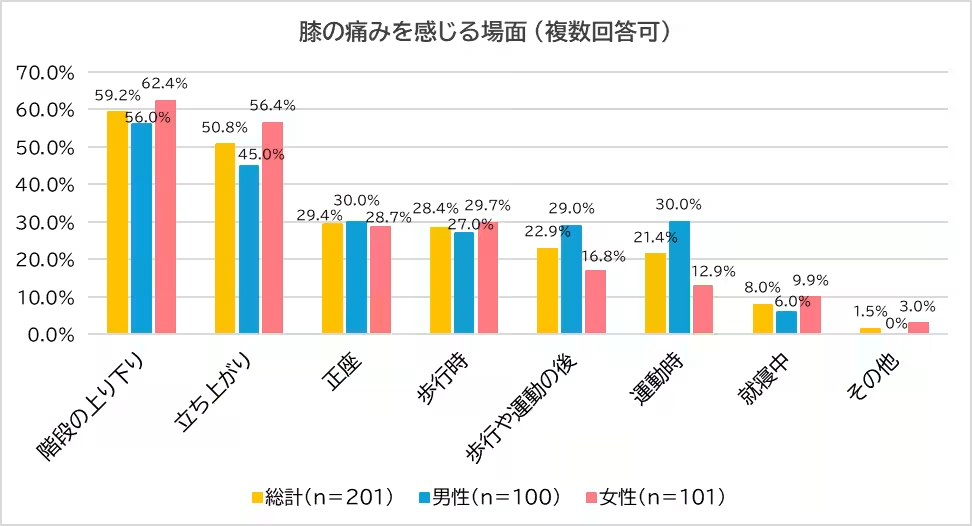
2. Pain Triggers: The most common activities triggering pain included maneuvering stairs (59.2%) and rising from a seated position (50.8%), with noticeable differences in pain experiences during exercise; 30.0% of men reported pain while exercising compared to only 12.9% of women.
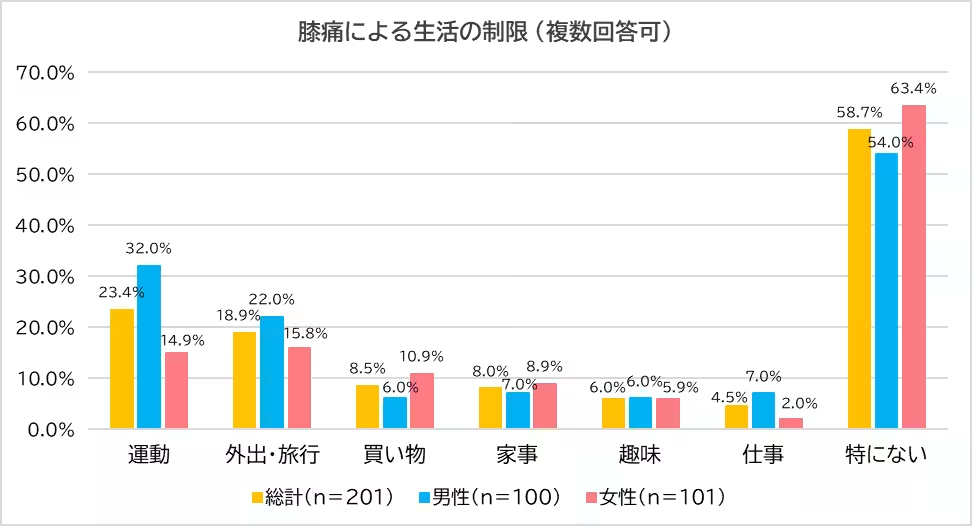
3. Impact on Activities: While 23.4% of respondents noted restrictions in physical activity, particularly in men, about 60% felt no significant limitations affecting their lifestyle despite their pain.
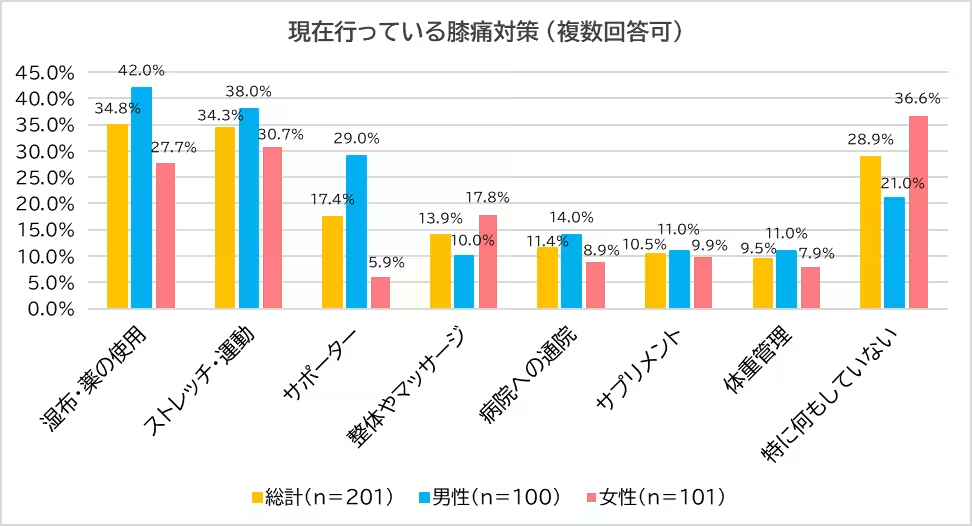
4. Pain Management Approaches: The surveyed individuals often turned to remedies such as medicated patches or stretches, but a concerning 28.9% reported doing nothing to address their knee pain.
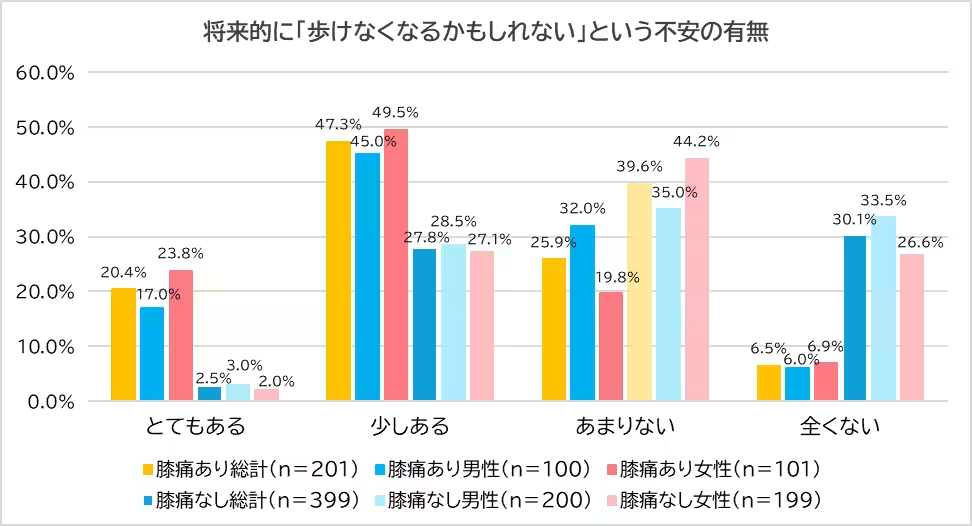
5. Concerns About Future Mobility: Among those suffering from knee pain, nearly 70% expressed anxiety about potentially losing their ability to walk in the future.
The Underlying Cause of Knee Pain
This survey highlights that knee pain has become a widespread concern among middle-aged adults, directly affecting their daily lives and mental health. The fundamental reason many individuals experience knee pain can often be traced back to the deterioration of specific muscle groups supporting the knee joint. With age, particularly for adults over 45, such muscles can weaken, leading to increased strain on the knees during everyday activities.
Addressing Muscle Weakness
The reduction in muscle strength, especially in the thigh region, can lead to greater stress on the knee joints when carrying body weight. This added pressure can contribute to faster wear and tear of the cartilage, resulting in pain and potential deformities. Once cartilage is damaged, it is irreparable, posing severe long-term risks if left unchecked.
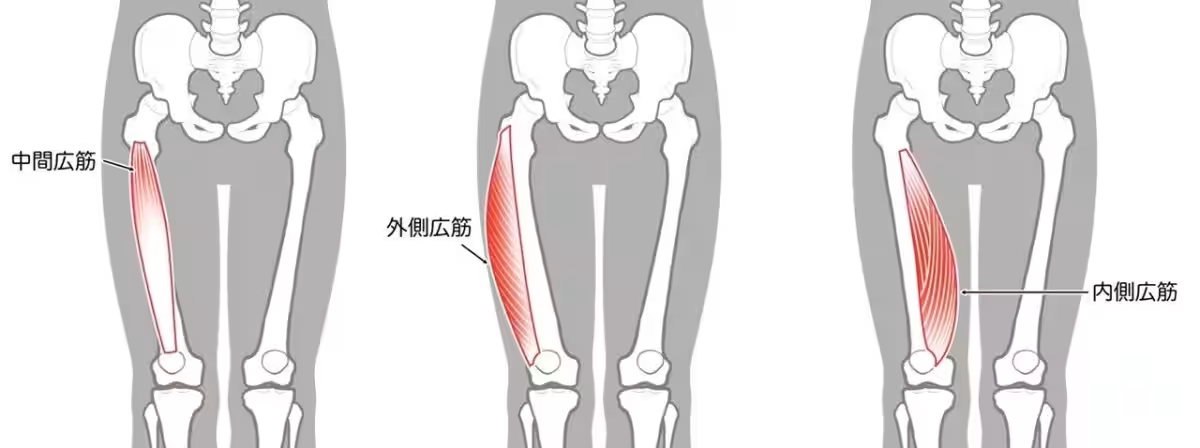
It's crucial that exercises, such as squats, are performed correctly to prevent further strain on the knees. It is essential to focus on strengthening the quadriceps (the large muscle group at the front of the thighs) to support the knees effectively.
Self-Assessment for Knee Health
Quadriceps Strength Test
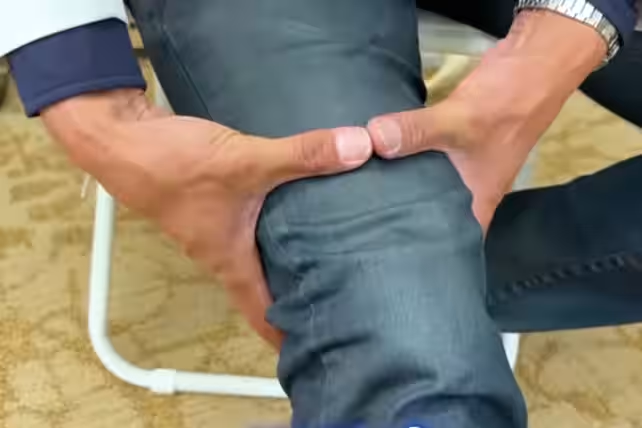
1. Locate the quadriceps muscle just above the knee cap.
2. By touching the area above it, check for muscle size: if it's noticeably thin compared to your thigh, this indicates possible weakness.
Knee Mobility Check
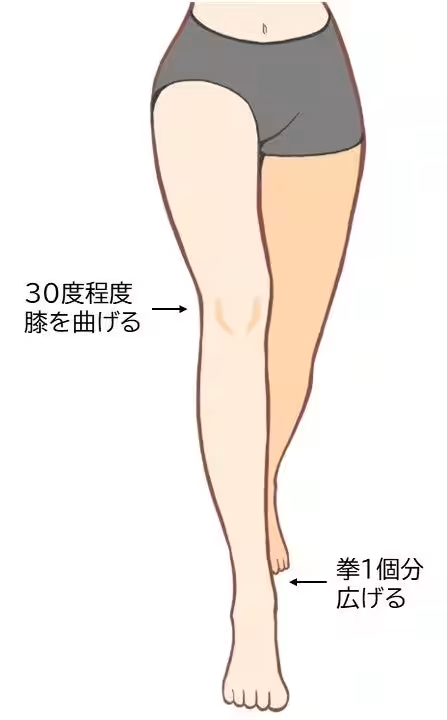
1. Stand with your feet hip-width apart and bend your knees slightly.
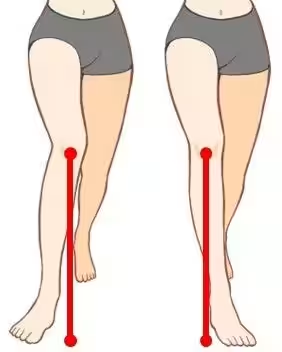
2. Ensure your knees remain aligned above your toes when bent; if not, this may indicate muscle imbalance.
Benefits of Strengthening the Quadriceps
Strengthening the quadriceps not only helps in relief from knee pain but also impacts body shape positively. It aids in supporting abdominal and glute muscles, contributing to overall body posture and health.
Stimulating Muscle Function Through Simple Techniques
To improve stability around the knee joint, addressing the deeper muscle layers of the quadriceps is essential. Surprisingly, applying adhesive bandages has been shown to provide gentle stimulation to these muscles, supporting their functionality.
Method for using adhesive bandages:
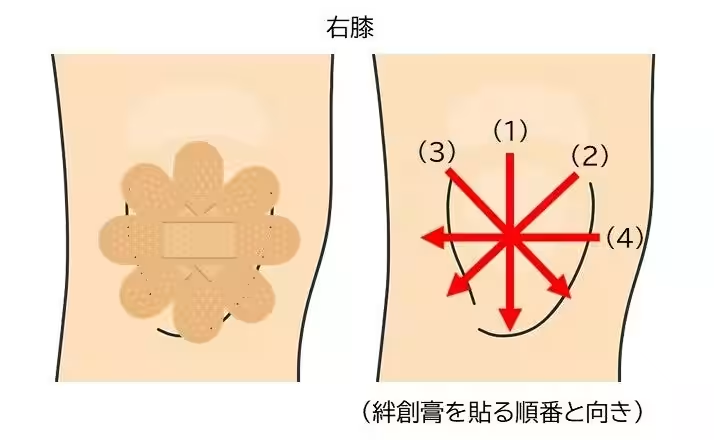
1. Sit with your knee slightly bent and apply the bandage over the center of the knee cap.
2. Carefully place additional bandages in a star shape around the knee to enhance muscle engagement.
Whether you're dealing with knee pain or aiming to prevent it, these simple self-care methods can be incorporated into your daily routine, promoting better knee health and overall wellness.
About Yasuhiro Yamauchi
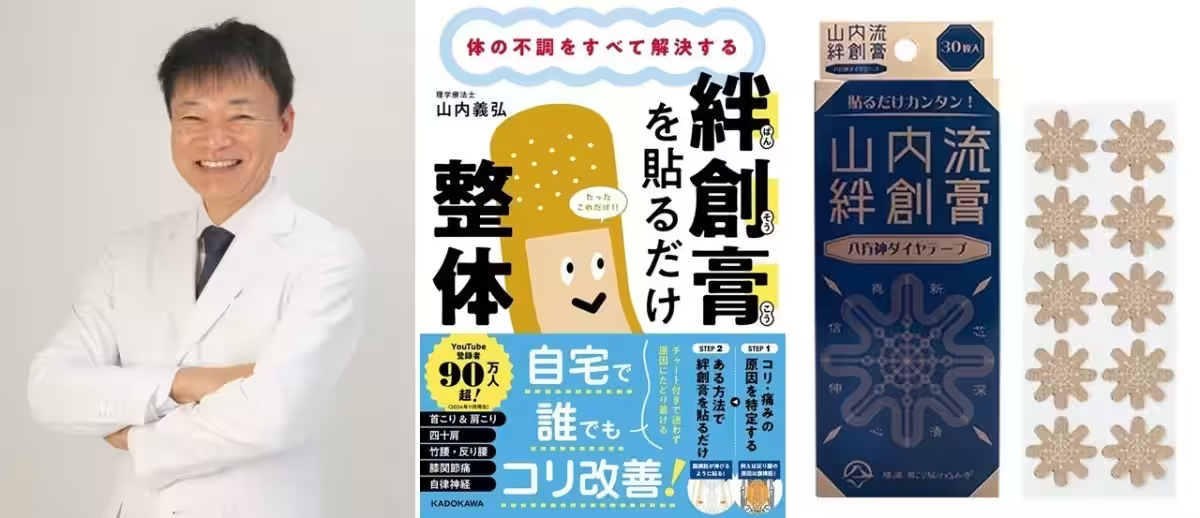
Born in Nagoya in 1970, Yasuhiro Yamauchi is a licensed physical therapist with over 20 years of experience. He has treated over 25,000 cases, helping countless patients avoid unnecessary surgeries and medications. His mission is to provide accessible self-care solutions to improve quality of life. His new book, "Solving Physical Issues with Simple Band-aid Techniques," is set to release in December 2024. For more insights, check out his YouTube channel: 腰痛・肩こり駆け込み寺【山内義弘】.
Company Overview
- - Name: AKS Therapy Studio
- - Location: 8-14-9 Ginza, Chuo City, Tokyo, Japan, Suite 1101
- - CEO: Yasuhiro Yamauchi
- - Founded: October 2017
- - Business Focus: Education in physical therapy, sales of health equipment
- - Website: sekichukan.aks-therapy.co.jp
Topics Health)
【About Using Articles】
You can freely use the title and article content by linking to the page where the article is posted.
※ Images cannot be used.
【About Links】
Links are free to use.