



The Karatsu Beekeeping Project: An Inspiring Legacy of Students and Community
The Karatsu Beekeeping Project: A Bridge Between Generations
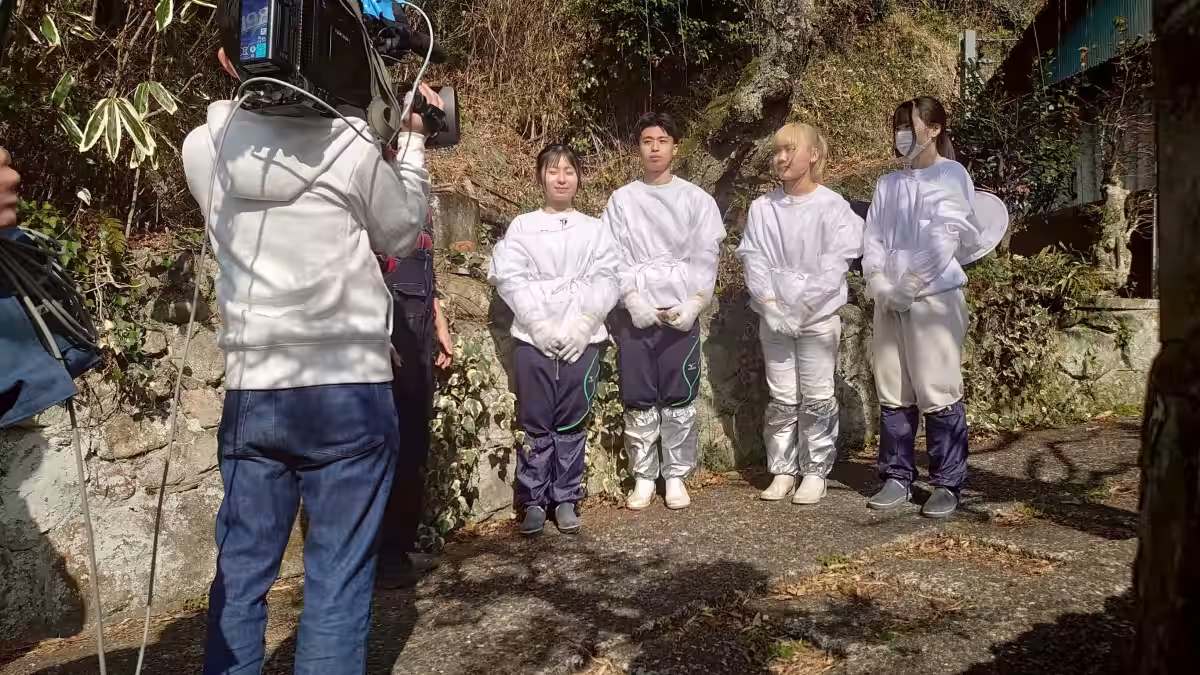
The recent broadcast of the Karatsu Beekeeping Project on April 7, 2026, by Fukuoka Broadcasting System (FBS) highlights the impactful collaboration between students and residents in the town of Karatsu, Saga Prefecture. This initiative, supported by the NPO Karatsu Farm & Food, features high school students cultivating native Japanese honeybees, resulting in a heartwarming and enriching experience that reinforces community ties.
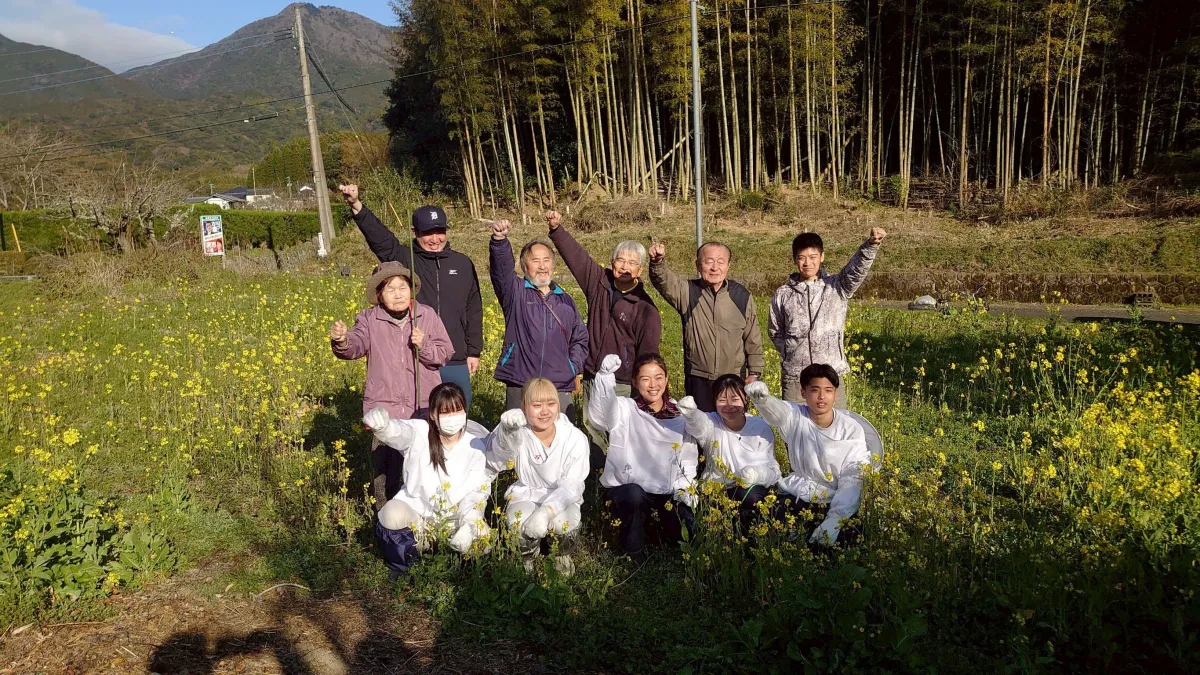
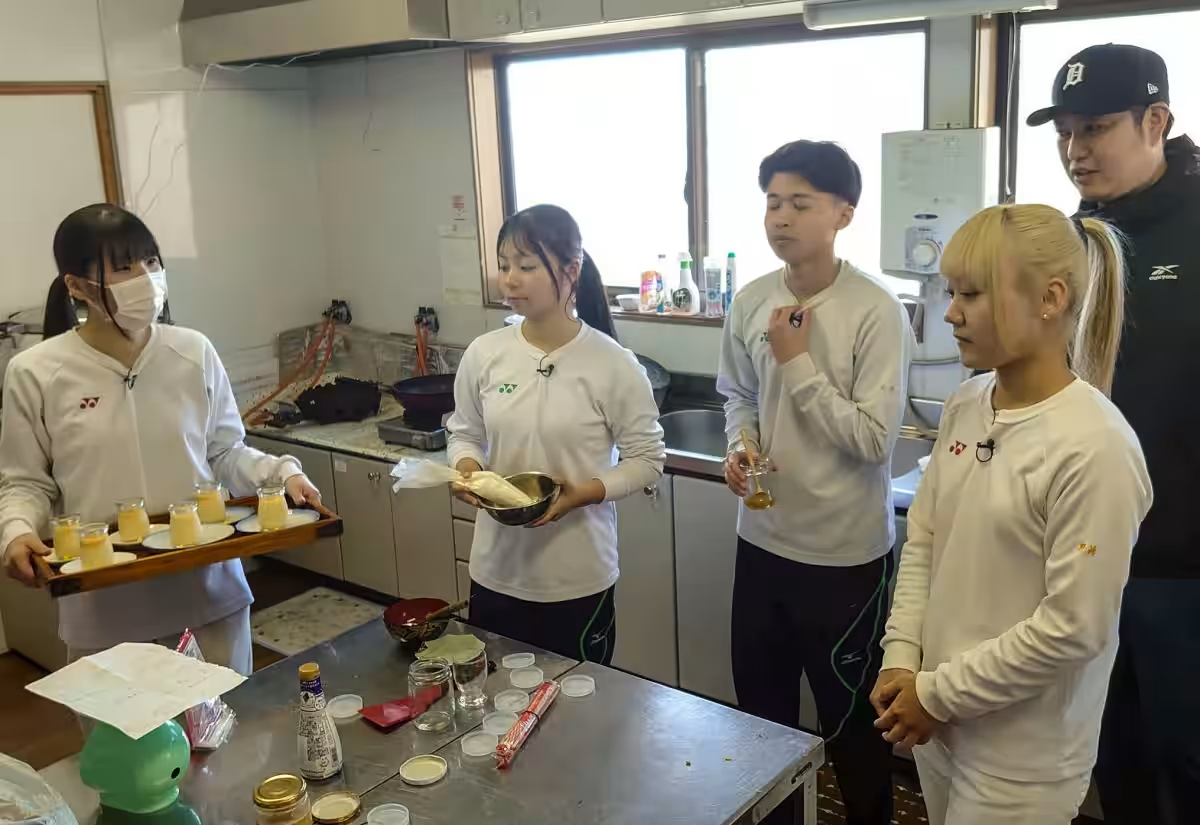
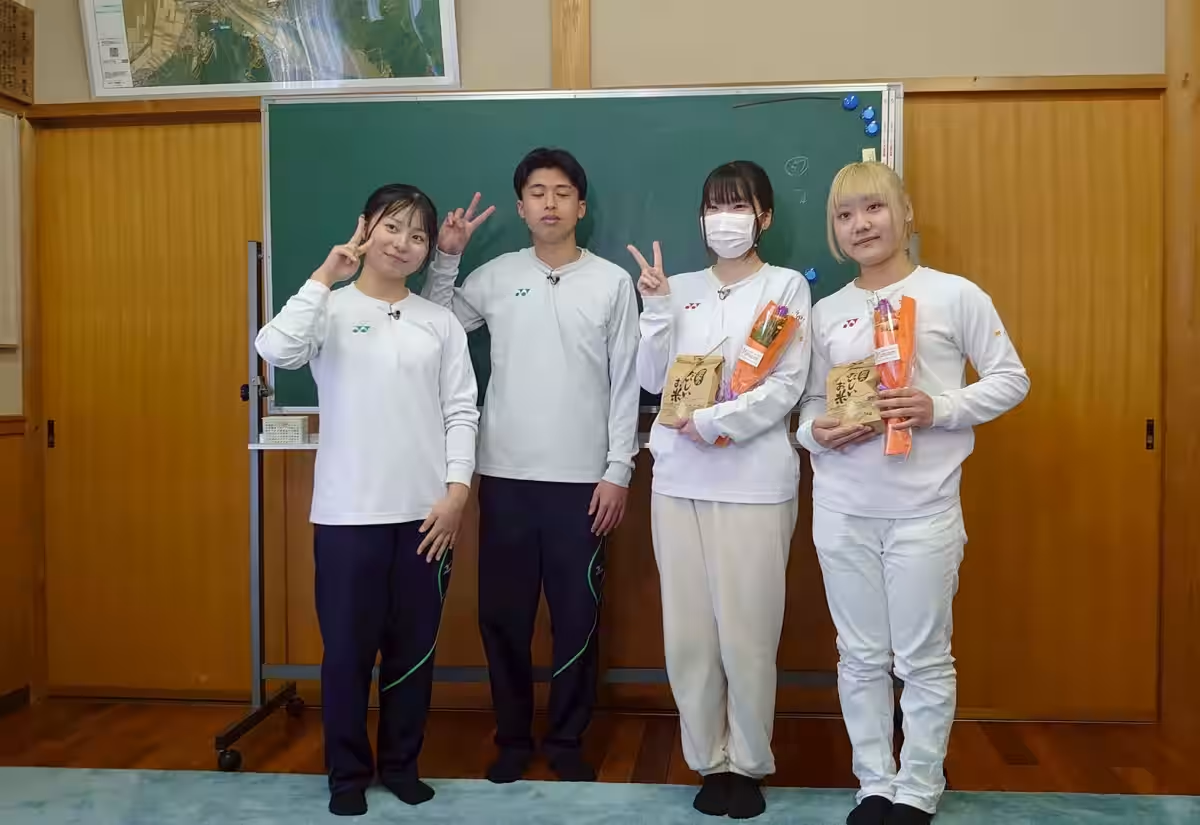
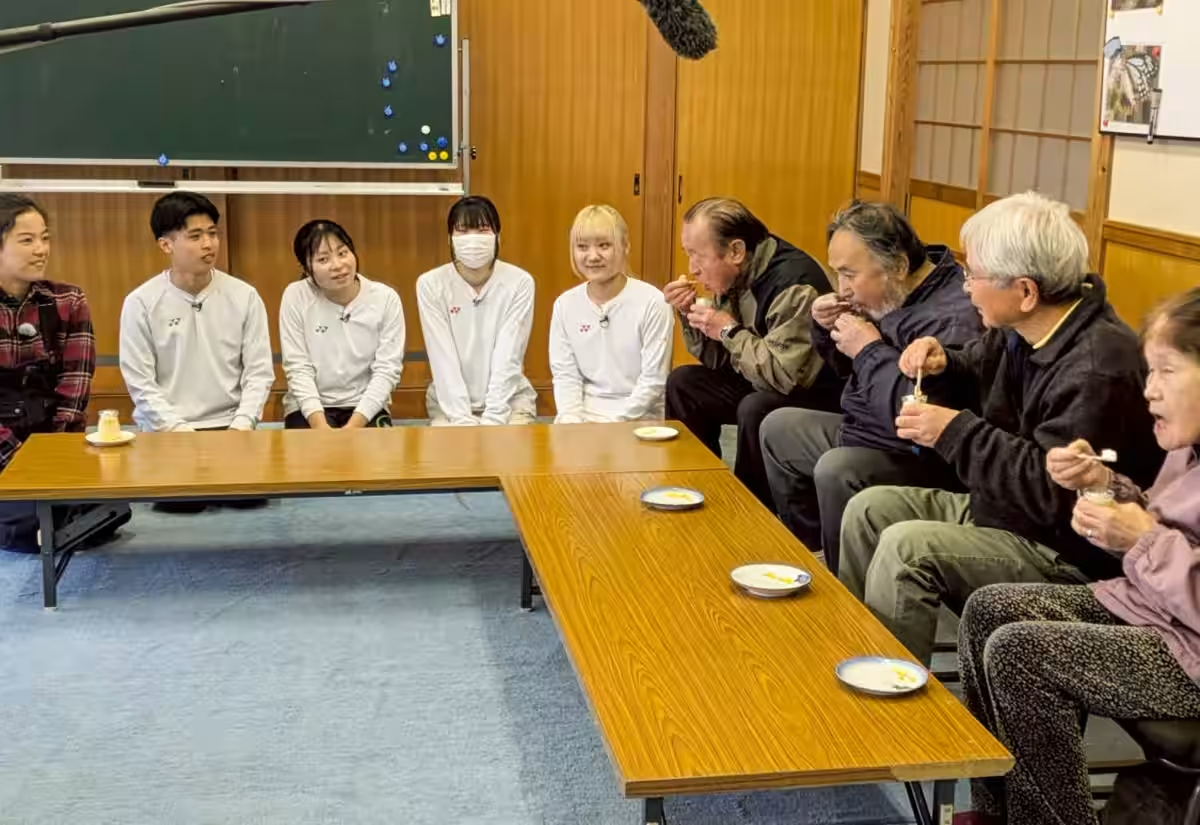
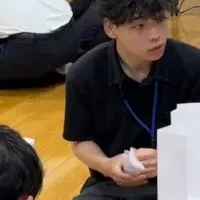
On March 14, 2026, the scene was set at Yokomaku Farm when two graduates from Karatsu Minami High School reunited with two underclassmen. The graduates had meticulously nurtured these native honeybees, and the underclassmen used their honey to create delicious honey pudding for four local residents. The moment the residents tasted the pudding, their delighted exclamations of “Delicious!” echoed the success of this intergenerational collaboration.
The significance of this project resonates beyond taste; the local community’s involvement is demonstrated through the heartfelt words of the district head: “We must protect the nature of Yokomaku.” This statement reinforces the idea that the students' efforts are firmly rooted in their local environment.
In an added celebration during this event, one of the graduates, Natsuki, received the top prize at the National Agricultural High School Essay Contest. Her award-winning essay, titled “Envisioning a Beautiful Future for Yokomaku,” reflects her commitment to the environment that she has exemplified throughout her studies. Her dedication shone through, especially as she and her peers exchanged heartfelt surprises, including bouquets of flowers, blending smiles and tears.
Even more memorable was one graduate's bold decision to dye her hair “honey color” to commemorate this occasion, infusing a playful spirit into the ceremony.
Understanding the Japanese Honeybee: An Indicator of Biodiversity
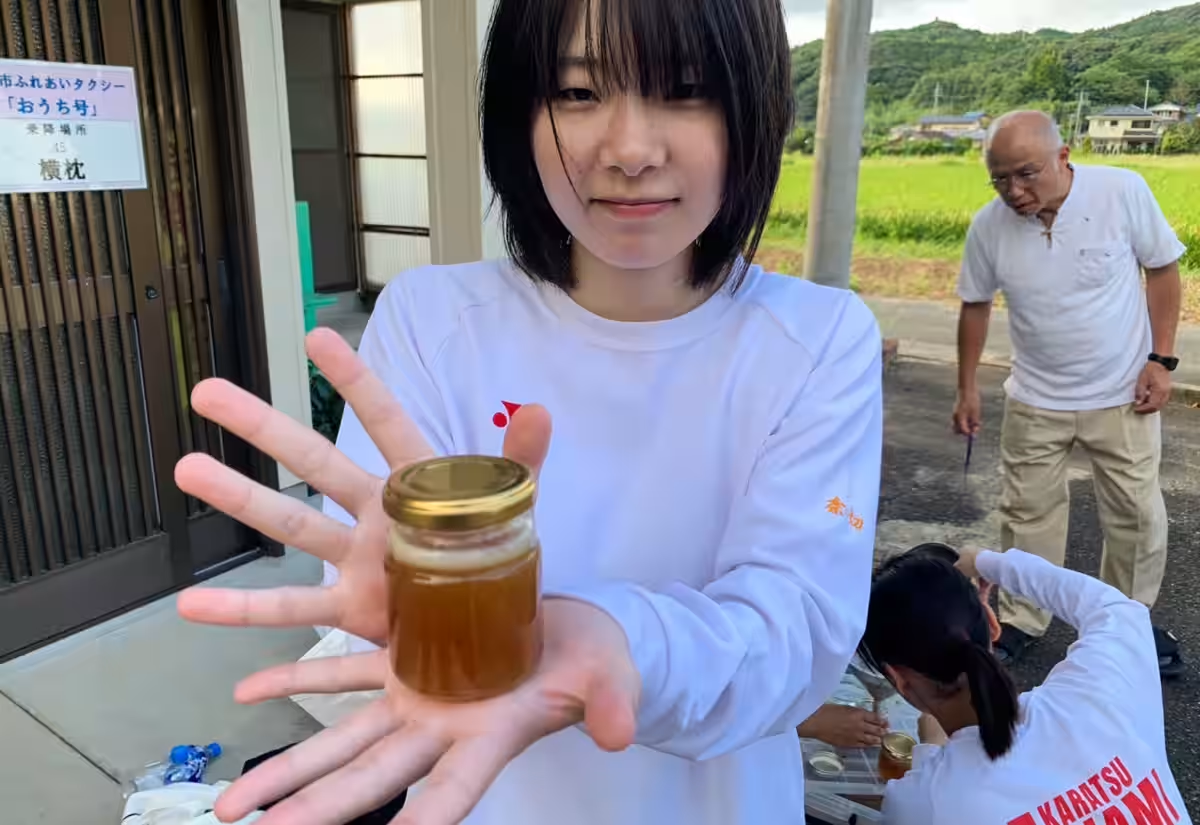
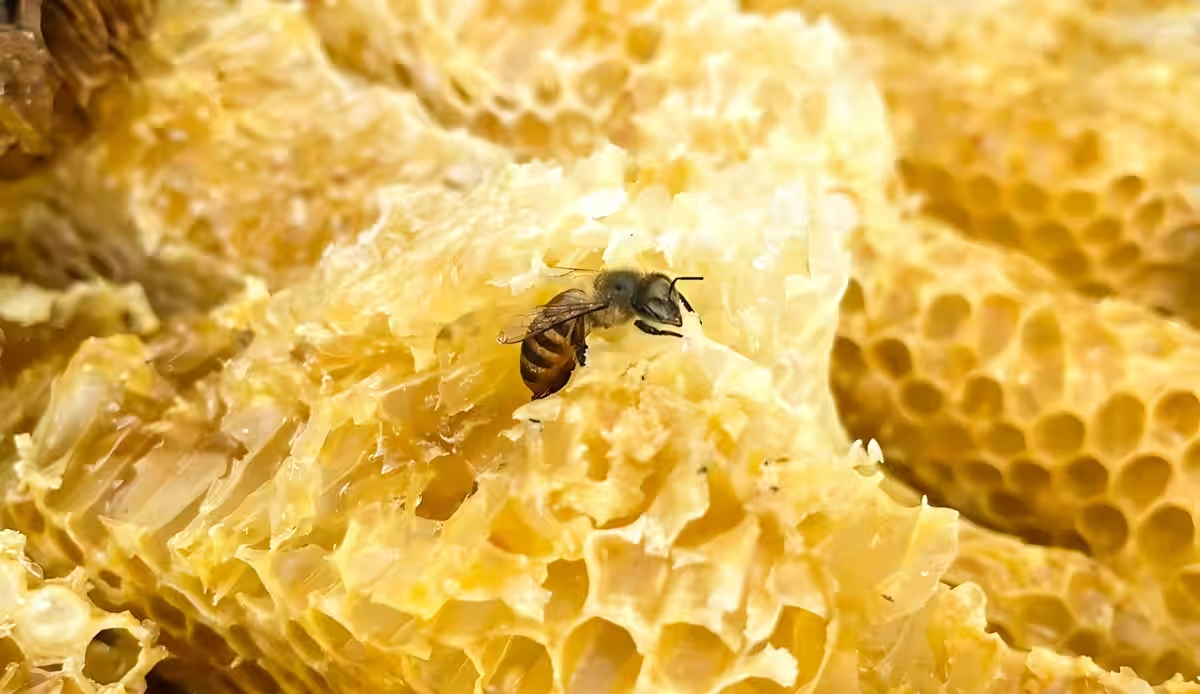
The Japanese honeybee (Apis cerana japonica) is not just another bee; it is a barometer for environmental health, being particularly sensitive to pesticides and ecological changes. Protecting its habitat is crucial for maintaining the region's biodiversity. The Yokomaku Farm, managed by Karatsu Farm & Food, has been designated as a Nature Conservation site by Japan’s Ministry of the Environment, emphasizing its role in promoting nature-positive initiatives.
A Vision for Sustainable Education and Community Development
The future of the Karatsu Beekeeping Project is promising. Starting this year, graduates from Karatsu Minami High School are returning to the area as educators after completing their studies at university. This cycle of learning and mentorship signifies a sustainable development in education (ESD) deeply rooted in the community. As former students become teachers, they will perpetuate this legacy and foster the growth of future generations.
As they witness the commitment of their roles, the volunteers from Karatsu Farm & Food underscore: “Through the Karatsu Beekeeping Project, we see education for sustainable development flourishing in our community.”
Emphasizing Local Efforts and Education
The Karatsu Beekeeping Project aims to educate students about the importance of nurturing and preserving local ecosystems through the breeding and management of native honeybees. The initiative highlights the interconnectedness of agriculture, education, and environmental sustainability, setting a precedent for engaging community participation.
The project culminated in a special broadcast: Mirai no Aguri ☆ Star, aired on April 7, 2026, from 11:23 am to 11:30 am, covering regions such as Fukuoka, Saga, Oita, Kumamoto, and Nagasaki. This exposure promises to inspire other communities while showcasing the innovative spirit of Karatsu.
About Karatsu Farm & Food
The organization's dedication to biodiversity conservation and environmental education defines its mission. Founded in November 2020 and led by Representative Director Nozomi Hamaguchi, Karatsu Farm & Food not only aims to promote a circular economy but also embodies a move toward sustainable practices at a community level. Its initiatives remind us that collective actions can echo for generations to come.
- - Website: Karatsu Farm & Food
- - Instagram: @preciousplastic_karatsu
In conclusion, the Karatsu Beekeeping Project stands as a testament to what can be achieved when students, educators, and community members unite for a common cause: nurturing the environment while cultivating a sense of shared responsibility.
Topics People & Culture)


【About Using Articles】
You can freely use the title and article content by linking to the page where the article is posted.
※ Images cannot be used.
【About Links】
Links are free to use.