




Doda's Latest AI Utilization Survey Reveals Shifts in Talent Strategy
Doda's AI Utilization and Talent Strategy Report
Doda, operated by Persol Career, has published the second report titled "AI Introduction and Utilization alongside Employee Development and Evaluation" as part of its extensive survey targeting HR and recruitment personnel from companies employing over 500 staff members. The survey was conducted in February 2026 and involved 515 HR representatives from various industries leveraging AI tools. This report sheds light on the integration of AI in workplace strategies, focusing on AI adoption and the resulting necessity for skill development and performance evaluation.
Overview of Key Findings
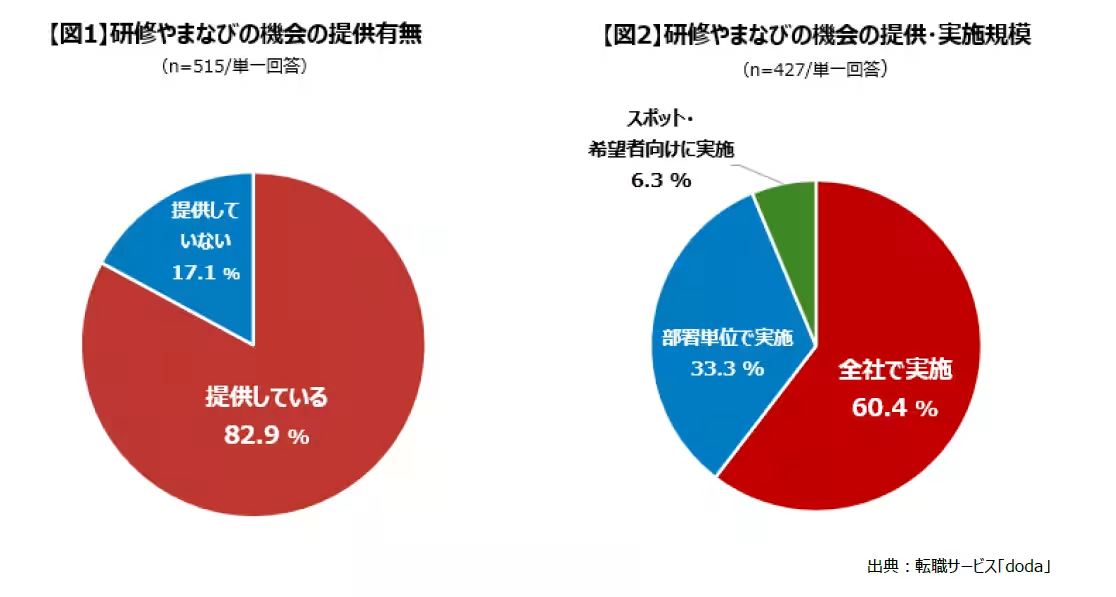
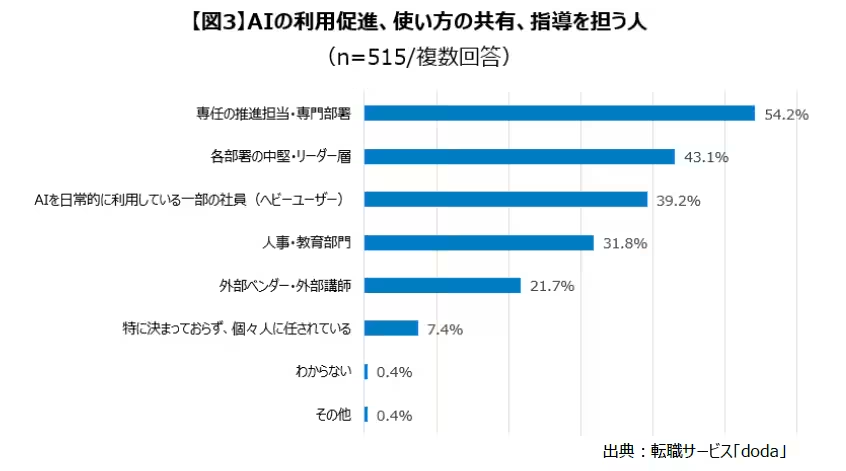
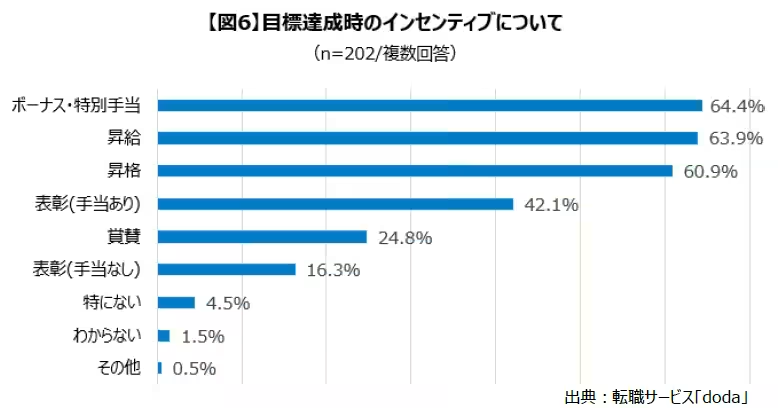
A notable 82.9% of companies implementing AI tools provide their employees with training opportunities to enhance their AI literacy. Furthermore, half of the participants reported that the guidance and promotion of AI tools within the organization were managed by dedicated departments. Additionally, the report highlighted that nearly 70% of firms established clear definitions for the skill levels in AI utilization, with around 60% including these metrics in their employee evaluation criteria. Incentives such as bonuses and promotions were commonly tied to the achievement of AI competency.
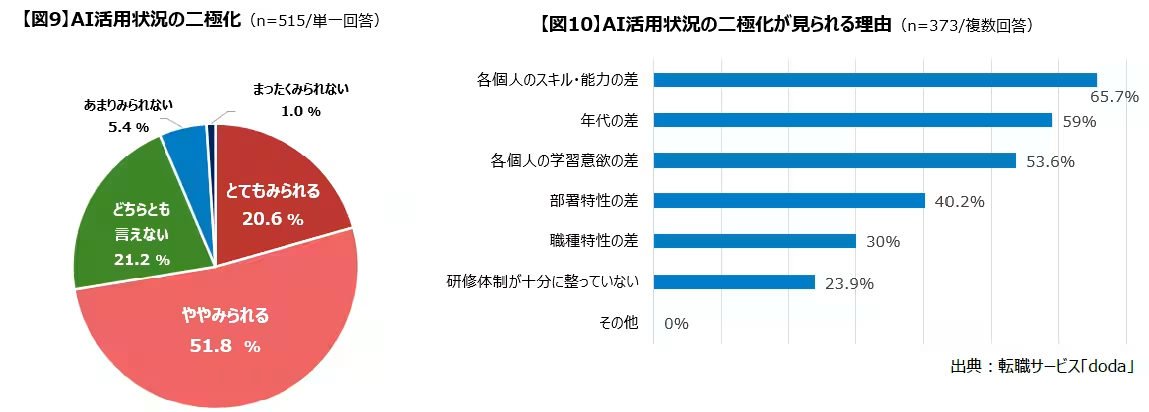
Approximately 80% of respondents believed there was a direct correlation between AI skills and job performance, suggesting that organizations view AI literacy as pivotal for enhancing operational efficiency. However, challenges surfaced as over 70% of companies acknowledged a pronounced disparity between employees who effectively utilize AI tools and those who do not, underlining the individual variance in skills, age, and motivation to learn.
In the first portion of this study, which was released in March, significant shifts in the requisite characteristics of employees owing to AI utilization were explored. These shifts refer to evolving expectations for mid-career hiring, alterations in duties expected from younger staff, and the challenges faced when advocating for the adoption of AI.
Training and Support Initiatives
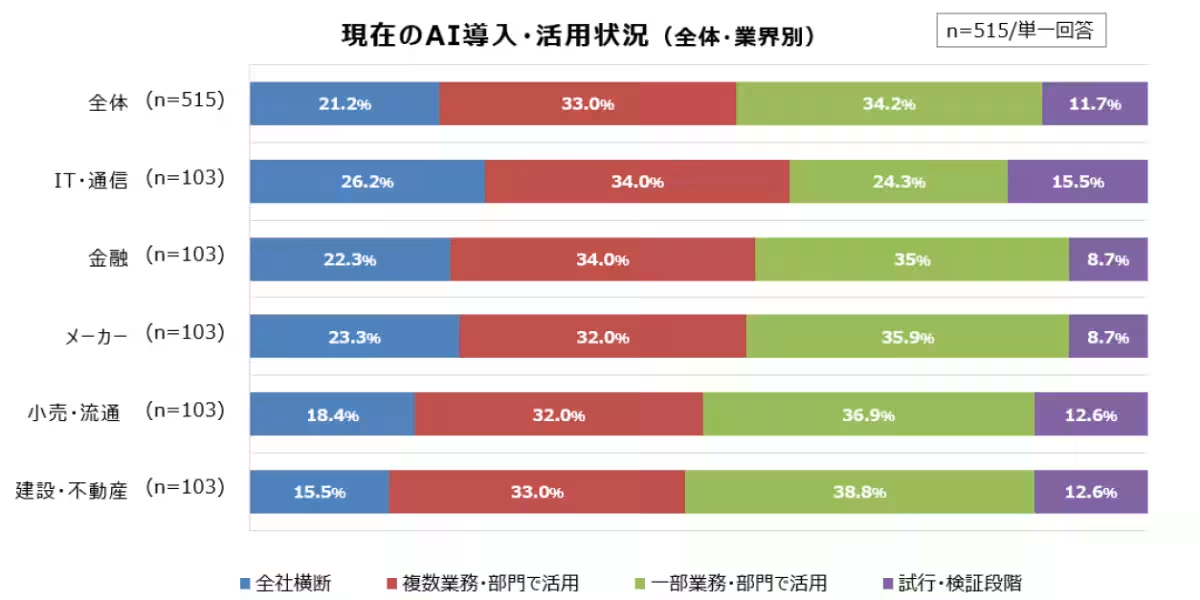
The majority of enterprises (60.4%) provide company-wide training sessions, while 33.3% conduct departmental trainings and 6.3% cater to volunteers or specific interests. Dedicated departments, identified in 54.2% of organizations, are instrumental in helping employees familiarize themselves with AI technologies. There is a clear trend that those companies which fully embrace AI utilization across their operations engage more comprehensively in training and development initiatives.
Skill Definition and Evaluation
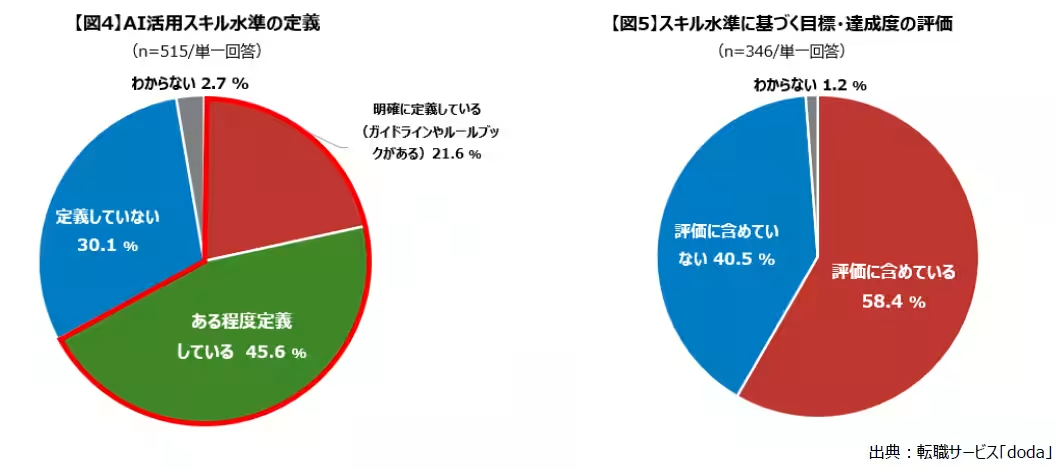
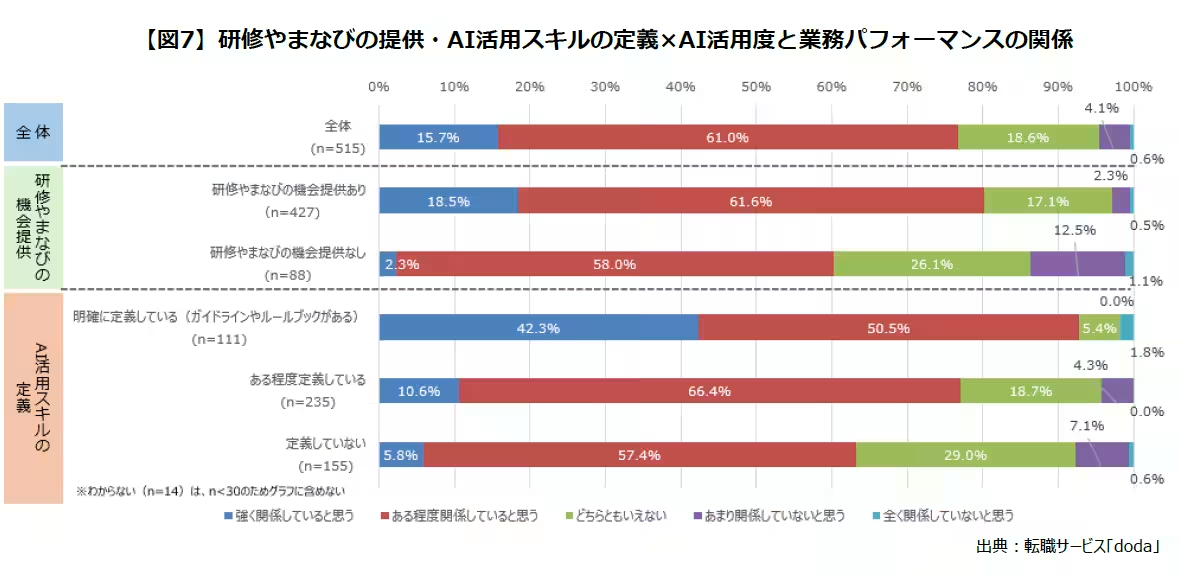
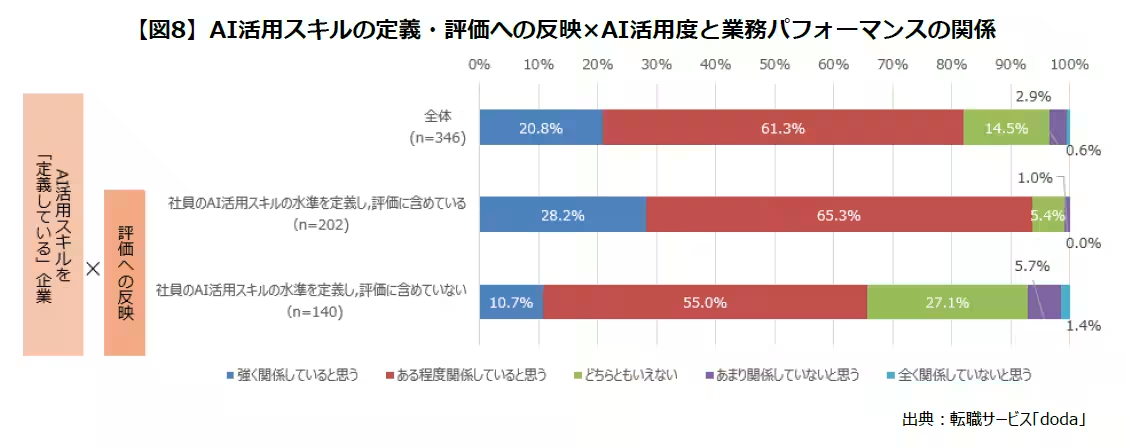
To benchmark AI skills, about 67.2% of companies have adopted precise definitions, with 58.4% incorporating these skills into performance reviews. Interestingly, 94.1% of companies with skill assessments offer some form of incentive to encourage AI proficiency, predominantly in the shape of bonuses, raises, and promotions.
Performance Insights and Future Implications
There is a significant belief among participants (76.7%) that there is a connection between the level of AI utilization and overall performance. Organizations that have integrated training and evaluation criteria report stronger links between AI proficiency and productivity.
However, a clear divide remains, with a large number of firms reporting a stark contrast in AI proficiency among employees. It appears that personal factors, including intrinsic motivation and willingness to learn, play substantial roles in this divergence.
Addressing the Challenges Ahead
As highlighted by the editor of Doda, Takafumi Sakurai, there is an increasing expectation for talent possessing demonstrated experience in AI application across organizations. The survey results suggest that while there is progress in AI integration, the disparity among employees indicates that tailored strategies are needed to address skill gaps.
Moving forward, companies must not only focus on providing training and defining evaluation systems but also consider ways to leverage successful AI implementations to share knowledge effectively within the organization. The ability to articulate how individuals have created value with AI tools will increasingly define career trajectories for job seekers.
In conclusion, Doda's survey emphasizes the critical intersection of AI utilization and employee performance, shedding light on both the effectiveness of current strategies and highlighting areas for growth. The evolution of workplace dynamics due to AI continues to unfold, and proactive engagement in training and development is more crucial than ever.


Topics People & Culture)









【About Using Articles】
You can freely use the title and article content by linking to the page where the article is posted.
※ Images cannot be used.
【About Links】
Links are free to use.