



Study Reveals Unexpected Medical Costs for New Parents in Japan
Introduction
A new study conducted by the Japan Cooperative Union has brought to light the unexpected medical expenses that new parents experience during the early years of their child's life. The findings reveal that over fifty percent of parents with children aged zero to two have incurred costs that were not covered by public assistance programs, which can lead to significant financial strain during a sensitive time. This article aims to discuss the findings of the survey, the implications for new parents, and the importance of early preparation for medical costs associated with having a child.
Survey Overview
Objectives and Methodology
The survey, titled "Unexpected Costs After Childbirth: 2025 Reality Check," targeted 400 parents between the ages of 18 and 49 who have had their first child aged zero to two years. Each participant had encountered medical expenses related to examinations, consultations, hospital stays, or surgeries following the birth of their first child. The primary aim was to shed light on the average medical expenses and related costs that parents faced, as well as their preparedness for unexpected expenses.
Key Findings
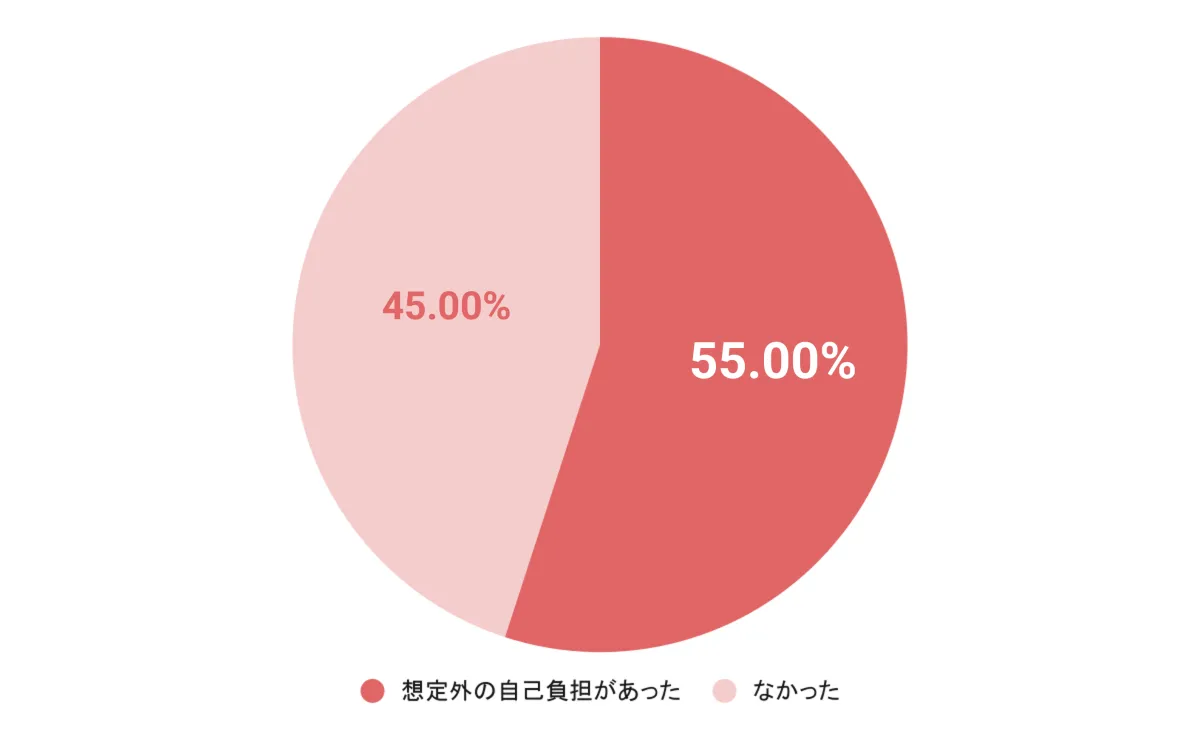
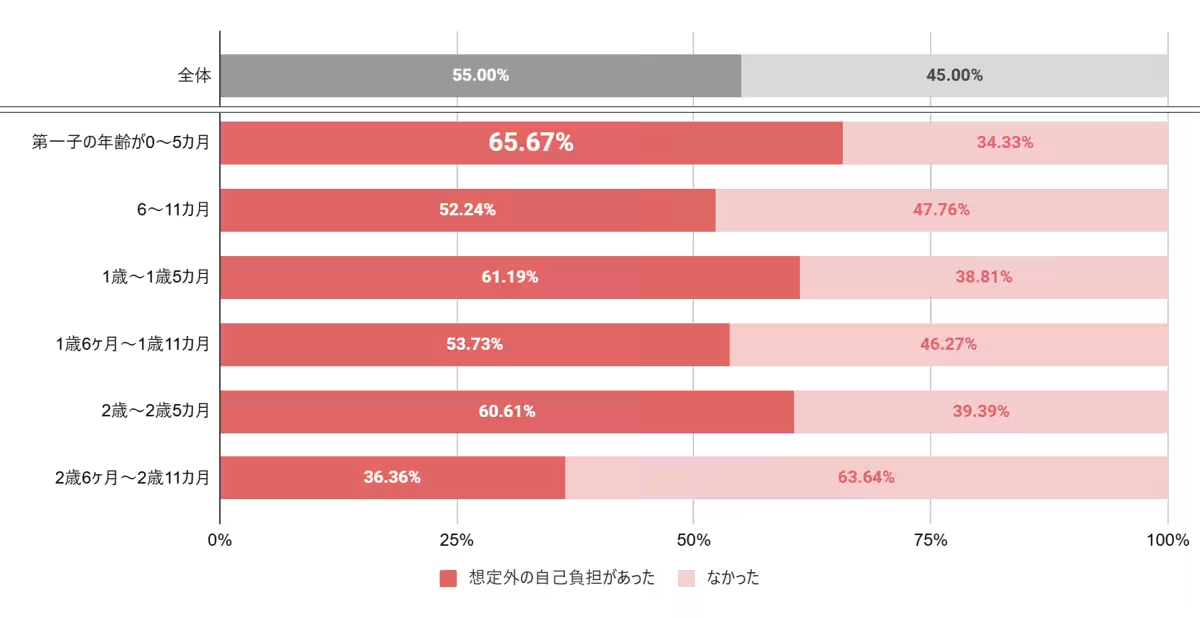
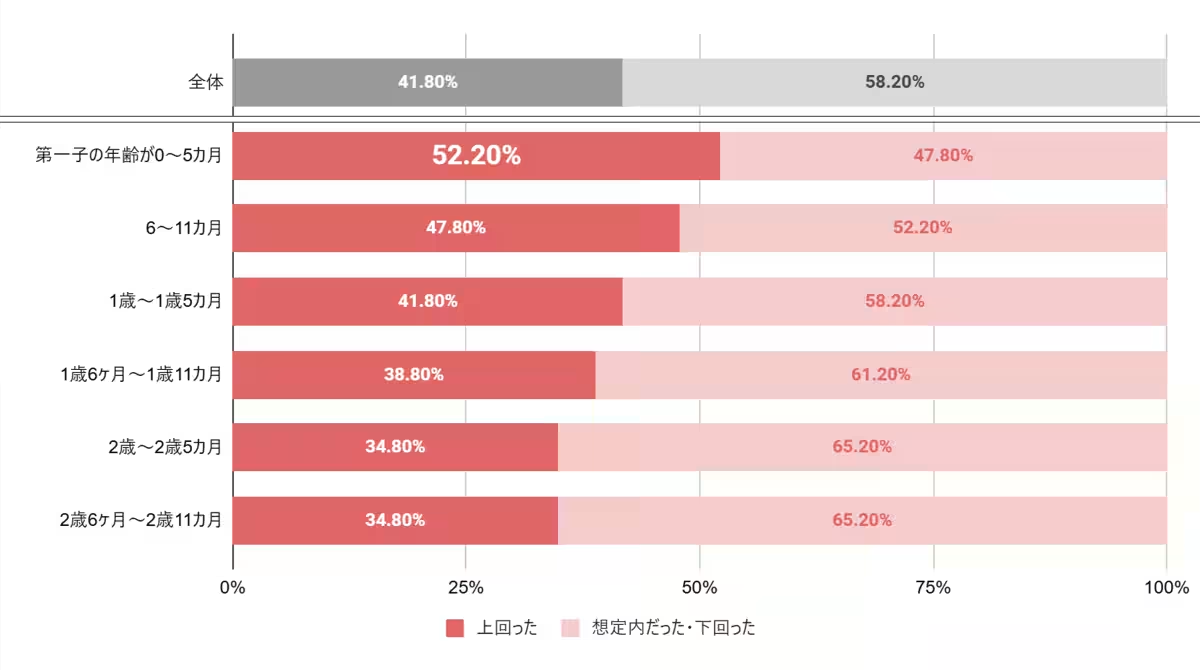
1. High Percentage of Uncovered Medical Costs: The study concluded that 55% of parents endured out-of-pocket medical costs not covered by state or local assistance. Moreover, 41.8% reported that medical expenses were higher than they had anticipated.
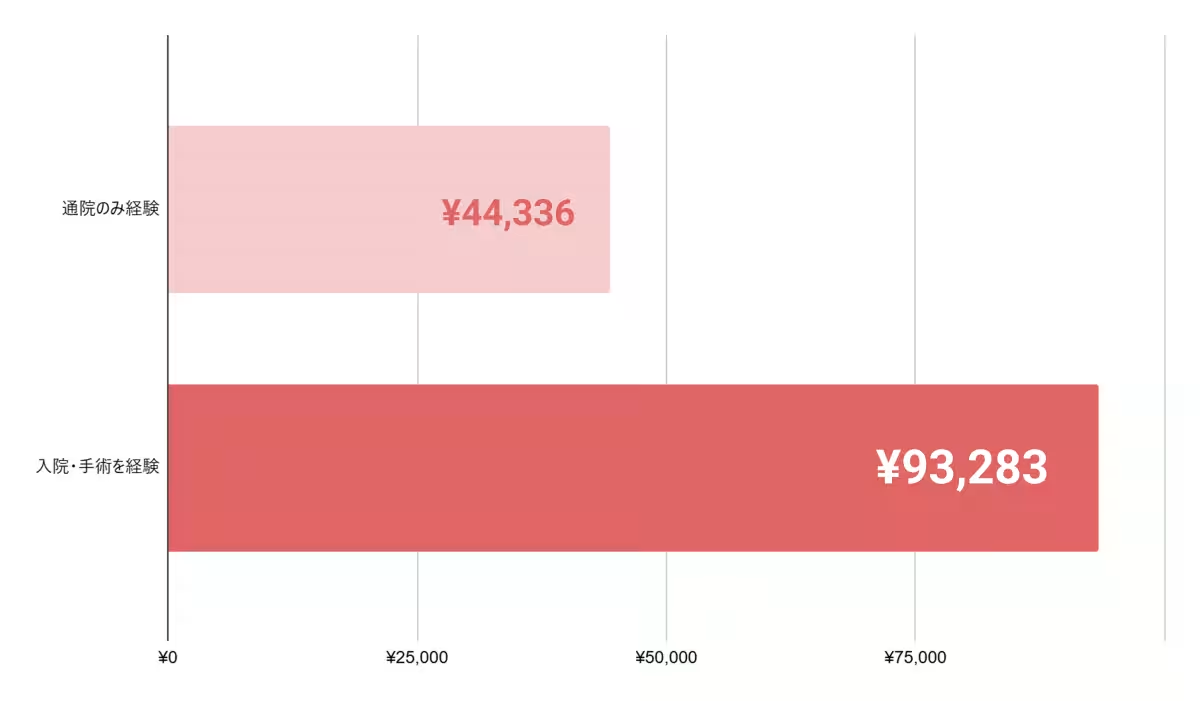
2. Average Unexpected Medical Costs: On average, parents who experienced hospitalizations or surgeries saw these unexpected medical costs tally up to approximately 93,000 yen. This weighty financial burden further underscores the significance of having comprehensive medical coverage.
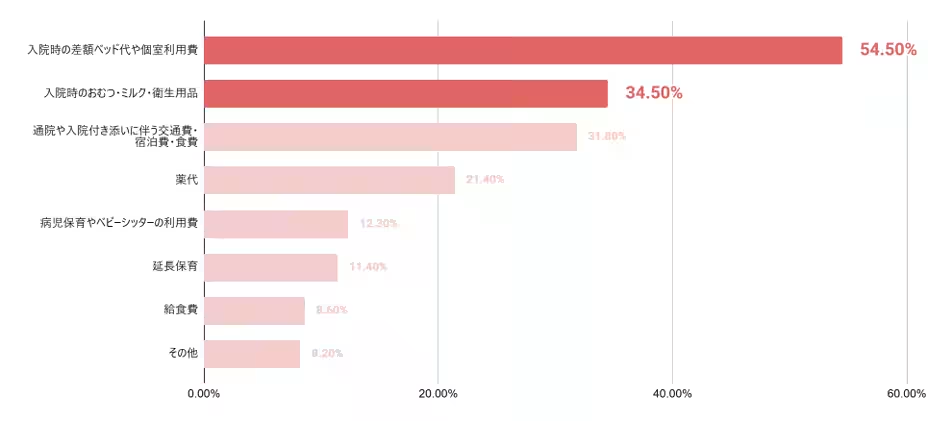
3. Nature of Additional Expenses: Although many costs are alleviated by public support, parents are often left to shoulder expenses related to private accommodations and necessary travel for daycare or medication, which frequently go unassisted.
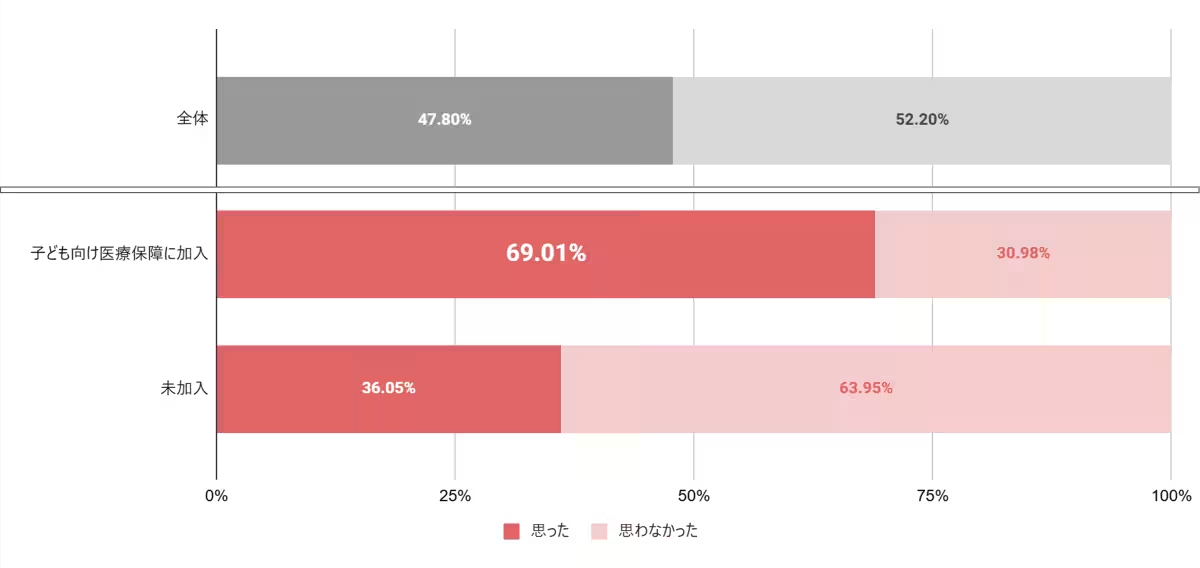
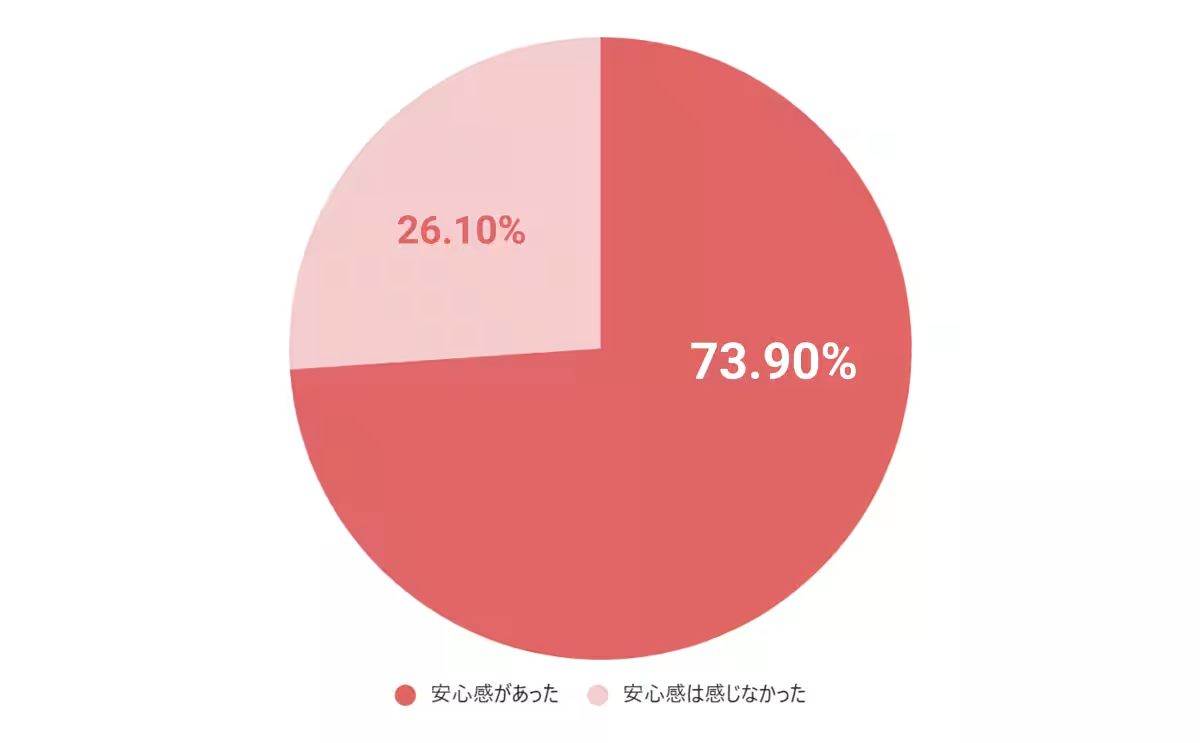
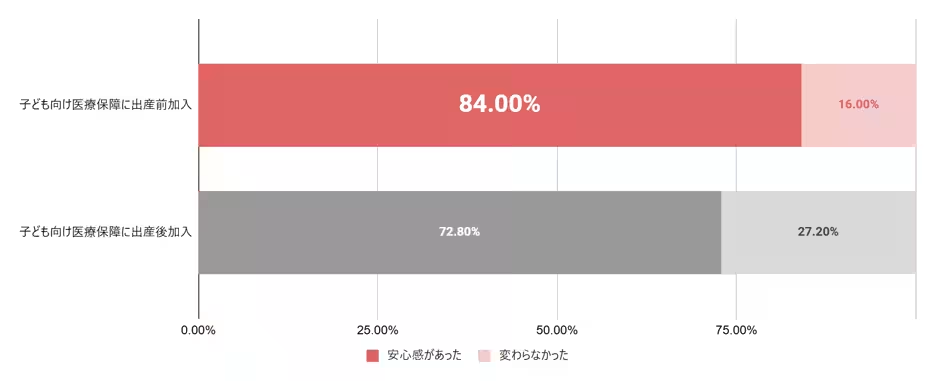
4. Need for Early Awareness: Nearly half of the surveyed parents expressed a desire to have known about available insurance or coverage options sooner—especially those who had engaged with child health insurance plans, suggesting a trend where awareness correlates with a greater sense of preparedness.
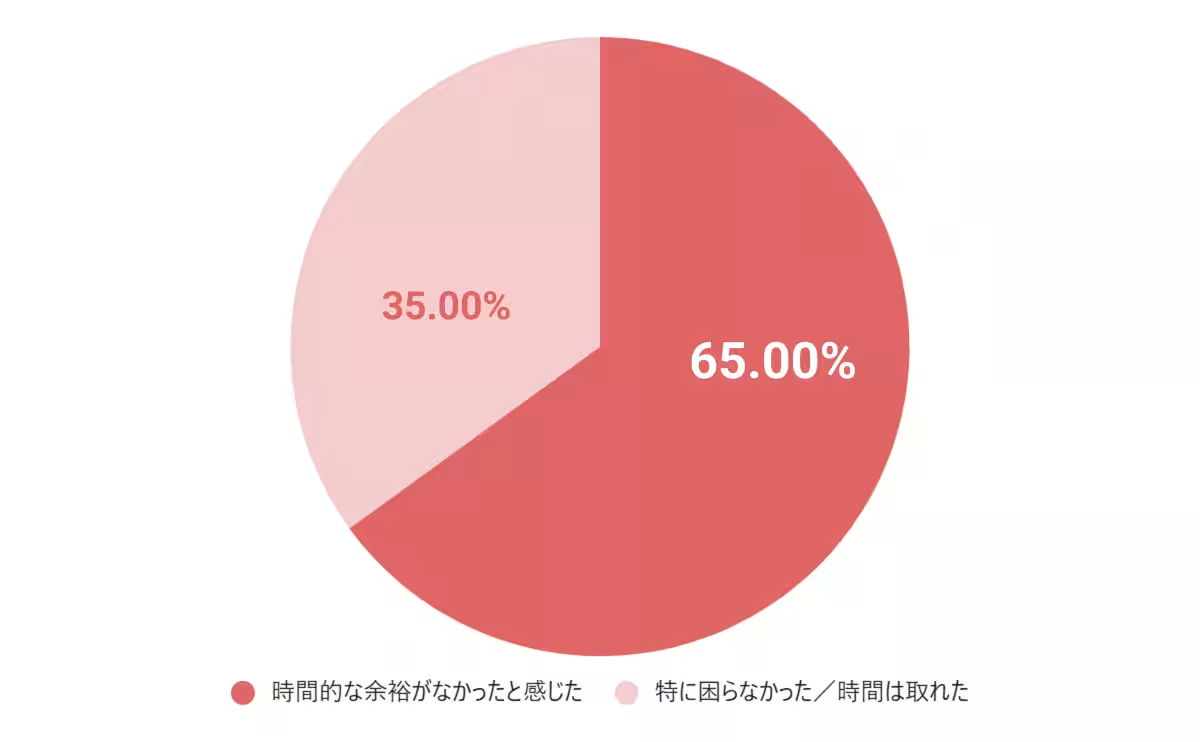
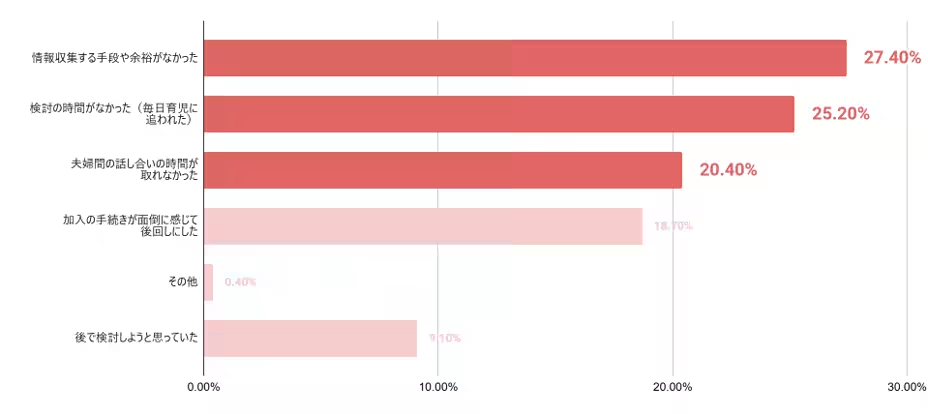
5. Challenges of Gather Information: A significant number of parents reported feeling overwhelmed post-birth, lacking the time or resources to seek out health insurance options. This emphasizes the need for prospective parents to begin their research and planning during pregnancy.
Conclusion
The insights garnered from this survey shine a light on the pressing need for enhanced awareness and proactive engagement with medical coverage options during pregnancy. By educating themselves early, parents can mitigate the financial challenges that may arise and ease some of the emotional strain associated with newborn care. The Japan Cooperative Union highlights their offering, the CO-OP Mutual Aid Program, which allows parents to enroll in coverage before the birth of their child—a step likely to benefit many as they navigate the complexities of healthcare in the early years of parenthood.
About CO-OP Mutual Aid
The Japan Cooperative Union provides the CO-OP Mutual Aid program, which is accessible to expectant parents and aims to deliver peace of mind before and after childbirth. With affordable premium options and ease of application online, it showcases how early planning can lead to significant benefits for new parents.

Topics Health)
【About Using Articles】
You can freely use the title and article content by linking to the page where the article is posted.
※ Images cannot be used.
【About Links】
Links are free to use.