



Delaying Awareness of Back Pain: A Study on Patient Reactions and Responses
Understanding Delayed Awareness of Back Pain
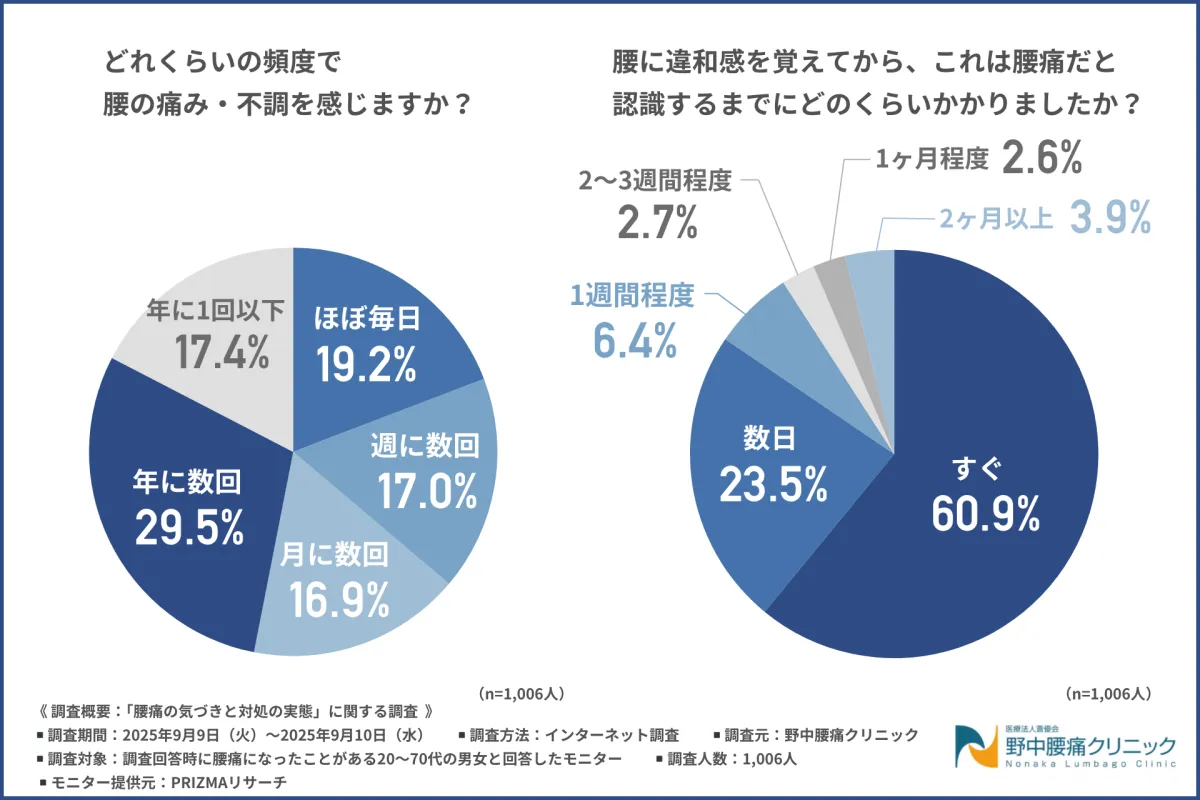
Recent research conducted by Nonaka Back Pain Clinic reveals a concerning trend: approximately 40% of individuals who have experienced back pain took several days before recognizing it. This study sheds light on the behaviors and awareness levels among adults aged 20 to 70 who have encountered this ailment. The survey was carried out from September 9-10, 2025, encompassing over 1,000 participants.
Common Triggers for Back Pain
Many respondents reported that they often become aware of their back pain during routine activities. For instance, simple actions like getting up after sitting for extended periods or lifting heavy objects were common triggers for their discomfort. The findings indicate that back pain frequently emerges not from unusual or strenuous activities, but rather from everyday movements that can easily be overlooked.
Frequency of Back Pain Recognition
The survey results revealed that over 60% of respondents recognized their discomfort as back pain immediately. However, a notable percentage took longer, with some waiting several days or even weeks before acknowledging their symptoms. This delayed recognition is a critical finding, as it often leads to worse outcomes and prolonged suffering if not addressed promptly.
Reasons for Delayed Awareness
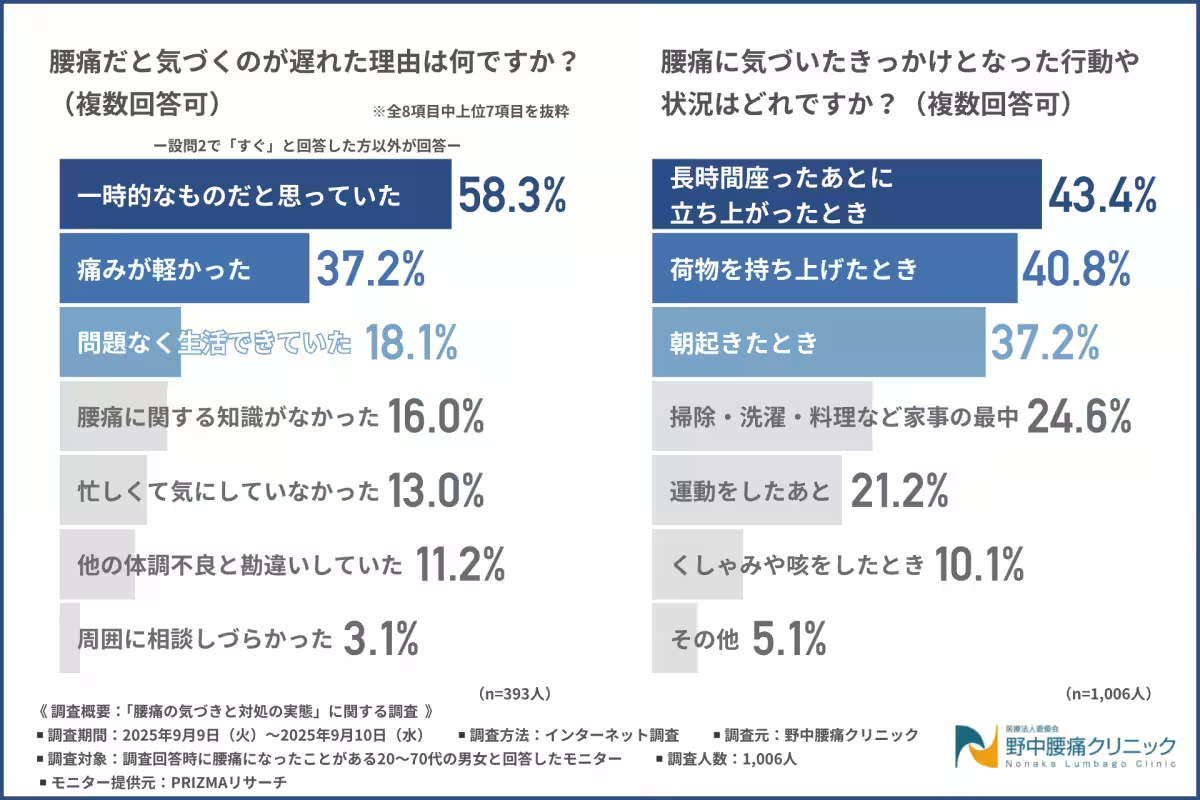
Those who delayed recognition often believed their discomfort was temporary, with 58.3% citing this as a common reason for their postponement in addressing their pain. Moreover, many reported that they were experiencing only mild discomfort, which led them to believe that they could likely just wait it out. This tendency to minimize symptoms, combined with the perception of being able to cope with the pain, may lead to a cycle of worsening pain and neglect.
Actions Contributing to Back Pain Awareness
When asked what actions or situations led them to finally acknowledge their back pain, 43.4% indicated that it occurred after standing up from a long sit. Other common realizations occurred after lifting heavy items or even upon waking up. This indicates that simple posture changes and physical activity related to routine tasks are significant contributors to their understanding of back pain.
Initial Recommendations and Responses
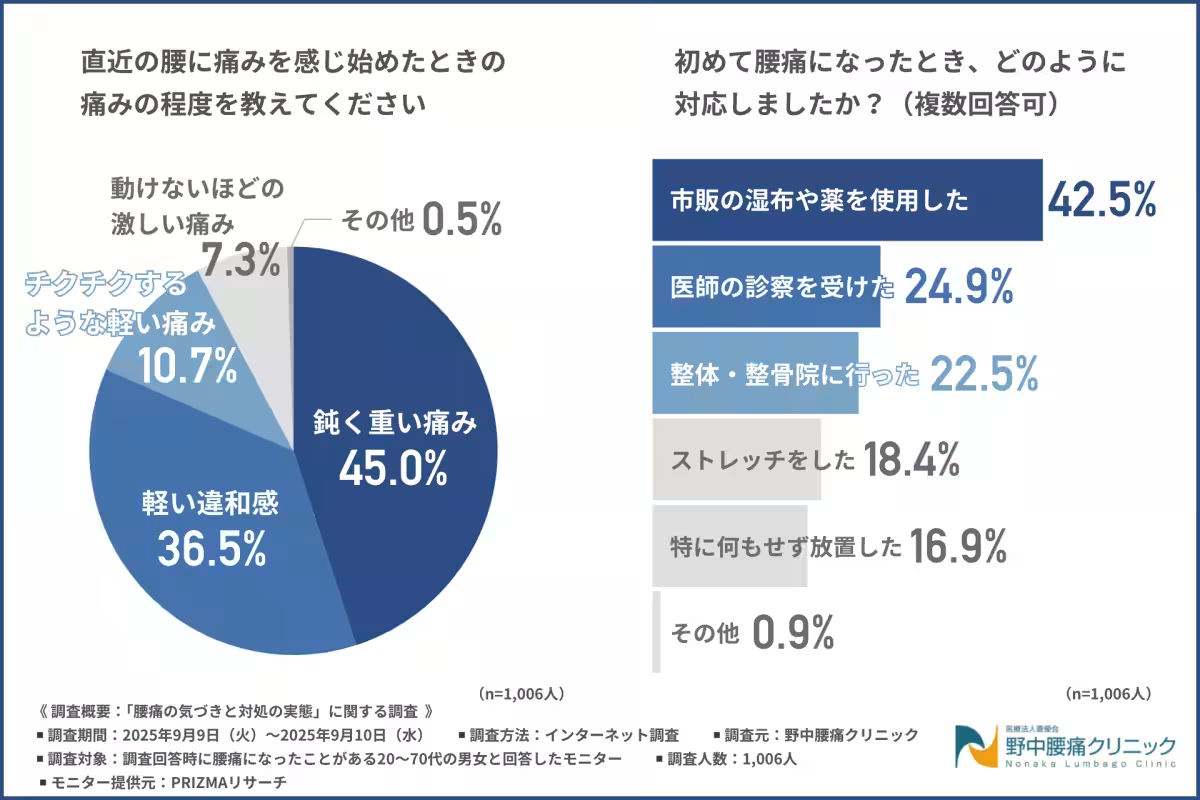
Interestingly, when participants began to feel pain for the first time, a significant portion turned to over-the-counter medications or topical patches as their initial treatment method. While 42.5% relied on these self-medicating strategies, about a quarter sought medical advice from professionals, showing a varying degree of concern regarding their symptoms. Additionally, some individuals opted for non-specialist alternatives like physical therapy, demonstrating differing attitudes towards professional healthcare.
The Impact of Daily Habits on Back Pain
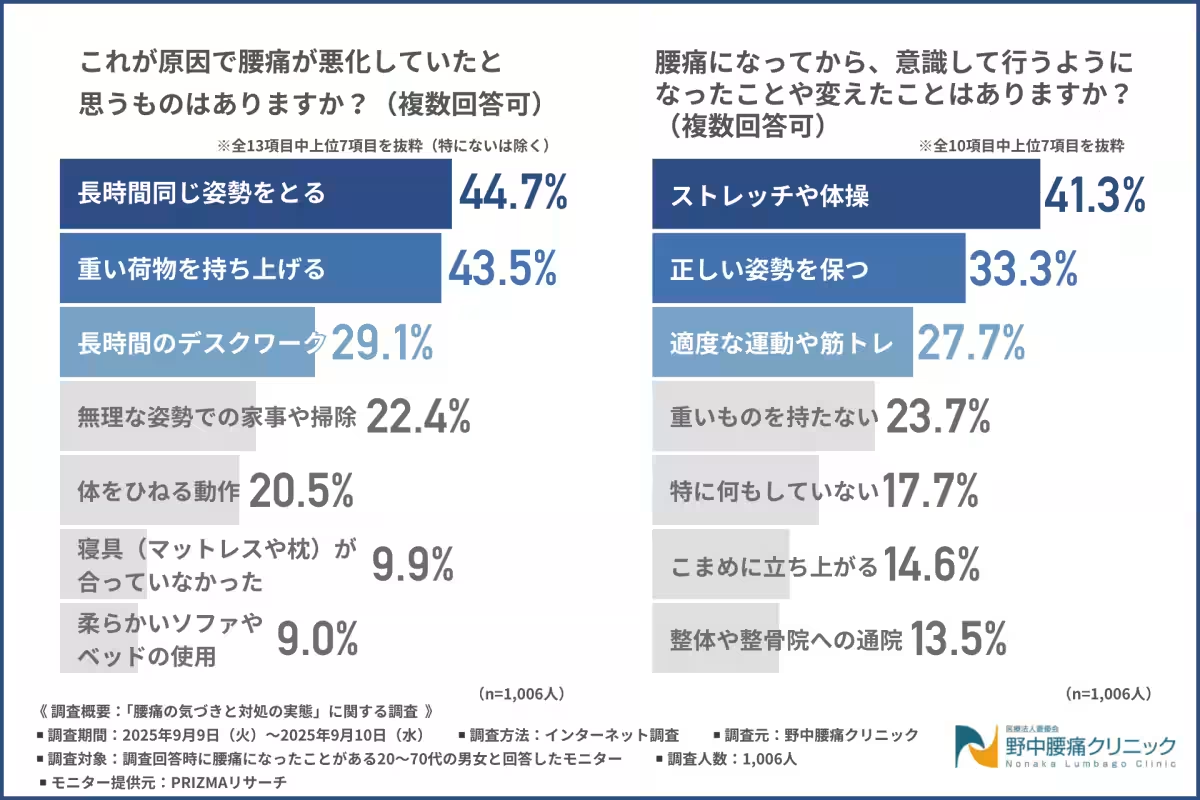
The research also pointed to environmental factors contributing to back pain. A staggering 44.7% of respondents identified that maintaining the same posture for extended periods is a major cause of their discomfort. This is particularly relevant for individuals who spend long hours working at desks or in similar positions. Interestingly, respondents also reported that behaviors such as sitting too long or improper lifting techniques play substantial roles in exacerbating their back pain conditions.
Advocating for Awareness and Prevention
The implications of this study are profound, particularly regarding public health. Back pain is not merely a personal issue but also a widespread concern impacting families and communities alike. With the nature of modern work and lifestyle habits promoting prolonged inactivity, the potential for awareness and preventive strategies cannot be overstated. Families and employers can benefit from open discussions about back pain and share coping strategies, turning the focus towards proactive health management.
Conclusion
In summary, this study reveals a compelling narrative surrounding back pain awareness and management. The findings underline the necessity for early recognition and intervention, stressing the importance of addressing symptoms promptly to avoid severe repercussions. By fostering a culture of health consciousness and encouraging timely medical consultations, we can transform personal health challenges into discussions that benefit the community. Overall, understanding the nuances of back pain serves as a critical first step in improving individual and societal health outcomes.


Topics Health)
【About Using Articles】
You can freely use the title and article content by linking to the page where the article is posted.
※ Images cannot be used.
【About Links】
Links are free to use.