



The Pitfalls of Digital Transformation in SMEs: Insights from Research
The Pitfalls of Digital Transformation in SMEs
In recent years, many businesses have embarked on digital transformation projects aimed at improving operational efficiency and strengthening competitive advantage. However, this shift has not been universally effective, particularly in the case of small and medium-sized enterprises (SMEs).
Current State of Digital Transformation in SMEs
A survey conducted by SMB Corporation, based in Aichi Prefecture, focused on the challenges faced by SMEs in promoting digital transformation (DX). The results of this survey shed light on the current landscape of DX implementation, revealing a concerning trend: almost half of the respondents indicated that their companies were not making significant progress in DX.
The survey, which involved 1,008 business executives, managers, and stakeholders, highlighted that a notable number of participants felt overwhelmed. Responses indicated that many do not know how to initiate DX effectively or facilitate the adoption of digital tools that may not align with their current operations.
Survey Results: Progress of Digital Transformation
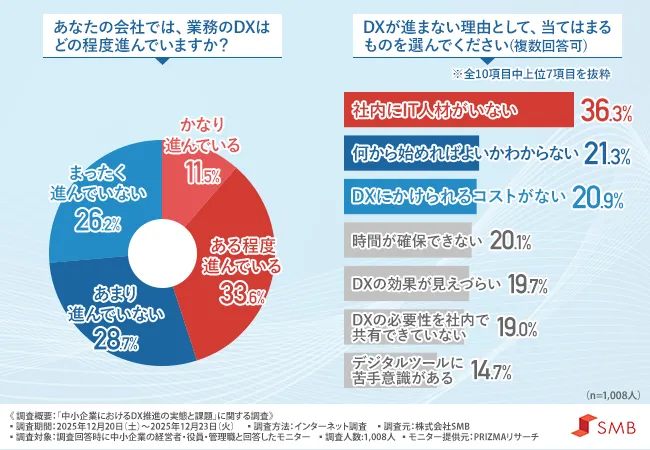
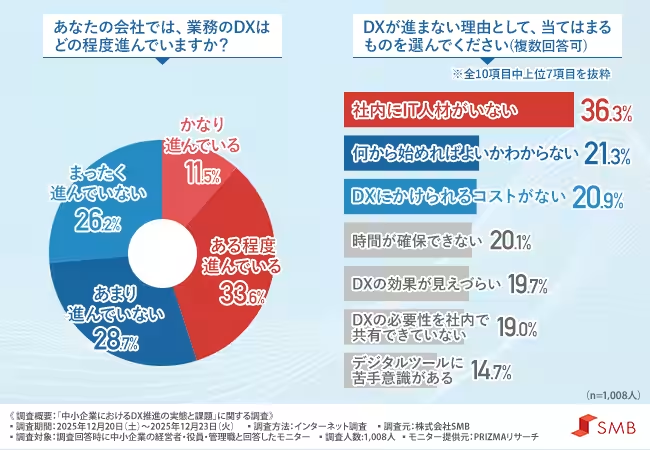
When asked about the level of progress in DX initiatives, the responses were as follows:
- - Very advanced: 11.5%
- - Somewhat advanced: 33.6%
- - Not very advanced: 28.7%
- - Not at all advanced: 26.2%
While many organizations have started their DX journey, only a few are confidently progressing. Instead, a significant number appear to be at a standstill or are only partially implementing necessary systems without achieving comprehensive transformation.
Barriers to Successful Digital Transformation
When participants were queried about the reasons for the slow advancement of DX, the most common response was a lack of IT personnel, mentioned by 36.3% of respondents. Other notable constraints included uncertainty about where to start (21.3%) and limited budget (20.9%). This illustrates a systemic issue within SMEs: without the necessary expertise and resources, planning and implementing DX initiatives becomes an uphill battle.
System Tool Adoption and Its Limitations
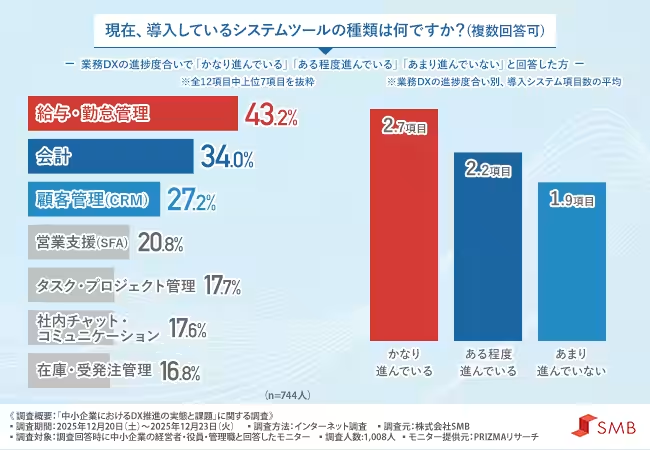
Among participants who claimed to be making progress with DX, the most frequently adopted tools include payroll and attendance management systems (43.2%), followed by accounting solutions (34.0%) and customer relationship management (CRM) tools (27.2%). These results indicate a heavy reliance on essential operational tools that do not necessarily foster comprehensive digital transformation across all departments.
The survey further revealed a correlation between the number of system tools adopted and feelings of progress in DX efforts. However, even though organizations with more tools tended to report greater advancement, simply increasing the number of tools does not guarantee successful implementation.
Satisfaction with Digital Transformation Outcomes
When asked about their satisfaction with the results of DX initiatives, nearly 60% of respondents indicated they felt some level of contentment:
- - Very satisfied: 15.2%
- - Somewhat satisfied: 46.5%
While this suggests that some companies are realizing benefits from their DX efforts, most participants only reported being somewhat satisfied, hinting at a gap between expectations and actual outcomes.
Exploring Ideal System Tool Requirements
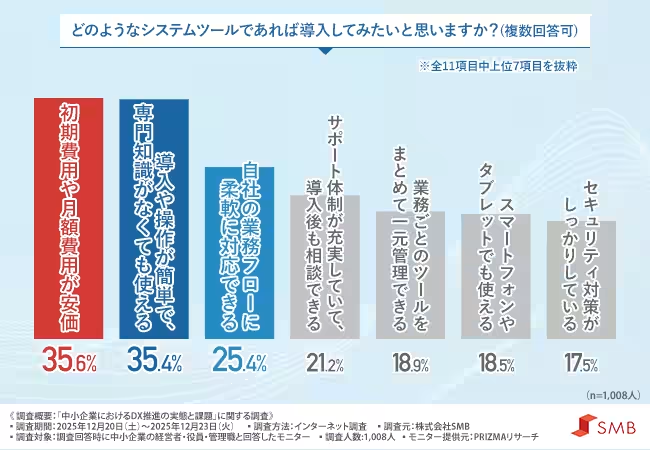
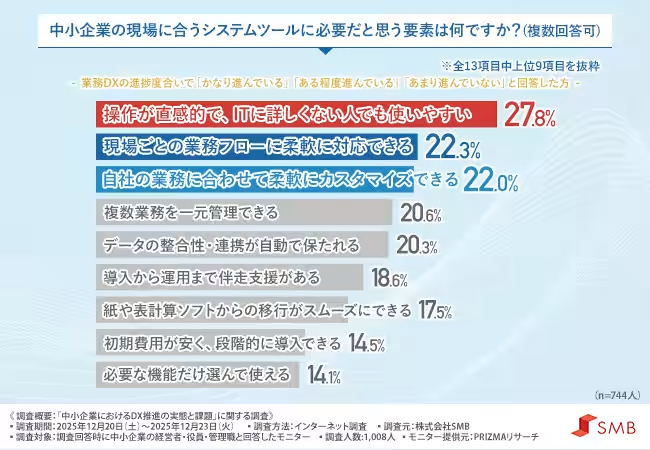
The majority of participants indicated they would prefer system tools that are low-cost (35.6%), easy to understand and operate (35.4%), and capable of flexibly adapting to their workflows (25.4%). The importance placed on cost and usability signals that SMEs remain cautious about the adoption of digital tools, further complicated by their lack of IT expertise.
Complexities Arising from Multiple Tool Usage
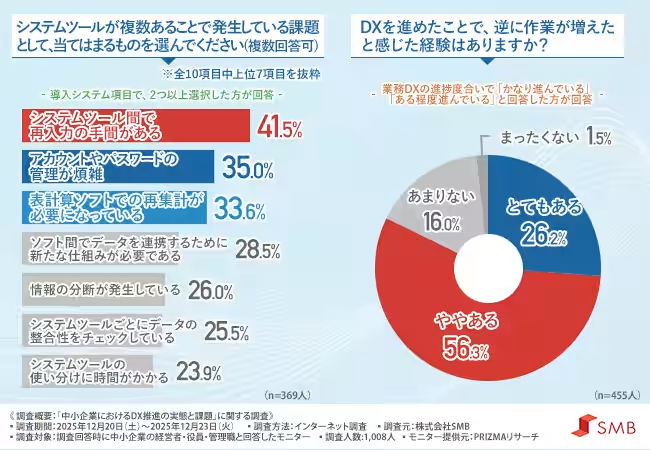
Interestingly, among companies using multiple system tools, over 41% reported issues related to re-entering information across systems. This raises an alarming concern: the implementation of digital tools can inadvertently lead to increased workloads. The fragmentation of information systems compromises operational efficiency and highlights the need for cohesive design in digital transformation efforts.
Insights on Necessary Elements for Effective System Tools
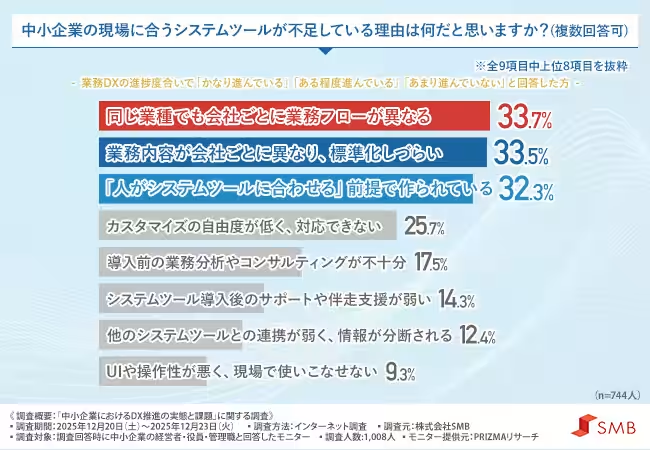
When discussing deficiencies in existing system tools, an overwhelming majority indicated that tools often do not match their unique business processes. Elements like intuitive usability, flexibility in operation, and customization capabilities were deemed critical for catering to the needs of SMEs effectively. This aligns with feedback revealing that many revert to traditional paper or spreadsheet methods when digital tools do not meet their expectations.
Conclusion: From Implementation to Stable Integration
The survey results underscore that while SMEs recognize the necessity for digital transformation, a disconnect remains in effective execution and integration. Critical barriers such as IT talent shortages, financial constraints, and a lack of clear pathways all contribute to the hesitancy and misconceptions about DX. This highlights the pressing need for tools that are not only powerful but also user-friendly, adaptable, and grounded in the realities of daily operations. The focus should shift from merely introducing digital tools to ensuring their effective use and incorporation within the organization.
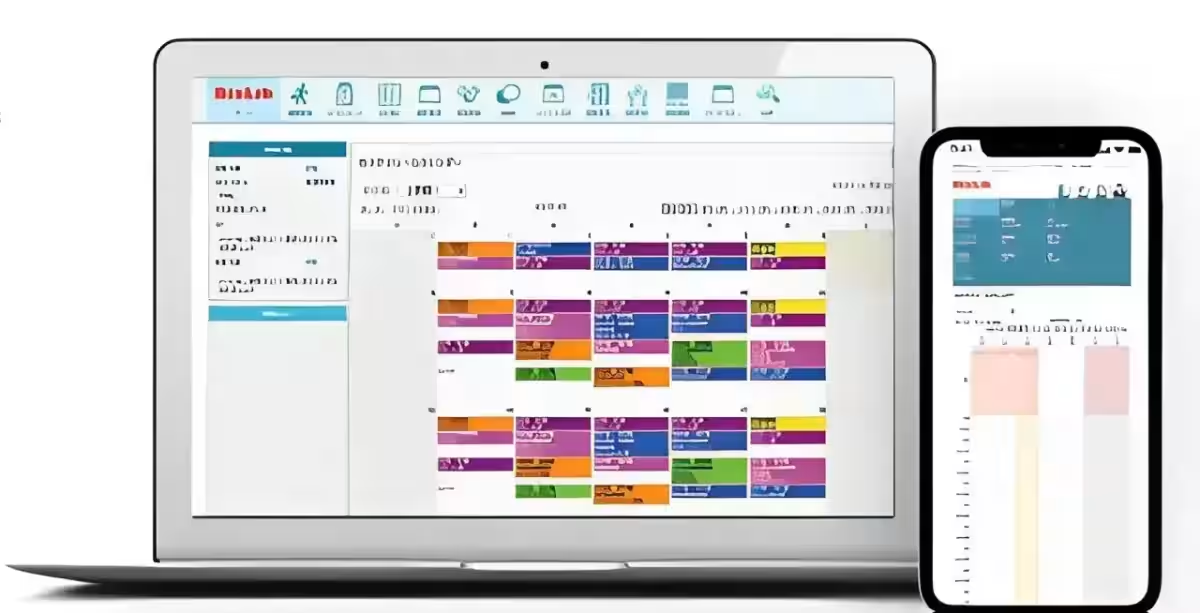
By prioritizing digital tools that align with existing workflows and offer substantial support, SMEs can start to navigate their digital transformation journey more successfully. One promising solution is BizLib, developed by SMB Corporation, which aims to eliminate the operational burdens that often accompany digital transformation efforts. For companies looking to evolve without overwhelming their stakeholders, tailored solutions like BizLib provide a way forward, harmonizing systems with real-world applications.

Topics Business Technology)
【About Using Articles】
You can freely use the title and article content by linking to the page where the article is posted.
※ Images cannot be used.
【About Links】
Links are free to use.